Let's be honest. The idea of making a complex, spiced curry sauce from scratch—toasting whole spices, grinding pastes, simmering for hours—is a beautiful dream for a lazy Sunday. For Tuesday night after work? Forget it. That's where curry cubes come in, and they've completely changed the game for home cooks worldwide. These little blocks of concentrated flavor aren't just a "cheat"; they're a smart, reliable tool that delivers restaurant-quality depth in under 30 minutes. I've been using them for over a decade, from quick student meals to feeding a hungry family, and I've learned the hard way which tricks work and which common mistakes to avoid. This guide isn't just a list of brands; it's your roadmap to mastering this kitchen staple.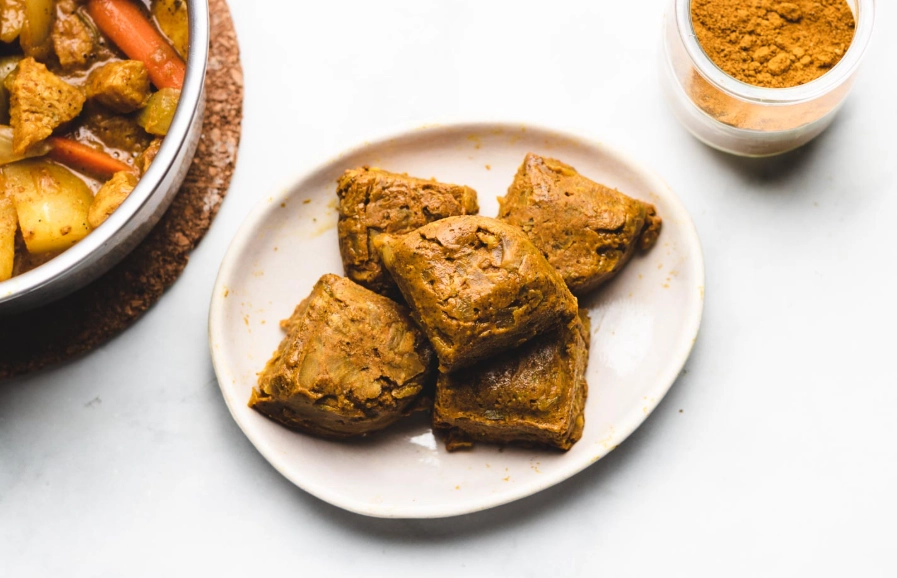
What You'll Discover Inside
What Exactly Are Curry Cubes?
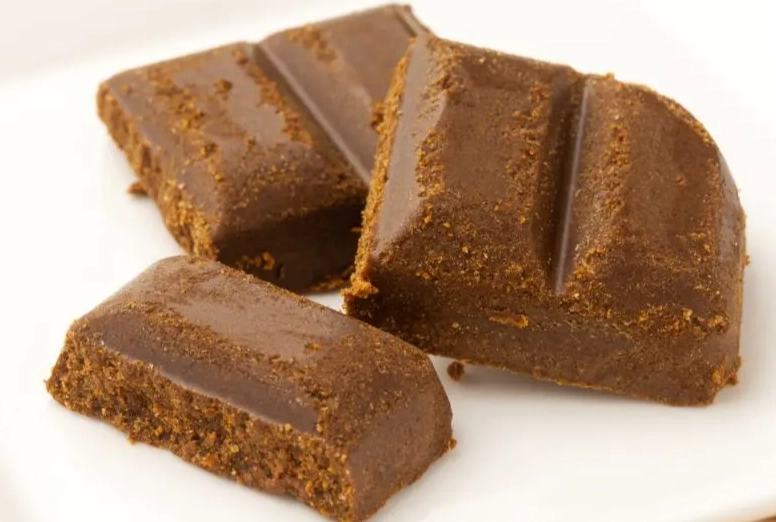
At their core, instant curry cubes (often called "roux cubes") are a solid, pre-cooked blend of fats (like palm or vegetable oil), flour, and a complex mix of spices, seasonings, and often fruits or honey. Think of them as a dehydrated curry sauce. You don't need to add curry powder separately. The flour and fat act as a thickener and carrier for the flavors, which have been developed and balanced by food scientists to be consistently delicious. The main types you'll encounter are Japanese-style (mild, sweet, and often with fruit notes) and Indian-style (spicier, more complex spice blends). Japanese brands like House Foods and S&B dominate the global market for a reason—their approachability and balanced flavor profile have won over millions.
How to Use Curry Cubes: A Foolproof Step-by-Step Guide
Most instructions on the box are bare-bones. Here's the method I've refined after countless pots, designed for maximum flavor with no lumps.
The Standard Method (For Stews and Classic Curry)
1. Brown Your Aromatics and Protein. In a deep pot or pan, sauté diced onions in oil until soft and translucent. Don't rush this—the sweetness of well-cooked onions forms the flavor base. Add your protein (chicken thigh pieces work best, they don't dry out like breast) and brown lightly.
2. Add Vegetables and Liquid. Toss in hardy vegetables like carrots and potatoes. Pour in enough water or, better yet, low-sodium chicken or vegetable stock to just cover the ingredients. Bring to a boil, then reduce to a simmer. Cook until the vegetables and meat are tender (about 15-20 mins).
3. The Critical Cube Addition. Turn off the heat. Break the required number of curry cubes into smaller pieces and scatter them over the surface of the hot liquid. Let them sit for a minute to soften. This is the step everyone gets wrong—adding cubes to a rolling boil often causes the flour to clump.
4. Stir and Final Simmer. Gently stir until the cubes are fully dissolved and the sauce is smooth. Turn the heat back to low and simmer for another 5-10 minutes, stirring occasionally, until the sauce thickens beautifully. The final simmer is non-negotiable; it allows the flavors to meld and the raw flour taste to cook out.
My Secret for Richer Flavor
Before adding the liquid in step 2, I often add a tablespoon of tomato paste or a grated apple to the onions and let it cook for a minute. It adds a layer of umami and natural sweetness that cuts through the processed feel some cheaper cubes can have.
Top 5 Curry Cube Brands Compared (With My Personal Pick)
Not all cubes are created equal. The spice level, sweetness, thickness, and aftertaste vary wildly. Here’s a breakdown of the major players you'll find in Asian grocery stores or online.
| Brand & Product | Flavor Profile | Best For | Spice Level | My Rating |
|---|---|---|---|---|
| House Foods Vermont Curry | Sweet, mellow, with apple & honey notes. Creamy texture. | Beginners, kids, those who dislike heat. A classic family-safe choice. | Mild to Medium | 9/10 (The Gold Standard) |
| S&B Golden Curry | Robust, savory, more "traditional" curry flavor. Less sweet than Vermont. | Anyone wanting a more balanced, adult taste. Excellent for beef curry. | Mild to Hot | 8.5/10 (A Very Close Second) |
| Java Curry (by House Foods) | Rich, deeply spiced, with a noticeable kick. Complex flavor. | Spice lovers. Makes a curry that tastes like it simmered for hours. | Medium to Hot | 8/10 (My go-to for a kick) |
| Kokumaro Curry (by S&B) | Rich, slightly sweet & sour from fruit purees. Incredibly thick sauce. | Those who love a luxurious, sticky, restaurant-style sauce. | Mild to Medium | 7.5/10 (Great, but very rich) |
| Vermont Curry (Hot) | The familiar Vermont sweetness, but with a gentle warmth. | Families where some like a bit of heat and others don't. A perfect compromise. | Medium | 8/10 (The best "compromise" cube) |
The biggest mistake I see? People buying "Hot" thinking it'll be like a Thai curry. It won't. Even the hottest Japanese cube is mild compared to that. For true heat, you'll need to supplement with fresh chili or cayenne pepper.
House Foods Vermont Curry: Why It's a Staple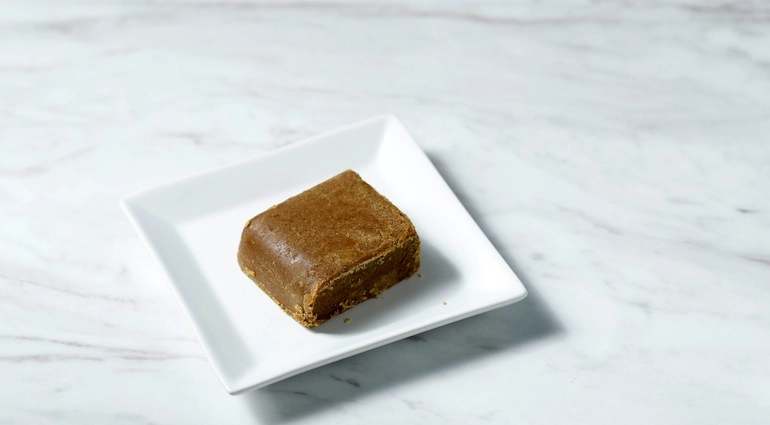
Vermont Curry is often the first brand people try, and for good reason. Its signature sweetness (from apple and honey) makes it incredibly approachable. The sauce is consistently smooth and clump-free. I find it to be the most forgiving brand for beginners. If you're serving a mixed group, this is your safest bet. You can always dial up the complexity with extra garlic, ginger, or a dash of soy sauce.
S&B Golden Curry: The Savory Contender
Golden Curry has a more savory, spiced backbone. It's less about upfront sweetness and more about a rounded, hearty flavor. I prefer it for beef and potato curry, where its robustness stands up to the stronger meat. Some find it has a slightly more "processed" aftertaste than Vermont, but simmering it a bit longer usually takes care of that.
Pro Tips and Creative Uses You Haven't Tried
Once you've mastered the basic stew, the real fun begins. Curry cubes are a versatile flavor bomb.
Transform the Flavor After Cooking: The flavor profile of the cube is set, but you can tweak it. A splash of coffee (seriously) or a square of dark chocolate stirred in at the end adds incredible depth and cuts sweetness. A teaspoon of soy sauce or Worcestershire sauce boosts umami. A dollop of yogurt or a squeeze of lemon brightens everything up.
Use Them as a Seasoning Paste: Crumble half a cube into ground meat when making burgers or meatloaf. It acts as a built-in seasoning mix. Mix a crumbled cube with mayo for an instant curry-spiced sandwich spread.
Curry Udon or Ramen in 10 Minutes: Bring dashi or chicken broth to a simmer. Dissolve a quarter to a half of a mild curry cube per serving. Add cooked udon or ramen noodles, some sliced green onions, and a soft-boiled egg. It's the ultimate quick comfort food.
"Dry" Curry Rice: This is a game-changer. Sauté ground meat (pork or chicken) with onions and diced vegetables. Instead of adding water, crumble in a curry cube and a tablespoon of water or ketchup. Stir-fry until it forms a crumbly, fragrant meat sauce. Serve over rice. It's a completely different, and fantastic, texture.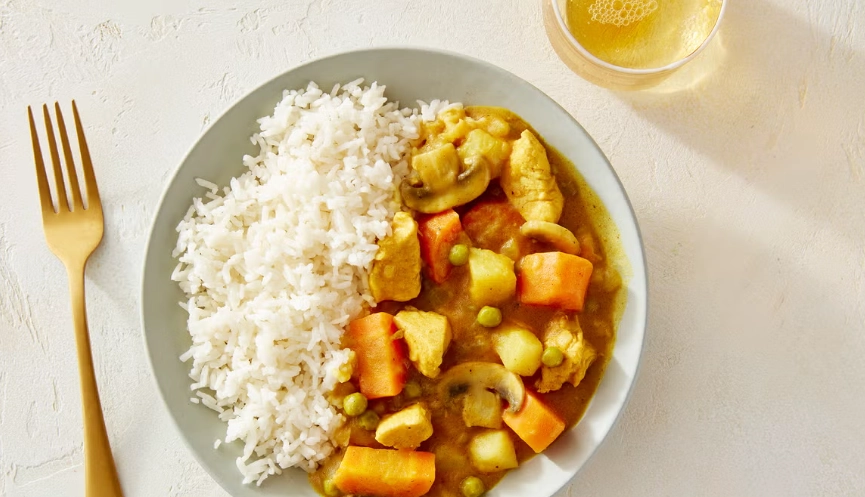
Your Curry Cube Questions, Answered
 Are there any health concerns with curry cubes? They seem high in sodium and fat.
Reader Comments