- What Even Is Aburasoba? A Quick Primer
- The Step-by-Step Guide: How to Eat Aburasoba the Right Way
- Navigating the Menu: What to Order With Your Aburasoba
- Why the Method Matters: The Science of the Mix
- Common Aburasoba Questions Answered (Stuff You're Too Afraid to Ask)
- Finding the Best Aburasoba: What to Look For in a Shop
- Final Thoughts: Embrace the Delicious Mess
So you’ve heard about aburasoba, this trendy Japanese noodle dish that’s all over social media. You see a bowl of noodles with no soup in sight, just a glistening pool of savory oil and tare sauce at the bottom, topped with chashu, seaweed, and a perfect onsen egg. It looks amazing, but then the panic sets in. How do you actually eat this thing? Do you just dig in? Is there a specific way? What if you mess it up and look like a total newbie in front of the chef?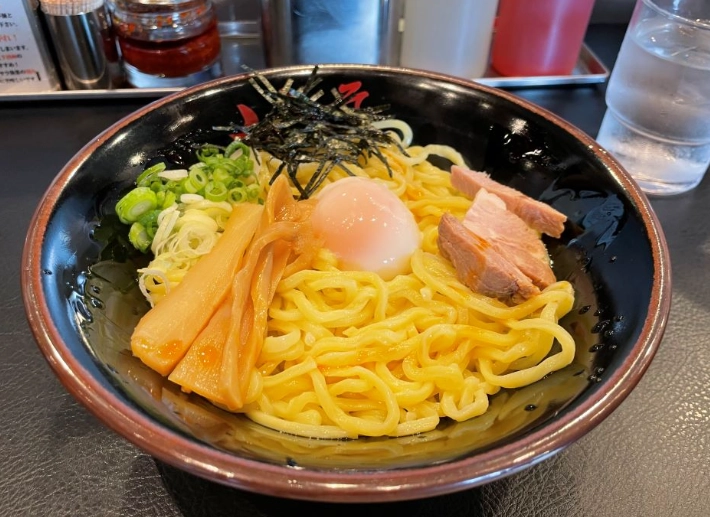
Relax. I’ve been there. The first time I ordered aburasoba at a tiny shop in Shinjuku, I stared at the bowl for a good minute, completely clueless. I watched the salaryman next to me expertly mix his with a loud, satisfying slurp, while I poked at mine timidly. I made every mistake in the book. But after many, many bowls (it’s a tough job, but someone’s gotta do it), I’ve figured it out. This guide is everything I wish I knew back then.
Let's get one thing straight: knowing how to eat aburasoba properly isn't just about etiquette. It's the key to unlocking its full, incredible flavor.
What Even Is Aburasoba? A Quick Primer
Before we dive into the how to eat aburasoba steps, let's clear up what it is. "Abura" means oil, and "soba" here refers to the wheat noodles (not buckwheat soba). It’s part of the "maze soba" (mixed noodle) family. The magic is in the base: a blend of flavored oil (like chicken fat, lard, or aromatic onion oil) and a concentrated tare seasoning sauce. The noodles are served on top of this base, with toppings placed neatly on the noodles to keep them dry initially. The whole experience is about the diner mixing everything together at the table.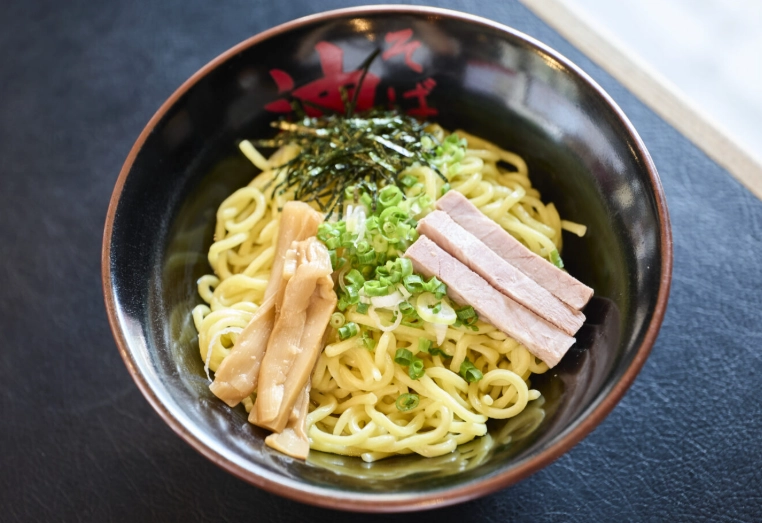
It’s richer, more concentrated, and in my opinion, more interactive than regular ramen. You're not just a consumer; you're the final chef, bringing the dish to life.
The Step-by-Step Guide: How to Eat Aburasoba the Right Way
Here’s the main event. Follow these steps, and you’ll go from confused to connoisseur in one meal.
Step 1: Observe and Appreciate (The Calm Before the Storm)
Your bowl arrives. Don't just attack it. Take a second. Look at the art. The noodles should be firm and springy, piled high. The toppings are arranged carefully—maybe chashu pork, menma (bamboo shoots), nori, green onions, and that glorious onsen egg (a slow-cooked egg with a custard-like yolk). At the very bottom, you’ll see a layer of oil and dark sauce. This is your flavor bomb. Some places might include a small dollop of spicy mentaiko (pollock roe) or minced garlic on the side. I always add the garlic; it’s a game-changer.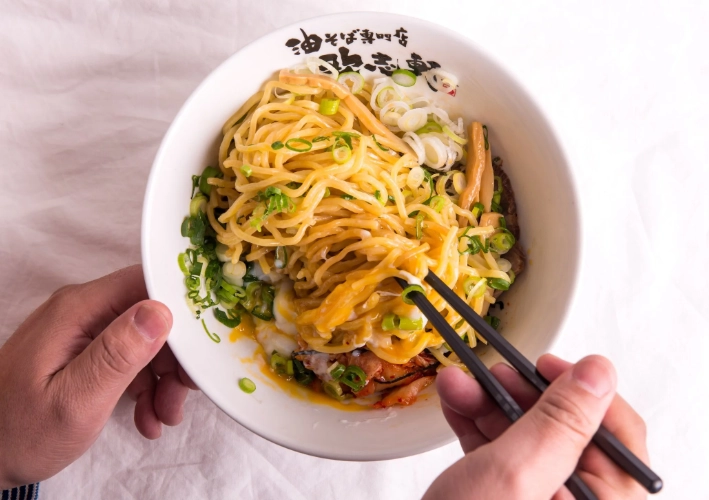
Step 2: The Initial Mix (This is Crucial)
This is the core of how to eat aburasoba. Using your chopsticks (and sometimes a spoon provided), you need to lift the noodles from the bottom and mix everything thoroughly. The goal is to coat every single strand of noodle with the oil and sauce base.
How to do it properly? Don't just stir in a circle. Use a lifting and folding motion. Grab a clump of noodles from the bottom, where the sauce is, and lift them up and over the top. Repeat from different angles. You should hear a satisfying, slurpy sound as the noodles get coated. This mixing aerates the sauce and distributes the flavor evenly. If you skip this or do a lazy stir, you’ll get bland bites followed by overwhelmingly salty, oily bites later. Not good.
Step 3: The First Bites and Toppings Integration
Now, taste your masterpiece. Take a bite of just the noodles. This is the pure, unadulterated flavor of the abura-soba. Appreciate the chew of the noodle and the way the savory oil coats your mouth. It’s intense, salty, umami-packed. Now, start incorporating the toppings. Break the onsen egg yolk and let it run into the noodles, adding a creamy richness. Take a piece of chashu with a bundle of noodles. The fatty pork and the savory noodles are a match made in heaven.
This is where personal preference really kicks in.
Step 4: The Mid-Meal Refresh (Osuimono and Kaeshi)
Here’s a brilliant part of the aburasoba eating ritual. About halfway through, the noodles and sauce can start to feel a bit heavy or sticky. This is when you use the small pitcher of clear, light broth (called osuimono or soup wari) that almost always comes with the bowl. You have two options:
- Kaeshi Style (The Transformative Method): Pour a little of the clear broth directly into your main bowl. It will mix with the remaining oil and sauce to create a light, flavorful soup. You can then slurp up the remaining noodles and bits in this improvised soup. It’s like getting a second dish for free.
- The Sip Between Bites: Simply sip the clear broth from a small cup to cleanse your palate between mouthfuls of the rich noodles. This is my preferred method when I want to savor the concentrated flavor until the very end.
Step 5: The Finale and Noodle Texture
Aburasoba noodles are typically medium-thick and have a great chewy texture (koshi). Because there’s no hot soup to continue cooking them, they stay firm longer. However, you should still eat at a moderate pace. If you take too long, the residual heat and oil can start to make the noodles clump together. The best way to eat aburasoba is with focused enjoyment.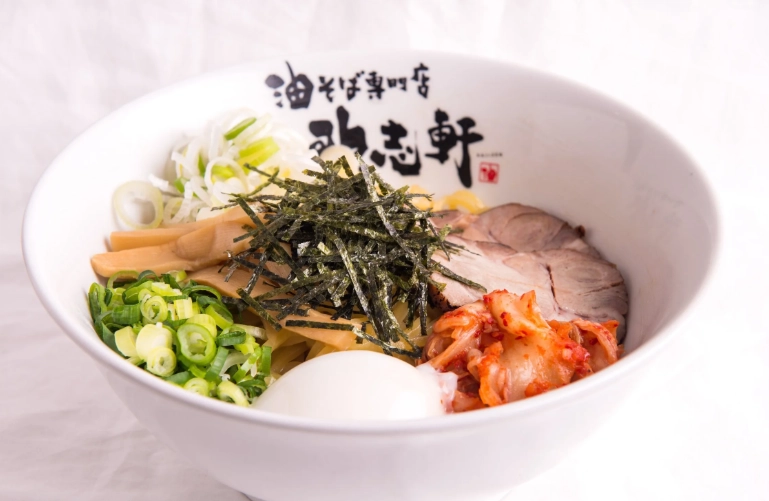
Navigating the Menu: What to Order With Your Aburasoba
Ordering can be part of the challenge. Here’s a breakdown of common menu terms to help you customize your perfect bowl.
| Menu Term | What It Means | My Personal Take |
|---|---|---|
| Shoyu Abura | Base flavor is soy sauce-based tare. Classic, balanced, umami. | A safe and delicious starting point. Never fails. |
| Shio Abura | Salt-based tare. Lighter, cleaner flavor, lets the oil shine. | Great if you want less sweetness and more pure savoriness. |
| Miso Abura | Rich, fermented miso paste in the base. Deep, complex, hearty. | My go-to in winter. Incredibly satisfying, but can be very rich. |
| Karamiso | Spicy miso version. Often has chili oil or ground chili. | Adds a great kick. Perfect if you find the original too one-note. |
| Tokusei / Special | Usually comes with extra toppings like an extra egg, more chashu, or seaweed. | Usually worth the upgrade for the full experience. |
| Oomori / Large | Extra noodles. Sometimes free, sometimes a small fee. | Only if you're starving. The regular portion is often very filling due to the richness. |
Why the Method Matters: The Science of the Mix
You might wonder why the mixing is so non-negotiable. It’s not just tradition; there’s a practical reason. The oil and tare sauce are dense. Without thorough mixing, they stay at the bottom. The first half of your noodles are bland, and the last half is a salty, oily puddle. By mixing vigorously, you create an emulsion. The oil, sauce, and particles from the noodles and egg yolk combine into a smooth, clingy coating that adheres to each noodle. This ensures every single bite from start to finish is consistently flavorful. It’s the heart of how to eat aburasoba for maximum enjoyment.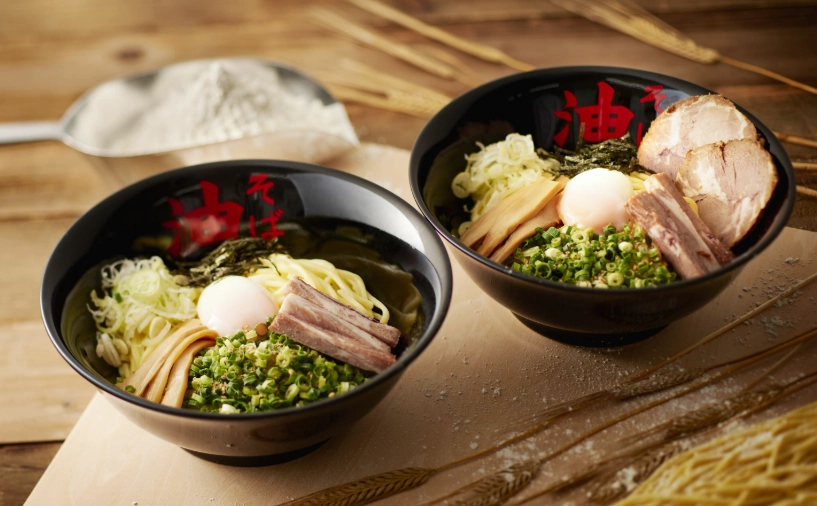
Common Aburasoba Questions Answered (Stuff You're Too Afraid to Ask)
Finding the Best Aburasoba: What to Look For in a Shop
Not all aburasoba is created equal. After eating at places ranging from world-famous spots to random station counters, here’s what separates the good from the transcendent.
- The Noodles: They should have a strong, chewy texture. If they’re soft or mushy, it’s a bad sign. They need to stand up to the heavy sauce.
- The Oil/Sauce Base: It shouldn’t just be greasy. It should be fragrant. You should smell toasted garlic, sesame, or animal fat before you even mix. If it looks like motor oil and smells like nothing, be wary.
- The Egg: The onsen egg should have a firm white and a yolk that is thick, creamy, and bright orange, not runny and watery.
- The Atmosphere: The best places are often no-frills, focused on the food. Listen for the sound of other people mixing and slurping—it’s a good sign!
For authentic recipes and the cultural context of maze soba (the category aburasoba falls under), the Ramen Beast blog is an incredible resource written by true enthusiasts. It’s not a corporate site; it’s a deep dive into the ramen world. Also, for understanding Japanese dining customs in general, the official Japan National Tourism Organization guide is a trustworthy source.
Final Thoughts: Embrace the Delicious Mess
Learning how to eat aburasoba is part of the fun. It’s a hands-on, engaging meal. It’s okay if a little oil splatters. It’s okay to slurp loudly. The whole point is to immerse yourself in the flavor. Forget dainty bites. Get in there, mix with purpose, and enjoy one of Japan’s most satisfying noodle creations.
The next time you sit down in front of that glossy, topping-laden bowl, you won’t feel panic. You’ll feel anticipation. You know the drill. Observe, mix thoroughly, savor the pure noodles, integrate the toppings, and use the clear broth to refresh. You’re not just a customer anymore; you’re an active participant in making your meal incredible. Now go forth and enjoy your aburasoba like a pro.
And honestly? Even if you forget a step, you’re still eating a bowl of amazing noodles. You really can’t lose.
Reader Comments