Let's cut straight to the chase. Tekka maki, that simple-looking tuna roll, is a masterclass in minimalism. Its magic lies entirely in the quality and harmony of its few components. Get the ingredients wrong, and you have a bland, disappointing cylinder. Get them right, and it's a perfect bite of the ocean. This isn't just a list; it's a deep dive into why each piece matters, how to choose them like a pro, and the common mistakes that ruin homemade tekka maki before you even start rolling.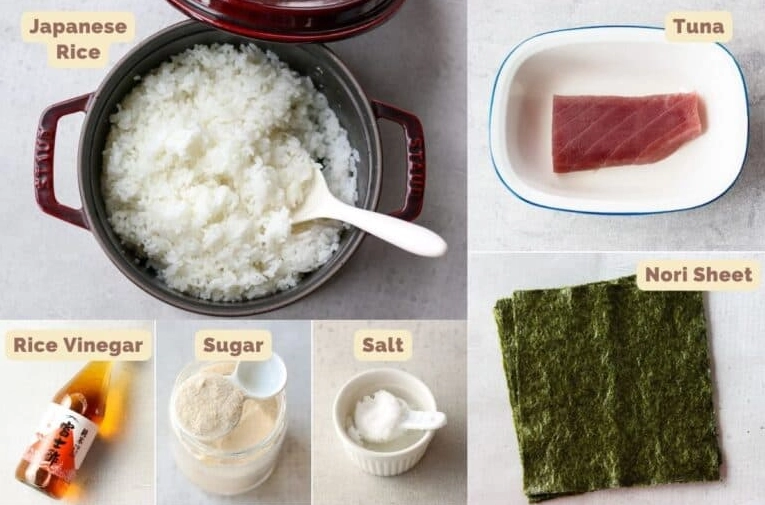
What You'll Learn in This Guide
The Three Pillars of Tekka Maki: A Simple List with Complex Depth
At its heart, tekka maki requires only three things: tuna, sushi rice, and nori (seaweed). That's it. No cucumber, no avocado, no fancy sauces hiding in the middle. This purity is what makes it a benchmark for sushi quality. If a restaurant messes this up, it tells you everything.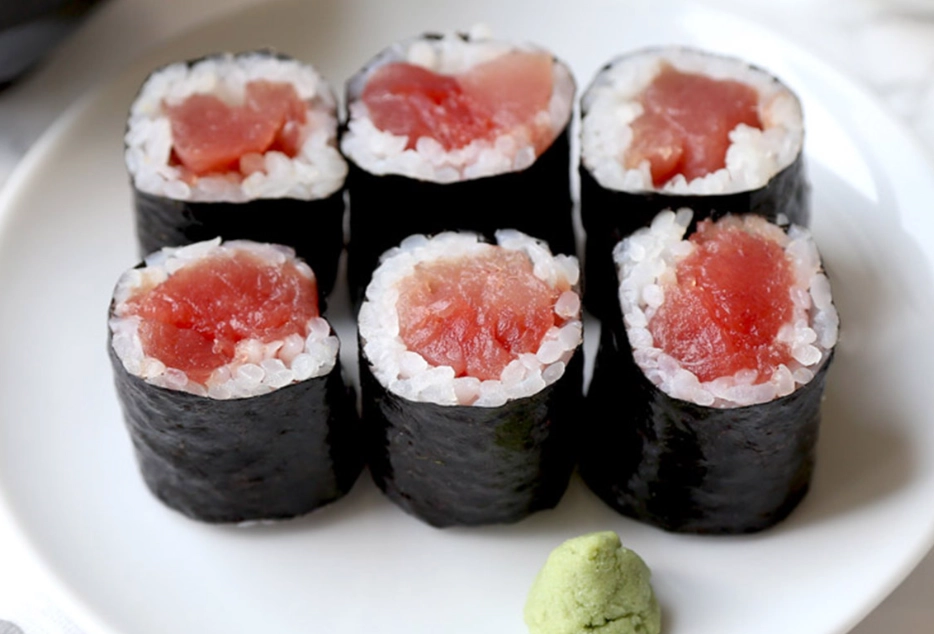
The Tekka Maki Trinity: Premium, sushi-grade tuna (preferably akami, the lean cut). Perfectly seasoned, room-temperature sushi rice. A crisp, high-grade sheet of nori. Fail at any one of these, and the entire roll suffers.
Sushi-Grade Tuna: The Non-Negotiable Star
This is where most home attempts stumble. "Sushi-grade" isn't a legal term, but a practical one. It means the fish has been frozen at ultra-low temperatures (-20°C / -4°F or below for a specific duration) to kill parasites, making it safe for raw consumption.
How to Source Real Sushi-Grade Tuna
Don't just grab any "fresh" tuna steak from the supermarket seafood counter. You need a trusted fishmonger or a specialty Japanese grocer. Look for akami, the deep red, lean cut from the back of the fish. It's firmer, less fatty than toro (belly), and has the classic clean flavor perfect for tekka maki. Tell them you're making sushi. Their reaction will tell you if they're the right source.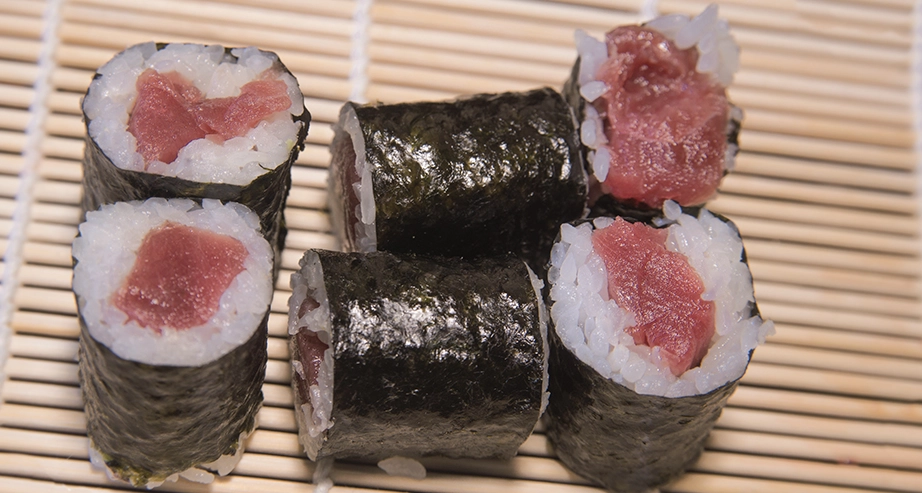
A common pitfall I see: people buy a beautiful piece of tuna, then slice it with a dull knife. This crushes the flesh, making it mushy. Use the sharpest knife you own—a sashimi bōchō is ideal, but a very sharp chef's knife works—and slice against the grain in one clean, confident motion.
Tuna Quality Checklist
| What to Look For | What to Avoid | Why It Matters |
|---|---|---|
| Color: Vibrant, deep red (for akami). | Brownish, dull, or discolored edges. | Indicates freshness. Oxidation turns tuna brown. |
| Smell: A clean, oceanic scent. Mild. | Any strong, fishy, or ammonia-like odor. | The first sign of spoilage. |
| Texture: Firm, springy to the touch. | Soft, mushy, or slimy surface. | Ensures a pleasant mouthfeel in the roll. |
| Source: Clear labeling (e.g., Yellowfin, Bigeye). | Vague or no origin information. | Traceability is key for quality and sustainability. |
Sushi Rice: The Glue That Holds It Together (Literally)
The rice is not just filler. It's a seasoned ingredient that provides sweetness, acidity, and texture. Using plain steamed rice is the quickest way to make your tekka maki taste amateurish.
You need short-grain Japanese rice (like Koshihikari). The starch content is different. The seasoning is a mix of rice vinegar, sugar, and salt, heated just enough to dissolve. The ratio is personal, but a classic start is 5 tablespoons vinegar, 2 tablespoons sugar, and 1 teaspoon salt per 3 cups of uncooked rice.
Here's the expert move everyone misses: fan the rice while mixing in the seasoning. You're not just mixing; you're cooling it rapidly to room temperature while giving it a glossy sheen. A hangiri (wooden tub) is traditional because it absorbs moisture, but a wide, non-metallic bowl works. Never put warm rice on nori—it turns it soggy and chewy instantly.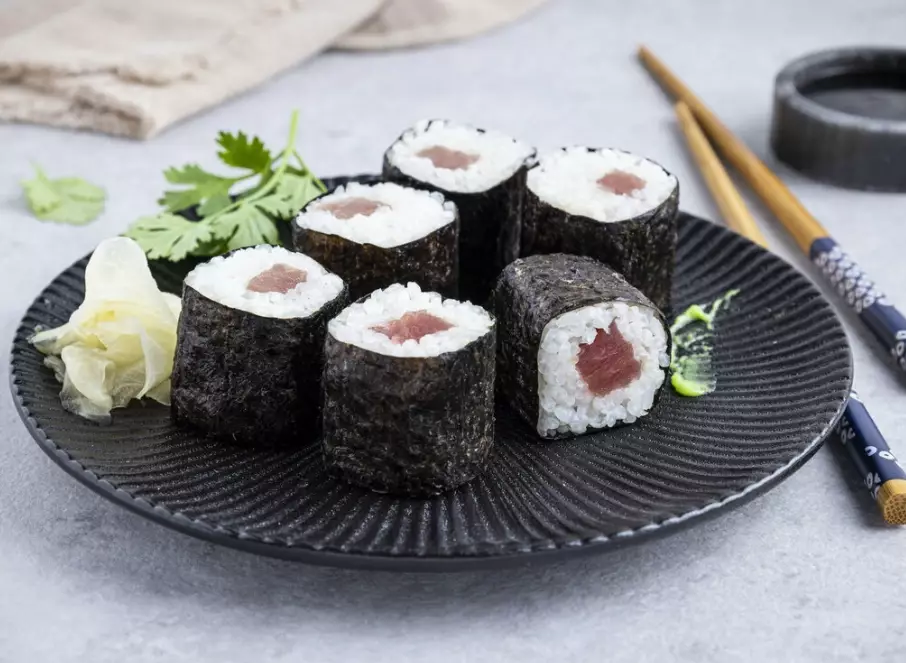
Nori Selection & Handling: The Crisp Shell
Nori is roasted seaweed. Quality varies wildly. For maki, you want yaki-nori, standard roasted sheets. Look for dark green, almost black sheets with a slight sheen. They should be crisp and snap cleanly. Pale green or brittle nori is low grade.
Store nori in an airtight container with a desiccant packet. Once opened, it starts to absorb moisture from the air. If your nori feels limp, you can quickly pass it over a low gas flame (shiny side down) for a second to re-crisp it. Be careful.
When assembling, place the nori shiny side down on your bamboo mat (makisu). The rough side holds the rice better.
Step-by-Step Assembly & Rolling
Let's put it all together. Have everything ready: your room-temperature rice, sliced tuna strips, nori sheet, bamboo mat (wrapped in plastic for easy cleaning), a bowl of water with a splash of vinegar for wetting your hands, and a sharp knife.
- Prep the Nori: Place nori shiny-side down on the mat, with the long side facing you.
- Spread the Rice: With wet hands, take a handful of rice (about ¾ to 1 cup). Gently press and spread it over the nori, leaving a 1-inch border at the top farthest from you. The layer should be even and thin—about 2-3 grains thick. Pressing too hard makes gummy rice.
- Add the Tuna: Lay a strip or two of tuna horizontally across the rice, about one-third of the way up from the side closest to you.
- The Roll: Using your thumbs to lift the mat from under you, start rolling the nori over the filling. Tuck the edge in firmly, then continue rolling forward, applying even pressure along the length of the roll. Don't squeeze the life out of it, just enough to form a tight cylinder.
- The Seal: When you reach the bare nori border at the top, moisten it lightly with water and finish the roll. The moisture will seal it.
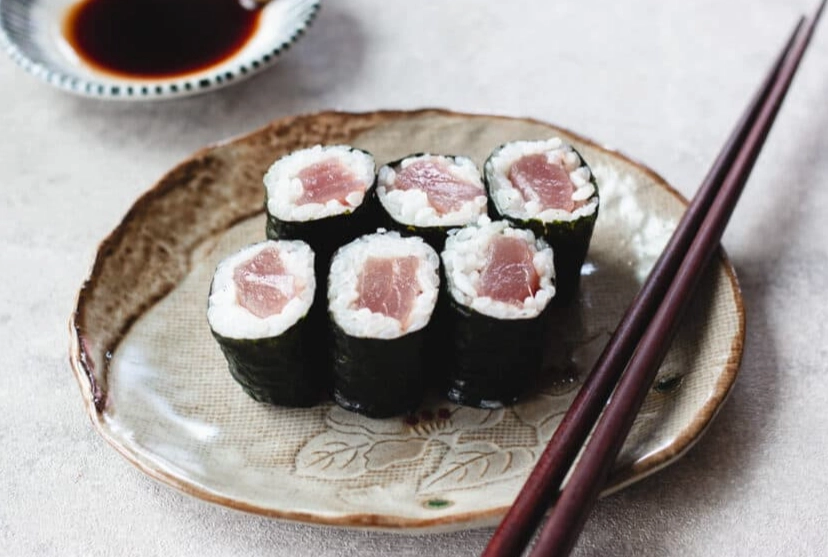
- Slice: Let the roll rest for a minute. With a very sharp, wet knife, cut it in half. Wipe the knife clean, then cut each half into thirds, using a gentle sawing motion. Don't press down. You should get six even pieces.
Serve immediately with soy sauce, wasabi, and pickled ginger. The nori is at its crispiest now.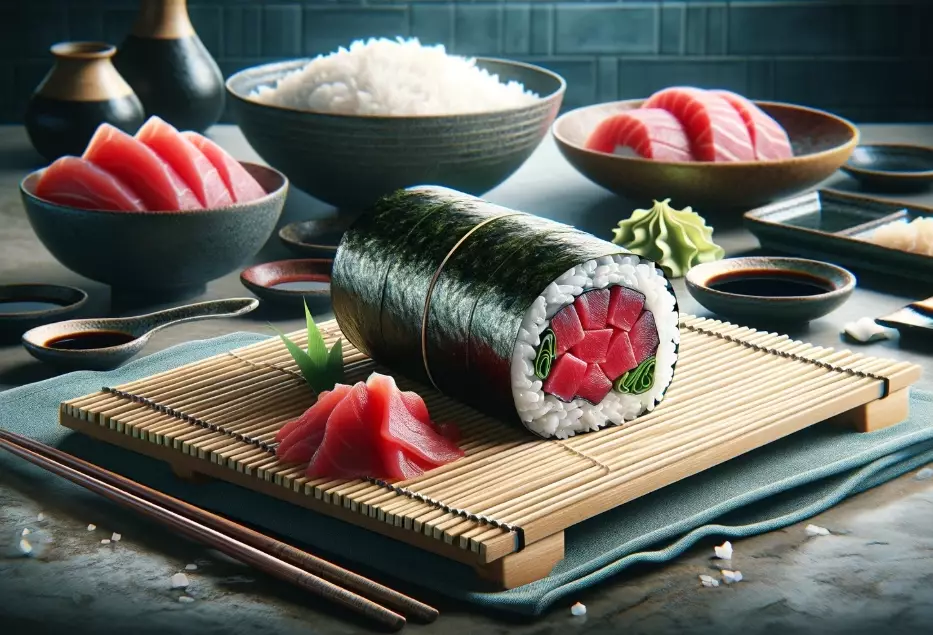
Your Tekka Maki Questions Answered
I can't find "sushi-grade" tuna locally. What's the safest alternative?
Your best bet is to order from a reputable online seafood supplier that specializes in sushi-grade fish, like Catalina Offshore Products or similar. They flash-freeze it properly and ship it overnight on dry ice. If you must use a local source, ask specifically if the tuna has been frozen to FDA parasite destruction guidelines (-4°F for 7 days). Never use fresh, unfrozen tuna unless you are 100% certain of its sourcing and handling—the risk isn't worth it.
My nori always gets soggy and chewy by the time I serve the rolls. How do I prevent this?
This is almost always caused by the rice being too warm or too wet when applied. Ensure your rice is fully cooled to room temperature. Also, don't over-season the rice with vinegar; it adds excess moisture. Finally, assemble and slice the rolls just before serving. If you need to make them slightly ahead, don't wrap them in plastic—this traps steam. Place them on a plate, not touching, and cover very loosely with a damp paper towel.
 Can I make a vegetarian or cooked version of tekka maki?
Absolutely. The "tekka" refers to the iron-red color of tuna, but the format is versatile. For a cooked version, try briefly searing a high-quality tuna steak, chilling it, and using the center rare part. For vegetarian rolls, consider ingredients that mimic the meaty texture and umami: thinly sliced and marinated grilled eggplant, seasoned and compressed watermelon (sounds weird, but it works), or even a thick omelet strip (tamagoyaki). The key is ensuring your filling isn't too wet.
How long can I store leftover tekka maki?
Honestly, it's best eaten within an hour or two. The nori continues to soften. If you must store it, wrap each individual roll (uncut) tightly in parchment paper, then place in an airtight container in the fridge for up to 24 hours. The rice will harden. Don't freeze it—the texture of the rice and fish will be ruined upon thawing.
What's the difference between tekka maki and negitoro maki?
This is a great question that highlights ingredient nuance. Tekka maki uses lean, solid tuna (akami). Negitoro maki uses negitoro, which is a mixture of minced tuna belly (toro, the fatty cut) and finely chopped green onion (negi). The texture is completely different—negitoro is rich, creamy, and spreadable, while tekka maki is clean and firm. They're both tuna rolls, but they showcase opposite ends of the tuna's flavor and texture spectrum.
Reader Comments