Quick Navigation
- What Exactly Is Tempura and Chicken?
- Why Tempura and Chicken is a Match Made in Heaven
- The Anatomy of Perfect Tempura and Chicken: A Step-by-Step Breakdown
- The Art of the Batter: Your Secret Weapon
- Beyond the Basics: Leveling Up Your Tempura and Chicken
- The Perfect Partners: Sauces and Sides
- Troubleshooting Common Tempura and Chicken Problems
- Frequently Asked Questions About Tempura and Chicken
Let's talk about tempura and chicken. You've probably had it at a Japanese restaurant – that impossibly light, shatteringly crisp shell giving way to juicy, tender meat inside. It feels fancy, but it's also deeply satisfying in a way that regular fried chicken sometimes isn't. The contrast is everything. And then you think, "I wish I could make this at home." Followed immediately by, "But it seems so hard."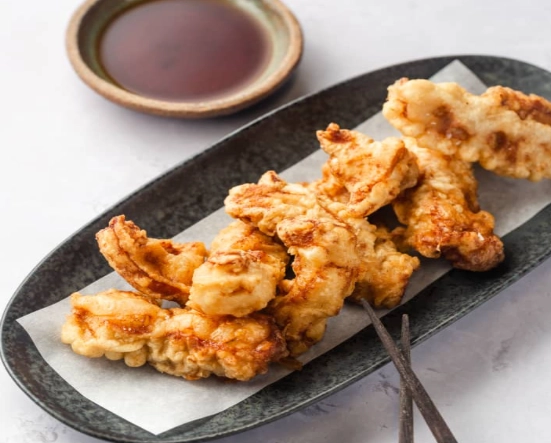
I'm here to tell you it's not. Well, it doesn't *have* to be. I've had my share of disasters. A batter that turned into pancake mix glued to the chicken. Oil that was too cool, resulting in a greasy, sad piece of meat. It was enough to make me want to order takeout forever. But once you crack the code, making incredible chicken tempura becomes one of those kitchen skills that feels like a superpower. This guide is everything I've learned the hard way, so you don't have to.
What Exactly Is Tempura and Chicken?
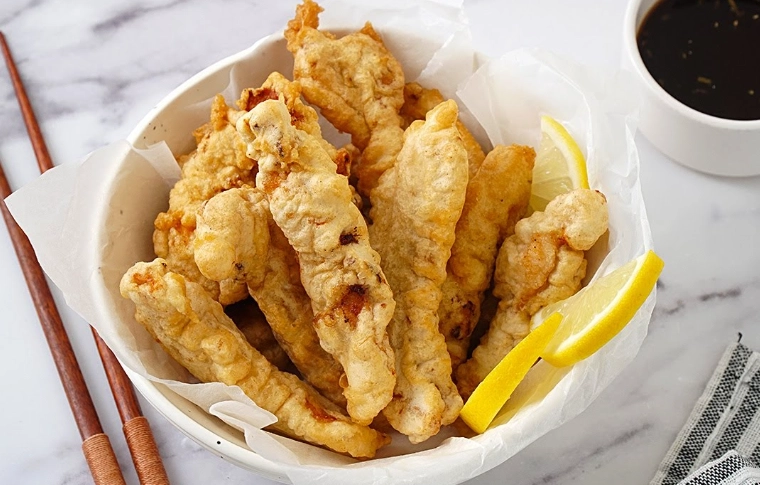
First, a quick clarification because there's a common mix-up. "Tempura" refers specifically to the Japanese cooking technique of deep-frying food in a specific, ultra-light batter. It's not just any fried food. The batter is typically made with cold water, low-protein flour (like cake flour or a special tempura flour), and sometimes egg yolk or baking powder, though purists debate those additions. The result is a lacy, crisp, and not-at-all-greasy coating that's meant to be a delicate shell, not a thick armor.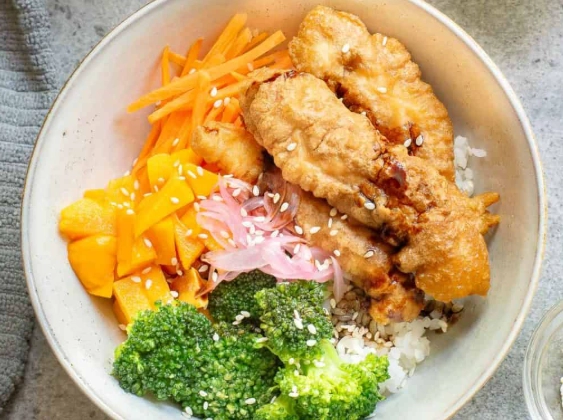
So, "tempura and chicken" or "chicken tempura" means applying this specific Japanese technique to chicken. It's distinct from Southern fried chicken, Korean fried chicken, or other styles because of that unique batter and frying philosophy. The focus is on lightness and highlighting the ingredient inside, not just creating a crunchy exterior.
Why chicken? It's the perfect canvas. Its mild flavor accepts the subtlety of the tempura batter, and its texture – when cooked right – provides that wonderful juicy contrast to the crisp coating. You can use other proteins, but chicken tempura holds a special place for its accessibility and crowd-pleasing nature.
Why Tempura and Chicken is a Match Made in Heaven
Think about it. The potential pitfalls of frying chicken are well-known: dry meat, undercooked meat near the bone, a coating that falls off, or a coating that's so thick it's like eating breading with a bit of chicken inside.
The tempura method elegantly solves a few of these. Because the batter is so thin and fries so quickly at a high temperature, it doesn't have time to suck all the moisture out of the chicken. If you start with the right cut and size, you get a rapid seal and fast, even cooking. The batter itself, when done correctly, adheres in a beautiful, lacy network that's structurally sound but never doughy.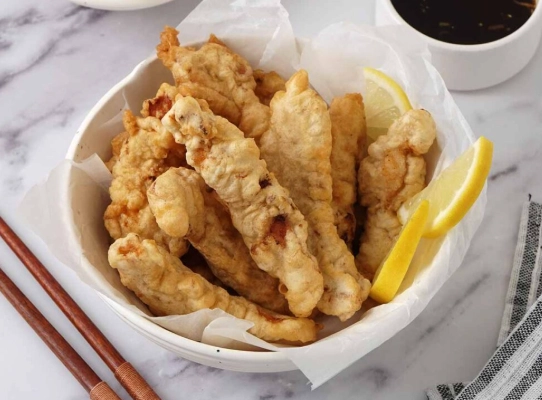
Honestly, a perfectly executed piece of tempura chicken feels more refined than its heavier fried cousins. It's less of a gut bomb and more of a culinary experience. That's the magic we're after.
The Anatomy of Perfect Tempura and Chicken: A Step-by-Step Breakdown
This is where we get into the nitty-gritty. Making great tempura and chicken isn't about one magic trick; it's about getting about five key things right. Miss one, and the results are just okay. Nail them all, and you're a legend.
Choosing Your Chicken: The Foundation
You can't build a great dish on a shaky foundation. The cut of chicken you choose dictates everything about prep and cooking time.
| Chicken Cut | Best For | Pros | Cons & Tips |
|---|---|---|---|
| Boneless, Skinless Thighs | My top recommendation for beginners and flavor seekers. | Incredibly juicy and forgiving. Hard to overcook. Rich flavor stands up to frying. | Can be a bit fatty for some. Trim excess fat. Cut into bite-sized pieces or strips. |
| Boneless, Skinless Breast | Those preferring leaner meat or white meat. | Lean, clean taste. Uniform shape for even cooking. | Easily dries out. Must not overcook. Brining or marinating is highly recommended. Cut into smaller, even pieces. |
| Chicken Tenders (Tenderloins) | Quick cooking, kid-friendly option. | Naturally tender, cook in minutes, uniform size. | Can be pricey. Benefit from a light seasoning or marinade. |
| Wings (Drumettes/Flats) | Party food, appetizers. | Everyone loves wings. Fun to eat. Skin adds flavor. | Bone-in means adjusting fry time. Ensure they are fully cooked. Pat VERY dry. |
My personal go-to? Thighs. Every time. I find breast meat too risky for a first-time tempura attempt – the margin for error is slim. With thighs, you get a succulent result even if your fry time is a touch long. For a weeknight dinner, I'll cut them into generous strips. For appetizers, into 1-inch cubes.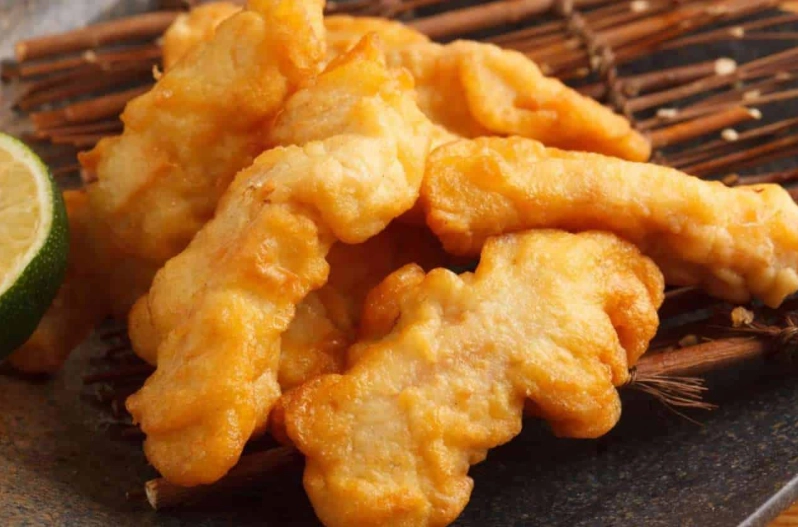
The Tempura Batter: The Star of the Show
This is the heart of the operation. The batter for tempura and chicken is deceptively simple in ingredients, but the technique is where the soul lies.
The Basic, No-Fail Formula:
- 1 cup cold cake flour or low-protein flour (All-purpose works in a pinch, but cake flour is better for tenderness).
- 1 cup ice-cold water (I sometimes replace 2-3 tablespoons with vodka – the alcohol vaporizes faster, creating extra crispness).
- 1 large egg yolk (cold) – This is optional. Traditionalists often skip it for the lightest batter (called "koromo"), but the yolk adds a bit of color, richness, and helps the batter adhere. I use it for chicken.
- A pinch of salt.
Here's the critical part: Do not overmix. Lumps are your friend. You want a lumpy, barely combined batter that drips off the whisk in thick ribbons. Overmixing develops gluten, which leads to a tough, bready coating – the exact opposite of what we want. I mix mine with chopsticks or a fork, about 10-12 strokes, and then stop. Even if it looks uneven.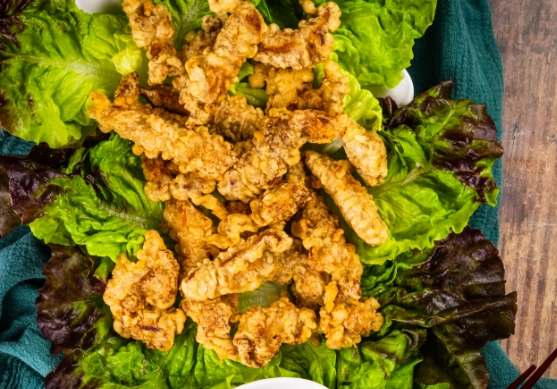
The Fry: Where Magic Happens
This is the moment of truth. You've prepped your dry chicken and made your lumpy, cold batter. Now for the oil.
Oil Type: Use a neutral oil with a high smoke point. Canola, peanut, vegetable, or rice bran oil are all excellent choices. Avoid olive oil (low smoke point, strong flavor).
Oil Temperature: This is non-negotiable. You need a thermometer. For chicken tempura, you often use a two-stage fry:
- First Fry ("Age"): 340°F (170°C). This lower temperature cooks the chicken through without burning the delicate batter. Gently place battered pieces in. Don't crowd the pot. Fry for 2-4 minutes depending on size, until the batter is set and just starting to color lightly. Remove and drain on a rack.
- Second Fry ("Mitate" or finishing fry): 360-375°F (180-190°C). This is the crisp-up. After all pieces have had their first fry, bring the oil temp up. Briefly refry the pieces for 45-60 seconds until they are golden brown and super crisp. This double method ensures cooked chicken and a supremely crisp exterior.
If you're doing a single fry for smaller pieces (like tenderloin cubes), aim for 350°F (175°C) and monitor closely.
Fry in small batches. Adding too much chicken at once drops the oil temperature drastically, leading to oily, soggy tempura. Be patient.
The Art of the Batter: Your Secret Weapon
Let's dive deeper into batter variations because this is where you can really personalize your tempura and chicken.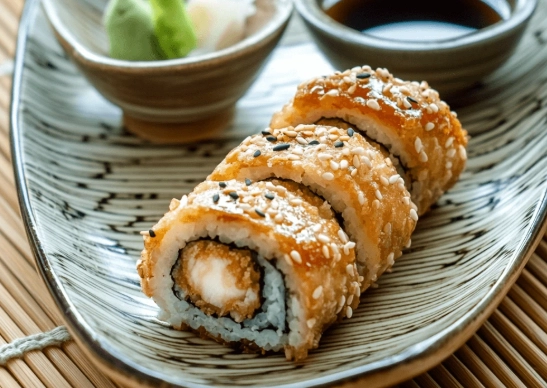
The Classic (Koromo): Just flour, ice water, maybe egg yolk. The purest expression. Its success relies entirely on your frying technique.
The Crispier Modern: Adding a tablespoon of cornstarch or potato starch to the flour. This inhibits gluten formation even more and can enhance crispness. Some people swear by a splash of sparkling water instead of still water for extra air bubbles.
The Flavor-Boosted Batter: This is where you can get creative for your chicken tempura. Consider mixing into your dry ingredients:
- A teaspoon of finely ground sesame seeds.
- A pinch of shichimi togarashi (Japanese seven-spice) or cayenne.
- A tablespoon of grated ginger or garlic powder (use sparingly).
Remember, the batter should complement, not overwhelm. The star is still the combination of crisp tempura and juicy chicken.
Beyond the Basics: Leveling Up Your Tempura and Chicken
Once you've mastered the standard version, the world opens up.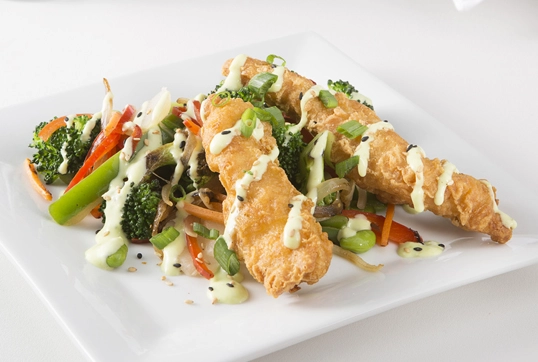
Marinating the Chicken: Before drying and battering, give your chicken pieces a 30-minute soak in a simple marinade. Soy sauce, sake, and a touch of mirin is classic. Buttermilk works too, though it's less traditional – just be absolutely sure to rinse and pat it completely dry afterward. This adds a layer of flavor right into the meat.
Karaage vs. Tempura: People often confuse these. Karaage is Japanese fried chicken where the chicken is typically marinated in soy, sake, and ginger, then coated in potato starch or flour and fried. The coating is thin but solid and craggy. Tempura coating is the distinct lacy web. Both are amazing, but they're different techniques. You could do a hybrid – a quick marinade, then the tempura batter – which is fantastic.
Oven "Tempura"? I've tried it. Let's be honest, it's not the same. The convective heat and dry air of an oven can't replicate the instant seal and rapid bubble formation of hot oil. You get something baked with a crispy topping, which can be tasty, but don't call it tempura. An air fryer gets closer because of the powerful convection and spray of oil, but even then, the texture differs. For the real deal, oil is the way.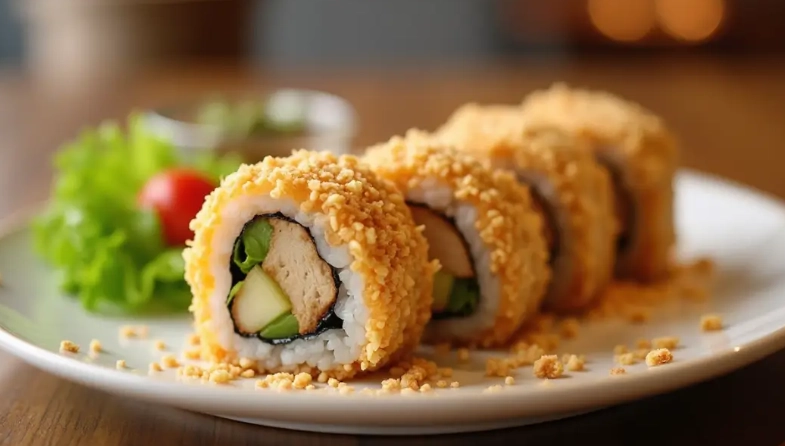
The Perfect Partners: Sauces and Sides
Tempura and chicken is rarely served naked. The dipping sauce is part of the ritual.
Tentsuyu (Classic Tempura Dipping Sauce): This is the standard. It's easy to make:
- 1 cup dashi (you can use instant dashi powder)
- 3 tbsp soy sauce
- 2 tbsp mirin
- 1 tsp sugar (optional)
Simmer for a minute to dissolve the sugar. Serve warm or at room temperature with a pile of grated daikon radish on the side. You dip the tempura chicken, let the excess drip off, and eat. The daikon adds a refreshing bite that cuts the richness.
Alternatives: Sometimes, simplicity is best. A wedge of lemon and a sprinkle of sea salt is a brilliant way to enjoy truly excellent chicken tempura, letting the natural flavors shine. For a creamy twist, a Japanese-style spicy mayo (kewpie mayo with sriracha and a dash of soy) is addictive, if less traditional.
What to Serve With It:
- Steamed Rice: The ultimate companion. The plain rice balances the savory, fried goodness.
- Simple Salad: A crisp, vinegar-based salad (like a sunomono cucumber salad) provides a clean, acidic contrast.
- Miso Soup: Starts the meal off right and fits the Japanese theme perfectly.
Troubleshooting Common Tempura and Chicken Problems
Even with a guide, things can go sideways. Here's how to diagnose and fix common issues.
Problem: The batter is thick, doughy, and absorbs oil.
Likely Cause: Overmixed batter, batter made too far in advance, or oil temperature too low.
Fix: Mix batter less. Make it last minute. Use a thermometer and ensure oil is hot enough before adding chicken.
Problem: The batter slides off the chicken in the oil.
Likely Cause: Chicken wasn't dry enough, or you handled the battered piece too much before dropping it in.
Fix: Pat chicken aggressively dry. Dip, let excess drip for a second, and gently lower into oil—don't toss it.
Problem: The chicken is cooked but the coating is pale.
Likely Cause: Oil temperature was too low throughout, or you skipped the second higher-temp fry.
Fix: Use the two-stage frying method. The second fry at higher heat is crucial for color and final crispness.
Problem: The tempura gets soggy minutes after coming out of the oil.
Likely Cause: Draining on paper towels instead of a rack, or covering/stacking the pieces while hot.
Fix: Always drain on a wire rack set over a sheet pan. This allows air to circulate all around. Never cover it. Eat it as soon as possible – tempura is an immediate food.
Frequently Asked Questions About Tempura and Chicken
- Using wet chicken.
- Overmixing the batter.
- Making the batter early.
- Frying at too low a temperature.
- Crowding the pot.
- Draining on paper towels (use a rack!).
The journey to perfect tempura and chicken is one of practice and paying attention to details that seem small but make a huge difference. It's about embracing the cold batter, respecting the hot oil, and celebrating the incredible textural contrast you create. Start with boneless thighs, keep everything cold, get your oil hot, and don't overthink it. That first bite of homemade, lacy-crisp, juicy chicken tempura is a reward worth the effort. Now go turn your kitchen into a tempura bar.
Reader Comments