If you've ever had Inari sushi, that sweet pouch of fried tofu cradling seasoned rice, you've met aburaage. But this ingredient is so much more than just a sushi wrapper. It's a sponge for flavor, a textural marvel, and a cornerstone of Japanese home cooking that deserves a permanent spot in your pantry. Forget the bland, rubbery tofu stereotypes. Aburaage is the fun, versatile, and deeply satisfying member of the tofu family.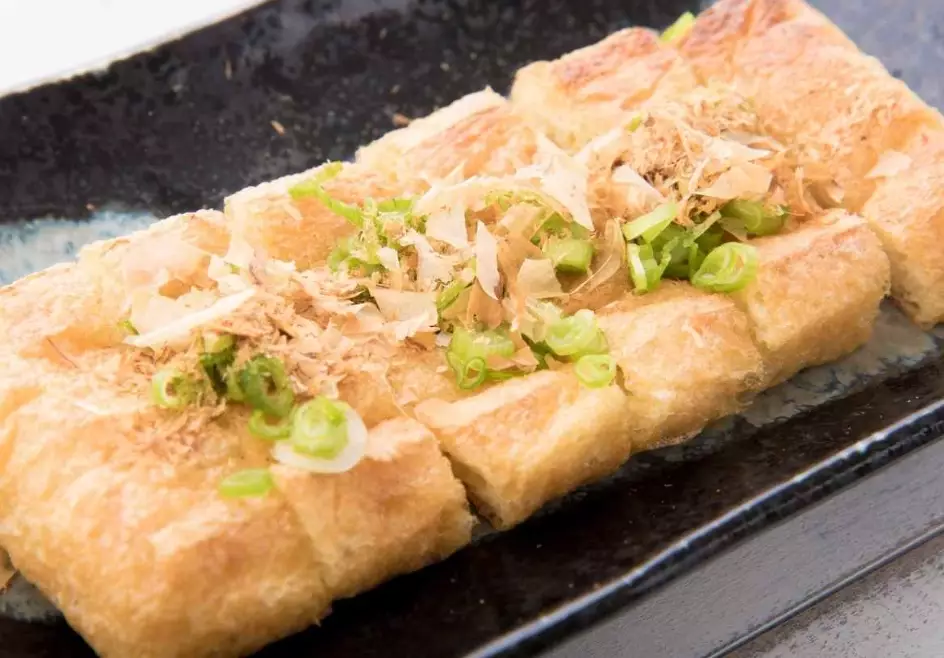
Quick Navigation
What Exactly is Aburaage?
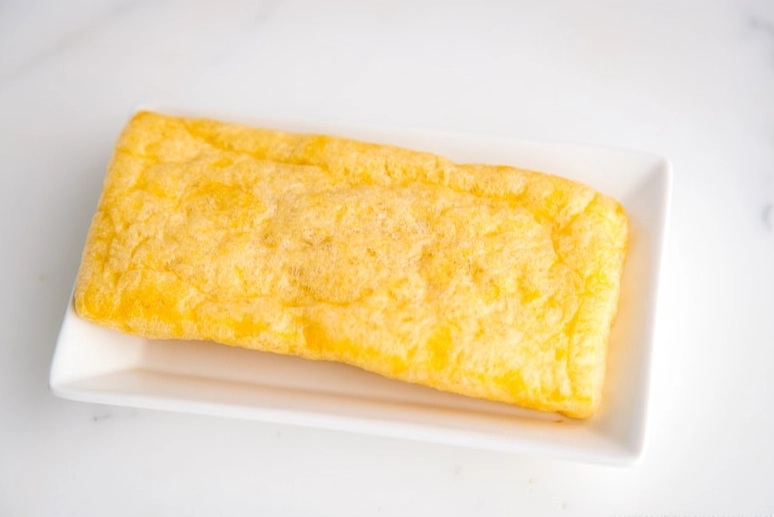
Aburaage (油揚げ) translates directly to "fried thing." It starts as thin sheets of tofu, which are then deep-fried not once, but twice. The first fry sets the structure, and the second fry, at a higher temperature, makes it puff up like a pillow, creating those signature air pockets inside. This process is the magic trick. Those pockets are what make aburaage a flavor magnet, eagerly soaking up broths, sauces, and seasonings.
You'll find it sold in two main forms: atsu-age (thick-fried), which are chunky rectangles often used in stews, and the more common aburaage (thin-fried), which are the square or rectangular pouces used for Inari. For Inari sushi, they're often pre-sliced into pockets and sometimes even pre-seasoned—a huge time-saver.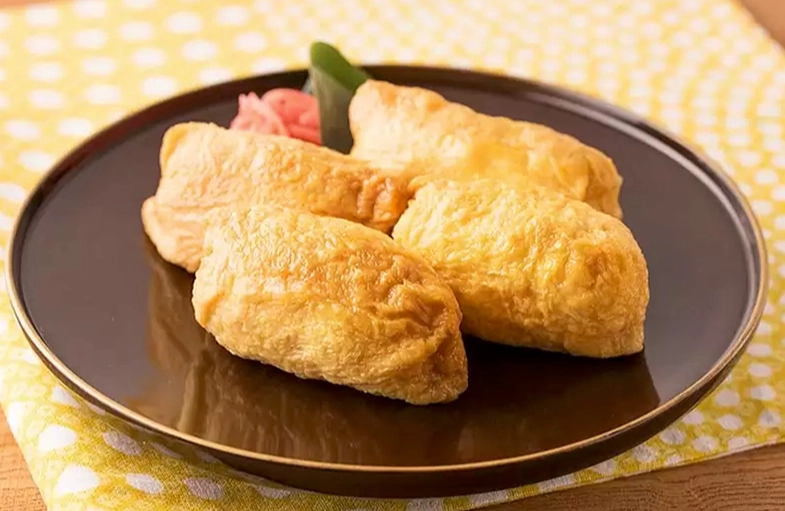
Finding and Choosing the Best Aburaage
Your local Asian grocery store is the best bet. Check the refrigerated tofu section or the freezer aisle. I've had good luck with brands like House Foods or Morinaga. If you're in a city with a Japanese market, you're in for a treat.
Top Tokyo Shops for Aburaage Enthusiasts
If you ever find yourself in Tokyo, these specialty shops elevate aburaage to an art form. It's a different experience entirely from the supermarket pack.
| Shop Name | Location/Nearest Station | What Makes It Special | Price Point & Hours |
|---|---|---|---|
| Kameya (亀屋) | Asakusa, Tokyo. A 5-min walk from Asakusa Station. | An iconic, century-old shop. They fry fresh aburaage multiple times a day. The aroma alone is worth the trip. Their aburaage is less oily, with a delicate, almost nutty sweetness. Perfect for eating as-is with a dash of soy sauce. | ¥300-¥500 per pack. Open 9:00 AM - 6:00 PM, closed Wednesdays. |
| Tsurube (つるべ) | Ningyocho, Tokyo. Short walk from Ningyocho Station (Hibiya Line). | Famous for their "Inari-age"—aburaage specifically pre-cut and simmered in a secret, perfectly balanced sweet-savory broth. You can buy it ready-to-stuff. It spoils fast, but the flavor is unmatched. | ¥400-¥600 for pre-seasoned packs. Open 10:00 AM - 7:00 PM, closed Sundays. |
Buying from these places ruined supermarket aburaage for me for a while. The freshness and lack of preservatives make a world of difference. But for daily cooking, the grocery store version is perfectly fine.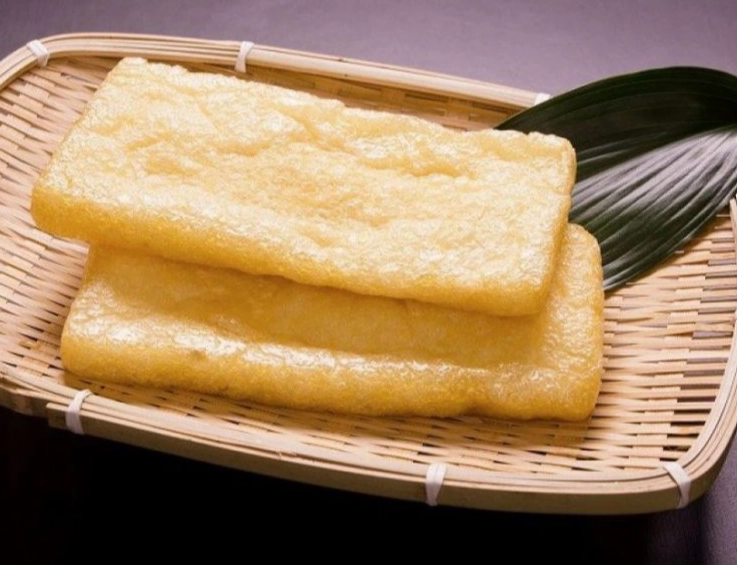
How to Make Perfect Inari Sushi (Inarizushi)
This is the gateway dish. It seems simple, but a few small mistakes can lead to soggy pouches or bland rice. Here's my method, refined after a few disappointing batches.
Step 1: Preparing the Aburaage Pouches
This is the most critical step. If you skip it, your Inari will be greasy and heavy.
- Pour boiling water over the aburaage pouches in a colander. This isn't just to remove oil; it washes away the strong fried odor.
- Gently squeeze each pouch. Don't tear them, but get out as much water as you can. Lay them on a paper towel.
- In a pan, combine 1 cup dashi, ¼ cup soy sauce, ¼ cup mirin, and 3 tablespoons sugar. Bring to a simmer.
- Add the pouches, place a drop-lid (otoshibuta) or a circle of parchment paper directly on the surface, and simmer on low for 15-20 minutes until the liquid is mostly absorbed.
- Let them cool in the pot. This slow cooling lets the flavor penetrate deeply.
The common error? Rushing the simmer or using too high heat. You want a gentle bubble, not a rolling boil.
Step 2: The Sushi Rice (Shari)
Forget fancy vinegared rice for chirashi. Inari rice is simpler. Cook short-grain Japanese rice. For 2 cups cooked rice, gently fold in a mixture of 2 tablespoons rice vinegar, 1 tablespoon sugar, and ½ teaspoon salt while the rice is still warm. Some people add toasted sesame seeds or shredded carrots for color. I like mine plain to let the aburaage shine.
Step 3: Assembly and Pro Tips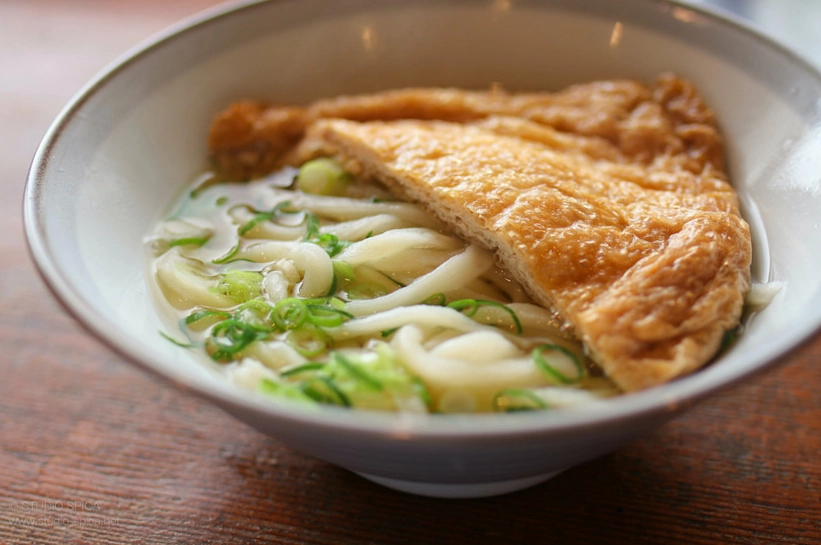
Gently open the cooled pouches with your fingers. Stuff them loosely with rice—about two-thirds full. Don't pack it tight, or they'll burst. The rice will expand. You can leave the top open or fold the edges over slightly.
My non-consensus tip: Let the assembled Inari sit for 30 minutes before serving, covered with a damp cloth. This lets the rice absorb a hint of the pouch's seasoning, marrying the flavors. Serve at room temperature.
The Ultimate Project: Making Aburaage from Scratch
Yes, you can do this. It's a project for a rainy afternoon, and the result is revelatory—lighter, less oily, and customizable in thickness. You need fresh, firm tofu, a lot of paper towels, and a good thermometer.
- Press the tofu: Wrap a block of firm tofu in paper towels, place it on a plate, and put a heavy pan on top. Press for at least 1 hour to remove as much water as possible. Change the towels halfway.
- Slice: Cut the pressed tofu into thin slices, about ¼-inch thick. Blot them dry again.
- First Fry: Heat neutral oil (like canola) to 250°F (120°C). Fry the slices for 8-10 minutes until they firm up and develop a thin skin. They won't puff yet. Drain on a rack.
- Second Fry (The Puff): Crank the oil heat to 400°F (200°C). Fry the slices again for 1-2 minutes until they balloon and turn golden brown. This happens fast. Drain immediately.
- Slice into Pouches: While still warm, slice three sides of each puffed piece to create a pocket. Be careful, it's hot.
It's messy. Your kitchen will smell like a fry shop. But the texture is incredible—airy and crisp, not dense. Use it immediately in your Inari recipe, skipping the boiling water step.
Beyond Inari: Other Ways to Use Aburaage
Limiting aburaage to Inari is like only using cheese on pizza. Its applications are endless.
- Miso Soup: Cut into thin strips and add to the broth. It soaks up the miso flavor beautifully.
- Kitsune Udon: The namesake dish. A bowl of udon noodles topped with a seasoned aburaage pouch. "Kitsune" means fox, and folklore says foxes love fried tofu.
- Simmered Dishes (Nimono): Add it to dishes simmered with root vegetables, konnyaku, and chicken. It acts like a flavor sponge in the pot.
- Salad Topper: Cut into small squares, re-crisp in a toaster oven or pan, and use as a crunchy, protein-rich salad topping instead of croutons.
- Quick Snack: My favorite lazy snack: a warm, seasoned aburaage pouch straight from the simmering pot, maybe with a tiny sprinkle of shichimi togarashi.
Is Aburaage Healthy? Nutrition and Benefits
Because it's fried, people often dismiss it. That's a mistake. According to the USDA FoodData Central, aburaage is packed with protein—about 10-15 grams per 3-ounce serving. It's a complete plant-based protein, containing all essential amino acids.
It's also a good source of calcium and iron. Yes, it has fat from frying, but it's primarily unsaturated fat. The key, as with all good things, is moderation. Using it as a flavor carrier in soups or with vegetables stretches its rich taste without needing to eat a lot of it. Compared to processed meat alternatives, it's a whole-food ingredient with a simple ingredient list: soybeans, water, and a coagulant.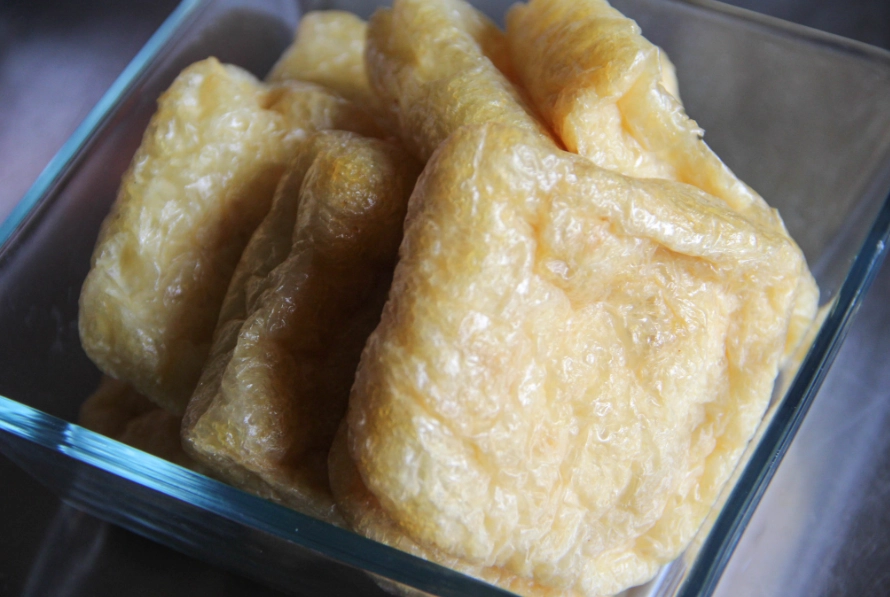
Your Aburaage Questions, Answered
 I'm vegetarian/vegan. Are all aburaage products safe to use?
Reader Comments