You're halfway through a perfectly crafted futomaki roll. The rice is seasoned just right, the nori has a satisfying snap, and then you bite into a strip that's subtly sweet, pleasantly chewy, and utterly unique. It's not cucumber, it's not avocado. What is it? If you've ever asked yourself that question, you've met kampyo. Far from just a filler, this seasoned gourd ribbon is a cornerstone of traditional sushi, offering a texture and flavor profile you won't find anywhere else. Let's peel back the nori and discover everything about this underrated sushi staple.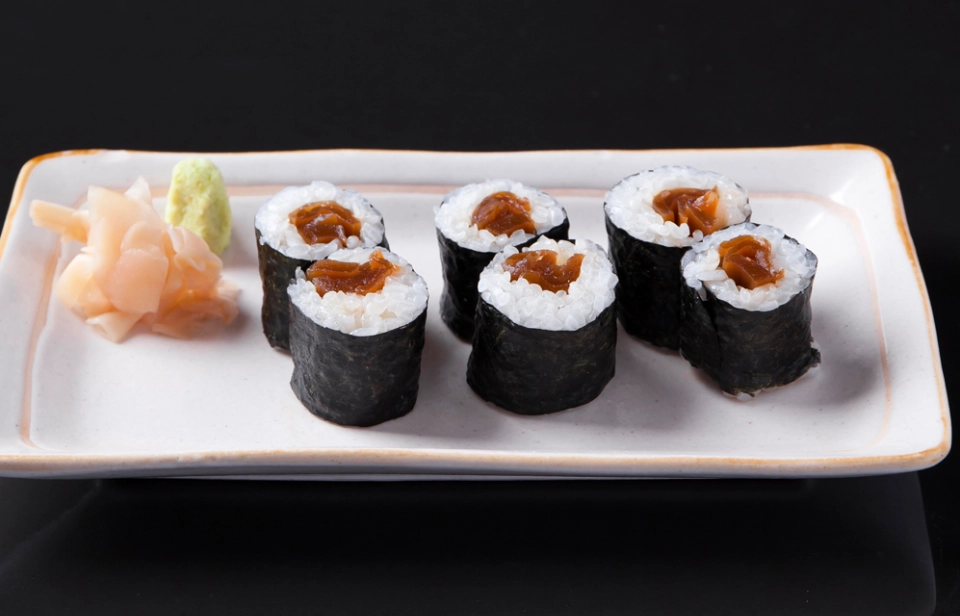
Your Quick Guide to Kampyo
What Exactly is Kampyo?
At its core, kampyo (かんぴょう, 干瓢) is dried strips of the calabash gourd, specifically the Lagenaria siceraria variety. Think of it as the Japanese answer to sun-dried tomatoes. The fresh gourd, called fukube, is harvested, peeled into long, thin ribbons, and then meticulously dried. This process concentrates its mild flavor and transforms its texture into something that can be rehydrated and seasoned to become the delightful component we find in sushi.
It's a preservation method with centuries of history in Japan. Before modern refrigeration, drying vegetables like gourds was essential for having food supplies year-round. What started as a necessity evolved into a cherished culinary tradition. Today, kampyo is celebrated not just for its longevity but for the unique sweet-savory taste and satisfying chew it brings to dishes.
Not Just for Sushi
While we're focusing on sushi here, kampyo's versatility is often overlooked. In Japanese home cooking, rehydrated kampyo is a key ingredient in chikuzenni (a simmered chicken and vegetable dish), used in soups, and even tied into knots as a symbolic garnish for celebratory meals. Its ability to absorb flavors from broths and sauces makes it a fantastic, low-cost textural element.
From Gourd to Gourmet: How Kampyo is Made
The journey from a humble gourd to the shiny strip in your sushi is a fascinating blend of agriculture and craftsmanship. It's mostly produced in Tochigi Prefecture, north of Tokyo, which boasts ideal climate and soil conditions.
The Traditional Drying Process
After harvest, the gourds are washed, peeled into continuous ribbons (often by skilled workers using special hand tools), and then hung outdoors on long racks to dry in the sun and wind. This natural drying can take several days and is weather-dependent. The ribbons lose most of their moisture, shrinking significantly and becoming hard, pale strips. This is the form you'll often find in packages at Asian grocery stores – it's shelf-stable for a long time.
The Seasoning Transformation
This is where the magic happens for sushi. The dried kampyo must be rehydrated in water until pliable, usually for 15-30 minutes. Then, it's simmered in a seasoned broth. The classic seasoning mix includes:
- Soy sauce for umami and color.
- Mirin and sugar for the characteristic sweet gloss.
- Dashi (Japanese soup stock, often from kelp and bonito flakes) for a deep savory base.
It simmers until the liquid is mostly absorbed, leaving the kampyo tender, flavorful, and with a slight sheen. The balance here is crucial – too much sugar and it becomes cloying; too much soy and it overpowers the delicate sushi rice.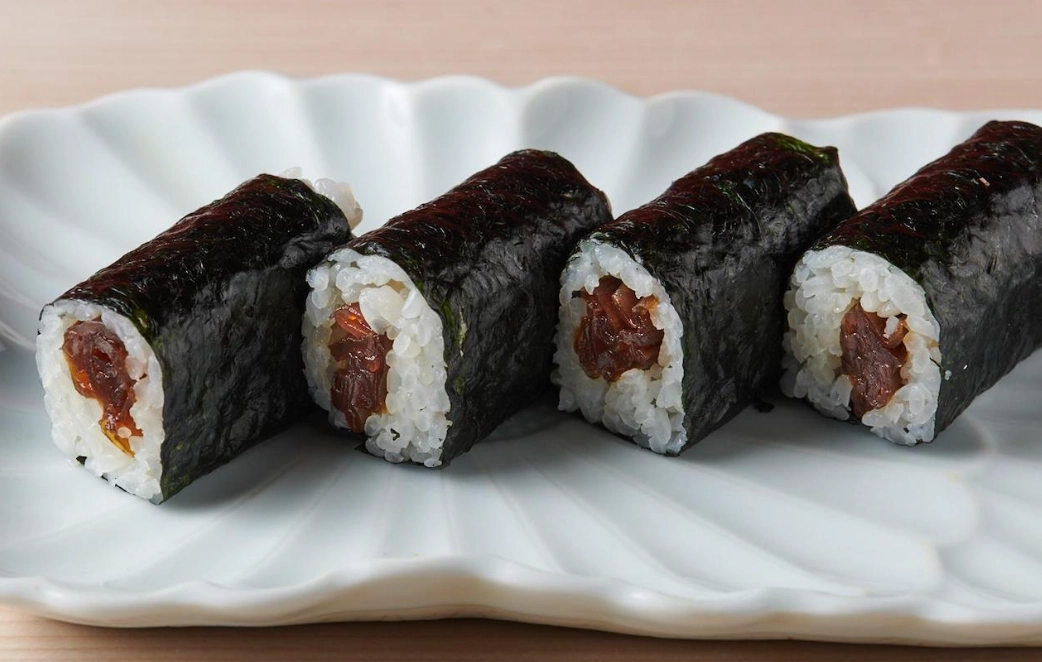
The Role of Kampyo in Sushi
Kampyo isn't a random add-in. It serves specific, thoughtful purposes in sushi construction.
Texture Contrast: Sushi is a game of textures. The soft rice, the crisp nori, the creamy avocado or firm fish. Kampyo introduces a distinct, resilient chew that holds its own against other ingredients. It never gets mushy.
Flavor Bridge: Its sweet-savory profile acts as a flavor bridge. It can complement the brininess of seafood or balance the richness of ingredients like egg (tamagoyaki) in a roll. In vegetarian rolls, it's often the star flavor component.
Structural Integrity: When rolled tightly, seasoned kampyo helps bind the fillings together, making the roll easier to cut and eat without everything falling apart.
You'll most commonly find it in Futomaki (the thick, traditional rolled sushi often served during festivals) and Kappamaki (the cucumber roll, though some versions include kampyo). It's a hallmark of old-school, Edo-style sushi.
How to Prepare and Season Kampyo at Home
Want to try your hand at it? Making restaurant-style kampyo at home is straightforward. Here's my go-to method, refined after a few too-salty batches early on.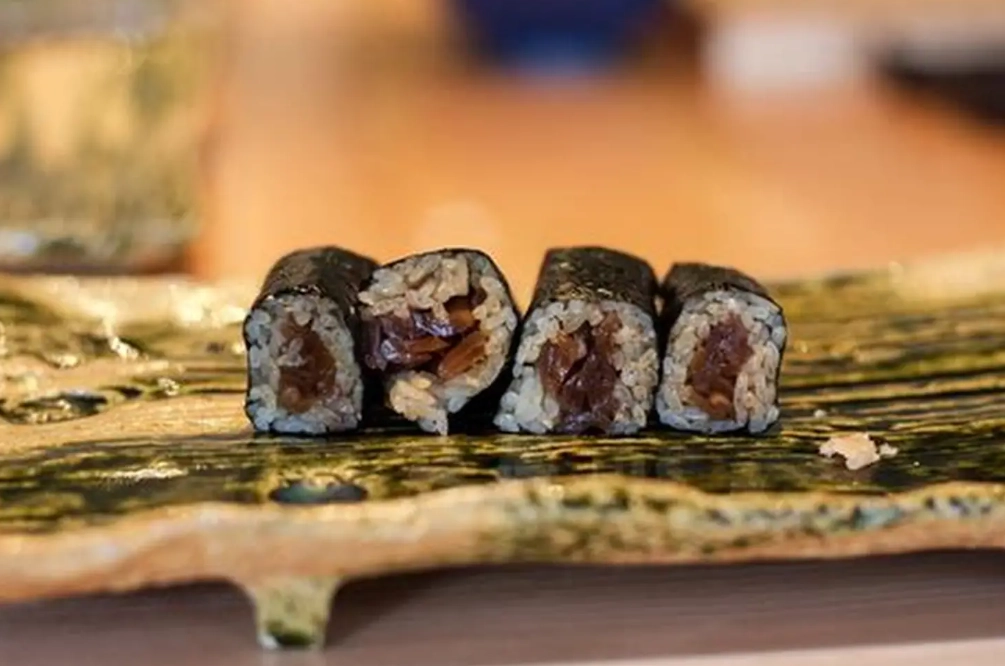
1. Find the Dried Stuff: Look for a package of dried kampyo in the Japanese/Asian section of a well-stocked supermarket, a dedicated Asian grocery, or online. A 50g bag costs around $5-$8 and will make a lot of seasoned kampyo.
2. Rehydrate: Take a small handful (about 10g for a few rolls). Rinse under cold water to remove any dust. Soak in a bowl of lukewarm water for 20-30 minutes until fully softened and pliable. It will expand quite a bit.
3. The Simmer: Drain and gently squeeze out excess water. In a small saucepan, combine 1 cup of water, 2 tablespoons of soy sauce, 2 tablespoons of sugar, and 2 tablespoons of mirin. Add the kampyo. Bring to a simmer over medium heat, then reduce to low. Let it cook gently for 15-20 minutes, stirring occasionally, until the liquid is nearly gone and the kampyo looks glossy.
4. Cool and Use: Let it cool in the pan. It's now ready to use in your sushi rolls. Store any leftover seasoned kampyo in an airtight container in the fridge for up to a week.
My "Don't Do This" Tip
The biggest mistake I see home cooks make is boiling the kampyo vigorously in the seasoning. A hard boil makes the strands tough and rubbery instead of tender-chewy. Keep it at a gentle, lazy simmer. Patience is key. Also, taste the simmering liquid – it should be pleasantly sweet-salty, not overpowering. Remember, it will be eaten with rice.
Buying and Storing Kampyo
You have two main options: the DIY route or the convenience route.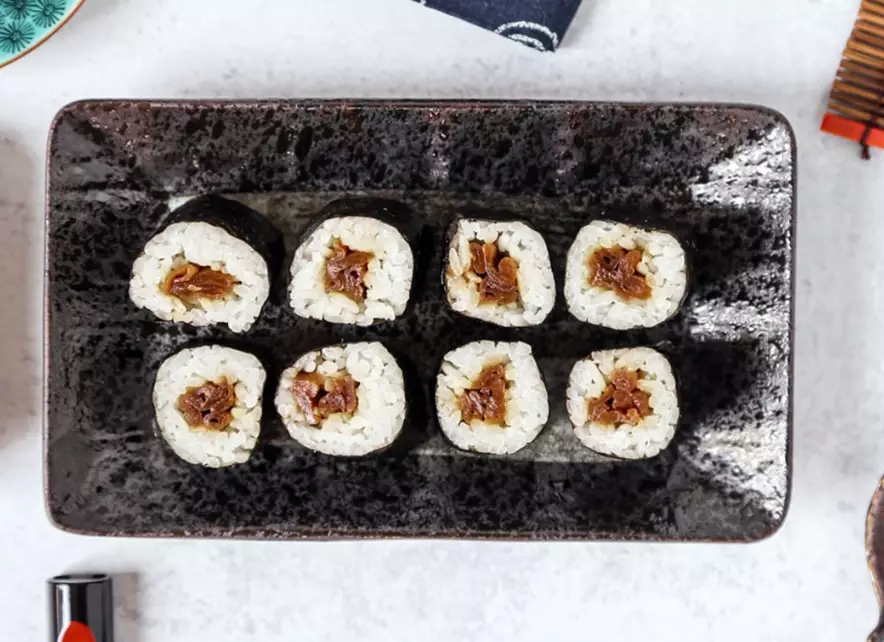
Dried Kampyo: This is the most common and economical find. Look for pale, cream-colored strips. Store the unopened package in a cool, dark pantry. Once opened, transfer to an airtight container. It will keep for months, if not years.
Pre-Seasoned Kampyo: Some Japanese markets sell vacuum-sealed packs of ready-to-use, seasoned kampyo. It's a fantastic time-saver. Just open, drain any excess liquid, and use. Check the ingredient list – the best ones use natural seasonings. Once opened, treat it like a perishable and use within a few days.
If you're in a major city with a Japantown or a dense cluster of Japanese restaurants, your local supermarket in that area is your best bet. Online retailers like Amazon or specialty Japanese food websites are reliable sources if you can't find it locally.
Your Kampyo Questions Answered
 Can I substitute kampyo with something else in a sushi recipe?
So, the next time you spot that tan, shiny ribbon in your sushi, you'll know you're looking at kampyo – not just a filler, but a piece of Japanese culinary history that adds a signature sweet chew to every bite. It's a quiet champion of the sushi world, and understanding it makes the experience of eating sushi that much richer.
Reader Comments