Quick Guide
- Deconstructing the Classic: The Core Ingredients and Their Roles
- Your Go-To Beef Tataki Sauce Recipes: From Classic to Creative
- Choosing Your Weapons: Ingredients Matter More Than You Think
- Common Pitfalls and How to Dodge Them
- Answering Your Beef Tataki Sauce Questions
- Taking It Further: Pairing Sauce with Beef Cuts
Let's be honest here. You can have the most perfectly seared, thinly sliced beef tataki, but if you dunk it in a mediocre sauce, the whole experience falls flat. It's like watching a great movie with terrible sound. The beef tataki sauce isn't just an afterthought; it's the co-star, the flavor conductor that brings the melody of umami, acidity, sweetness, and aroma into harmony with the meat.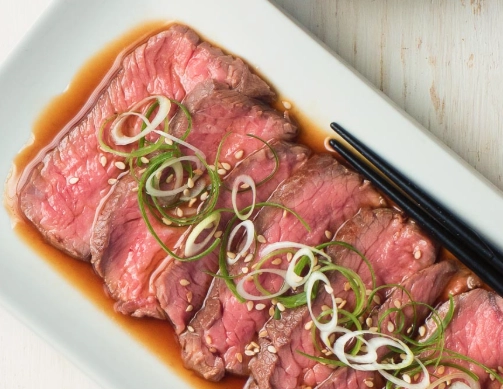
I remember the first time I tried to whip up a beef tataki sauce. I figured, how hard could it be? Soy sauce, some citrus, maybe a bit of sugar. The result was a harsh, one-dimensional salty liquid that completely overpowered the delicate beef. It was a lesson learned the hard way. A great sauce should complement, not conquer.
So, what exactly are we talking about when we say "beef tataki sauce"? At its core, it's a Japanese-inspired, often citrusy and savory dipping sauce or dressing designed specifically for beef tataki—that dish of lightly seared (often rare) beef, chilled, and sliced paper-thin. But within that simple definition lies a universe of flavor possibilities.
Deconstructing the Classic: The Core Ingredients and Their Roles
Every great build starts with understanding the bricks. Let's break down the usual suspects you'll find in a traditional beef tataki sauce recipe and talk about what each one *really* does. It's not just about adding them; it's about knowing why they're there.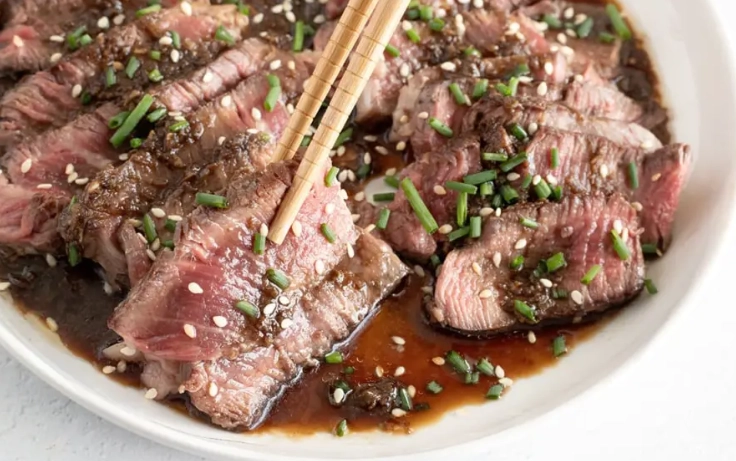
Soy Sauce: The Salty, Umami Backbone
This is your foundation. But not all soy sauces are created equal. Using a cheap, overly harsh soy sauce is the first mistake many home cooks make. For a beef tataki sauce, you want a good-quality Japanese soy sauce (shoyu). It's generally less salty and more rounded in flavor than some Chinese varieties. It provides the deep, savory umami punch that forms the base of the flavor profile. If you're feeling adventurous, a splash of tamari (gluten-free soy sauce) can add an even richer, less acidic umami note. The USDA doesn't regulate soy sauce flavor, but choosing a reputable brand matters.
Citrus: The Bright, Acidic Lift
This is what cuts through the richness of the beef and wakes up your palate. Freshly squeezed citrus juice is non-negotiable. Bottled juice has that cooked, flat taste that will deaden your sauce.
- Yuzu: The holy grail. It's aromatic, complex, with notes of grapefruit, mandarin, and lime. It's also expensive and often hard to find fresh. Bottled yuzu juice (100% juice, not "flavor") is a good compromise.
- Ponzu: A brilliant shortcut. Ponzu is *already* a citrus-soy sauce blend (usually with yuzu or sudachi). Using it as a base for your beef tataki sauce adds instant complexity. Just be mindful of its salt content when adding extra soy sauce.
- Lime or Lemon: The reliable workhorses. Fresh lime juice brings a sharp, clean acidity. Lemon is a bit mellower. They both work fantastically well and are easy to find.
Why does the citrus matter so much? It's not just sourness. The aromatic oils in the zest (if you use it) and the specific acid profile balance the fat in the beef perfectly.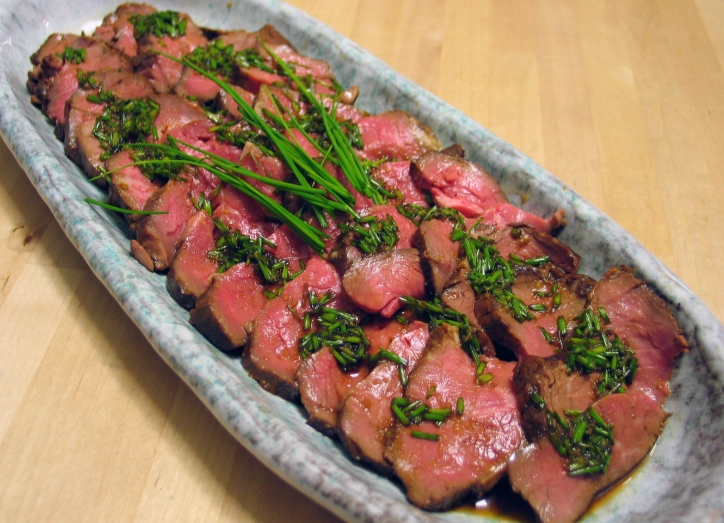
The Sweet Element: Rounding Out the Edges
A touch of sweetness is crucial. It mellows the sharp saltiness of the soy and the bite of the citrus, creating a rounder, more sophisticated flavor. It shouldn't taste sweet, just balanced.
- Mirin: The classic choice. Sweet Japanese rice wine. It adds a gentle, nuanced sweetness and a slight alcoholic lift that cooks off. Use hon mirin (true mirin) if you can find it, not "aji-mirin" which is just corn syrup and flavoring.
- Sugar: Simple, effective. White sugar, brown sugar, or even cane sugar. It dissolves easily.
- Honey or Agave: These add sweetness along with their own distinct flavors. Honey can be floral, which is nice. They can also make the sauce a bit thicker.
The Aromatics: Adding Layers and Personality
This is where you can really make the beef tataki sauce your own. These ingredients add fragrance, heat, and texture.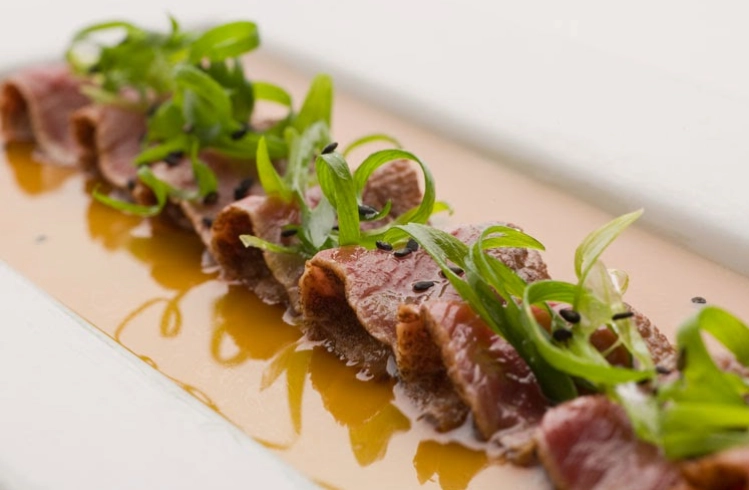
- Fresh Ginger: Grated or very finely minced. It adds a warm, spicy, clean fragrance that is quintessentially Japanese and pairs magically with beef.
- Garlic: Finely grated or crushed. Use it sparingly—it's a supporting actor, not the lead. It adds a savory depth.
- Scallions/Green Onions: The green parts, finely sliced. They add a fresh, oniony crunch and a pop of color.
- Toasted Sesame Seeds: A sprinkle on top or mixed in. They add a nutty aroma and a pleasant textural contrast.
- Chili (Togarashi or Fresh): A pinch of shichimi togarashi (Japanese seven-spice) or a few slices of fresh red chili can add a subtle warmth that builds as you eat.
Your Go-To Beef Tataki Sauce Recipes: From Classic to Creative
Alright, enough theory. Let's get mixing. Here are three foundational recipes for beef tataki sauce, starting with the one you're most likely searching for.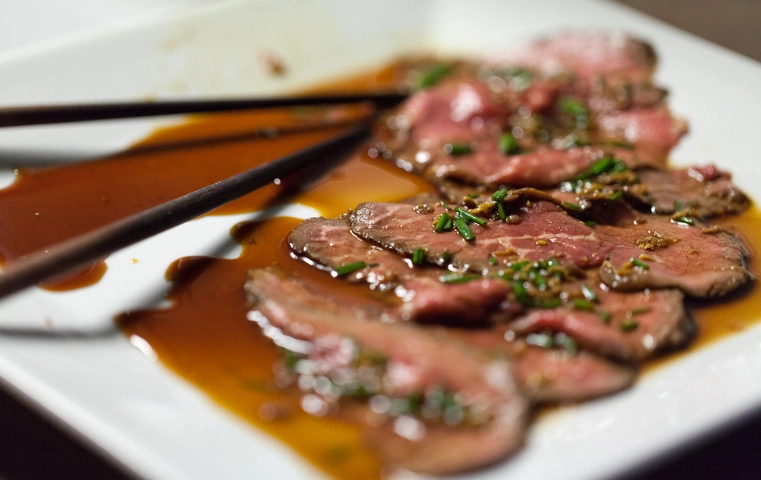
The Foundational Classic Recipe
This is your baseline, the "little black dress" of beef tataki sauces. It's reliable, elegant, and lets the quality of your beef shine.
Ingredients:
- 1/4 cup (60 ml) Japanese soy sauce
- 2 tablespoons fresh lime or lemon juice (about 1 lime)
- 1 tablespoon mirin
- 1 teaspoon sugar
- 1 teaspoon fresh ginger, finely grated
- 1 small garlic clove, finely grated (optional)
- 1 tablespoon finely sliced scallion greens
- 1 teaspoon toasted white sesame seeds
Method: It could not be simpler. Just whisk everything together in a small bowl until the sugar dissolves. Taste. Does it need a tiny bit more citrus? A drop more mirin? Adjust to your liking. Let it sit for at least 15 minutes before serving to let the flavors marry. This resting time is secretly important.
The Quick & Lively Ponzu-Based Sauce
Short on time or ingredients? This is your savior. Using a good-quality ponzu as a base gives you a complex, restaurant-quality beef tataki sauce in under two minutes.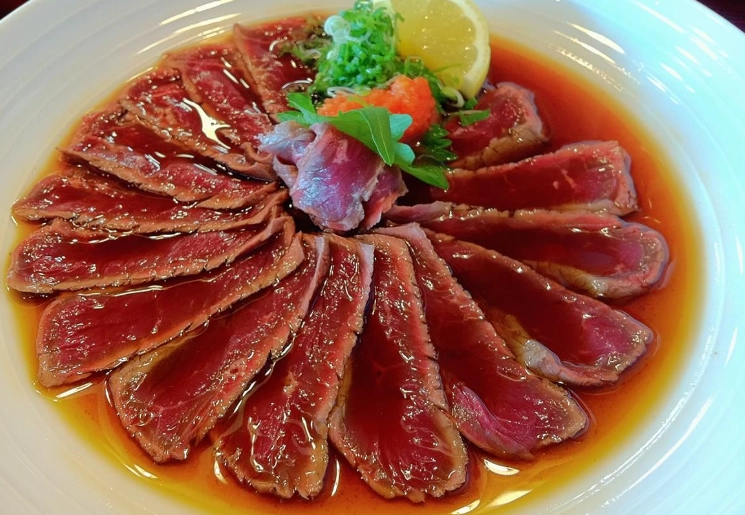
Ingredients:
- 1/3 cup (80 ml) good-quality ponzu sauce
- 1 tablespoon mirin or 1/2 teaspoon sugar
- 1/2 teaspoon fresh ginger, grated
- 1 tablespoon sliced scallions
- A few drops of sesame oil (careful, it's strong!)
Method: Stir. Really, that's it. The ponzu has already done the heavy lifting of blending soy and citrus. You're just customizing it. The sesame oil adds a deep, toasted aroma that works incredibly well with beef.
The Rich & Nutty Sesame Miso Variation
Want something richer, creamier, and a bit more substantial? This version uses miso and sesame paste to create a sauce that's almost a dressing. It clings to the beef beautifully.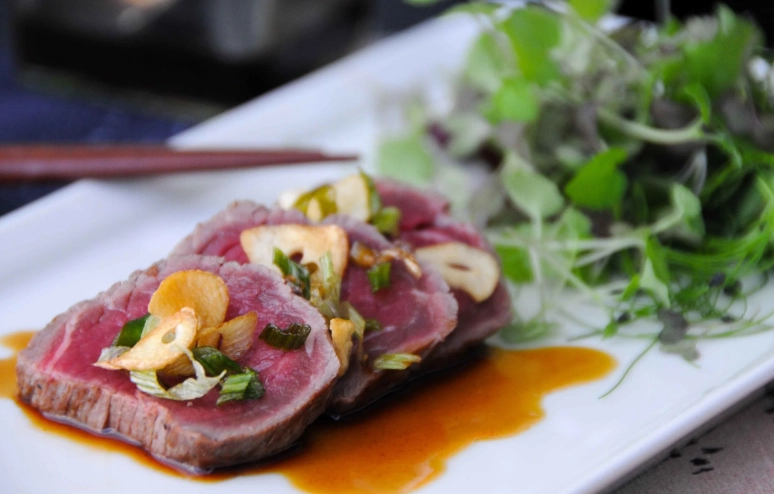
Ingredients:
- 2 tablespoons white (shiro) miso paste
- 1 tablespoon tahini (sesame paste) or 2 tablespoons toasted sesame seeds ground into a paste
- 2 tablespoons rice vinegar
- 1 tablespoon soy sauce
- 1 tablespoon mirin
- 1 teaspoon sugar
- 1 teaspoon grated ginger
- 1-2 tablespoons water, to thin to desired consistency
Method: Whisk the miso, tahini, vinegar, soy, mirin, and sugar together until smooth. It might be thick. Whisk in the ginger and then add water, a teaspoon at a time, until it's a nice, drizzle-able consistency. It should coat the back of a spoon. This one is less of a clear dipping sauce and more of a luxurious glaze.
Honestly, I prefer this version with slightly fattier cuts of beef. It stands up to them.
Choosing Your Weapons: Ingredients Matter More Than You Think
You can follow a recipe to the letter, but if your ingredients are lackluster, your beef tataki sauce will be too. Let's get picky.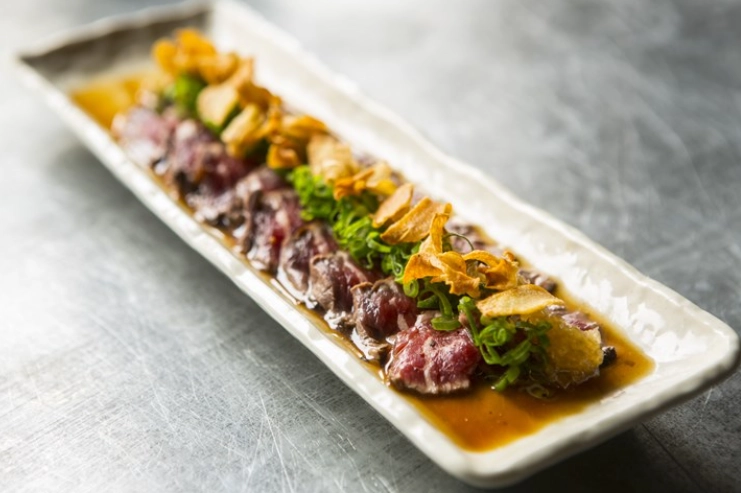
| Ingredient | The Best Choice (Why) | The Okay Choice | What to Avoid |
|---|---|---|---|
| Soy Sauce | Japanese Koikuchi Shoyu (e.g., Kikkoman, Yamaki). Balanced salt/umami. | Tamari (richer, gluten-free). Light Soy Sauce (less salty). | Generic "soy sauce," dark soy sauce (too strong). |
| Citrus | Freshly squeezed Yuzu, Lime, or Lemon. Vibrant, aromatic acidity. | 100% bottled Yuzu or Ponzu juice (as a base). | Bottled "Realemon"-type juice. Concentrates. |
| Sweetener | Hon Mirin (true mirin). Complex sweetness. | Brown sugar, honey, agave syrup. | Corn syrup, artificial sweeteners. |
| Ginger | Fresh root, grated at the last minute. Maximum zing. | Frozen grated ginger. | Jarred minced ginger in water (mushy, weak flavor). |
See the pattern? Fresh, authentic, and high-quality where it counts. You don't need to break the bank, but skimping on the core components is a false economy. A great beef tataki sauce is an investment in the whole dish's success.
Common Pitfalls and How to Dodge Them
I've messed up enough sauces to have a PhD in what not to do. Here’s the shortlist of classic beef tataki sauce failures and how to fix or avoid them.
Why it happens: Over-reliance on soy sauce without enough balancing elements. Using a very salty soy sauce brand. Not tasting as you go.
The Fix: Don't add more soy sauce at the end. Instead, try these salvagers:
- Dilute with a bit more citrus juice and a pinch of sugar.
- Add a splash of water or, even better, unsalted dashi stock. The Japanese Ministry of Agriculture, Forestry and Fisheries (MAFF) has great resources on dashi, the fundamental Japanese stock that underpins so much of its cuisine.
- Stir in a tiny bit of neutral oil to mellow it out.
Why it happens: Too high a ratio of liquid (soy, citrus) to other ingredients.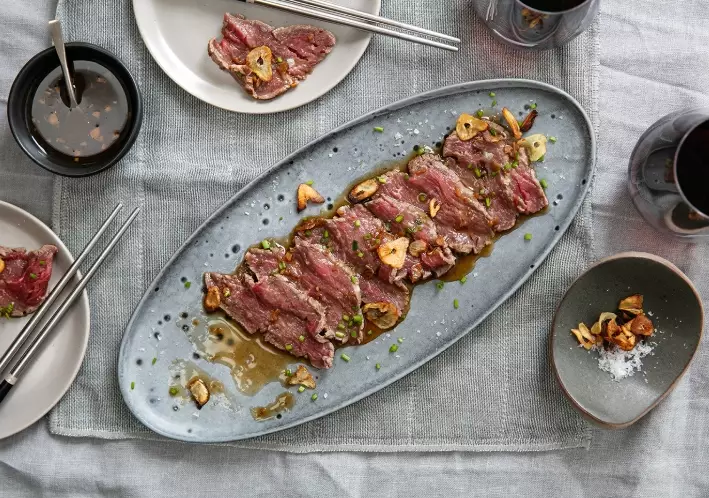
The Fix & Prevention:
- Use less soy sauce to start. You can always add more.
- Incorporate ingredients that add body: a bit of grated onion or daikon radish (which also adds a nice peppery note), a small spoonful of miso paste, or a touch of tahini.
- Serve it on the side in a small, deep dish for dipping, rather than drizzling over the top.
Why it happens: Lack of aromatic layers and not letting the sauce rest.
The Fix & Prevention: This is an easy win. Always include at least two aromatics (ginger + scallion, garlic + sesame). And for heaven's sake, let the sauce sit for 15-30 minutes after mixing. The difference between a just-mixed sauce and one that's rested is night and day.
Answering Your Beef Tataki Sauce Questions
Absolutely, and in many ways, you *should*. Making it a few hours ahead allows the flavors to develop fully. Store it in an airtight container in the fridge. The citrus juice will stay bright for a day. The ginger and garlic flavors will infuse beautifully. Just give it a good stir before serving. I wouldn't make it more than 2 days in advance, though, as the fresh aromatics can start to lose their vibrancy.
This seems trivial, but presentation affects the experience. Don't just pour it over the beautifully arranged beef tataki slices—you'll make them soggy. Instead, serve the sauce in a small, shallow bowl or ramekin on the side of the platter. Let each person dip their own slice, controlling how much sauce they get with each bite. Sometimes I even drizzle a tiny bit artistically around the edge of the plate and put the main serving vessel in the center. Looks fancy, stays functional.
Not at all. If you've used oil (like sesame oil) or a nut butter, it might separate when stored. Just whisk it vigorously again before serving. It's perfectly fine. If it's a vinegar/oil-based variation, a quick shake or whisk will re-emulsify it.
Oh, please do! A great beef tataki sauce is incredibly versatile. It's fantastic as:
- A dressing for cold soba noodles or a green salad (add a little more oil).
- A dipping sauce for gyoza or dumplings.
- A marinade for chicken or fish (reduce the salt slightly if marinating for long).
- A finishing drizzle over grilled vegetables like asparagus or broccoli.
Once you have a good base recipe, it becomes a staple in your fridge. I often make a double batch and use it throughout the week.
Taking It Further: Pairing Sauce with Beef Cuts
This might sound over-the-top, but matching your sauce style to your beef cut can elevate the meal from great to memorable. Different cuts have different fat contents, textures, and beefiness.
For Lean Cuts like Tenderloin/Filet Mignon: The beef is mild and tender. Use a lighter, more citrus-forward sauce like the **Classic Recipe** or the **Ponzu-Based** version. You don't want to overwhelm the delicate flavor.
For Richer Cuts like Ribeye or Strip Steak: These have more fat and beefy flavor. You can go bolder. The **Sesame Miso Variation** stands up to them beautifully. A sauce with a bit more ginger or a hint of chili can also cut through the richness.
Think of it as a partnership. A lean, elegant partner pairs well with a light, bright sauce. A richer, more robust partner can handle a sauce with more depth and weight. It's a simple concept that makes a real difference on the plate.
At the end of the day, making the perfect beef tataki sauce is about understanding a few basic principles of balance and then not being afraid to trust your own taste buds. The recipes here are roadmaps, not prison sentences. Start with the classic, get a feel for it, and then start tweaking. Add a bit more ginger if you love that bite. Use lemon instead of lime. Try a dash of chili oil. The goal is to create a sauce that makes *your* beef tataki sing. Because when that seared, cool, silky beef meets a sauce that’s just right? That’s not just eating. That’s an experience.
Reader Comments