I still remember my first tamago sando. It was at a tiny konbini in Shinjuku, past midnight, and I was starving. The fluffy eggs, the soft bread—it was like a hug in a plastic wrap. Since then, I've eaten hundreds, made dozens, and even messed up a few. Let's cut to the chase: if you're curious about tamago sando, you're in the right place. This guide isn't just a recipe list; it's everything I've learned from years of obsession, from making it at home to hunting down the best spots in Tokyo.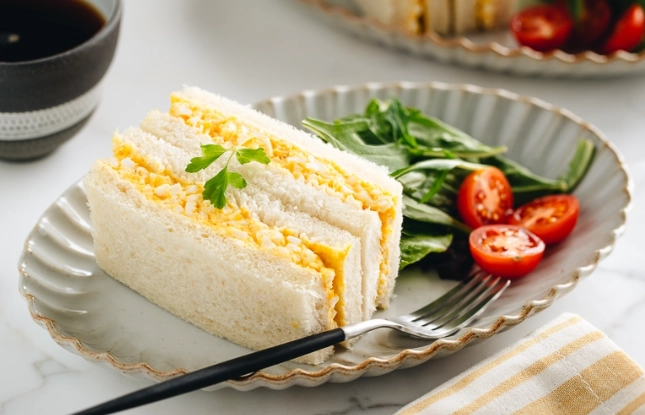
What's Inside This Guide
What is a Tamago Sando?
At its core, a tamago sando is a Japanese egg sandwich. But that's like calling sushi "raw fish"—it misses the magic. The eggs are scrambled with sugar, milk, and sometimes mayo, then sandwiched between soft, crustless white bread. It's sweet, savory, and incredibly fluffy. According to the Japan National Tourism Organization, it's a staple in convenience stores, but it's also found in cafes and specialty shops. The dish dates back to the early 20th century, influenced by Western-style sandwiches, but Japan made it its own with that unique egg texture.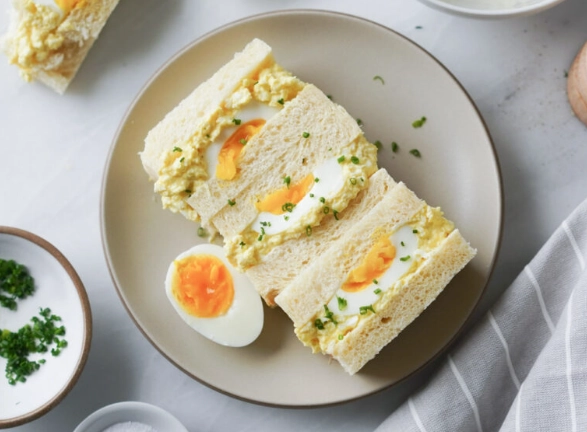
Why do people love it? It's cheap, filling, and portable. Perfect for a quick lunch or a snack. But the real appeal is in the details: the eggs should be just set, not rubbery, and the bread needs to be pillowy. Get it wrong, and you end up with a soggy mess. Get it right, and it's comfort food heaven.
Making Tamago Sando at Home: A Foolproof Recipe
I've seen so many recipes online that overcomplicate things. Here's my stripped-down version, tested more times than I'd like to admit. The key is patience—don't rush the eggs.
Ingredients You'll Need
- 4 large eggs
- 2 tablespoons milk (whole milk works best)
- 1 tablespoon sugar (adjust to taste; I use a bit less for a less sweet version)
- 1 tablespoon Japanese mayonnaise (like Kewpie—trust me, it makes a difference)
- Salt and pepper to taste
- 4 slices of soft white bread (shokupan, or Japanese milk bread, is ideal)
- Optional: a pinch of dashi powder for umami, but it's not essential
Step-by-Step Cooking Instructions
First, crack the eggs into a bowl. Add milk, sugar, mayo, salt, and pepper. Whisk until just combined—over-whisking can make the eggs tough. Heat a non-stick pan over medium-low heat. Pour in the egg mixture. Now, here's where most people go wrong: they crank up the heat. Keep it low. Stir gently with a spatula, folding the eggs as they set. It should take about 5-7 minutes until they're creamy but not wet. Remove from heat and let cool slightly.
While the eggs cool, trim the crusts off the bread if you want that classic look. I sometimes leave them on for extra texture. Spread the egg mixture evenly on two slices, top with the other slices, and press gently. Cut into triangles or rectangles. Serve immediately, or wrap in plastic wrap if you're packing it for later. The wrap helps keep the shape and prevents drying.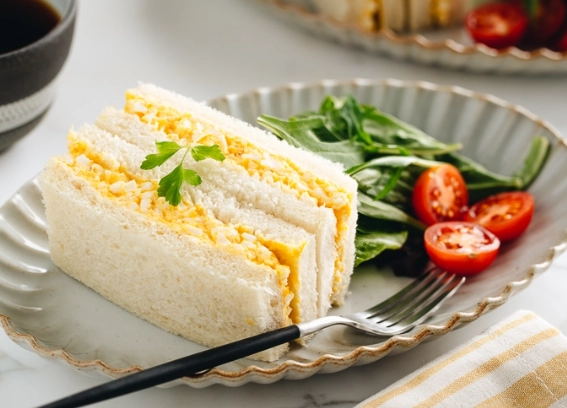
Pro tip from a kitchen fail: I once added too much sugar, and the sandwich tasted like dessert. Start with less sugar—you can always adjust next time. Also, if your eggs look watery, you probably cooked them too fast. Low and slow is the mantra.
Where to Eat the Best Tamago Sando in Tokyo
Sure, you can grab one at any 7-Eleven (and they're decent), but for something special, here are my top picks. I've visited these places multiple times, and they each bring something unique. Prices are in yen, and ratings are based on my personal scale from 1 to 5.
| Restaurant Name | Address | Price (per sandwich) | Rating | Hours | Why It's Special |
|---|---|---|---|---|---|
| Tamago Ya | 1-5-6 Ginza, Chuo City, Tokyo | ¥400 | 4.8 | 10am-6pm (closed Wed) | Fluffiest eggs I've ever had; they use free-range eggs and a secret dash of mirin. |
| Konbini King (Lawson) | Various locations; try the one in Shibuya Scramble Square | ¥250 | 4.5 | 24/7 | Surprisingly good for a chain; consistent quality and always fresh. |
| Cafe de L'ambre | 8-10-15 Ginza, Chuo City, Tokyo | ¥600 | 4.6 | 8am-10pm | Gourmet version with truffle salt; pairs perfectly with their coffee. |
| Sandwich House Miyagawa | 3-2-1 Shinjuku, Shinjuku City, Tokyo | ¥350 | 4.7 | 7am-9pm | Old-school spot; the bread is homemade and buttery. |
| FamilyMart Premium | Select stores; check the one in Akihabara | ¥300 | 4.4 | 24/7 | Great value; eggs are creamy, and they often have limited-time flavors. |
If you're on a budget, stick to konbini like Lawson or FamilyMart. But for a treat, Tamago Ya is worth the trip. Just go early—they sell out fast. I made the mistake of arriving at 5pm once, and they were gone. Lesson learned.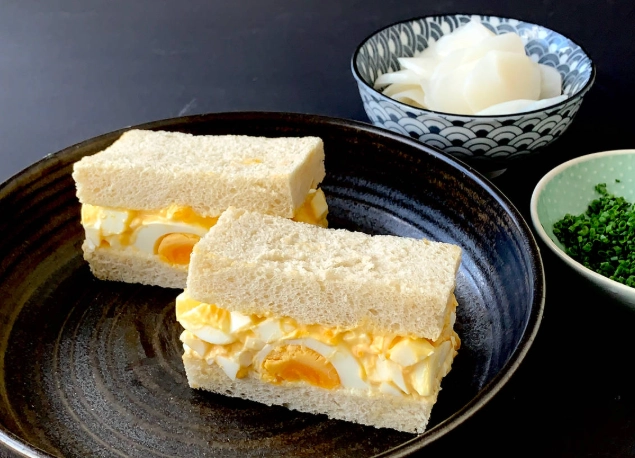
Common Tamago Sando Mistakes (Even Experts Make)
Let's be real: I've botched this sandwich more times than I care to admit. Here are the big ones, based on my own fails and watching others.
- Overcooking the eggs: This is the number one error. High heat turns eggs rubbery. Keep it on low, and take them off the heat when they're still slightly moist—they'll carryover cook.
- Using the wrong bread: That dense whole wheat loaf? It'll overpower the eggs. Stick to soft white bread. If you can find shokupan, even better. I tried with sourdough once, and it was a texture disaster.
- Skipping the cooling step: If you assemble the sandwich while the eggs are hot, the steam makes the bread soggy. Let the eggs cool for at least 10 minutes. I learned this the hard way during a picnic—ended up with a mushy mess.
- Too much mayo: Japanese mayo is richer than Western versions. More than a tablespoon can make the filling oily. Start with less; you can always add more.
Another subtle mistake: not seasoning the eggs enough. Salt brings out the sweetness, so don't be shy. Taste as you go.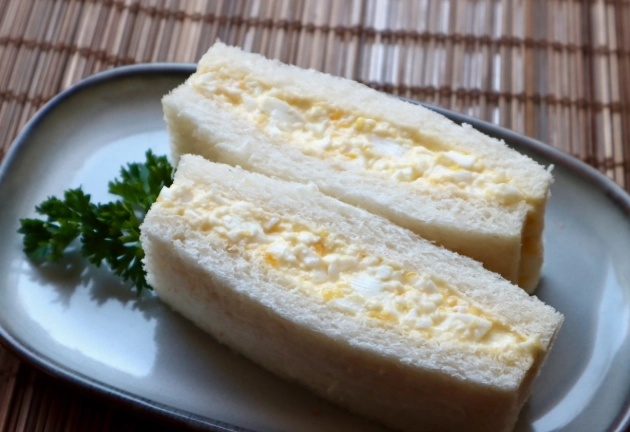
Tamago Sando FAQ: Answered by a Food Enthusiast
That's it—everything I know about tamago sando. Whether you're making it at home or hunting it down in Tokyo, the key is to enjoy the process. It's a simple sandwich, but getting it right feels like a small victory. Go ahead, give it a try, and don't be afraid to tweak things to your taste. Happy eating!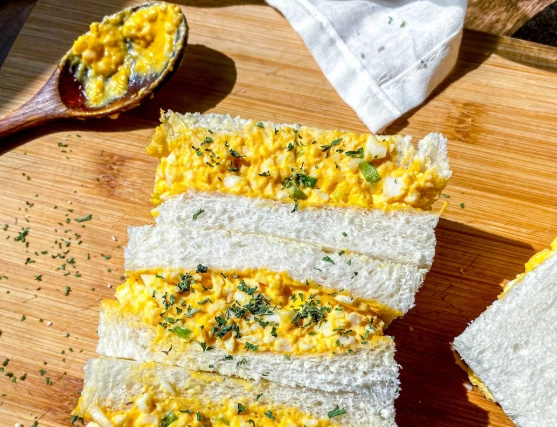
Reader Comments