Japanese potato salad is a staple of home cooking and convenience stores alike, but most recipes rely on ham or bacon for depth. A truly great vegetarian version isn't about subtraction—it's about smart, flavorful engineering. Forget the mushy, bland potato mounds. We're talking about a creamy, complex, and texturally thrilling side dish that stands on its own. I've spent years tweaking this recipe, learning from home cooks in Tokyo and through plenty of trial and error in my own kitchen. The secret isn't in one magic ingredient, but in a series of small, deliberate choices that most beginner recipes gloss over.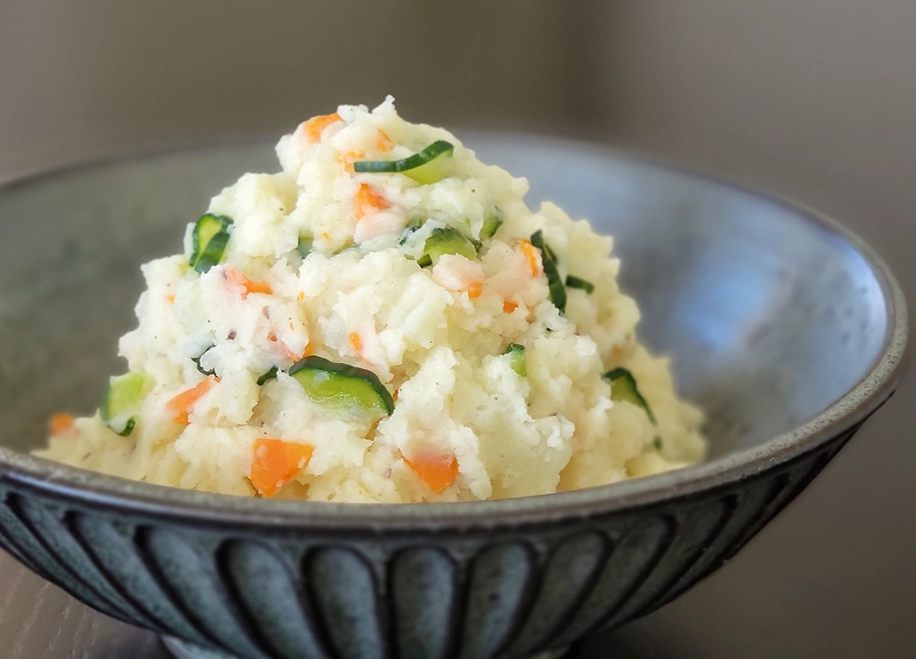
What's Inside This Guide?
- What Makes Japanese Potato Salad Different?
- How to Make Authentic Vegetarian Japanese Potato Salad
- The 3 Non-Negotiable Tips Most Recipes Get Wrong
- Beyond the Basics: Creative Vegetarian Variations
- Where to Find Great Vegetarian Potato Salad in Japan (or at Home)
- Your Japanese Potato Salad Questions, Answered
What Makes Japanese Potato Salad Different?
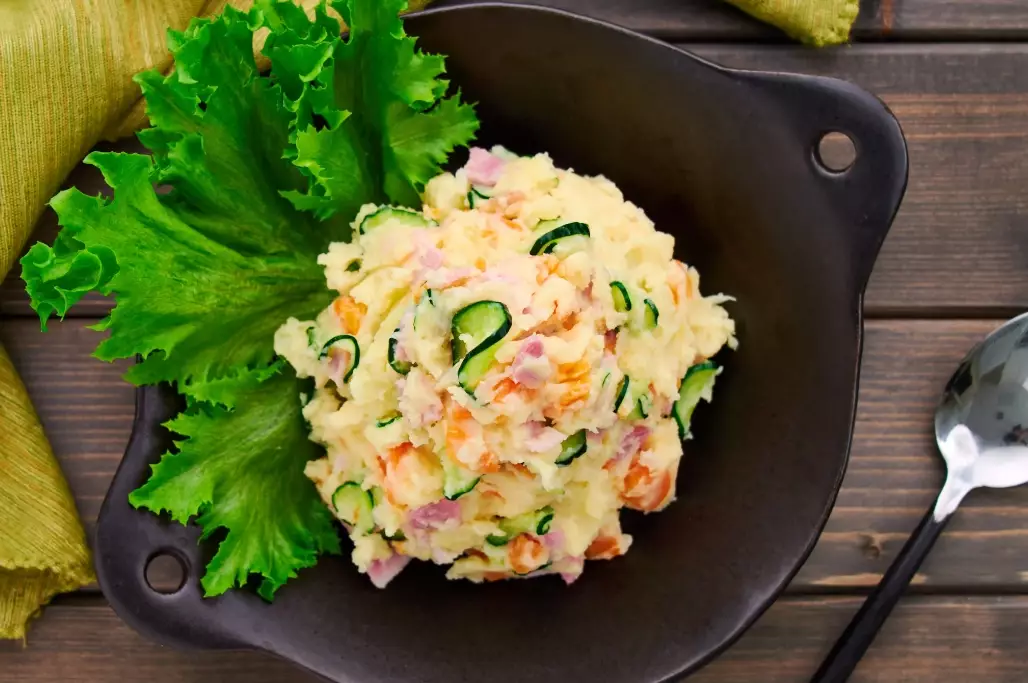
If you're expecting a mayo-heavy, chunky American-style potato salad, you're in for a surprise. The Japanese version, or poteto sarada, is a different beast entirely. Its texture is smoother, often partially mashed, creating a spreadable, almost fluffy consistency. The flavor profile is subtle, creamy, and slightly sweet-savory, thanks to the use of Japanese mayonnaise like Kewpie, which contains rice vinegar and MSG (monosodium glutamate).
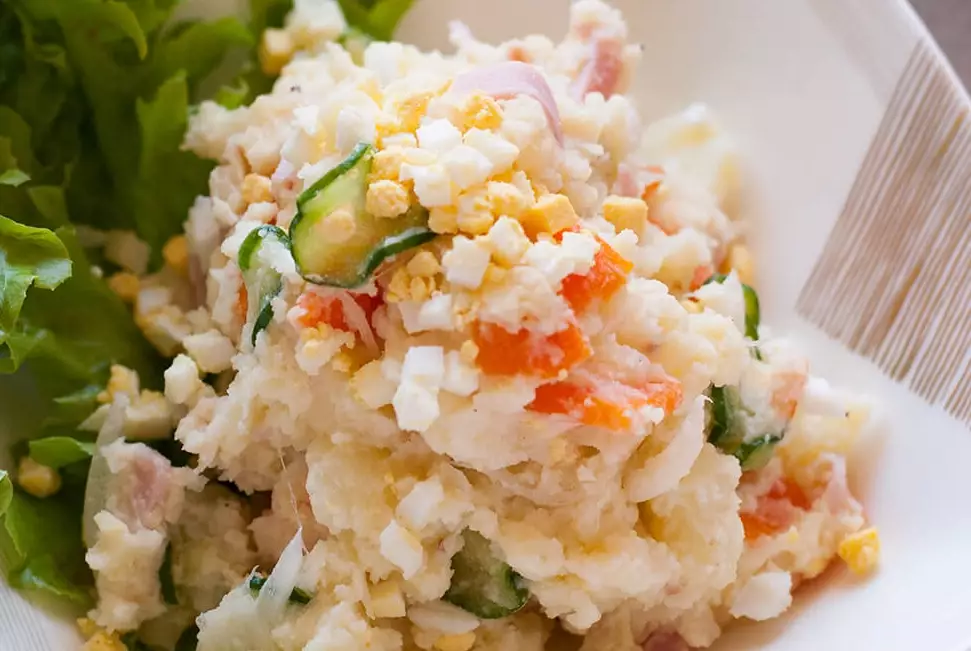
The real signature, though, is the mix-ins. It's a confetti of textures: crisp cucumber, soft-boiled carrot, sometimes corn, and always onion. The traditional version includes ham or boiled eggs. Our mission is to replicate that satisfying complexity without the meat.
Think of it less as a salad and more as a seasoned vegetable spread.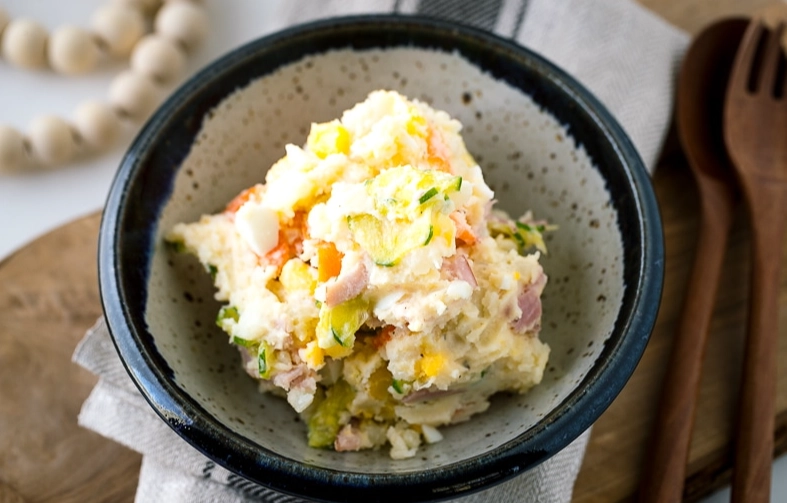
How to Make Authentic Vegetarian Japanese Potato Salad
Here’s my go-to recipe, built for flavor. This makes enough for 4-6 people as a side.
The Core Ingredients (And Why They Matter)
Potatoes: Use a starchy variety like Russet or Yukon Gold. They break down beautifully for that signature creamy-mashy base. Waxy potatoes like red potatoes will stay too firm.
Japanese Mayonnaise (Kewpie): This is non-negotiable for authentic flavor. The rice vinegar and umami notes are key. If you're strictly vegan, there are vegan Kewpie-style mayos available online or in Asian markets.
Vegetables for Crunch: Cucumber, carrot, and onion are the holy trinity. Their preparation is crucial—we'll get to that.
The "Umami Boosters": This is where we replace the savory depth of ham. We'll use a combination of ingredients.
Step-by-Step Method
- Cook and Mash the Potatoes: Peel and cube 500g of potatoes. Boil in salted water until fork-tender (about 15 mins). Drain well. While still hot, transfer to a large bowl and mash roughly with a potato masher or fork. You want a mix of smooth paste and small lumps. Let this cool to room temperature. Don't add mayo to hot potatoes—it will break.
- Prepare the Vegetables (The Critical Step):
- Cucumber: Thinly slice half an English cucumber. Toss with 1 tsp of salt and let sit for 10 minutes. This draws out excess water that would ruin your salad. Rinse quickly and squeeze very firmly in a clean kitchen towel until dry.
- Carrot: Cut one small carrot into thin matchsticks or small cubes. Boil for 2-3 minutes until just tender-crisp, then drain and cool.
- Onion: Finely mince 1/4 of a yellow onion. Soak the minced onion in cold water for 5-10 minutes, then drain and squeeze dry. This tames the raw bite without cooking out all the flavor.
- Combine and Season: To the cooled potatoes, add the prepared cucumber, carrot, and onion. Add 3-4 heaping tablespoons of Kewpie mayo. Start with 3 and add more to taste. Add 1 tsp rice vinegar, 1/2 tsp sugar, 1/4 tsp white pepper, and a pinch of salt. Here's the umami trick: add 1/2 tsp of vegetarian dashi powder (like awase dashi made from shiitake and konbu) or a tiny splash of light soy sauce.
- Mix Gently: Fold everything together until just combined. Overmixing will make the potatoes gluey. Taste and adjust seasoning—it might need more salt, pepper, or a touch more vinegar for brightness.
- Chill and Serve: Cover and refrigerate for at least 1 hour before serving. This allows the flavors to meld. Serve cold.
The 3 Non-Negotiable Tips Most Recipes Get Wrong
Anyone can follow a recipe. Making it exceptional requires knowing the pitfalls.
1. The Water is Your Enemy. This is the number one reason homemade potato salad fails. Potatoes hold water. Cucumbers are mostly water. If you don't actively remove it, you'll have a sad, watery pool at the bottom of your bowl after chilling. Salt and squeeze your cucumber aggressively. Drain your potatoes thoroughly. Soak and squeeze your onion. Your kitchen towel should be damp after this process.
2. Temperature Control is Key. Adding mayonnaise to warm potatoes causes the oil to separate. Your salad will look greasy and broken. Let the potatoes cool to at least room temperature before adding any mayo or vinegar. Conversely, the final salad tastes much better after a proper chill in the fridge.
3. Season in Layers. Don't just rely on the mayo for flavor. Salt your potato water. Season the vegetable prep stages lightly. Add your umami booster (dashi or soy) directly to the potato mash before the mayo. This builds a foundation of flavor that a simple stir at the end can never achieve.
Beyond the Basics: Creative Vegetarian Variations
Once you've mastered the classic, try these twists. They fill the "meaty" texture and flavor gap in clever ways.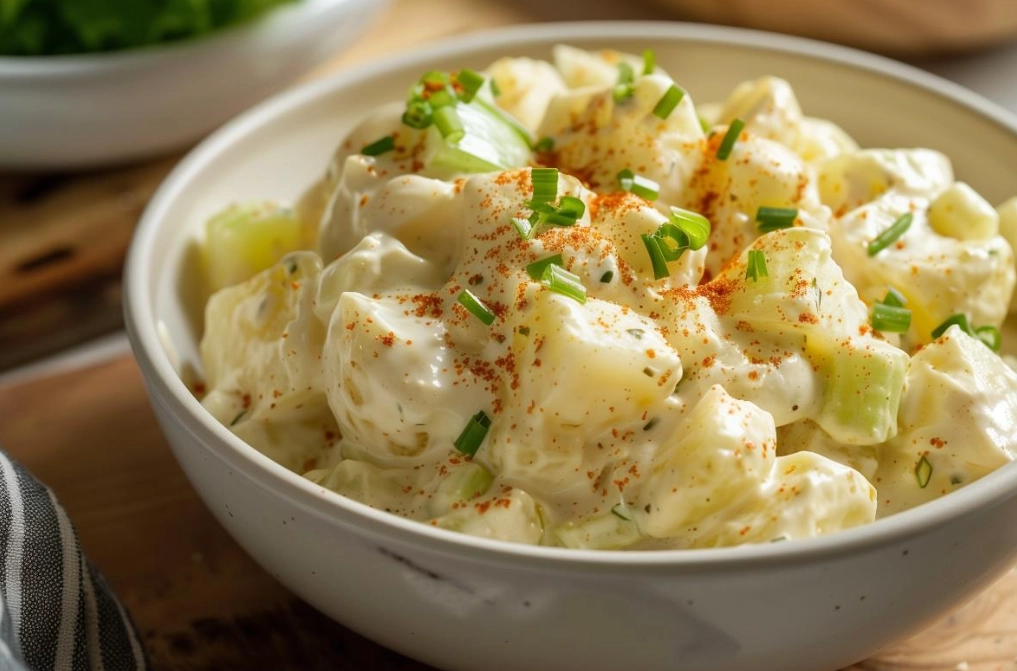
| Variation | Key Add-In/Substitution | Flavor & Texture Profile |
|---|---|---|
| Smoky Tempeh Crunch | Pan-fry cubed tempeh with a dash of smoked paprika and tamari until crispy. | Adds chewy, smoky, protein-rich bites that mimic bacon bits. |
| Creamy Avocado & Edamame | Replace 1/3 of the mayo with mashed ripe avocado. Add 1/2 cup shelled edamame. | Richer, healthier fats, vibrant green color, and a sweet, nutty pop from edamame. |
| Tangy Pickled Ginger | Add 2 tbsp of finely chopped red pickled ginger (beni shoga). | A bright, tangy, and colorful kick that cuts through the creaminess beautifully. |
| Sweet Corn & Black Pepper | Add 1/2 cup of fresh or good-quality canned corn kernels. Increase black pepper. | Classic izakaya (pub) style. Adds sweetness and a beautiful color contrast. |
Where to Find Great Vegetarian Potato Salad in Japan (or at Home)
In Japan, finding a strictly vegetarian version can be a hunt, as many store-bought ones contain ham or animal-based dashi. Here’s a field guide:
Convenience Stores (Konbini): Lawsons, 7-Eleven, and FamilyMart all sell poteto sarada sandwiches and side dishes. Check the label carefully. Look for the ingredients list (genryō mekā). Avoid anything with hamu (ハム), butaniku (豚肉 - pork), or katsuo dashi (鰹だし - bonito stock). Some may use konbu dashi (昆布だし - kelp stock), which is vegetarian.
Supermarket Deli Counters: Often have freshly made salads. You can sometimes ask about ingredients. The ones labeled yasai (野菜 - vegetable) are your best bet, but still verify.
Restaurants: Yōshoku (Western-style Japanese food) restaurants or modern cafes might have a vegetarian option. In Tokyo, places like T's TanTan (Tokyo Station, Ramen Street) or AIN SOPH. chain have extensive vegan menus that sometimes feature creative plant-based salads.
Honestly, your most reliable and delicious bet is to make it yourself. You control the ingredients and the quality.
Your Japanese Potato Salad Questions, Answered
Can I make Japanese potato salad without eggs (in the mayo)?
Why did my potato salad become watery after I refrigerated it?
 How far in advance can I make this?
What's the best potato substitute for a low-carb version?
My salad tastes flat. What can I add?
Reader Comments