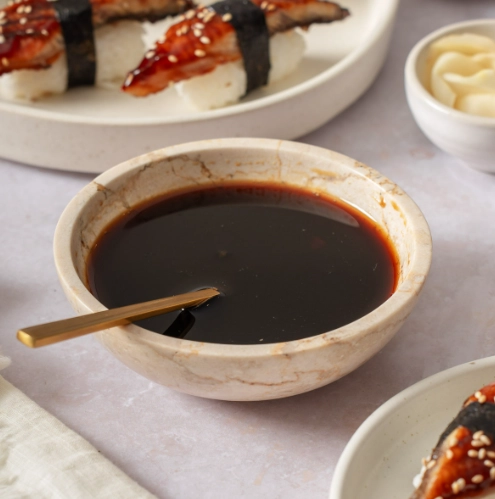
If you've ever ordered unagi don (grilled eel rice bowl) or certain sushi rolls, you've encountered it: that dark, glossy, impossibly savory and sweet sauce that seems to make everything taste better. Most people just call it eel sauce. In Japanese restaurants, it's often the unspoken hero, drizzled over grilled fish, brushed on meats, or served as a dip. But what exactly is it? Is it just for eel? And can you make something close to the real deal at home? Let's clear up the confusion.
Eel sauce, known in Japan as unagi no tare or sometimes nitsume, is a concentrated, sweetened soy-based glaze. Its primary role is to complement the rich, oily texture of freshwater eel (unagi), but its use has expanded far beyond that single dish. The magic lies in its balance—it's not cloyingly sweet like some American barbecue sauces, nor is it purely salty like straight soy sauce. It hits a deep, complex umami note that enhances without overpowering.
What You’ll Find in This Guide
What's Actually in Eel Sauce?
Let's break down the core components. Traditional eel sauce isn't a complex chemical concoction; it's built on a few foundational ingredients that are simmered down to a syrup.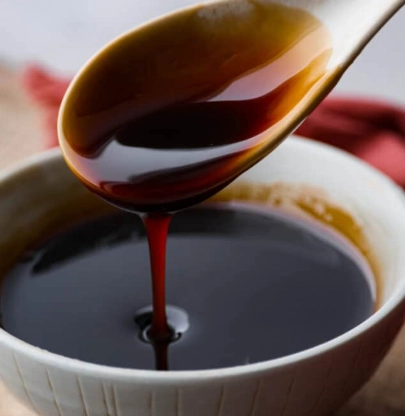
The Core Trio: At its heart, authentic unagi sauce is a reduction of soy sauce, mirin (sweet rice wine), and sugar. That's it. The quality and proportions of these three define the final product.
High-end restaurants might use a specific type of dark soy sauce and artisanal mirin. The sugar is usually granulated white sugar, but some recipes incorporate sake (Japanese rice wine) for extra depth or a touch of honey or maltose for a different kind of gloss and viscosity.
Here’s where a common misconception pops up. Many people assume it's just bottled teriyaki sauce. While they're cousins, there's a difference. Traditional eel sauce (unagi no tare) is typically thicker, richer, and less ginger-garlic forward than the teriyaki sauce commonly found in supermarkets. Teriyaki often includes those aromatics, while eel sauce focuses purely on that deep soy-mirin-sugar synergy.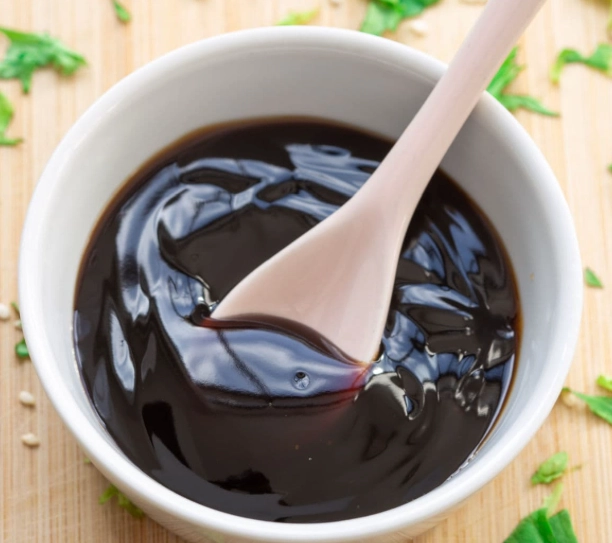
What Does Eel Sauce Taste Like?
Imagine the best parts of soy sauce and caramel had a child. That's eel sauce.
The first hit is a rounded, mellow sweetness—not a sugary punch, but a gentle caramel note. Then, the deep, savory umami of the soy sauce and mirin rushes in, balancing everything out. There's a slight wine-like aroma from the mirin, and the reduction process gives it a subtle toasted, almost malty complexity. The texture is key: it should be syrupy enough to cling to food, but not so thick it becomes like candy. It's salty, sweet, and savory in near-perfect harmony.
How to Use Eel Sauce: Beyond Just Eel
Its name is limiting. Think of it as a universal Japanese-style glaze or finishing sauce. Here’s where it shines:
- The Classic: Brushed onto grilled freshwater eel (unagi or anago) during the final moments of cooking. The sauce caramelizes slightly, forming a gorgeous glaze.
- Sushi Rolls: Drizzled over unagi (eel) rolls, dragon rolls, or any roll that benefits from a hit of savory sweetness. A little goes a long way.
- Grilled & Broiled Proteins: Chicken thighs, salmon, cod, even pork chops. Brush it on in the last 2-3 minutes of cooking to avoid burning the sugar.
- Rice Bowls (Donburi): A drizzle over a bowl of rice with a protein and vegetables ties everything together.
- As a Dipping Sauce: For grilled skewers (yakitori), tempura (though tentsuyu is more traditional), or even dumplings. Try mixing a teaspoon with mayo for a killer burger or sandwich spread.
- Vegetable Glaze: Toss roasted broccoli, Brussels sprouts, or eggplant with a tiny bit after they come out of the oven.
Buying Eel Sauce: A Quick Guide
You can find it in most well-stocked Asian grocery stores, the international aisle of some supermarkets, or online. Here’s what to look for:
| Brand / Type | Key Characteristics | Best For | Approx. Price |
|---|---|---|---|
| Kikkoman Unagi Sauce | Widely available, reliable flavor, good balance of sweet and savory. A solid, consistent choice. | Everyday home cooking, beginners. | $4 - $6 for 150ml |
| Mizkan Unagi Tare | Often used by restaurants, slightly more complex flavor profile. A favorite among enthusiasts. | Those seeking an authentic restaurant-style taste. | $5 - $7 for 200ml |
| Yamasa Unagi No Tare | Another premium brand, known for its rich color and depth. | Serious home cooks and traditional applications. | |
| Store-Brand "Teriyaki" Sauce | Often contains garlic, ginger, and thickeners. Sweeter, thinner, and less complex. | A quick substitute if eel sauce is unavailable, but expect a different flavor. | $3 - $5 |
When buying, check the ingredient list. The closer it is to just soy sauce, mirin, sugar, and maybe sake, the more authentic it will be. Avoid bottles with long lists of preservatives and corn syrup as the primary sweetener—they tend to taste one-dimensional and overly sweet.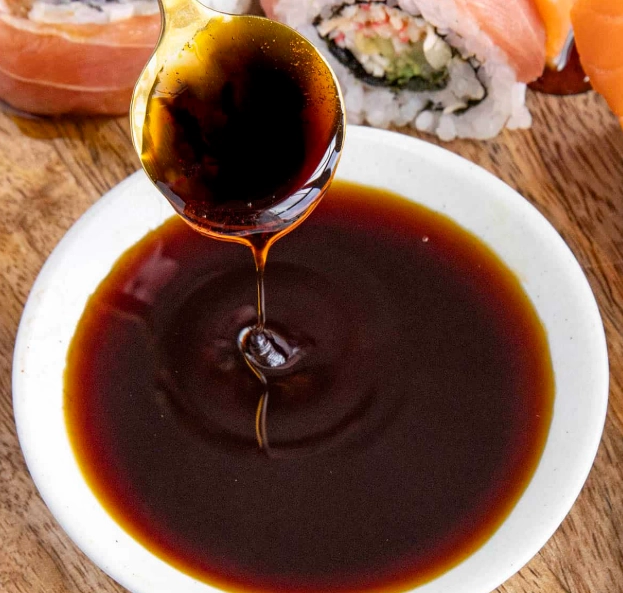
How to Make Authentic Eel Sauce at Home
Making it yourself is surprisingly simple and rewards you with a flavor that blows most store-bought versions out of the water. You control the sweetness and saltiness. Here's my go-to method, refined after a few… let's call them "learning experiences" (like the time I walked away and ended up with a pot of black, bitter tar).
Simple Homemade Unagi Sauce Recipe
Ingredients:
- 1/2 cup (120ml) soy sauce (use a good-quality Japanese soy sauce like Kikkoman)
- 1/2 cup (120ml) mirin (this is crucial—don't substitute with sweet sherry if you can avoid it)
- 1/4 cup (50g) granulated white sugar
- 1 tablespoon sake (optional, but recommended for depth)
Steps:
1. Combine. In a small, heavy-bottomed saucepan, add all the ingredients. Give it a gentle stir to help the sugar start dissolving.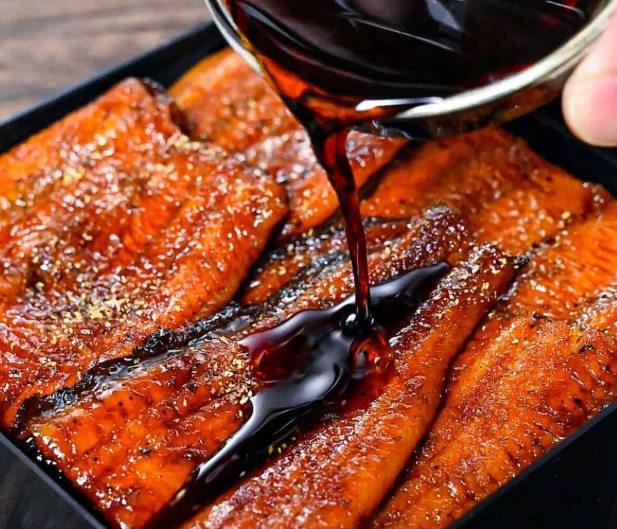
2. Simmer, don't boil. Place the pot over medium heat. Bring it just to a simmer—you'll see small bubbles around the edges. Immediately reduce the heat to low. A vigorous boil will evaporate the alcohol too quickly and can make the sauce taste harsh.
3. The Patient Part. Let it simmer gently, uncovered, for 20-30 minutes. Stir it occasionally with a silicone spatula. You're waiting for it to reduce by about one-third to one-half. It will thicken noticeably and coat the back of a spoon. The smell will change from sharp and alcoholic to rich and caramel-like.
4. The Final Test. Dip a spoon in, let it cool for a second, then run your finger across the back. If it leaves a clear path, it's ready. It will thicken a bit more as it cools.
5. Cool & Store. Let it cool completely in the pot, then transfer to a clean glass jar or bottle. It keeps in the refrigerator for 2-3 months. The flavor actually improves after a day or two.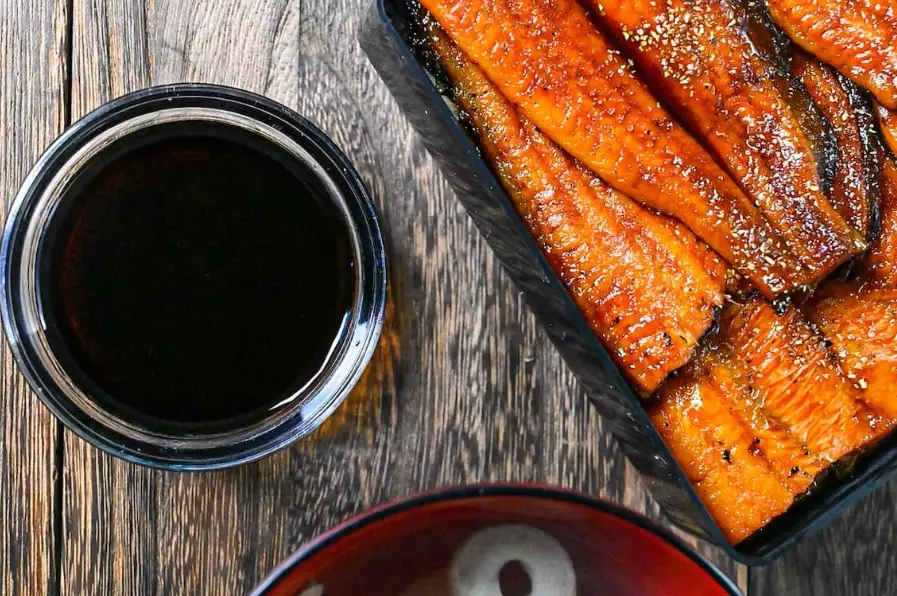
Common Mistakes & Pro Tips
After making this for years, here are the subtle things most recipes don't tell you.
Mistake #1: Cranking up the heat to reduce it faster. This is the biggest error. High heat causes the sugars to caramelize too aggressively and can scorch the soy sauce, introducing a bitter, burnt flavor. Low and slow is the only way.
Mistake #2: Using "cooking mirin" or mirin-like condiments. Check your mirin bottle. True mirin (hon mirin) contains about 14% alcohol and is brewed. "Aji-mirin" or "cooking mirin" often has added salt and corn syrup, and less alcohol. It works in a pinch, but the flavor of the final sauce will be flatter. For the best results, seek out real mirin.
Pro Tip: The Sugar Syrup Start. For an even deeper color and richer caramel flavor, some chefs first melt the sugar with a tablespoon of water in the pot until it turns a light amber color (like light honey), then carefully add the soy sauce and mirin. This adds a layer of complexity, but be careful not to burn the sugar. It's an advanced move worth trying once you've mastered the basic version.
Pro Tip: The Umami Boost. Want a next-level sauce? Add a small piece of kombu (dried kelp) to the pot while simmering. Remove it before storing. It pulls out extra savory depth from the sea.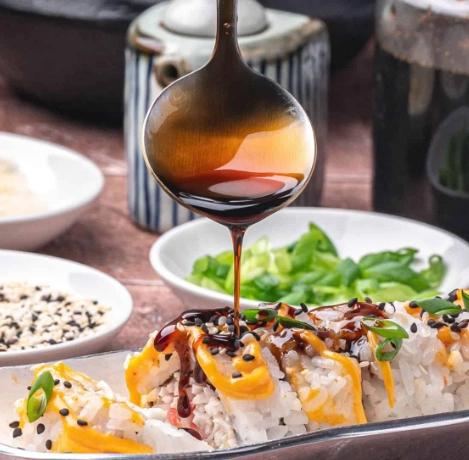
Your Eel Sauce Questions Answered
Can I use eel sauce as a substitute for teriyaki sauce?
In most applications, yes, and it's often an upgrade. The core flavors are similar. The main difference is the absence of pronounced ginger and garlic. If your recipe specifically calls for the ginger-garlic notes of teriyaki, you might want to add a tiny bit of each, grated, to your eel sauce. But for glazing salmon or chicken, eel sauce works beautifully.
My homemade sauce turned out too thin. What went wrong?
You likely didn't reduce it enough. Remember, it thickens significantly as it cools. The "clean path on the spoon" test is your best friend. If it's already cooled and still thin, you can gently simmer it again for another 5-10 minutes. Also, using real mirin (with alcohol) helps, as the alcohol evaporates during cooking, aiding reduction. Cooking mirin with added salt and less alcohol won't reduce as effectively.
Is there a significant difference between sauces labeled "unagi no tare" and "unagi sauce"?
Not really in terms of intended use. "Unagi no tare" is the direct Japanese translation. "Unagi sauce" is the common English term. The more important distinction is between "unagi sauce" and generic "teriyaki sauce." Always glance at the ingredients list for the real story.
Can I make a vegetarian or vegan eel sauce?
Absolutely. The main concern is the soy sauce—ensure it's a vegan brand (most are, but some artisanal ones use fish in fermentation). Mirin is typically vegan. Use standard white sugar (some refined sugars use bone char, but beet sugar or organic cane sugar are safe bets for strict vegans). The recipe and process remain identical.
Why did my sauce become cloudy or develop crystals in the fridge?
Crystallization happens if the sugar concentration gets very high. It's harmless. Gently warming the bottle in a bowl of hot water will re-dissolve the crystals. Cloudiness can occur if the sauce wasn't strained through a fine mesh sieve after cooling to remove any potential tiny particles, or if it's very cold. It doesn't affect flavor.
So, what is eel sauce? It's more than just a condiment for eel. It's a fundamental flavor builder in Japanese cuisine—a versatile, savory-sweet glaze that adds a professional touch to home cooking. Whether you pick up a trusted bottle from the store or spend 30 minutes making your own batch, having this sauce in your fridge opens up a world of easy, delicious meals. Try it. Drizzle it. You might find yourself putting it on more than just fish.
Reader Comments