Let's cut through the green paste you get with supermarket sushi. If you're searching for how do you make wasabi, you're likely chasing that unique, sharp, yet fleeting heat that clears your sinuses without burning your tongue. Here's the truth most guides skip: what we commonly call "wasabi" is rarely the real plant. True wasabi (Wasabia japonica) is a finicky rhizome, expensive and hard to grow. Most "wasabi paste" is a mix of European horseradish, mustard, and green food coloring. But if you want the authentic experience—or the best possible version of the prepared stuff—you're in the right place. This guide walks you through both worlds: the traditional preparation of fresh wasabi root and the smart ways to handle the more accessible pastes and powders.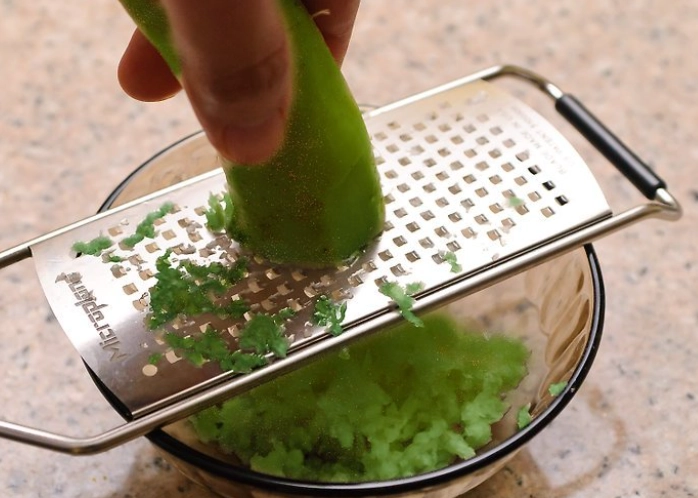
What You'll Find Inside
The Surprising Truth About "Real" Wasabi
Before we get to how do you make wasabi, let's identify what you're actually making. Authentic Wasabia japonica is a semi-aquatic plant that thrives in cool, flowing mountain stream beds. It's notoriously difficult to cultivate commercially, which is why it's pricey. According to resources from Japan's Ministry of Agriculture, Forestry and Fisheries, ideal growing conditions are very specific, contributing to its scarcity.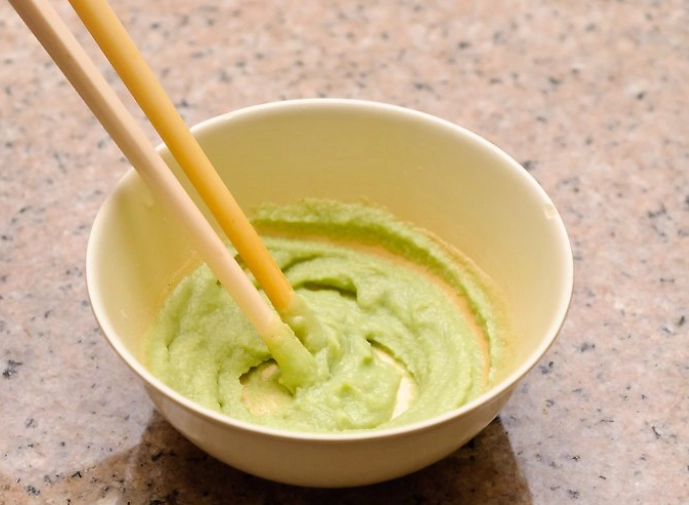
The flavor profile is complex: an immediate sharpness that's more aromatic and vegetal than painful, followed by a sweet aftertaste, and it fades quickly. The compounds that create the heat (isothiocyanates) are volatile and begin to break down just 15-20 minutes after the root is grated.
Here's the catch: Unless you're at a high-end sushi bar in Japan or a specialty grocer, you've almost certainly only had the imitation. That's not necessarily bad—the horseradish-based version is punchy, stable, and affordable. But knowing the difference is the first step in learning how to make wasabi properly, whether you're using the real deal or a quality substitute.
How to Prepare Fresh Wasabi Root (The Traditional Method)
If you've sourced a fresh wasabi rhizome (online specialty retailers like Oregon Coast Wasabi or Frog Eyes Wasabi are good places in the U.S.), treat it with care. This is where most beginners fumble. They treat it like ginger.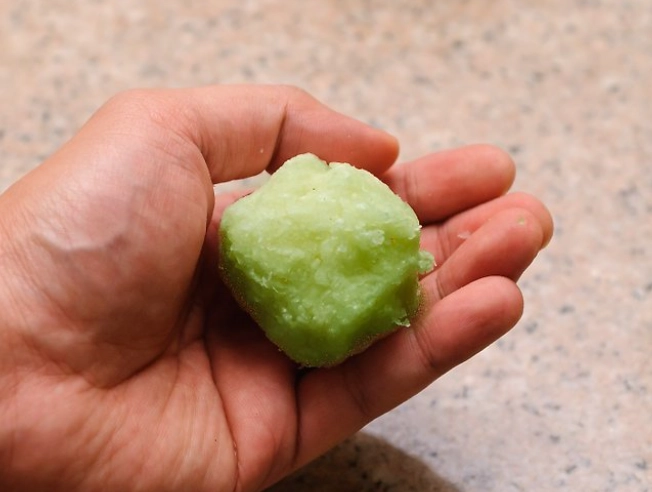
It's not ginger.
Tools You Absolutely Need
- A sharkskin grater (oroshigane): This isn't just tradition. The fine, abrasive texture of sharkskin creates a finer, fluffier paste that maximizes enzymatic reaction and flavor. Ceramic or metal graters tear the fibers too harshly, leading to a bitter, coarse paste. If you must use an alternative, a very fine microplane is the last resort.
- A small bowl of cold water: For rinsing the grater.
- A damp cloth: To place under your grinding surface to prevent slipping.
The Step-by-Step Grinding Process
First, rinse the rhizome under cold water and scrub off any dirt with a soft brush. Pat it dry. Don't peel it. The skin adds flavor and complexity.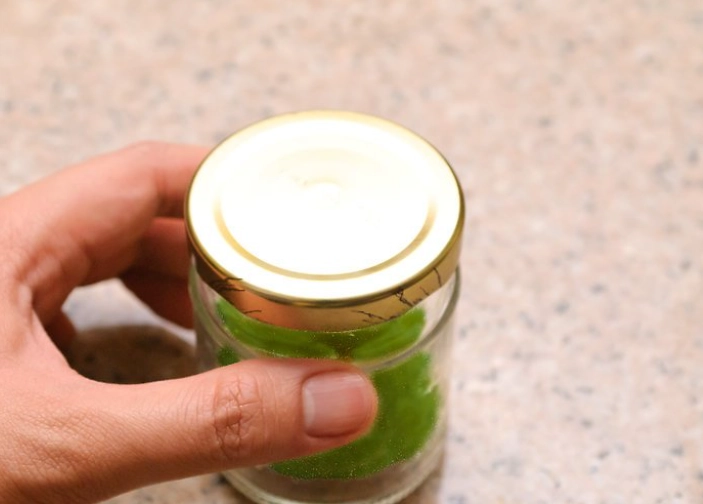
Hold the sharkskin grater at a slight angle. Take the wasabi root and make small, slow, circular motions. Not back-and-forth. Circular. This gentle action minimizes cell damage and produces the ideal paste consistency. You'll see a fine, light green paste accumulating.
Here's the expert tip everyone misses: Grate only what you'll use in the next 10 minutes. The flavor peaks at about 3-5 minutes after grating and then begins its steady decline. Grate directly onto the serving plate for sushi, or into a small mound.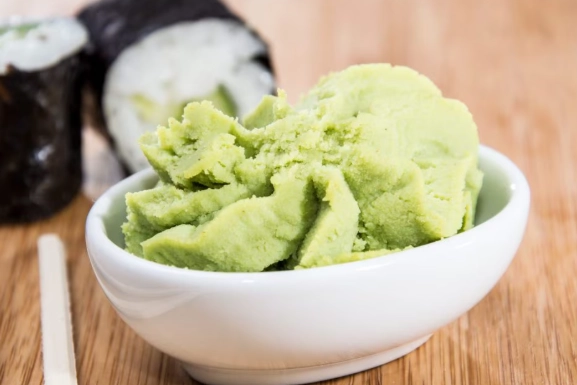
Once grated, gently gather the paste into a small, loose ball. Let it rest, uncovered, for 1-2 minutes to allow the flavors to develop fully. Then serve immediately. Covering it traps moisture and speeds up the degradation of flavor.
How to Work With Wasabi Paste and Powder
For 99% of home cooks, learning how do you make wasabi means working with a tube of paste or a tin of powder. You can still get great results if you know the tricks.
Reviving Wasabi Powder Like a Pro
Most wasabi powder is a dehydrated blend of horseradish, mustard, and coloring. The key is the liquid you use. Never use hot water. It kills the volatile compounds and leaves you with a bland, bitter paste.
Use ice-cold water. Some connoisseurs even use cold sake or a mix of water and a drop of rice vinegar for complexity. The ratio is roughly 1 part powder to just under 1 part liquid. Start with less, you can always add more.
Mix quickly into a thick paste. Don't over-stir. Let it sit, covered with plastic wrap pressed directly onto the surface (to minimize oxidation), for 5-10 minutes. This "blooming" time allows the flavors to activate and the texture to mature from gritty to smooth.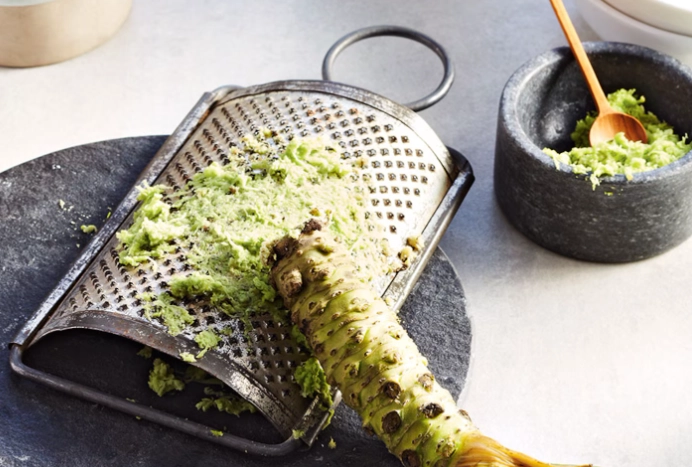
Getting the Most from Pre-Made Wasabi Paste
That tube in your fridge door? It's convenient, but often too harsh. A simple fix is to mix it with a tiny bit of warm water or soy sauce to mellow the intensity and improve the texture. Just a few drops, worked in with a chopstick, can make a world of difference. Also, once opened, squeeze out the air, cap it tightly, and store it upside down. This creates a vacuum that slows down drying and flavor loss.
Wasabi Breakdown: Root, Paste, and Powder Compared
| Type | What It Really Is | Best For | Key Preparation Tip | Flavor Profile |
|---|---|---|---|---|
| Fresh Wasabi Root | The genuine Wasabia japonica rhizome. | High-end sashimi, sushi, and tasting experiences where subtlety is key. | Grate in small, circular motions on sharkskin; use within 10 minutes. | Complex, aromatic, sharp but fleeting heat, sweet finish. |
| Wasabi Powder | Dehydrated blend of horseradish, mustard, starch, and coloring. | Home sushi nights, dressings, marinades, seasoning snacks. | Mix with ice-cold water, let bloom for 5-10 mins covered. | Pungent, straightforward heat, longer-lasting burn. |
| Pre-Made Wasabi Paste (Tube) | Reconstituted wasabi powder with stabilizers, often in a tube. | Convenience, quick dips, mixing into sauces. | Mellow by mixing with a few drops of liquid; store upside down. | Similar to powder but can be sharper or more artificial-tasting. |
I learned the hard way that using hot water with powder was ruining my homemade sushi nights. The paste turned a dull army green and tasted like bitter chemicals. Switching to ice water was a revelation.
Your Wasabi Questions, Answered
Can I grow my own wasabi plant at home?
Why does the heat from wasabi feel different than chili pepper heat?
My wasabi paste from the tube is super dry and crumbly. Can I save it?
What's the best way to store a fresh wasabi root if I only use part of it?
Is there any real wasabi in the green paste served at most sushi restaurants?
So, how do you make wasabi? It depends entirely on what you start with. If you have the real root, respect it: use the right tools, grate with patience, and serve it fast. If you're using powder or paste, treat them with knowledge—cold water for powder, a little dilution for paste—to unlock their best possible version. The goal isn't just heat; it's that clean, aromatic punch that elevates the fish, clears your palate, and makes the whole experience sing. Now you have the know-how to make it happen.
Reader Comments