You know the scene. You slide into a cramped, smoky izakaya after work, the buzz of conversation wrapping around you. You order a beer, and without thinking, you point to that small, unassuming dish on the counter: a mound of pale green, studded with tiny, speckled pieces. That first bite—a cold, crunchy, sinus-clearing punch—is more than a snack. It's a wake-up call. That's tako wasabi. It's not fancy. It's not subtle. But for anyone who's spent time in Japan's drinking dens, it's a ritual. This isn't just about octopus and horseradish; it's about the experience. Let's break down everything from finding the best bowls in Tokyo to nailing the recipe at home, including the mistakes most beginners make.
What's Inside?
- What Exactly Is Tako Wasabi? (It's Not What You Think)
- Where to Eat the Best Tako Wasabi in Tokyo & Osaka
- How to Eat Tako Wasabi Like a Local (Avoiding the #1 Mistake)
- How to Make Authentic Tako Wasabi at Home: A Foolproof Recipe
- Why Is Tako Wasabi So Popular in Japanese Culture?
- Your Tako Wasabi Questions, Answered
What Exactly Is Tako Wasabi? (It's Not What You Think)
Let's clear something up first. "Tako" means octopus. "Wasabi" usually refers to the green Japanese horseradish. But here's the twist: most commercial tako wasabi doesn't use real, fresh wasabi root (which is expensive and delicate). It uses a paste made from western horseradish, mustard, and green food coloring. The octopus is typically baby octopus or tentacles from larger species, finely chopped or sliced. The whole thing is mixed with soy sauce, sometimes a touch of mirin or dashi, and served ice-cold.
The magic is in the texture and temperature contrast. The octopus should be tender yet have a slight chew, not rubbery. The sauce should be pungent, salty, and bracing. It's designed to be a palate awakener, a small, powerful dish that stands up to the first sip of cold beer or sake. According to the Japanese Ministry of Agriculture, Forestry and Fisheries (MAFF), processed seafood snacks like this are a staple of the preserved foods industry, valued for their long shelf life and bold flavors that stimulate appetite.
Where to Eat the Best Tako Wasabi in Tokyo & Osaka
You can find pre-packaged tubs in any convenience store. But for the good stuff, you need an izakaya or a specialized seafood bar. Quality varies wildly. A great tako wasabi has fresh, sweet octopus and a well-balanced sauce that has heat but doesn't just taste like salty fire. Here are a few spots that consistently get it right, based on my own izakaya crawls and chats with regulars.
| Spot Name & Area | What Makes It Special | Price (approx.) | Good to Know |
|---|---|---|---|
| Uogashi Nihon-Ichi (Standing Bar) Shinjuku, Tokyo |
Ultra-fresh, daily preparation. The octopus is chopped to a perfect, consistent mince. Their sauce has a noticeable kick of real wasabi. It's a standing bar, so you eat it quickly amid the hustle. | ¥350 | Open 24 hours. Cash only. Expect a crowd after 7 PM. The fast turnover means it's always fresh. |
| Tsukiji Tama Sushi Former Tsukiji Outer Market, Tokyo |
Uses higher-grade, sweeter baby octopus. The texture is remarkably tender. Their mix is less watery than many, clinging to each piece of tako. | ¥400 | Part of a sushi restaurant. Great as a starter before your sushi order. Closes early afternoon. |
| Dotonbori Kani Doraku Dotonbori, Osaka |
Famous for crab, but their tako wasabi is a sleeper hit. It's served in a small crab-shell-shaped dish, adding to the fun. The flavor is robust and garlicky (a slight Kansai twist). | ¥380 | In a tourist-heavy area, but the quality is solid. The giant moving crab sign is hard to miss. |
| Omoide Yokocho (Memory Lane) Shinjuku, Tokyo |
Not one specific bar, but the experience. Dozens of tiny yakitori stalls. Many offer tako wasabi. It's about the atmosphere—charcoal smoke, chatter, and that classic, straightforward version. | ¥300-¥400 | Pick a stall that looks busy. Portions are small, meant to accompany skewers. A true old-school Tokyo experience. |
My personal favorite is a tiny, nameless spot in a back alley of Shinjuku's Golden Gai. The owner, a man in his 70s, makes his own wasabi paste from powder and adds a whisper of yuzu zest. You won't find it on any Michelin Guide list, but it's perfect. That's the thing with tako wasabi—sometimes the best versions are the ones you stumble upon.
How to Eat Tako Wasabi Like a Local (Avoiding the #1 Mistake)
There's a right way and many wrong ways to tackle this dish. The biggest mistake foreigners make? Treating it like a dip or a spread.
You get a small bowl, a pile of tako wasabi, and usually a separate plate of plain, sliced cucumber or sometimes a bowl of rice. Here's the protocol:
The Correct Method: Take a small spoonful of the tako wasabi mixture directly. Place it onto a slice of cucumber, or more commonly, directly onto a mouthful of plain white rice. Then eat it all together. The cucumber or rice acts as a cooling, bland canvas that tempers the intense salt and heat, allowing you to taste the octopus.
The Izakaya Rhythm: Take a bite of tako wasabi, feel the kick, then immediately follow it with a large gulp of beer. The cold beer washes over the heat, creating a perfect loop of flavor and refreshment. That's the ritual.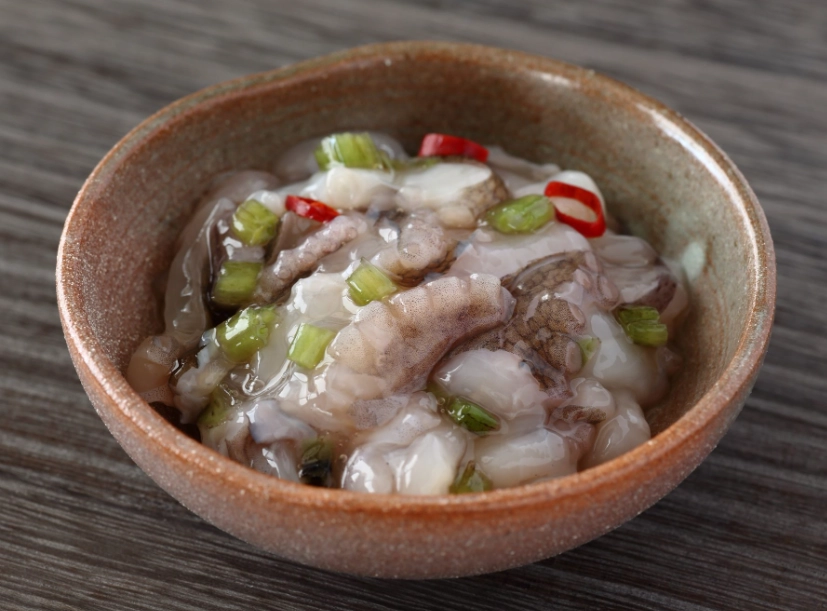
How to Make Authentic Tako Wasabi at Home: A Foolproof Recipe
Store-bought is fine, but homemade lets you control the heat and texture. The goal is a cohesive, cold, pungent mix that isn't soup. Here's my method, refined after a few too-bland and too-watery batches.
Ingredients You'll Need
- 150g (about 5.3 oz) cooked baby octopus (sashimi-grade if you want it tender, parboiled is fine)
- 2-3 tbsp prepared wasabi paste (from a tube is standard; use real grated wasabi if you're feeling luxurious)
- 1.5 tbsp soy sauce (use usukuchi/light soy for less color)
- 1 tsp mirin
- 1 tsp dashi stock (optional, but adds umami depth)
- A tiny pinch of sugar (balances the salt)
Step-by-Step Process
1. Prep the Octopus: If using parboiled octopus, give it a quick rinse in cold water to remove any excess saltiness. Pat it completely dry with paper towels. This is critical. Any extra water will dilute your sauce into a sad, runny mess. Chop it into very small, uniform pieces—about 3-4mm cubes. Not a paste, but small enough to coat easily.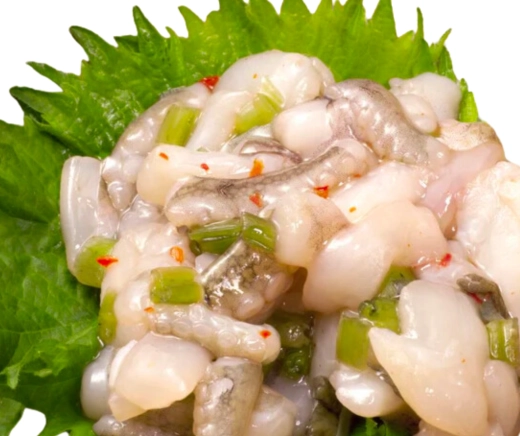
2. Make the Sauce Base: In a small bowl, mix the soy sauce, mirin, dashi (if using), and sugar until the sugar dissolves. Taste it. It should be salty-sweet. Now, add the wasabi paste. Start with 2 tablespoons and mix thoroughly. The sauce will be thin.
3. Combine and Chill: Add the chopped, dry octopus to the sauce. Fold gently until every piece is coated. Don't stir aggressively. Transfer to a small serving bowl. Cover with plastic wrap and refrigerate for at least 30 minutes, preferably an hour. This chilling time is non-negotiable. It allows the octopus to absorb the flavors and the whole dish to get properly cold, tightening up the texture.
4. Serve: Take it out, give it one gentle stir, and serve immediately with cucumber sticks or over a small bowl of hot rice. The contrast between the cold topping and hot rice is fantastic.
Why Is Tako Wasabi So Popular in Japanese Culture?
It's cheap, lasts forever in the fridge, and packs a punch. But there's more. In the shared, communal setting of an izakaya, food needs to be bold and easy to share. Tako wasabi fits perfectly. It's a flavor anchor. Its sharpness cuts through the richness of fried foods (karaage) and the fat of grilled meats (yakitori). It's a reset button for your palate.
Nutritionally, it's a low-calorie, high-protein option. Octopus is a good source of taurine and minerals like selenium, while wasabi (or horseradish) contains compounds with antimicrobial properties. But let's be real—people aren't ordering it for health. They're ordering it for that familiar, comforting shock, a shared experience that says, "Okay, the workday is over. Now, let's drink."
Reader Comments