Let's be honest. When you think of a Japanese dinner, your mind might jump to intricate sushi platters or a multi-course kaiseki meal that looks impossible to replicate. I used to think the same. My first attempt at a "Japanese dinner" involved boiling udon noodles and dumping in a packet of instant dashi. It was edible, but it wasn't right. The real magic of Japanese home cooking, or katei ryōri, isn't about complexity. It's about balancing a few core flavors—savory umami, subtle sweetness, clean saltiness—and applying simple techniques to fresh ingredients. You don't need a fancy kitchen. You just need to know where to start.
今晚吃什么?快速导航
What Makes a Japanese Dinner?
Forget the fancy stuff for a second. A typical home-cooked Japanese dinner revolves around a concept called 一汁三菜 (ichiju sansai)—"one soup, three dishes." This isn't a rigid rule, but a guideline for balance.
- The Main (Shusai): This is your protein centerpiece. Think grilled fish, a piece of chicken, or some simmered meat.
- The Side Dishes (Fukusai): Usually two smaller vegetable-based dishes. One might be simmered (nimono), one might be a quick salad or pickle (sunomono or tsukemono).
- The Soup (Shirumono): Almost always miso soup, but clear soups (osumashi) are common too.
- The Rice (Gohan): The foundation. Short-grain Japanese rice, steamed perfectly.
The goal is variety in flavor, texture, color, and cooking method. You get a complete, satisfying meal without any single element being overly heavy. Most Western home cooks trying Japanese recipes make one big mistake: they treat a single recipe as the entire meal. You'll have a better experience if you think in terms of a small main, a quick veggie side, and a bowl of soup.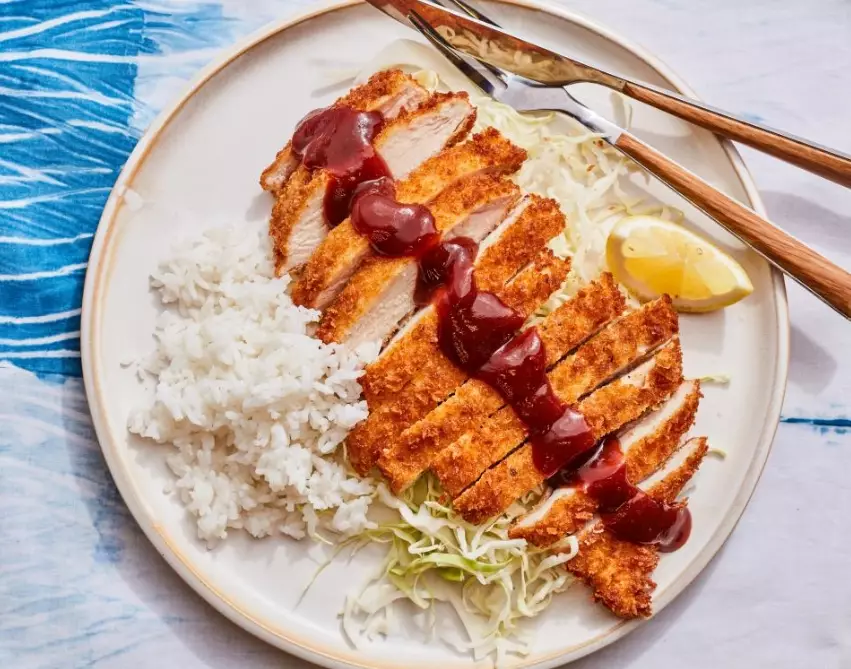
Your Japanese Pantry Starter Kit
You can't build a house without tools. For Japanese cooking, your "tools" are a handful of key condiments. Don't feel pressured to buy everything at once. Start with the bolded items; they're the workhorses.
- Soy Sauce (Shoyu): Not all are equal. For general use, get a koikuchi shoyu (dark soy). For a lighter, sweeter touch in dressings or with delicate fish, usukuchi shoyu (light soy) is great. A common pitfall? Using it as plain salt. Soy sauce is a flavor builder, not just a salting agent.
- Mirin: This sweet rice wine is crucial for that glossy, sweet-savory glaze. The real, fermented kind (hon mirin) is best. If you can only find "aji-mirin" (seasoned mirin, often with added sugar and salt), that's okay for starters, but reduce other salt/sugar in the recipe slightly.
- Sake: Cooking sake removes alcohol and adds depth. Don't use your expensive drinking sake.
- Miso Paste: A universe of flavor. Start with a mild, versatile white miso (shiro miso) or a yellow miso (awase miso). Red miso is stronger and saltier.
- Dashi: The soul of Japanese soup and many sauces. You can make it from scratch with kombu (kelp) and katsuobushi (bonito flakes), but for weeknights, I honestly use a good quality dashi powder (hondashi) or dashi packets. The flavor difference from scratch is noticeable, but the convenience of powder is a game-changer for getting dinner on the table.
- Rice Vinegar: Milder and sweeter than Western vinegars.
- Panko Breadcrumbs: The secret to ultra-crispy fried foods. They're larger and flakier than regular breadcrumbs.
Weeknight Hero: Miso-Glazed Salmon (Sake no Misozuke)
This is my absolute go-to. It's healthy, cooks in under 15 minutes, and the sweet-salty miso crust is irresistible. The key is the marinating time—even 30 minutes makes a difference, but 2 hours is ideal.
Miso-Glazed Salmon at a Glance
- Prep Time: 10 min (plus marinating)
- Cook Time: 10-12 min
- Difficulty: Easy
- Key Flavor: Umami-rich, sweet, savory
Ingredients (for 2 servings):
| Ingredient | Quantity & Notes |
|---|---|
| Salmon fillets | 2, skin-on (about 6 oz / 170g each) |
| White miso paste | 3 tablespoons |
| Mirin | 1.5 tablespoons |
| Sake | 1 tablespoon |
| Soy sauce | 1 teaspoon |
| Sugar or honey | 1 teaspoon (optional, for extra caramelization) |
| Neutral oil | 1 teaspoon (like canola or grapeseed) |
Steps:
- In a small bowl, whisk together the miso, mirin, sake, soy sauce, and sugar (if using) until smooth.
- Pat the salmon fillets very dry. Place them in a shallow dish or zip-top bag and coat thoroughly with the miso mixture. Marinate in the refrigerator for at least 30 minutes, up to overnight. (Longer = more flavor penetration).
- When ready to cook, preheat your oven's broiler (grill) on high. Place an oven rack about 6 inches from the heat source. Line a baking sheet with foil and lightly oil it.
- Use a spoon or your fingers to scrape off the excess marinade from the salmon (this prevents burning). Place the fillets skin-side down on the prepared sheet.
- Broil for 8-10 minutes, depending on thickness. You don't need to flip it. The salmon is done when it flakes easily and the glaze is bubbly and slightly charred in spots. Watch it closely—broilers vary wildly!
Serve this with a mound of steamed rice and a simple side of blanched spinach (ohitashi—just drizzle with soy sauce and sesame seeds) or quick cucumber salad.
Crispy Comfort: Chicken Katsu with Tonkatsu Sauce
This is Japanese comfort food at its best—a crispy, juicy cutlet with a tangy-sweet sauce. The technique is straightforward, but the type of breadcrumbs matters.
Ingredients (for 2): 2 boneless, skinless chicken breasts, pounded to even 1/2-inch thickness; salt and pepper; 1/4 cup flour; 1 egg, beaten; 1 cup panko breadcrumbs; oil for frying (vegetable or canola).
For the Tonkatsu Sauce: You can buy it (Bulldog brand is classic), or mix 3 tbsp ketchup, 1.5 tbsp Worcestershire sauce, 1 tsp soy sauce, and 1/2 tsp sugar.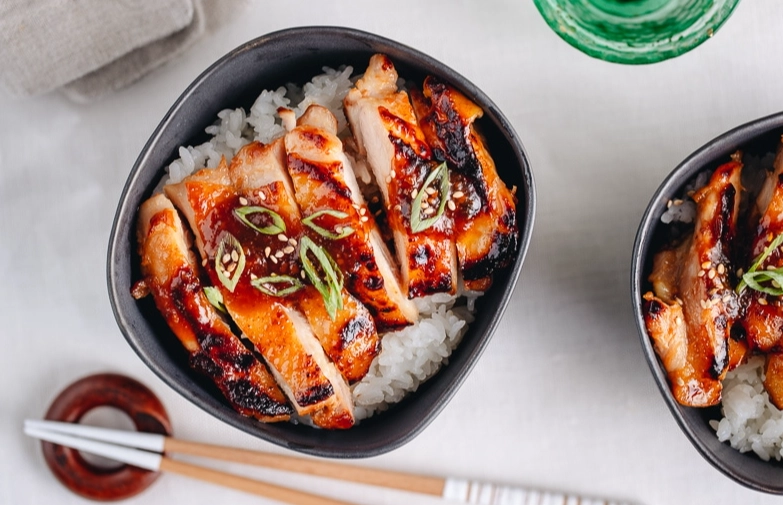
The Method:
- Set up a breading station: three shallow dishes with flour, beaten egg, and panko.
- Season chicken with salt and pepper. Dredge each piece in flour (shake off excess), dip in egg, then press firmly into the panko. Get a good, even coating. Let them rest on a rack for 5 minutes—this helps the coating adhere.
- Heat about 1/2 inch of oil in a heavy skillet (cast iron is perfect) over medium heat to 340°F (170°C). If you don't have a thermometer, a panko crumb dropped in should sizzle gently.
- Fry the cutlets for 5-6 minutes per side, until golden brown and the internal temperature reaches 165°F (74°C). Drain on a wire rack, not paper towels—this keeps the bottom crispy.
- Slice into strips and serve with shredded cabbage (a must!), steamed rice, a lemon wedge, and a drizzle of tonkatsu sauce.
The cabbage isn't just garnish. Its cool, crisp freshness cuts through the richness of the fried chicken. It's a non-negotiable part of the experience.
The 15-Minute Veggie Powerhouse: Yasai Itame (Japanese Stir-fry)
This is your versatile, clean-out-the-fridge side dish. The flavor base is simple: sesame oil, garlic, soy sauce, and a dash of sake or mirin.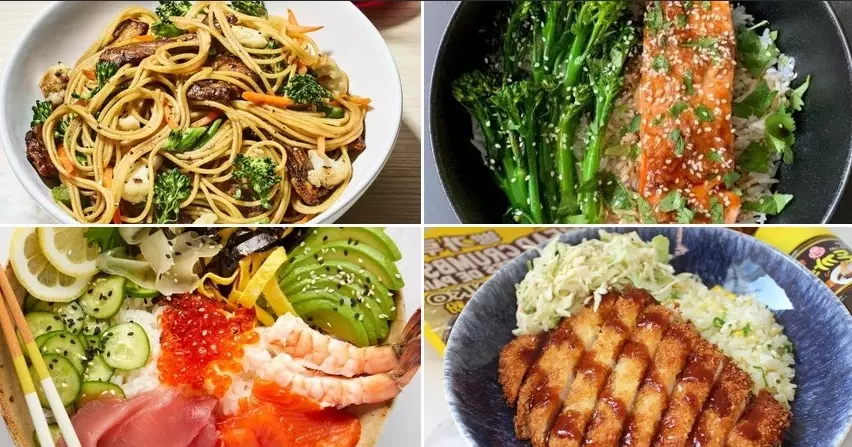
Let's make a classic cabbage and carrot version.
Ingredients: 1 tbsp sesame oil; 2 cloves garlic, minced; 1/4 small cabbage, roughly chopped; 1 carrot, julienned; 2-3 shiitake mushrooms, sliced (optional but great); 1 tbsp soy sauce; 1 tsp sake or mirin; pinch of white pepper; sesame seeds for garnish.
How to do it: Heat the sesame oil in a wok or large skillet over medium-high. Add garlic, stir for 20 seconds until fragrant. Crank the heat to high, add the harder veggies (carrot, cabbage core) first, stir-fry for 2 minutes. Add the rest of the cabbage and mushrooms. Stir-fry for another 3-4 minutes until veggies are wilted but still have a bite. Add the soy sauce and sake/mirin around the edge of the pan (it sizzles and reduces instantly). Toss everything together, season with white pepper. Done. Garnish with sesame seeds.
You can add protein—thinly sliced pork belly (buta no shogayaki style) or tofu. The whole process is faster than waiting for delivery.
How to Build a Balanced Japanese Meal
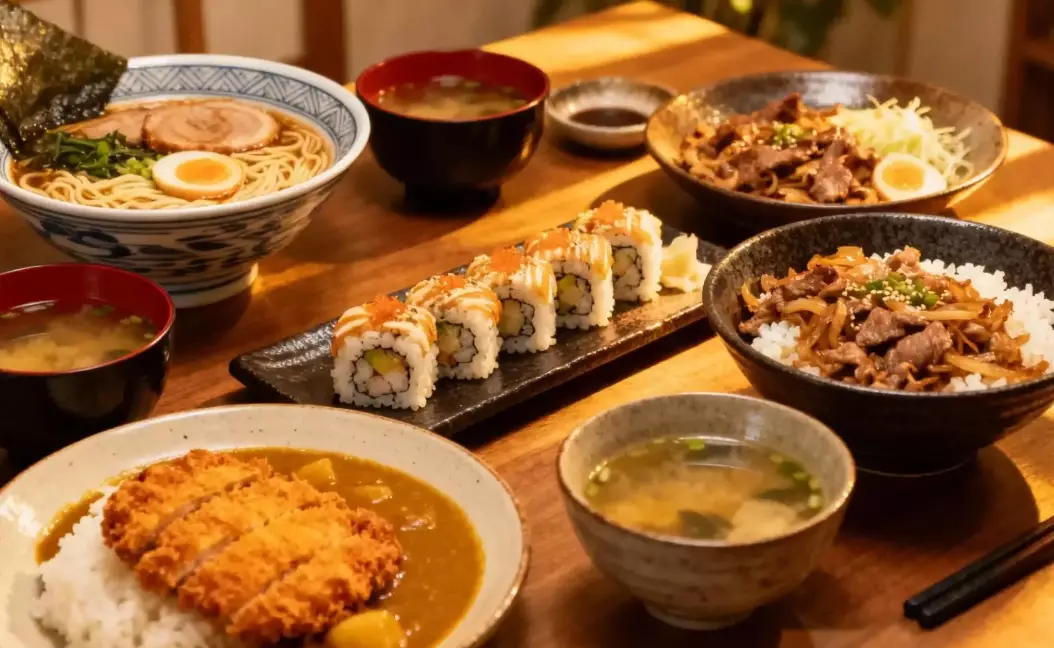
Let's apply the ichiju sansai idea with our recipes. You don't need to make all three from scratch every night. Mix, match, and use shortcuts.
Scenario: A 45-Minute Weeknight Dinner
- Main (Shusai): Miso-Glazed Salmon (marinate in the morning, broil for 10 min).
- Side 1 (Fukusai): Yasai Itame stir-fry (15 min, do this while the salmon marinates/oven heats).
- Side 2 (Fukusai): Store-bought sunomono (cucumber salad) or quick pickles (asazuke—just salt some cucumber slices for 10 minutes, rinse, and dress with rice vinegar).
- Soup (Shirumono): Instant miso soup. I'm not above it. Use dashi powder, miso paste, some wakame seaweed, and chopped green onion. 5 minutes.
- Rice (Gohan): Cook rice in a pot or rice cooker—start this first thing.
See? It's about strategy, not slaving. The salmon and stir-fry are your active cooking. The rest is assembly or using a smart store-bought helper.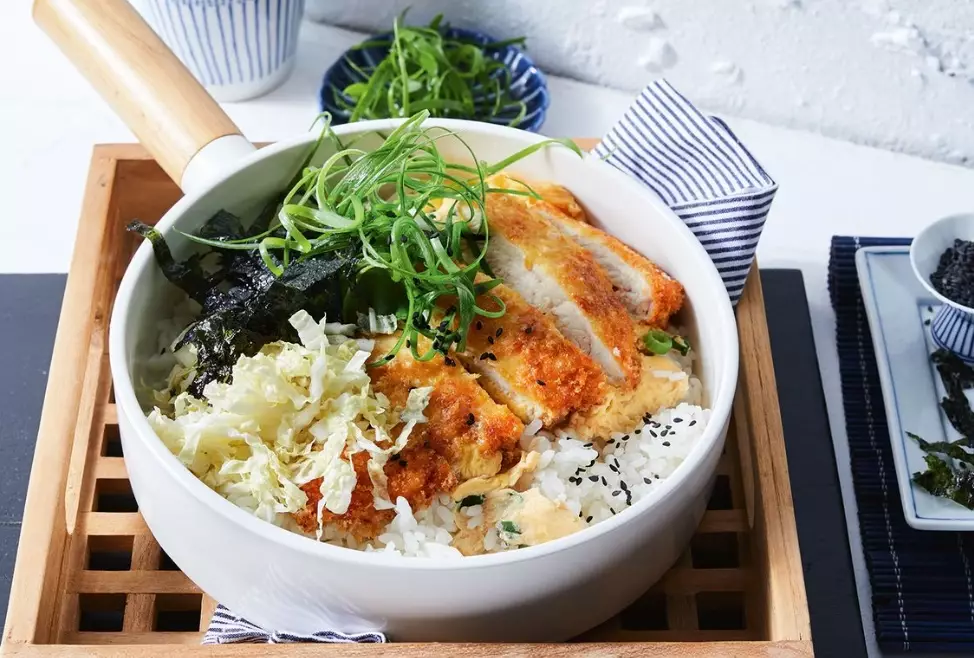
Your Japanese Cooking Questions, Answered
 Can I make a vegetarian or vegan Japanese dinner that still feels authentic?
The real secret to Japanese home cooking isn't in a single recipe. It's in the approach: respect for ingredients, balance on the plate, and the understanding that a great meal can be both simple and profoundly satisfying. Start with one recipe, master it, then build your meal around it. Before you know it, you'll be whipping up a complete Japanese dinner without a second thought.
Reader Comments