Let's get straight to it. A perfect plate of yaki soba isn't about fancy techniques or impossible-to-find ingredients. It's about nailing three things: the right noodles, a balanced sauce, and a fiercely hot pan. Get those wrong, and you'll end up with a soggy, bland mess. Do them right, and you've got a dish that rivals any Japanese restaurant or street food stall. I've made every mistake in the book over the years—from mushy noodles to a sauce that tasted like sweet ketchup—so you don't have to. This guide is the result of those lessons.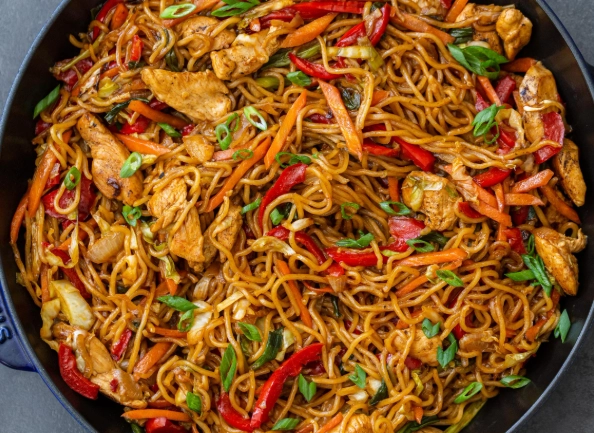
What You'll Find in This Guide
What is Yaki Soba, Really?
First, a quick clarification. "Yaki" means fried or grilled. "Soba" usually refers to buckwheat noodles. But here's the twist: authentic yaki soba is almost always made with chuka soba or "ramen noodles"—wheat-based, yellow, springy strands. They're par-boiled, which makes them perfect for stir-frying. Using actual buckwheat soba is a common home cook error; they're too delicate and fall apart in a hot wok. Think of yaki soba as Japan's answer to chow mein—a hearty, savory, slightly sweet and salty stir-fry that's a staple of home kitchens and festival food stalls.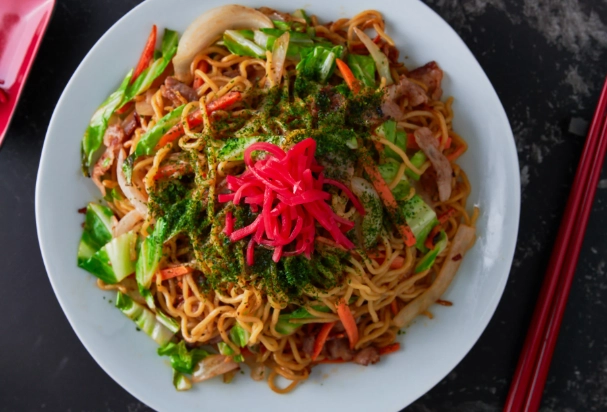
The flavor profile is built on a simple, homemade sauce of soy sauce, oyster sauce, Worcestershire sauce (a key, non-negotiable ingredient in Japan), and a touch of sugar or mirin. It's not complicated, but the balance is everything.
The Ingredients: A Simple Breakdown
You don't need a trip to a specialty store. Here's what goes into a classic, adaptable yaki soba for two hungry people.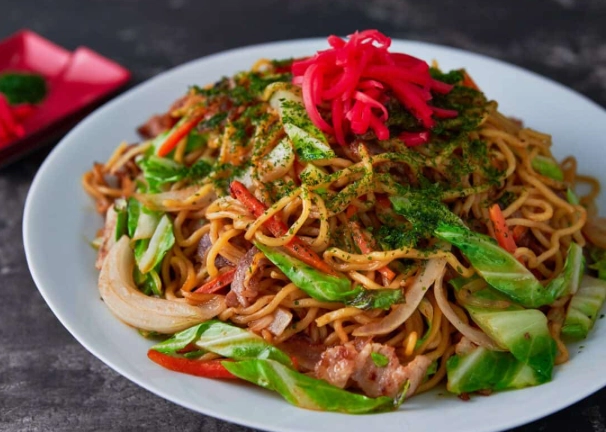
| Ingredient | What to Get & Why It Matters |
|---|---|
| Noodles (2 packs) | Look for "Yakisoba Noodles" or "Chuka Soba" in the refrigerated or frozen Asian aisle. Steer clear of instant ramen bricks. If you can't find them, fresh ramen noodles or even a thick lo mein work in a pinch. |
| Protein (150-200g) | Thinly sliced pork belly is traditional. Chicken thigh, shrimp, or firm tofu are excellent alternatives. |
| Vegetables | Cabbage (the backbone), carrot, onion, bell pepper, bean sprouts, green onion. The cabbage should be roughly chopped, not shredded fine. |
| Sauce Mix | This is the soul of the dish. • Soy sauce: 2 tbsp (for saltiness) • Oyster sauce: 1.5 tbsp (for depth) • Worcestershire sauce: 1 tbsp (for tangy complexity) • Mirin or sugar: 1 tsp (for balance) • A splash of water or dashi |
| Aromatics & Garnish | Garlic, ginger, benishoga (red pickled ginger), aonori (seaweed flakes), katsuobushi (bonito flakes). The pickled ginger is a must for me—it cuts through the richness. |
How to Make Yaki Soba: A Step-by-Step Guide
This isn't just a list of steps. It's the rhythm of cooking yaki soba. Misplace a step, and the texture suffers.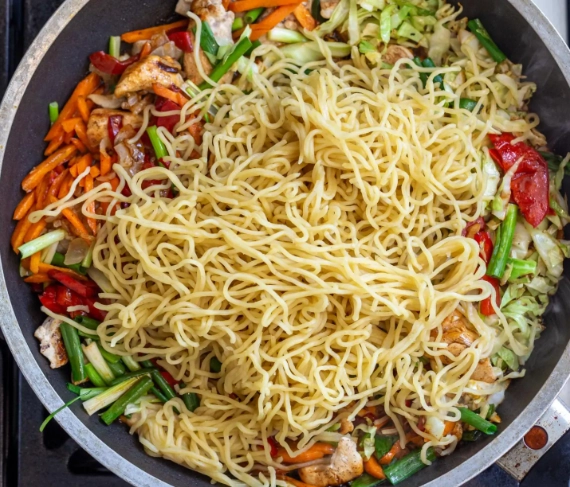
Step 1: The Prep Work (Mise en Place)
Slice all your protein and vegetables into uniform, bite-sized pieces. Mix your sauce in a small bowl and set it next to the stove. Separate the noodles if they're stuck together. Have everything within arm's reach. Once the fire is on, there's no time to chop.
Step 2: Cook the Noodles (But Not All the Way)
Follow the package directions, but subtract one minute from the boiling time. The noodles will finish cooking in the pan. Drain them immediately and rinse under cold water to stop the cooking. Toss with a few drops of oil to prevent sticking. This step is non-negotiable for perfect texture.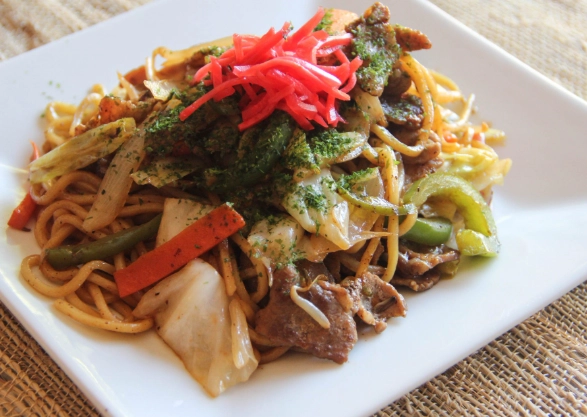
Step 3: The High-Heat Stir-Fry
Heat your pan or wok over the highest heat until it's almost smoking. Add a neutral oil with a high smoke point (canola, vegetable).
First, the protein. Add your meat or tofu. Let it sear without moving it for a minute to get color, then stir-fry until just cooked through. Remove and set aside on a plate.
Next, the hard veggies. Add a bit more oil if needed. Throw in the onions, carrots, and cabbage stems. Stir-fry for 2-3 minutes until they start to soften but still have a crunch.
Then, the soft veggies. Add the cabbage leaves, bell peppers, and minced garlic/ginger. Stir-fry for another minute until fragrant.
Step 4: The Grand Assembly
Push the vegetables to the sides of the pan, creating a well in the center. Return the cooked protein and any accumulated juices to the center. Add the par-cooked noodles on top. Now, pour your pre-mixed sauce evenly over everything.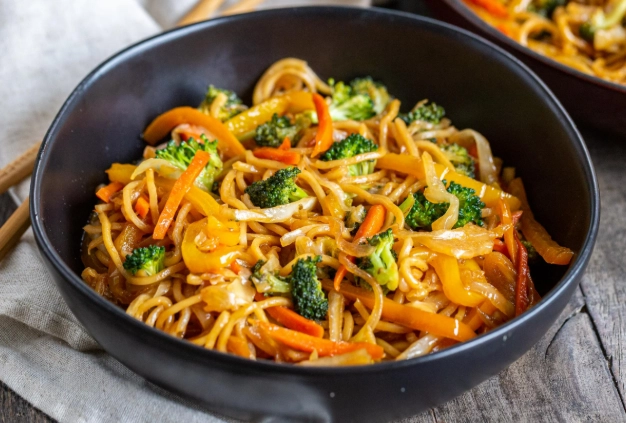
Here's where the magic happens. Using your tongs or chopsticks, start tossing and folding everything together vigorously. The goal is to coat every strand and vegetable piece with the sauce as it reduces and caramelizes in the intense heat. This should take 2-3 minutes max.
Add the bean sprouts and green onions last, giving them just 30 seconds to wilt slightly.
Step 5: Plate and Finish
Divide between plates. Immediately top with benishoga (red pickled ginger), a sprinkle of aonori, and if you're feeling fancy, some katsuobushi that will dance in the steam. Serve right away.
Pro Tips You Won't Find Elsewhere
After making this hundreds of times, here are the subtle tweaks that elevate good yaki soba to great.
Use kitchen scissors on the noodles. After boiling and draining, snip the noodle mass a few times with clean scissors. It makes tossing and eating much easier, just like they do at some street stalls.
Don't skimp on the cabbage. It seems like a lot when raw, but it wilts down dramatically. It provides crucial texture and a slight sweetness.
The sauce secret no one talks about: A tiny splash (like a teaspoon) of the noodle boiling water added to your sauce mix helps it cling to the noodles better than plain water.
Consider the two-step veggie cook. If you want real restaurant texture, stir-fry the cabbage separately until it gets a few browned, slightly crispy edges (this is called "okoge"), then remove it and add it back at the end. It adds a fantastic smoky depth.
3 Common Mistakes That Ruin Yaki Soba
I've committed all these sins. Learn from my failures.
1. Using the wrong noodles. This is the biggest one. Soft, fresh udon or delicate buckwheat soba will turn to glue. You need the springy, chewy texture of chuka soba. The package often says "yakisoba noodles" for a reason.
2. A watery sauce. If your sauce is too thin or you add too much, you'll braise the noodles instead of fry them. The result is a soggy, steamy pile. Your sauce should be syrupy, not brothy. If it looks too wet in the pan, crank the heat and keep tossing to evaporate the liquid.
3. Fear of high heat. A lukewarm pan will stew your ingredients. You need that violent, quick cooking to get the "wok hei"—the slightly charred, smoky flavor. Don't be shy. Let the pan get properly hot before you add anything.
Your Yaki Soba Questions Answered
Can I use spaghetti instead of yakisoba noodles?
Can I make yaki soba ahead of time for meal prep?
How do I make a vegetarian or vegan yaki soba?
My yaki soba always sticks to the pan. What am I doing wrong?
What's the difference between yaki soba and yaki udon?
I don't have Worcestershire sauce. What can I use?
Reader Comments