Let's be honest. When you think of Japanese food for dinner, you might picture intricate sushi rolls, hours of simmering broth, or a table full of tiny, complicated dishes. It feels like a restaurant-only affair. I used to think that too, until I lived in Tokyo for a while and saw how my neighbors actually cooked on a Tuesday night. The secret? Japanese home cooking, or washoku, is built on simplicity, pantry staples, and quick techniques. It's designed to be nourishing and fast. The goal isn't perfection; it's getting a hot, satisfying meal on the table without the drama.
Tonight, we're throwing out the idea that Japanese food is hard. We're focusing on three cornerstone recipes that are faster than ordering takeout, use ingredients you can find anywhere, and deliver that authentic, umami-rich flavor you crave. No special tools, no day-long marinating. Just good food, fast.
What's Inside This Guide
Recipe 1: Oyakodon (Chicken & Egg Bowl) – The 15-Minute Comfort Food
Oyakodon means "parent-and-child bowl," a poetic name for chicken and egg simmered in a sweet-salty sauce over rice. It's the ultimate Japanese comfort food and a weeknight hero. The entire dish cooks in one skillet or donburi pan in about the time it takes your rice cooker to finish.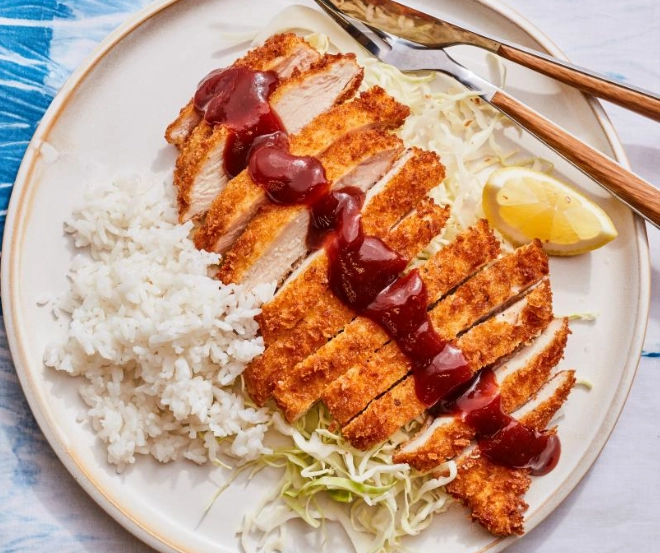
Oyakodon at a Glance
- Total Time: 15 minutes
- Key Flavor: Sweet, savory, deeply comforting
- Best For: When you're tired, hungry, and need something reliable.
Here’s what you need. Notice there's no obscure item. If you don't have mirin, a common Japanese sweet cooking wine, a tiny pinch of sugar in your dashi/soy mix works in a pinch.
| Ingredient | Amount & Notes |
|---|---|
| Boneless, skinless chicken thigh | 1 large (about 200g), cut into bite-sized pieces. Use thigh, not breast. Breast dries out too fast here. |
| Onion | 1/2 medium, thinly sliced |
| Eggs | 2 large, lightly beaten (don't over-mix; streaks of white and yolk are good) |
| Dashi stock | 150 ml (2/3 cup). Instant dashi granules dissolved in hot water are perfectly authentic. |
| Soy sauce (usukuchi if possible) | 1.5 tbsp |
| Mirin | 1.5 tbsp |
| Sugar | 1 tsp |
| Cooked Japanese short-grain rice | For serving |
| Mitsuba or green onion | For garnish (optional) |
How to Make Oyakodon: The Foolproof Method
Combine the dashi, soy, mirin, and sugar in a small bowl. Set aside. This is your sauce.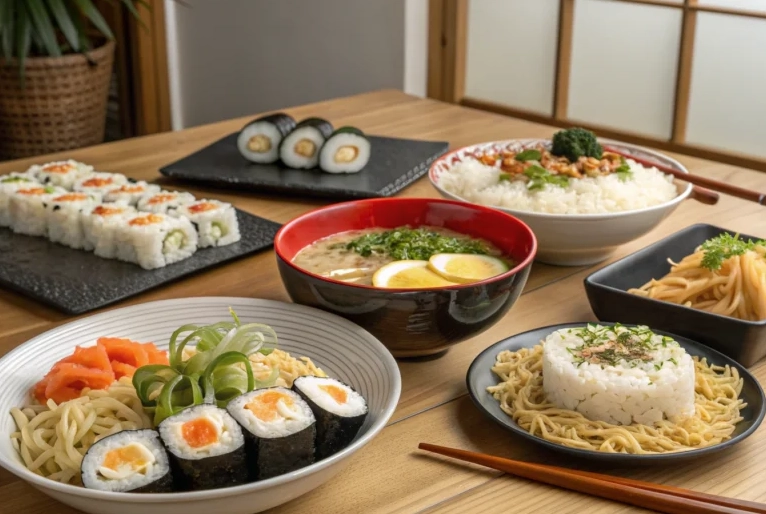
In a small skillet or donburi pan, lay the sliced onion in a single layer. Pour the sauce over it. Bring to a simmer over medium heat.
Add the chicken pieces on top of the onions. Let it simmer for 4-5 minutes, until the chicken is mostly cooked through. Spoon the sauce over the chicken a few times.
Here's the crucial part for the eggs. Pour the beaten eggs evenly over the chicken and onion. Immediately cover the pan with a lid. Cook for exactly 1 minute for a soft, custardy set, or 1.5-2 minutes if you prefer it more firm.
Slide the entire contents over a bowl of hot rice. The residual heat will finish the eggs. Garnish if you like.
Recipe 2: Ginger Pork (Shogayaki) – The Flavor-Packed Stir-Fry
If you love the punch of ginger, this is your dish. Shogayaki is thinly sliced pork loin stir-fried in a gingery, soy-based sauce. It's ridiculously fast, and the marinade does double duty as the sauce. I'd argue it's easier than most Chinese-style stir-fries because there's no cornstarch slurry to worry about.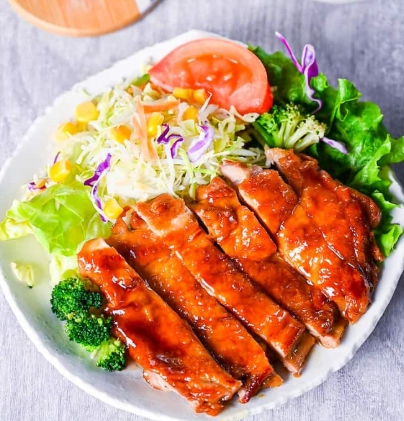
You'll need thinly sliced pork. If your supermarket doesn't have it pre-sliced for hot pot or stir-fry, pop a pork loin in the freezer for 30 minutes. It firms up and becomes much easier to slice paper-thin.
| Ingredient | Amount & Notes |
|---|---|
| Thinly sliced pork loin or shoulder | 300g (about 2/3 lb) |
| Fresh ginger | 1-inch knob, grated (about 1 tbsp juice and pulp). Bottled ginger paste works, but fresh is brighter. |
| Soy sauce | 2 tbsp |
| Sake or dry white wine | 1.5 tbsp |
| Mirin | 1.5 tbsp |
| Sugar | 1 tsp |
| Neutral oil (canola, vegetable) | 1 tbsp |
| Shredded cabbage | For serving (the classic, crunchy side) |
Cooking Ginger Pork: A 2-Step Process
Mix the grated ginger, soy, sake, mirin, and sugar in a bowl. Add the pork slices and massage the marinade in. Let it sit for 10 minutes if you have time, or just go for it. No need to wait hours.
Heat the oil in a large pan or wok over high heat. Shake excess marinade off the pork (save the marinade!) and add the pork to the pan in a single layer. Don't crowd it. Sear for about 1-2 minutes per side until browned and cooked through. Remove the pork to a plate.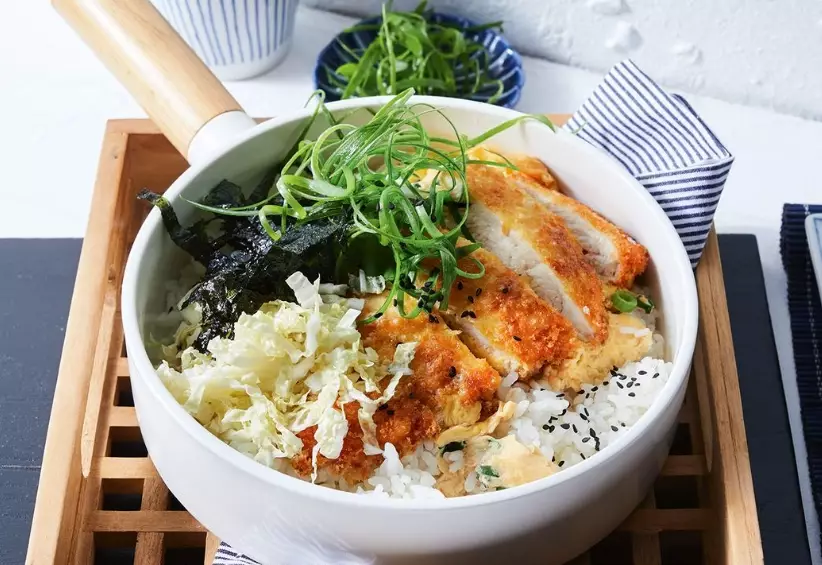
Pour the reserved marinade into the hot pan. It will bubble and reduce quickly—within 30-45 seconds—into a glossy, thickened sauce. Return the pork to the pan, toss to coat, and you're done.
Serve over rice with a big pile of fresh, shredded cabbage. The cool cabbage cuts through the rich, gingery sauce perfectly.
Recipe 3: Miso-Glazed Mackerel (Saba no Misoni) – The Hands-Off Protein
This is for when you want something hearty and packed with omega-3s but want to be mostly hands-off. Mackerel (saba) is a fatty, flavorful fish that stands up to bold miso. We're using a simmering method called nitsuke, which sounds fancy but is just "simmered in seasoned liquid." It infuses the fish with flavor and keeps it incredibly moist.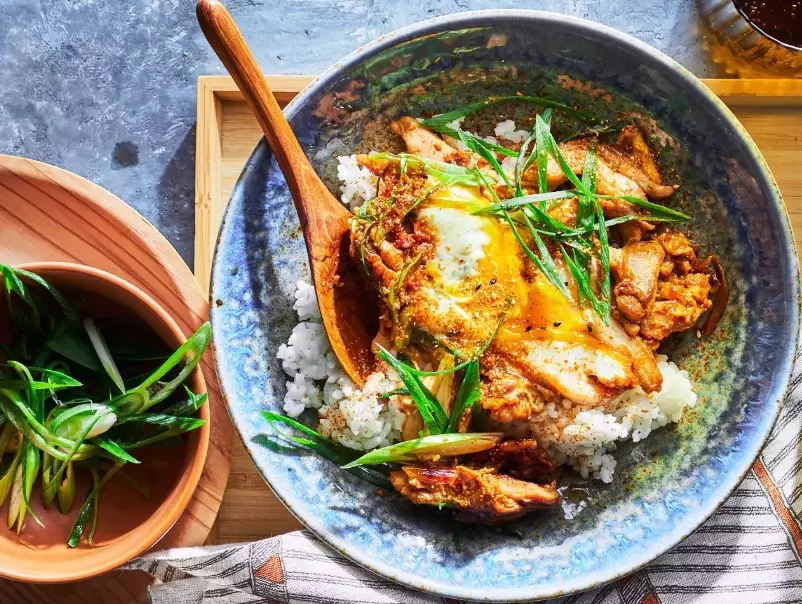
Some people are scared of cooking fish. This method is forgiving. The simmering liquid does the work.
| Ingredient | Amount & Notes |
|---|---|
| Mackerel fillets | 2, cut into 2-3 inch pieces (ask your fishmonger to do this) |
| White (shiro) miso paste | 1.5 tbsp |
| Sake | 3 tbsp |
| Mirin | 2 tbsp |
| Soy sauce | 1 tbsp |
| Water | 100 ml (a bit less than 1/2 cup) |
| Ginger | 3 thin slices |
Simmering Your Mackerel to Perfection
In a bowl, whisk together the miso, sake, mirin, and soy sauce until the miso is mostly dissolved. Stir in the water.
Choose a pan just large enough to hold the fish in a single layer. Place the ginger slices on the bottom—this prevents sticking and adds aroma. Lay the mackerel pieces skin-side up on the ginger.
Pour the miso mixture over the fish. It should come about halfway up the sides of the fillets.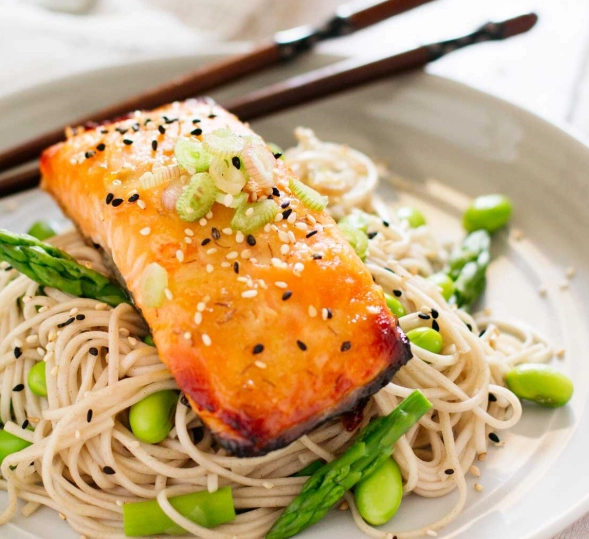
Bring to a gentle simmer over medium heat. Once simmering, reduce the heat to low. Place a piece of parchment paper directly on the surface of the liquid (a otoshibuta or "drop lid"). This keeps the fish submerged and the flavor even. If you don't have parchment, a small, flat pot lid will do.
Simmer gently for 12-15 minutes. Don't boil. Just let it bubble lazily. The sauce will reduce and thicken slightly. The fish will be opaque and flaky.
Serve with rice and maybe some steamed greens like spinach or broccoli. Spoon a little of the reduced sauce over the fish.
The 3 Most Common Mistakes in Simple Japanese Cooking (And How to Avoid Them)
After teaching these recipes for years, I see the same slip-ups. Avoid these, and you'll jump from "good attempt" to "this tastes legit."
Mistake 1: Using the wrong soy sauce as a default. Most recipes online call for koikuchi (dark) soy. It's fine, but for dishes like Oyakodon, the lighter-colored, saltier usukuchi soy sauce is traditional. It gives a cleaner color and sharper saltiness. If you can only get one, get koikuchi. But if you see usukuchi, grab it for simmered dishes and soups.
Mistake 2: Skipping dashi and using just water. Dashi is the soul of Japanese cooking. It's not just "fish stock." It's a delicate umami broth made from kelp and bonito flakes. Using water in the Oyakodon sauce will make it taste flat and one-dimensional. Instant dashi granules (like Hondashi) are not a compromise; they're a pantry staple in Japanese homes. Keep a jar. It lasts forever.
Mistake 3: High heat all the time. Western cooking often sears and sautés over high heat. Japanese home cooking often uses medium-low to medium heat for simmering and reducing. Boiling the miso sauce for the mackerel will make it separate and taste bitter. Simmering the Oyakodon sauce too hard will toughen the chicken. Patience with lower heat is key.
Your Quick Japanese Dinner Questions, Answered
So there you have it. Three dinners that break the myth that Japanese food is complicated. It's about simple ingredients treated with respect. Start with the Oyakodon tonight. It's the gateway dish. Once you see how fast it comes together, you'll realize a comforting, homemade Japanese dinner is just 15 minutes away, any night of the week.
Reader Comments