Quick Navigation
Let's be honest. You're probably here because you love Japanese food, maybe you've seen those beautiful, compartmentalized trays with a little bit of everything, and a nagging thought pops into your head in the middle of your meal: wait, is this teishoku actually healthy? Or are you just convincing yourself it is because it feels more virtuous than a burger and fries?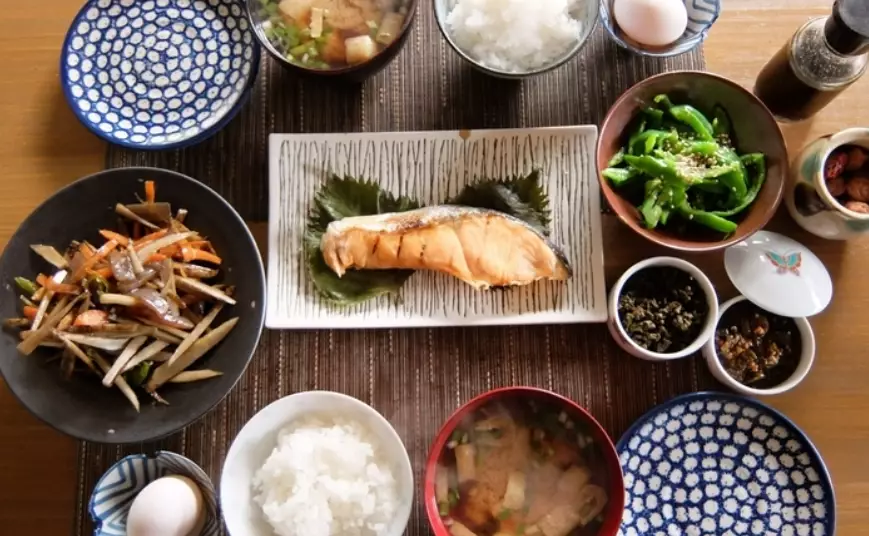
I've been there. Sitting in a cozy restaurant in Tokyo, staring at my elegant tonkatsu teishoku—crispy fried pork cutlet, a mound of white rice, a small salad, a bowl of miso soup, and some pickles. It looks balanced. It feels traditional. But my nutritionist brain starts doing the math: frying oil, refined carbs, salty soup... hmm.
The short, frustrating answer is the classic one: it depends. Asking "is teishoku healthy?" is like asking "is a sandwich healthy?" It entirely hinges on what's inside it, how it's made, and the portions. But unlike a mystery sandwich, the teishoku format gives us a fantastic framework to work with. It's a built-in guide to a complete meal, and that's where its real power—and potential pitfall—lies.
What Exactly Is Teishoku?
Before we dive into the nutrition, we need to be on the same page about what we're talking about. A teishoku isn't just a main dish with rice on the side. It's a specific, traditional meal architecture designed for completeness and satisfaction.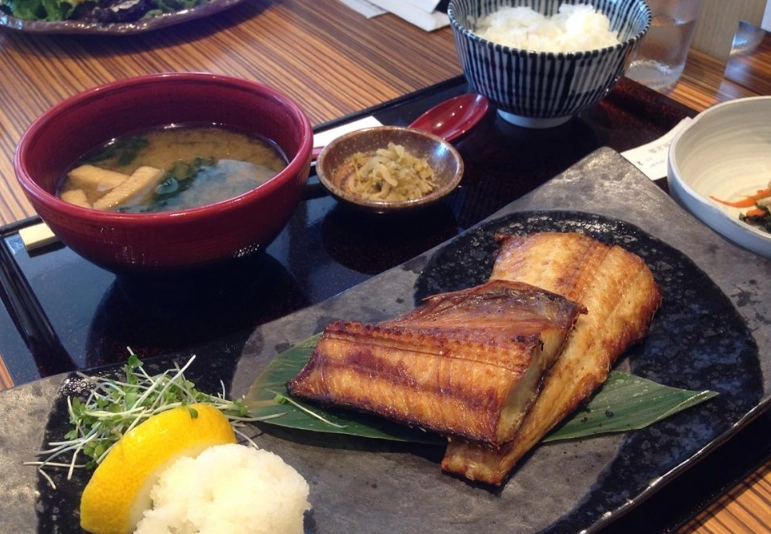
The genius of the system is its implicit balance. You have your energy (rice), your building blocks (protein from fish, meat, or tofu), your hydration and umami (soup), and your digestive aid/fiber/vitamins (pickles and veggies). It's a holistic approach to eating that instinctively combats the modern habit of eating just a giant portion of one thing—like a massive pasta bowl or a huge steak with nothing else.
I remember my first "real" teishoku at a working-class restaurant in Osaka. It wasn't fancy. It was grilled mackerel, rice, miso soup with tofu and wakame, some simmered kabocha squash, and pickled daikon. It was hearty, deeply satisfying, and I didn't feel stuffed or sluggish afterwards. That experience is what got me hooked and made me ask the deeper question: is teishoku healthy by design, or was that just a good example?
The Health Benefits of a Well-Balanced Teishoku
When done right, the teishoku format is a nutritional powerhouse. It aligns surprisingly well with modern dietary guidelines without even trying to. Let's break down why.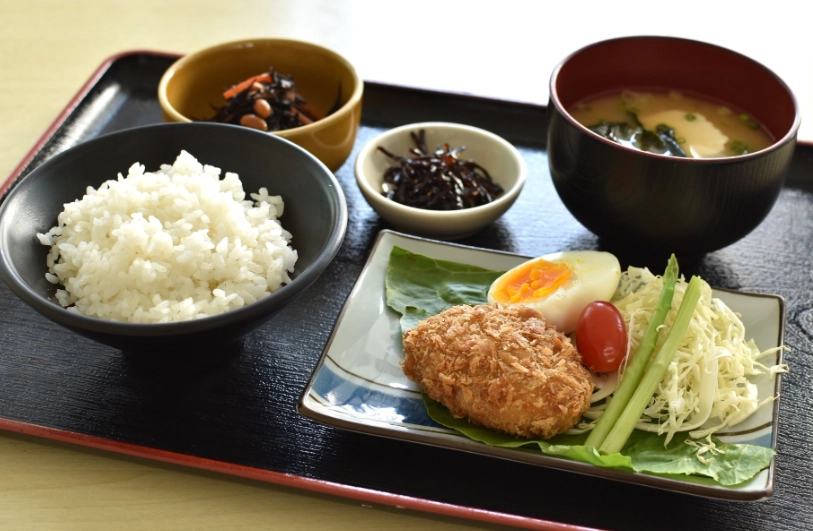
Built-In Portion Control
This is arguably its biggest strength. The compartmentalized tray or separate bowls create natural boundaries. The rice bowl is a standard size. The protein portion is usually the size of your palm. The soup is in a small bowl. You're less likely to massively overeat any single component compared to, say, a bottomless bowl of pasta or a 16-ounce steak served on its own. It visually reinforces a balanced plate—or in this case, a balanced tray.
The Power of Protein + Carb Combo
A proper teishoku always pairs a carbohydrate (rice) with a protein. This isn't just for taste. This combination helps stabilize blood sugar levels. The protein and fat from the main dish slow down the digestion of the carbohydrates from the rice, providing a steadier release of energy and helping you feel full and satisfied for longer. No mid-afternoon crash. Compare that to a lunch that's just a large bowl of fried rice or noodles, which can spike your blood sugar and leave you hungry again soon after.
Diversity on a Tray
Even a simple teishoku offers 4-5 different food items. This variety increases the chances you're getting a wider range of nutrients—some vitamins from the pickles (though often via fermentation, not fresh), minerals from the seaweed in the soup, fiber from the vegetables, and different amino acids from the protein. It's a form of dietary diversity, which is a cornerstone of good gut health and overall nutrition.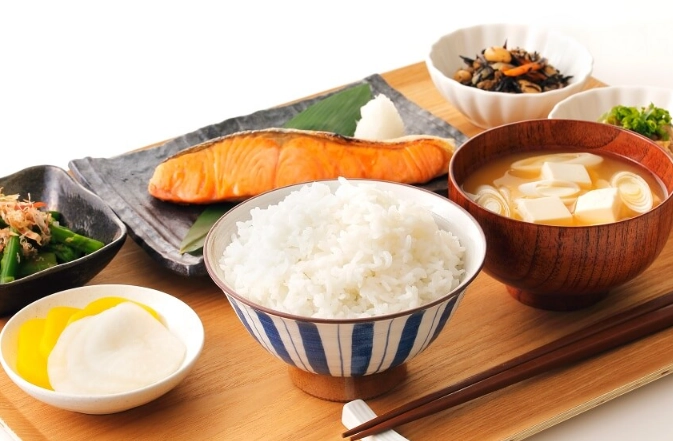
Mindful Eating Structure
The separate bowls encourage you to eat in a certain rhythm. You take a bite of fish, then some rice. You sip soup between bites. You nibble on the pickle to cleanse your palate. This pace is naturally slower than shoveling food from one large plate. Slower eating aids digestion and allows your brain to register fullness signals, preventing overeating.
So, based on this structure, you might be leaning towards a confident "yes" to is teishoku healthy. Hold that thought. Because the devil, as always, is in the delicious, delicious details.
Where Teishoku Can Go Wrong: The Not-So-Healthy Side
Here's where we get real. The traditional, idealized teishoku is one thing. The teishoku you're likely to encounter at many restaurants—both in Japan and abroad—can be a different story. This is the critical gap that most discussions miss.
The Sodium Trap
This is public enemy number one for the health score of a typical restaurant teishoku. Let's add it up:
- Miso Soup: A single bowl can contain 800-1000mg of sodium. That's over a third of the WHO's recommended daily limit of less than 2000mg.
- Soy Sauce & Dipping Sauces: Whether it's for tempura, tonkatsu, or as a seasoning for grilled fish, you're adding pure liquid sodium.
- Pickles (Tsukemono): Preserved in salt. A small portion can have 200-400mg of sodium.
- Main Dish Preparation: Many mains are grilled with tare (a sweet-salty glaze), simmered in salty broths, or deep-fried and served with salty sauces.
You can easily cross the 2000mg sodium threshold in a single meal without even shaking the soy sauce bottle aggressively. For someone with blood pressure concerns, this is a major red flag.
The Refined Carbohydrate Conundrum
Almost universally, the rice served is white rice (*hakumai*). It's polished, removing the bran and germ, which strips away most of the fiber, vitamins, and minerals. What's left is mostly starch. You get a large bowl of it. This can lead to a high glycemic load for the meal, especially if the protein portion is small or lean. Some places offer brown rice (*genmai*) as an option, often for a small extra charge, but it's not the default. This is a huge missed opportunity for fiber and nutrients.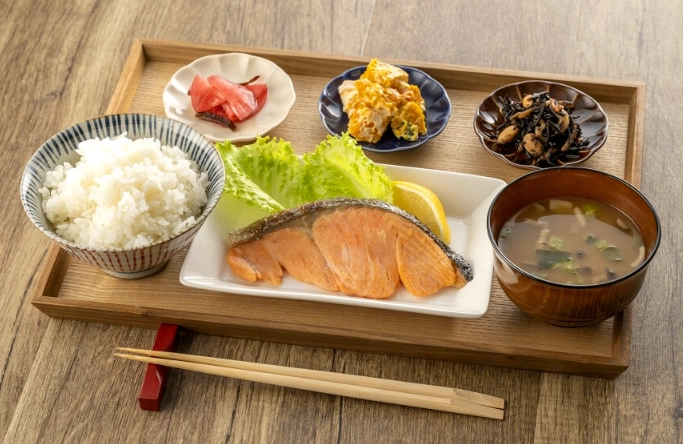
Fat and Cooking Methods
While Japanese cuisine has a reputation for being light, the popular teishoku mains tell a different story. Let's look at the usual suspects:
| Teishoku Type (Main Dish) | Typical Cooking Method | Primary Health Consideration | My Honest Take |
|---|---|---|---|
| Tonkatsu / Chicken Katsu | Deep-fried breaded pork or chicken cutlet | High in saturated fat, refined carbs (breading), calories. Often served with a heavy, sugary sauce. | A sometimes food, not an everyday "healthy" choice. The cabbage salad on the side is a nice touch, but doesn't offset the frying. |
| Tempura | Deep-fried battered seafood and vegetables | The oil absorption can be high. While it includes veggies, the nutrient loss from frying is significant. The batter is pure refined carbs. | Feels lighter than katsu, but it's still fried. The dipping sauce (*tentsuyu*) is also salty. |
| Grilled Fish (Yakizakana) | Grilled or broiled (often with salt) | Generally excellent. High-quality protein, omega-3s (especially from fish like mackerel, salmon). Low in saturated fat. | This is the gold standard. This is what you should look for when asking is teishoku healthy. Simple, minimal processing. |
| Ginger Pork (Shogayaki) | Thin pork slices stir-fried in a sweet-salty ginger sauce | Can be high in sugar and sodium from the sauce. Often uses fattier cuts of pork. | Tastes amazing, but the sauce is a hidden source of sugar and salt. Portion control is key. |
| Hamburg Steak (Hambagu) | Pan-fried ground meat patty (often a pork/beef mix) | Depends on the meat blend. Can be high in saturated fat. Usually smothered in a demi-glace sauce high in salt and sugar. | The Japanese-style comfort food. Delicious, but nutritionally it's closer to a Western meal—often heavy and rich. |
See the pattern? The healthiness of your teishoku swings wildly based on your main dish choice. A grilled mackerel teishoku and a tonkatsu teishoku are worlds apart nutritionally, yet they share the same "set meal" name.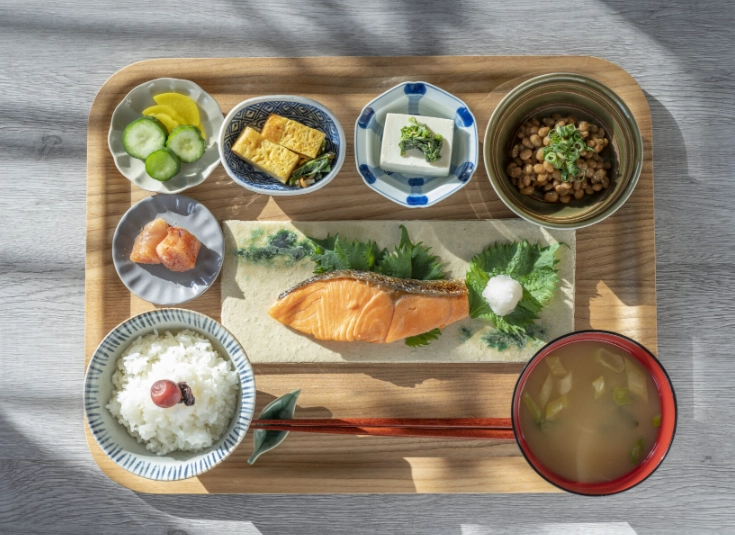
The Vegetable Shortfall
This is a big one that bugs me. While the teishoku structure *includes* vegetables, the quantity is often pathetic. A few shreds of cabbage under your tonkatsu, a tablespoon of simmered spinach, or three slices of cucumber in a sunomono salad. It's a token gesture, not a meaningful serving. Most guidelines recommend filling half your plate with vegetables. In a standard teishoku, vegetables might occupy 10-15% of the tray's real estate, if that.
So, is teishoku healthy? The framework is brilliant. The common execution? Often flawed.
How to Choose (or Build) a Healthy Teishoku
Now for the actionable part. You don't have to give up teishoku. You just have to become a smarter selector or builder. Here’s your strategy guide.
The Art of Ordering: A Restaurant Checklist
- Prioritize the Grill: When scanning the menu, your eyes should go straight to the items described as "grilled" (*yaki*), "broiled" (*shioyaki*), "steamed" (*mushimono*), or "simmered" (*nimono*). Grilled fish (saba, sanma, salmon) is the champion choice.
- Ask About Rice Options: Simply ask, "*Genmai wa arimasu ka?*" (Do you have brown rice?). Even if there's a small charge, it's worth it for the fiber boost. If not, consider asking for a smaller portion of white rice (*shōgohan de onegaishimasu*).
- Manage the Sodium:
- Soup Strategy: Drink only half the miso soup, or skip it altogether if you know the main dish is salty. It's okay not to finish it.
- Sauce on the Side: For dishes like tempura or tonkatsu, dip lightly. Don't pour sauce over everything.
- Go Easy on the Pickles: Treat them as a condiment, not a side dish.
- Supplement the Veggies: This is non-negotiable. Order an extra side salad (dressing on the side) or a side of boiled greens (*ohitashi*). Make the vegetable portion substantial.
- Beware of the "Value" Trap: The giant, cheap tonkatsu teishoku with unlimited rice and cabbage refills is not a health bargain. It's a calorie and refined carb bargain.
Building a Healthy Teishoku at Home
This is where you have full control and can create the truly ideal, healthy teishoku. The formula is simple:
- Main (1/4 of your plate): A palm-sized portion of lean protein. Baked salmon, miso-marinated cod, grilled chicken breast, tofu steak, or canned mackerel (a fantastic pantry staple).
- Rice (1/4 of your plate): A fist-sized portion of brown rice, mixed grains (*gokokumai*), or quinoa for a twist.
- Vegetables (1/2 of your plate): This is key. Fill half your plate with a variety of non-starchy vegetables. Steamed broccoli, roasted kabocha squash, a large spinach salad with wakame, stir-fried bean sprouts and peppers. This is the area where you massively upgrade the restaurant version.
- Soup (Optional/Smart): Make a lower-sodium miso soup. Use less paste, and load it up with vegetables, tofu, and seaweed. The Japanese Ministry of Agriculture, Forestry and Fisheries promotes *washoku* (Japanese dietary culture) for its balanced use of ingredients, and homemade soup is a perfect example.
- Pickles (Condiment): A small spoonful of naturally fermented pickles (like nukazuke) for probiotics, not the bright yellow, commercially pickled daikon.
When you build it yourself, the answer to is teishoku healthy becomes a resounding "yes, absolutely." You're leveraging the brilliant, balanced structure while optimizing every component.
Your Teishoku Questions, Answered
Is teishoku good for weight loss?
It can be a fantastic tool, but with major caveats. The portion control is helpful. The protein-carb balance promotes satiety. However, for weight loss, you must: 1) Choose grilled or steamed mains exclusively (no fried). 2) Opt for brown rice or ask for half the white rice. 3) Drastically increase the vegetable portion by ordering extra sides. 4) Be militant about sodium, as it can cause water retention. A grilled fish teishoku with extra veggies and half a bowl of brown rice is a stellar weight-loss meal. A tonkatsu teishoku is not.
What's the healthiest teishoku to order?
Hands down, a Grilled Fish (Yakizakana) Teishoku, with brown rice if available, coupled with an extra order of vegetables. Fish like mackerel, sardines, or salmon provide omega-3 fatty acids, which are anti-inflammatory and great for heart and brain health. Request the fish to be simply salted, not basted in a sweet sauce.
Can vegetarians eat a healthy teishoku?
It's challenging at standard restaurants, but not impossible. Look for:
- Yudofu Teishoku: Simmered tofu in a light broth. A classic and healthy choice.
- Vegetable Tempura: Not the healthiest due to frying, but a common veg option. Pair it with a large salad.
- Nasu Dengaku: Miso-glazed eggplant (can be high in sugar/salt, but is plant-based).
- Hiyayakko: Chilled tofu with toppings.
Your best bet is often at specialist tofu restaurants or Shojin Ryori (Buddhist vegetarian cuisine) restaurants, where the entire teishoku is designed to be balanced and plant-based.
How does teishoku compare to a bento box?
They're cousins. A bento is also a compartmentalized meal, but it's often designed for portability (lunch box). Bentos can be just as varied—some are incredibly balanced with small portions of many items, others are dominated by fried foods and rice. The same rules apply: judge by the contents, not the container. A bento filled with karaage (fried chicken), tamagoyaki, and white rice isn't inherently healthier than a teishoku.
Is the rice portion too big?
Usually, yes. The standard bowl served is about 150-200g of cooked rice (roughly 200-270 calories), which is a substantial amount of refined carbohydrates. For most sedentary adults, it's a large portion. This is why asking for less rice (*shōgohan*) or swapping to a smaller portion of fiber-rich brown rice is one of the single most impactful changes you can make when evaluating if your teishoku is healthy.
The Final Verdict: Is Teishoku Healthy?
Let's wrap this up with a clear, nuanced answer.
The teishoku concept and structure are inherently healthy. It promotes balance, variety, portion awareness, and a mindful eating pace. It's a far cry from the chaotic, single-item meals that dominate modern eating. In this sense, the traditional wisdom behind it is sound and worth embracing.
The common modern restaurant execution, however, often undermines these strengths with excessive sodium, refined white rice, large portions of fried foods, and skimpy vegetables. This is the version that makes people wonder, is teishoku healthy, and often leads to a misleading "no."
Therefore, teishoku is not a guaranteed health food. It's a template—a potentially excellent one. Your job is to be the editor of that template.
Choose the right main (grill over fry). Upgrade the rice (brown over white). Attack the vegetable deficit (order extra). Manage the sodium (soup and sauce savvy). When you do that, you transform a potentially problematic restaurant meal into one of the most balanced, satisfying, and genuinely healthy meals you can eat out.
Or, take the template home and build your own masterpiece. Use resources like the Harvard Healthy Eating Plate as a guide—it aligns almost perfectly with an optimized teishoku structure: half the plate vegetables, a quarter quality protein, a quarter whole grains.
So, next time you see a teishoku, don't just ask if it's healthy. Ask how you can make it healthier. That's the real secret.
Reader Comments