Let's cut right to the chase. Is a yellowtail a tuna? No, it absolutely is not. They are completely different fish from different families, living different lives, and offering different tastes. If you've ever stared at a sushi menu or a fish counter and felt a pang of uncertainty, you're not alone. The confusion is rampant, and it leads to people ordering or buying something they didn't expect. I've spent over a decade working with seafood, from wholesale markets to restaurant kitchens, and I've seen this mix-up happen more times than I can count. It's not just a trivia question—it affects your meal, your wallet, and even sustainable fishing choices. This guide will not only give you a clear answer but will arm you with the knowledge to never be confused again.
What You'll Learn in This Guide
The Biology Breakdown: Family Trees Matter
This is where the fundamental split happens. Calling a yellowtail a tuna is like calling a wolf a house cat because they're both furry. They belong to separate scientific orders.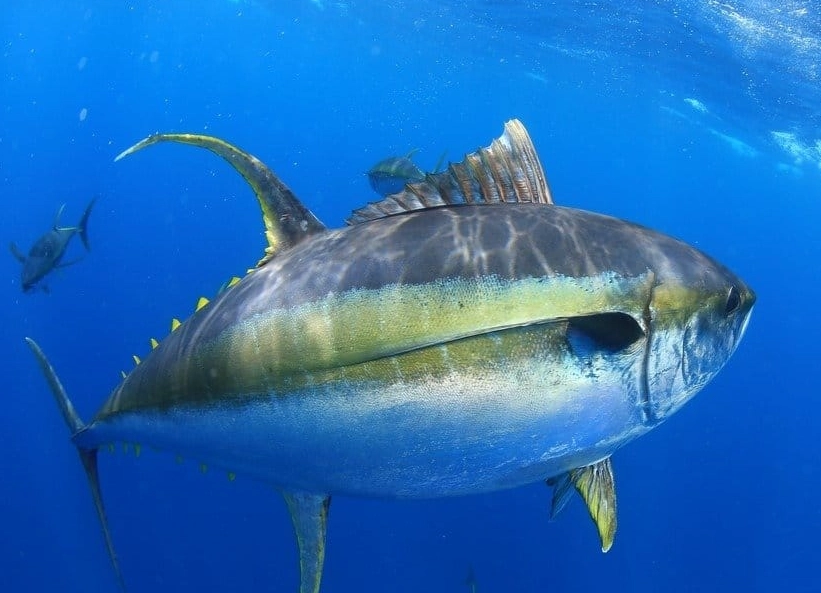
Yellowtail, most commonly referring to the Japanese amberjack or yellowtail amberjack (Seriola quinqueradiata), is a member of the Carangidae family (jack family). Think of other jacks, pompanos, and trevallies. They are coastal, predatory fish often found around reefs and kelp forests. Their life cycle is fascinating—they start as tiny fry caught in coastal waters and are often raised in aquaculture pens, which is why you see so much farmed hamachi.
Tuna, on the other hand, are oceanic powerhouses from the Scombridae family (mackerel family). This family includes mackerel, bonito, and of course, tuna species like Bluefin (Thunnus thynnus), Yellowfin (Thunnus albacares), and Albacore (Thunnus alalunga). These are long-distance, open-ocean migrants built for speed and endurance, with bodies engineered for constant swimming. Their biology is geared for the deep blue, not the coastal shelves.
Here's a subtle point most guides miss: The name "yellowtail" itself is a trap. It's a common name applied to several species. In the US Pacific, "yellowtail" often refers to the Seriola lalandi (yellowtail amberjack). In sushi contexts, it's almost always the Japanese amberjack. Meanwhile, in some contexts, "yellowtail tuna" is a misleading market name for Yellowfin Tuna. This naming mess is a primary source of the confusion. Always think of the scientific family: Carangidae vs. Scombridae.
How to Spot the Difference: A Buyer's Cheat Sheet
You don't need a PhD in ichthyology. At the market or on your plate, look for these tell-tale signs. Let's put it in a table for quick reference, then I'll add the color commentary you won't find elsewhere.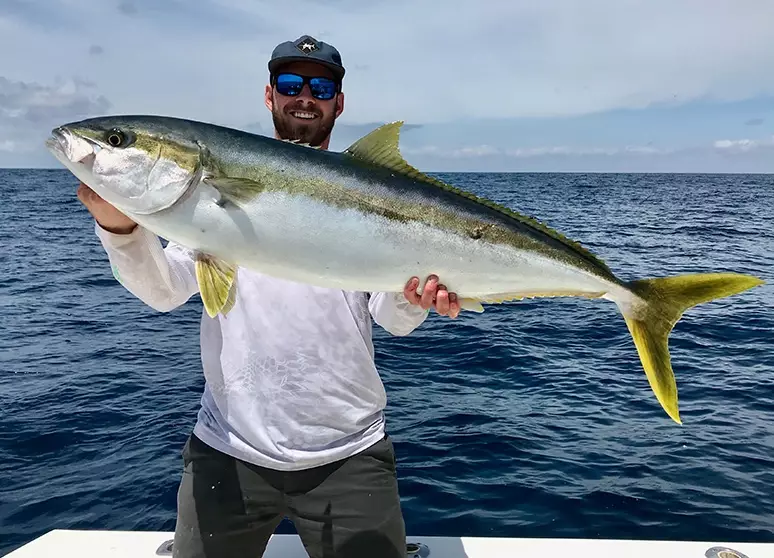
| Feature | Yellowtail (Hamachi/Amberjack) | Tuna (e.g., Bluefin, Yellowfin) |
|---|---|---|
| Fillet Color (Raw) | Pale pink to light beige, often with a slight greyish hue. Fat is white. | Deep red to ruby red (Bluefin), bright red (Yellowfin), pale pink (Albacore). Fat can be creamy white or richly marbled. |
| Texture (Raw) | Firm yet tender, with a distinct but fine grain. Has a noticeable "bite" or resistance. | Dense, meaty, and ultra-smooth. Melts with a buttery feel if high-grade (Bluefin otoro). |
| Fat Content | Fat is distributed in discrete, visible layers or lines between the muscle segments. | Fat is intricately marbled within the muscle, like a prime steak (especially in Bluefin). |
| Flavor Profile | Rich, buttery, with a distinctive, almost "green" or grassy finish. Flavor is bold. | Clean, meaty, mildly sweet. The flavor is pure and oceanic, with fat adding umami richness. |
| Price Point (Sushi) | Moderate. Often a premium but accessible option. | Can be extremely high (Bluefin otoro) to moderate (Yellowfin). |
The fat distribution is the dead giveaway once you know to look for it. Yellowtail fat looks like lines on a topographic map. Tuna fat, especially in premium cuts, looks like the snow on a marble cake—completely integrated. I've watched seasoned cooks mistake a pale slice of bigeye tuna for hamachi because they only glanced at the color. Look for the marbling.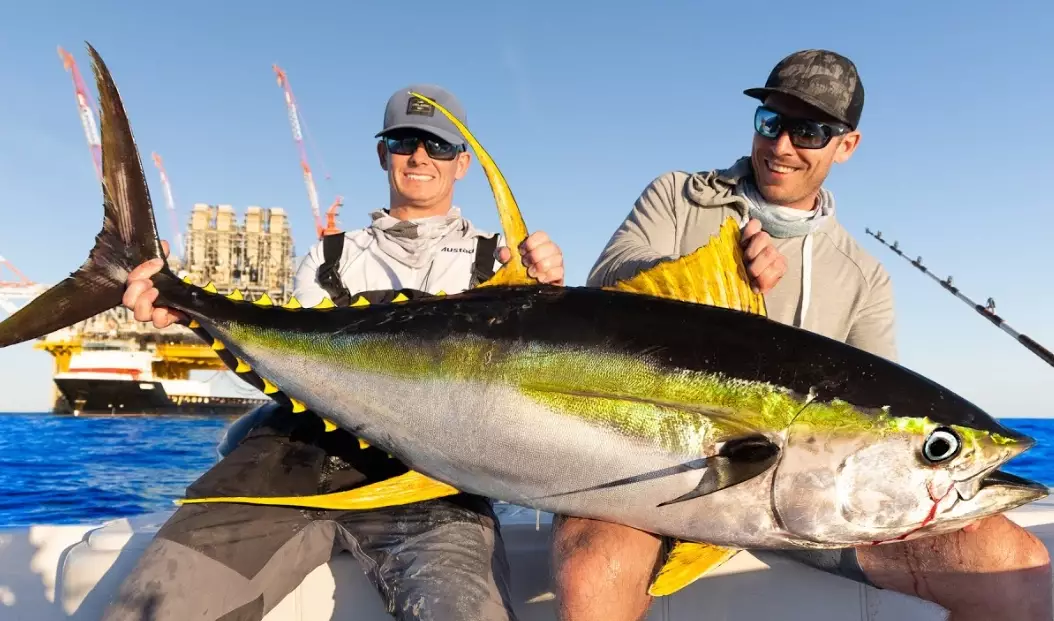
Whole Fish Clues (If You're at the Market)
If you're lucky enough to see them whole, the differences are stark. A yellowtail has a more streamlined, torpedo-like body with a distinctive yellow stripe running from nose to tail (hence the name) and a forked tail. A tuna is a bullet. Its body is more rounded and robust in cross-section, built for hydrodynamics, with finlets running along the top and bottom rear towards the sickle-shaped tail. The eyes of a fresh tuna are also enormous compared to most fish.
Taste & Texture: The Real-World Cooking Difference
This is where the rubber meets the road. Why does knowing the difference matter on your fork?
Yellowtail (Hamachi) has a higher moisture content and that distinct layered fat. When you eat it raw, the flavor is robust and lingers. That slightly grassy, rich finish is its signature. Because of its firm texture, it stands up well to bold preparations: searing, grilling, or being served with pungent sauces like ponzu or yuzu kosho. A perfectly seared hamachi kama (collar) is a testament to its meaty structure.
Tuna, particularly bluefin, is about sublime, clean richness. The texture of a good piece of akami (lean red meat) is supremely smooth. The fat of otoro isn't chewy; it dissolves. Its flavor is less "fishy" than yellowtail and more purely oceanic and sweet. It's often best served with minimal intervention—maybe a dab of soy sauce and grated wasabi to not mask its inherent quality. Cooking tuna requires care; you generally want it rare in the center, or it dries out and loses its magic.
Here's a personal take: I find yellowtail more versatile for the home cook. It's forgiving and packs a flavor punch that works in many cuisines. Tuna, especially the good stuff, demands respect and simplicity. Over-sauce a piece of bluefin otoro, and you've committed a culinary crime.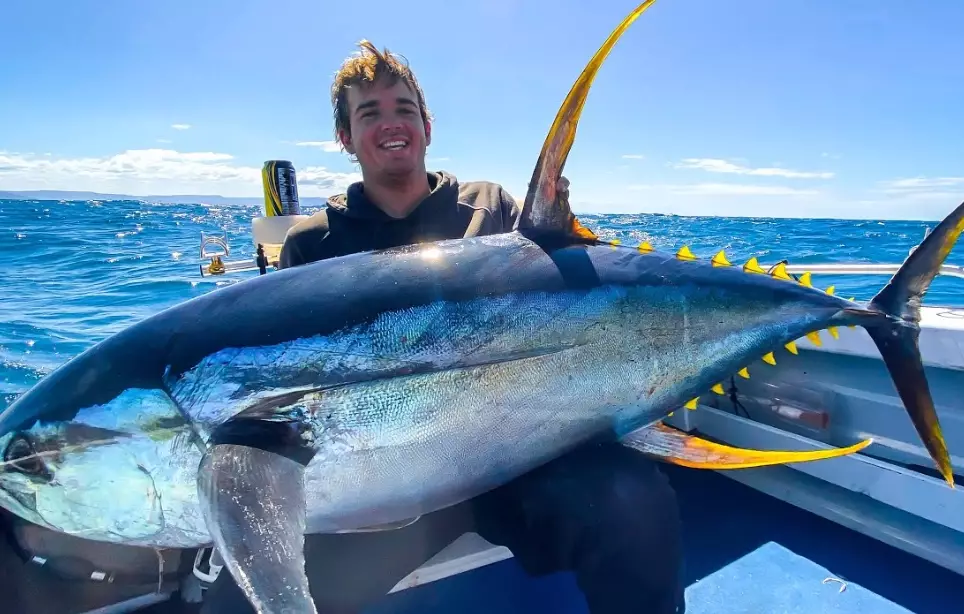
Navigating Sushi Bar Names: Hamachi, Buri, and Maguro
The sushi lexicon adds another layer. Let's decode it.
Hamachi (はまち) and Buri (ブリ) are both Japanese amberjack, just at different life stages. Hamachi typically refers to a younger, farmed fish (under 80cm), prized for its tender flesh and consistent fat. Buri is the wild, mature, larger version, caught in winter, with a more complex flavor and firmer texture. It's often considered the premium offering.
Maguro (マグロ) is the generic term for tuna. But then it gets specific:
- Akami (赤身): The lean, red meat from the back.
- Chutoro (中とろ): Medium-fatty tuna, from the belly area.
- Otoro (大とろ): The fattiest, most prized cut from the lower belly.
- Negitoro (ねぎとろ): A scraped mixture of fatty tuna and green onion.
If you see "Yellowtail" on a Western menu, it's almost certainly hamachi. If you see "White Tuna," be very wary. This is a notorious misnomer often used for Escolar (a oily fish that can cause digestive issues) or sometimes Albacore Tuna. Always ask.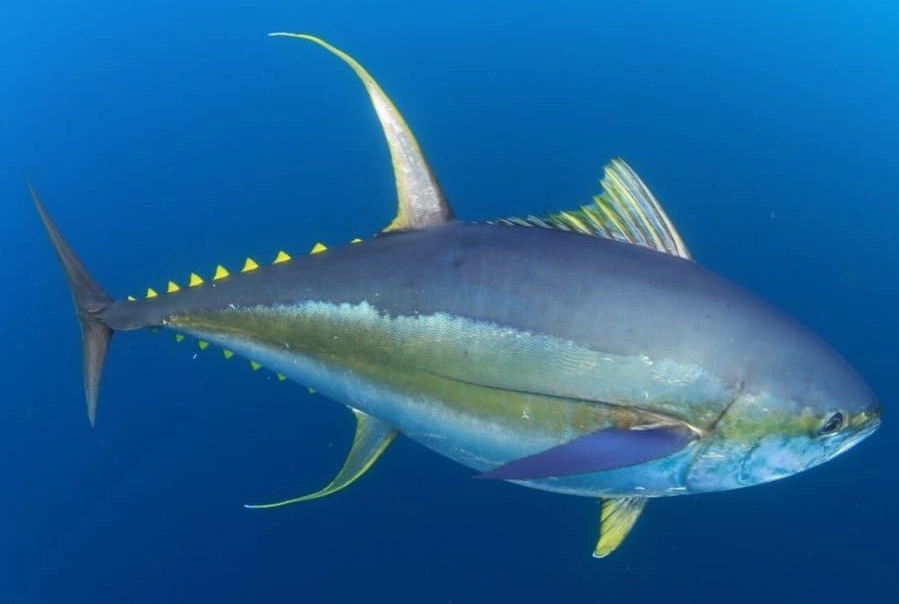
Sustainability and Buying Choices
Confusing these fish isn't just about taste—it impacts the ocean. Most hamachi served globally is farmed in Japan. While aquaculture has its own environmental debates (feed sourcing, pollution), it takes pressure off wild stocks of tuna, many of which are severely overfished.
According to the UN's Food and Agriculture Organization (FAO), several tuna stocks, particularly Atlantic bluefin and some bigeye tuna populations, are subject to overfishing. Organizations like the Marine Stewardship Council (MSC) provide certifications for sustainably caught tuna.
When buying tuna, look for species and catch method. Pole-and-line or troll-caught yellowfin tuna is generally a more sustainable choice than longline-caught. For yellowtail, since it's mostly farmed, the choice is different. The Monterey Bay Aquarium Seafood Watch program is an excellent resource for current recommendations.
Knowing you're buying yellowtail and not tuna means you're making a choice for a different, often more farm-manageable species.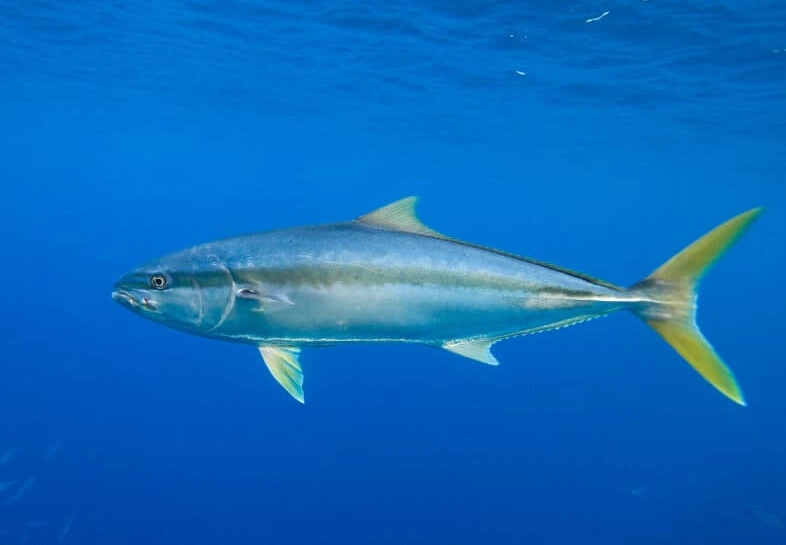
Your Yellowtail & Tuna Questions, Answered
I'm at a sushi bar and see both "Yellowtail" and "Hamachi" on the menu. Are they different?
They are almost certainly the same fish—Japanese amberjack. "Hamachi" is the Japanese name. Some restaurants might use "Yellowtail" for simplicity or to denote a different preparation style (like a jalapeño slice on top), but the base fish is identical. If in doubt, ask your server. A good sushi bar will be happy to explain.
Which is healthier, yellowtail or tuna?
Both are excellent sources of lean protein, omega-3 fatty acids, and vitamins. The health profile varies by specific cut and fat content. A lean piece of yellowfin tuna (akami) is very low in fat. A fatty piece of farmed hamachi or bluefin otoro is higher in calories and fat, but that fat includes beneficial omega-3s. There's no clear "winner"; it depends on your dietary goals. For maximum omega-3s with moderate calories, wild-caught salmon often beats both, but that's another fish altogether.
Can I substitute yellowtail for tuna in a recipe (like grilled tuna steak)?
You can, but manage your expectations. Yellowtail is firmer and has a stronger flavor. If a recipe calls for searing a tuna steak rare in the center, yellowtail will work well—just be aware the taste will be more pronounced. For a dish like tuna salad where the fish is cooked through and flaked, the substitution might be less successful as yellowtail can be a bit drier when fully cooked. For a raw preparation like a poke bowl, it's a fantastic and often more affordable substitute that brings its own character.
Why is some tuna so dark red and other tuna so light?
This comes down to the species and the muscle type. Tuna are endurance swimmers, so their muscle is rich in myoglobin, an oxygen-binding protein that gives it a deep red color. Bluefin and yellowfin are very red. Albacore tuna has lighter flesh, hence its marketing name "white meat tuna." The darkness also increases the longer the fish is exposed to oxygen. A vacuum-sealed piece will look darker until it's opened and "blooms" to a brighter red. Don't equate darkness with freshness alone—smell and firmness are better indicators.
What's the single best way to avoid confusion when buying fish?
Build a relationship with your fishmonger. Ask questions. "Is this hamachi or tuna?" "What species of tuna is this?" "Is it farmed or wild-caught?" A reputable seller will know. If they don't or seem evasive, consider that a red flag about the overall quality and traceability of their seafood. Buying from a trusted source is more important than any visual trick you can learn.
Reader Comments