If you've ever stared at a Japanese menu, seen both "tonkatsu" and "menchi katsu," and wondered if they're basically the same thing just with different names, you're not alone. I've been eating and cooking Japanese food for over a decade, and this is one of the most common points of confusion I see. The short answer is no, they are not the same. But the real, interesting answer lies in the delicious details that make each dish unique. One is a juicy, thick-cut pork chop, breaded and fried to perfection. The other is a savory, deeply flavorful ground meat patty, encased in the same golden crust. They share a family resemblance but have distinct personalities, histories, and places on the table.
What You'll Discover in This Guide
The Core Difference: It's All in the Meat
Let's cut straight to the chase. The single biggest difference between tonkatsu and menchi katsu is the state of the main protein.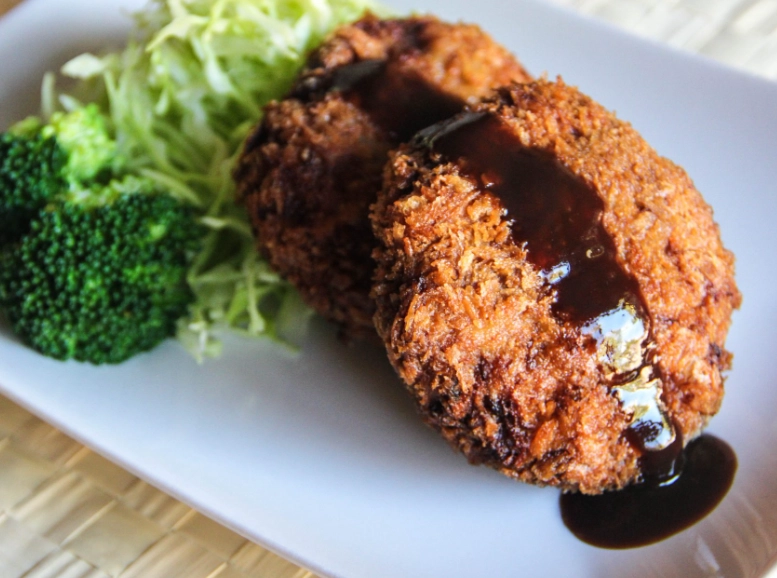
Tonkatsu uses a solid, identifiable cut of pork. You're getting a slice of an animal—a pork loin (ロース, rosu) or a pork fillet (ヒレ, hire). It's a steak, essentially, that gets breaded and fried. The goal is to achieve a contrast between the crispy, airy panko crust and the tender, juicy interior of the meat.
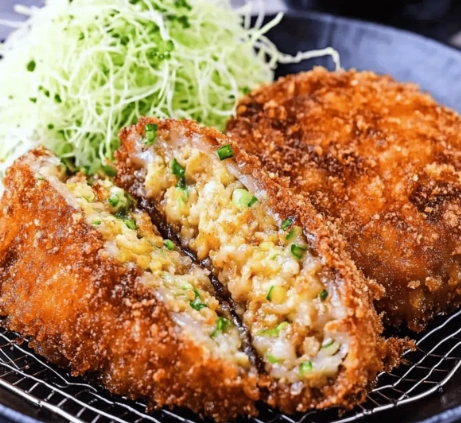
Menchi Katsu is made from ground meat. "Menchi" comes from the English word "mince." So, it's a minced or ground meat cutlet. While often made with ground beef, pork, or a mix, it's a seasoned patty. The texture is uniformly soft and cohesive inside, with the flavor built directly into the meat mixture through ingredients like onions, spices, and sometimes breadcrumbs or milk-soaked bread (a panade) for moisture.
A Tale of Two Cutlets: Their Origin Stories
Their histories are as different as their ingredients. Understanding this adds a layer of context to your meal.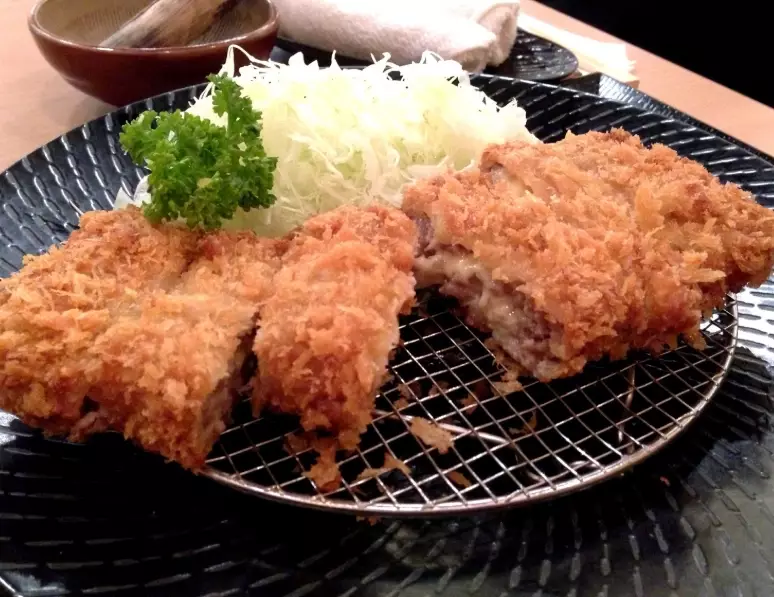
Tonkatsu has a clearer, though debated, lineage. It emerged in the late 19th century (Meiji era) as Japan opened to Western influences. It's widely considered a yōshoku dish—Japanese-style Western food. Chefs likely adapted European techniques like the French côtelette de veau or the German schnitzel, using pork (which was becoming more popular) and the uniquely Japanese panko breadcrumbs for an extra-crispy, flaky crust. The first dedicated tonkatsu restaurant in Tokyo, Rengatei, opened in 1899 and is still operating today. It's a dish of intentional culinary fusion.
Menchi Katsu has humbler, more practical roots. It's often traced to the Shinsekai district of Osaka in the early 20th century. This was a bustling, working-class area. The story goes that butchers or cooks, looking for a way to use up less premium cuts of meat and trimmings, ground them up, seasoned them robustly, formed them into patties, and fried them. It was a clever, economical way to create a filling and tasty meal. This makes menchi katsu feel more like a dish of necessity and ingenuity, born from everyday Japanese kitchens rather than haute cuisine experimentation.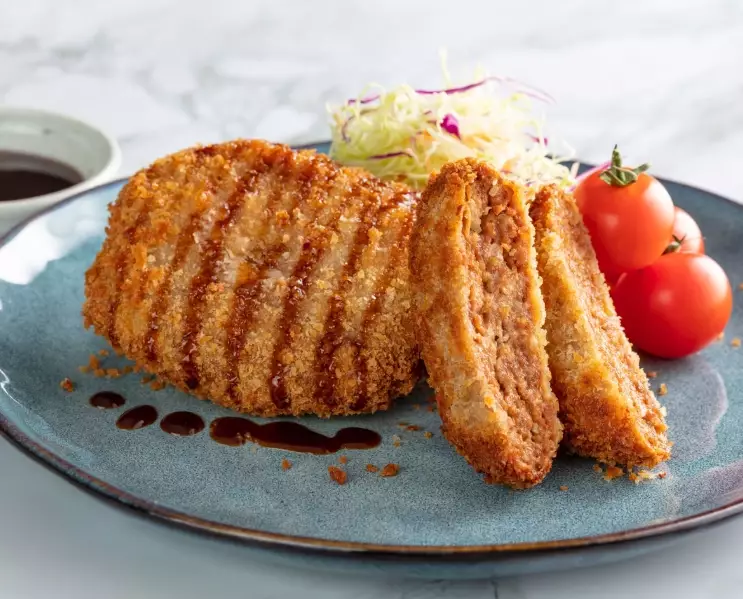
A Detailed Side-by-Side Breakdown
Beyond the meat, how do they stack up? This table lays it out clearly.
| Aspect | Tonkatsu (豚カツ) | Menchi Katsu (メンチカツ) |
|---|---|---|
| Core Ingredient | Whole cut of pork (loin or fillet) | Ground meat (beef, pork, or blend) |
| Texture (Inside) | Juicy, fibrous, meaty bite | Uniform, soft, moist, and cohesive |
| Flavor Base | Primarily the natural flavor of the pork, enhanced by frying | Built-in seasoning: onions, garlic, nutmeg, pepper, etc., mixed into the meat |
| Typical Thickness | 1.5 to 2 cm thick | Often thicker, around 2-3 cm, as it's a patty |
| Preparation Before Frying | Meat is tenderized, salted, peppered, then breaded | Meat is mixed with seasonings and binders, shaped, chilled, then breaded |
| Classic Accompaniment | Shredded cabbage, rice, miso soup, karashi (hot mustard), tonkatsu sauce | Often served with tonkatsu sauce, sometimes on a plate, in a sandwich, or as a skewered street food |
| Common Misconception | That it's just a "pork schnitzel" (the panko and sauce make it distinctly Japanese) | That it's just a fried burger patty (the seasoning profile and context are uniquely Japanese) |
One subtle point most guides miss: the sound when you bite into them. A perfect tonkatsu has a distinct, sharp, shattering crunch from the panko. Menchi katsu's crunch is often slightly duller, more of a crackle, because the soft interior gives way immediately, dampening the sound. It's a tiny sensory detail that speaks volumes about their texture difference.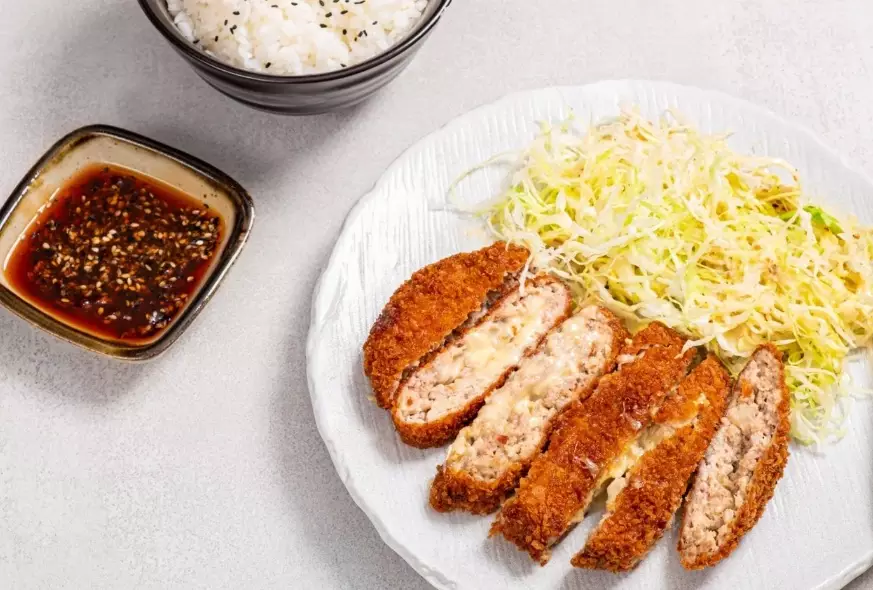
Where to Eat the Best Menchi Katsu and Tonkatsu
Reading about it is one thing, tasting is everything. If you're planning a trip to Japan (or just want to know what to look for), here are specific spots that excel at each.
For Tonkatsu Perfection: Tonkatsu Maisen (とんかつ まい泉)
Why it's famous: Maisen is an institution. They source exceptional Berkshire (Kurobuta) pork and have mastered the double-frying technique for an unbelievably light, non-greasy crust that stays crispy until the last bite. Location: Their main shop is in Aoyama, Tokyo (4-8-5 Jingumae, Shibuya-ku). It's in a converted old public bathhouse—the atmosphere is fantastic. What to order: The Hire Katsu (fillet) set meal. It's more tender and leaner than the loin. Expect to pay around 2,500 - 3,500 yen for a top-tier set. Pro tip: Go for lunch. The lines are long but move quickly, and the lunch sets offer great value.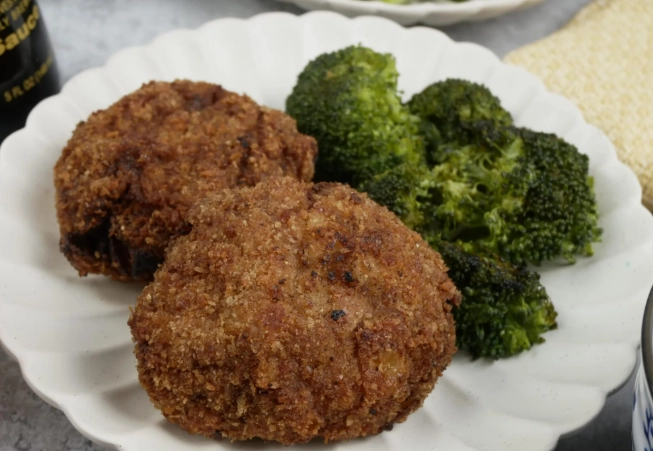
For Menchi Katsu Heritage: Daruma (だるま) in Shinsekai, Osaka
Why it's famous: This is ground zero for menchi katsu. Daruma claims to be one of the originators. It's a no-frills, standing-only stall under the Tsutenkaku Tower, serving menchi katsu on a stick for over 80 years. Location: 2-3-9 Ebisuhigashi, Naniwa-ku, Osaka. You can't miss it in the Shinsekai arcade. What to order: Just point at the menchi katsu skewer. It's a thick, juicy, heavily seasoned beef patty, fried fresh. It costs about 120 yen per skewer. Eat it right there, hot, with sauce. Pro tip: Don't expect a sit-down meal. This is pure, unadulterated street food history. Have two.
In many casual yōshoku-ya (Western-style Japanese diners) or even family restaurants like Saizeriya, you'll find menchi katsu as a common, affordable plate lunch item, often served with a heap of cabbage and demi-glace sauce instead of tonkatsu sauce.
Key Tips for Making Each Dish at Home
Want to try making them? Here's where a home cook's intuition matters more than a strict recipe.
For Homemade Tonkatsu
The biggest mistake is frying at the wrong temperature. If the oil is too cool, the crust absorbs oil and becomes soggy. Too hot, and the panko burns before the pork cooks through.
- Temperature control is king: Use a thermometer. Heat oil to 170°C (340°F). Gently lower the breaded cutlet in. It should bubble actively but not violently. Maintain this temperature.
- Double-dredge for durability: Flour -> beaten egg -> panko. Then, for an extra-thick, professional crust, do a second dip in egg and panko. This creates a layered, shaggy armor that won't fall off.
- Let it rest: After frying, let it rest on a wire rack for 3-4 minutes, not on paper towels. This keeps the bottom crisp and allows the juices to redistribute in the meat.
For Homemade Menchi Katsu
The pitfall here is a dry, dense, or crumbly patty. The goal is juicy and tender.
- Don't overwork the meat: Mix the ground meat with your seasonings (grated onion, panko soaked in milk, salt, pepper, nutmeg) just until combined. Over-mixing makes it tough.
- The chill is crucial: After shaping your patties, refrigerate them for at least 30 minutes, preferably an hour. This firms them up, preventing them from falling apart during the breading and frying process.
- Make an indentation: Before chilling, press a slight dimple into the center of each patty. As the meat contracts during cooking, this prevents it from puffing up into a ball and ensures even thickness.
My personal twist? For menchi katsu, I sometimes add a tiny cube of frozen butter or a small piece of mozzarella cheese in the center of the patty before breading. It creates a molten, surprise center. Not traditional, but incredibly good.
Your Burning Questions Answered (FAQ)
So, are they similar? Sure, in the way cousins are similar. They share a last name (katsu), a love for panko, and a place next to a pile of shredded cabbage. But their souls are different. Tonkatsu celebrates the quality and texture of a single cut of pork. Menchi katsu is a masterpiece of seasoned, ground meat, often with a richer, deeper flavor built right in.
Next time you see both on a menu, you'll know. Crave the pure, juicy meat experience? Go for the tonkatsu. Want something hearty, savory, and packed with flavor in every bite? The menchi katsu is calling your name. Better yet, get both and have the ultimate comparison tasting for yourself.
Reader Comments