Making restaurant-quality yellowtail sashimi in your own kitchen isn't some guarded secret. It's a skill built on a few non-negotiable principles: sourcing fish that's safe to eat raw, mastering a single knife cut, and understanding that less is almost always more with the accompaniments. I've seen too many home cooks overcomplicate it, reaching for a dozen ingredients when three will do. Let's strip it back to the essentials.
What's Inside This Guide
Why Yellowtail (Hamachi) is Perfect for Sashimi
Walk into any decent sushi bar and you'll find hamachi on the menu. There's a reason for its popularity beyond just taste. Its fat content is the magic number. It's high enough to give that rich, buttery mouthfeel that melts on your tongue, but not so high that it becomes overwhelming or greasy like some cuts of tuna belly (toro).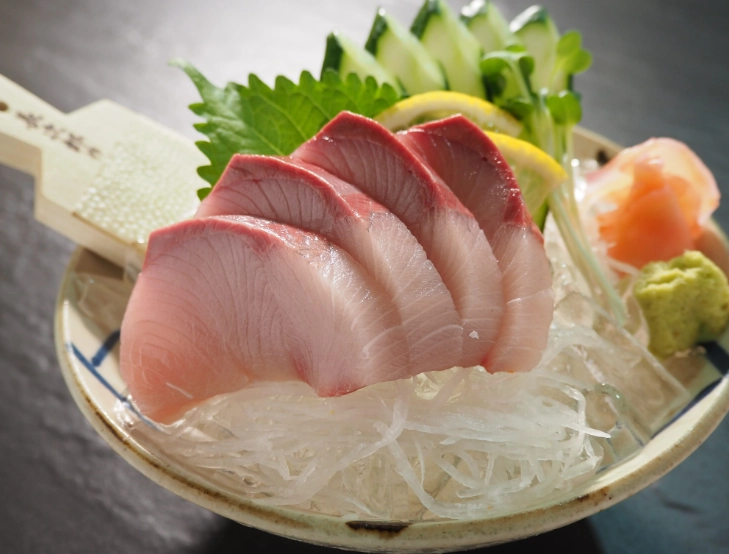
The flavor profile is clean, slightly sweet, with a mild oceanic note. It doesn't have the strong "fishiness" that can put off beginners, making it one of the best gateways into the world of raw fish. The texture is firm yet yielding, which makes it forgiving for a novice to slice. A tuna loin can be tricky; hamachi is more cooperative.
Hamachi vs. Buri: You might hear these terms. In Japan, "hamachi" typically refers to farmed yellowtail under 80 cm, prized for its consistent fat marbling. "Buri" is the wild, larger adult version, often leaner and with a more robust flavor. For your first few attempts, seek out farmed hamachi—it's more readily available as sashimi-grade and its predictability is an asset.
How to Source Sashimi-Grade Yellowtail
This is the step where 90% of home attempts fail before they even start. "Sushi-grade" is an unregulated marketing term. You can't trust a label; you have to trust a supplier.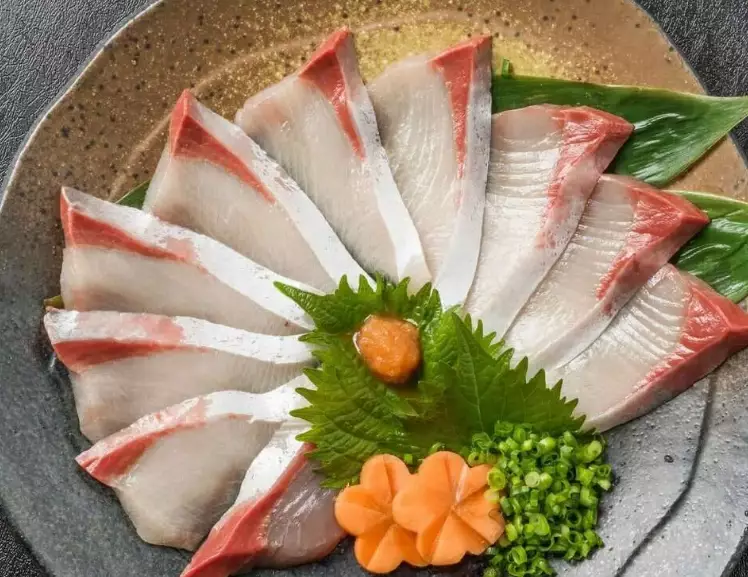
Find a dedicated fishmonger or a Japanese/Korean grocery store with high turnover. Look the person behind the counter in the eye and ask: "Do you have yellowtail specifically frozen for raw consumption?" The key is that it has been flash-frozen to at least -20°C (-4°F) for a minimum of 7 days, a process that kills parasites. This is the FDA and EU food safety guideline. If they hesitate or say it's "just fresh," walk away. I made this mistake once early on and spent a very anxious 24 hours afterward.
What to look for in the flesh: The color should be a translucent pinkish-beige, not brown or gray. It should look moist and glossy, not dry or dull. There should be no gaping between the muscle fibers. A faint, clean sea smell is good; any strong, ammonia-like odor is a hard pass.
Never, ever use fish from a standard supermarket seafood counter labeled "for cooking only" to make sashimi. The risk of parasites and bacteria is significantly higher. The peace of mind from a trusted source is worth the extra few dollars per pound.
Step-by-Step: Preparing & Cutting the Fish
You've got your beautiful block of hamachi. Now, don't ruin it with a serrated bread knife. Here’s the process, broken down.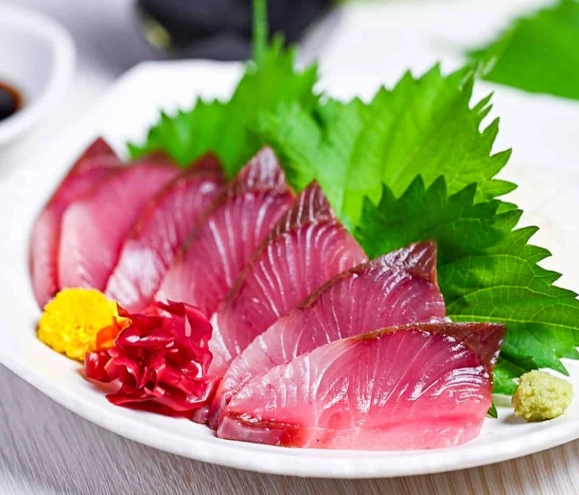
Thawing (If Frozen)
Move it from the freezer to the fridge 24 hours before you plan to serve. Slow thawing preserves texture. Never thaw at room temperature or in water.
Prepping the Block
Rinse the block quickly under cold water and pat extremely dry with paper towels. Any surface moisture will make it slippery and ruin your cut. Feel for any remaining pin bones with your fingers and pull them out with clean tweezers.
If your piece has skin and a dark bloodline, you'll want to remove them. The skin is too tough to eat. The bloodline (the darker brown strip along the side) can have a stronger, slightly metallic flavor. Place the block skin-side down. Slide your knife between the flesh and skin at a shallow angle, using a gentle back-and-forth sawing motion while pulling the skin taut. For the bloodline, simply slice it off in one long strip.
The Sashimi Cut: Hira-zukuri
This is the standard rectangular slice. It's not about force, it's about one smooth, confident pull.
- Position your knife at a 90-degree angle to the length of the fillet.
- The slice should be about 1/4 inch (6-7 mm) thick. Thicker than you think for that substantial mouthfeel.
- Start the cut with the heel of the blade near the handle, and in one fluid motion, pull the knife straight back and down through the fish. Don't saw. Don't push down hard. Let the sharp edge do the work.
- Wipe your knife blade with a damp cloth between every few slices to keep it clean and prevent sticking.
You'll feel a slight resistance, then a clean release. That's the sign of a good cut. Ragged edges mean your knife is dull.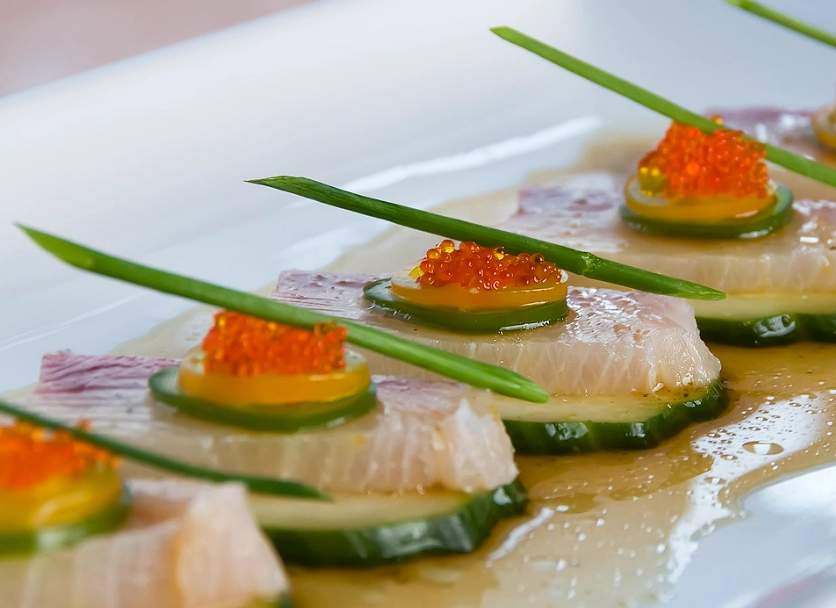
Why Your Knife Choice Isn't Just Hype
You can use a very sharp chef's knife. It will work. But a long, thin, single-bevel yanagiba or a double-bevel sujihiki (sashimi knife) does something a chef's knife can't: it severs the fish's muscle fibers cleanly without crushing them. Crushing cells release moisture and enzymes that start to "cook" and degrade the texture at the cut surface. A clean cut preserves the silky texture.
That said, don't run out and buy a $400 knife. A decent, sharp sujihiki from a brand like Tojiro or Mac is a fantastic start. The most important thing is sharpness. A dull yanagiba is worse than a sharp utility knife. I learned on a $90 knife for years before upgrading.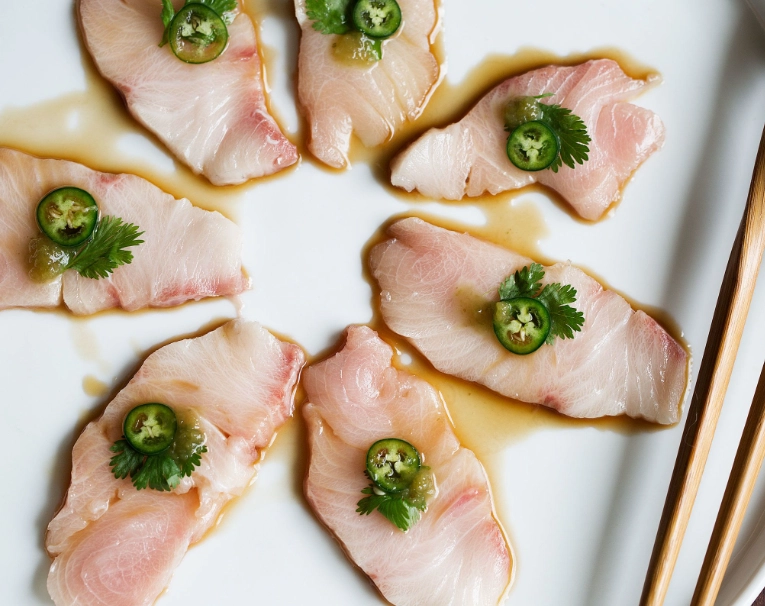
Knife Maintenance: If you're serious, get a whetstone and learn to sharpen. For most, using a high-quality pull-through sharpener (not the cheap grocery store kind) before each use will keep your edge sashimi-ready. Honing steels are almost useless for the hard steel of Japanese knives.
Sauces & Pairings: Beyond Soy and Wasabi
Good hamachi needs little adornment. The classic is a dash of soy sauce and a smudge of real wasabi (not the green horseradish paste). But let's explore.
Ponzu Sauce: This citrus-soy sauce is a game-changer for yellowtail. The acidity cuts the fat beautifully. You can buy it, but making it is simple: mix equal parts fresh yuzu juice (or a mix of lemon and lime) with soy sauce, a touch of mirin, and a bit of grated daikon.
Yuzu Kosho: A fermented paste of yuzu peel and chili peppers. A tiny dot on each slice delivers an explosive burst of citrus and heat that complements the fish's richness.
Simple Citrus & Salt: Sometimes, I skip soy altogether. A light sprinkle of flaky sea salt (like Maldon) and a drop of fresh lemon or sudachi juice is all you need to make the natural sweetness pop.
Garnish Sparingly: A few shiso leaves, a pile of finely shredded daikon radish (tsuma), or some microgreens. They add color, texture, and a palate-cleansing effect. Don't make a salad on the plate.
How to Serve and Enjoy It
Presentation matters because it affects temperature and experience. Use chilled plates. Seriously, put your serving plates in the fridge for 20 minutes. Warm plates will start to warm the delicate fish.
Arrange the slices simply, slightly overlapping. Don't crowd them. Serve immediately after cutting. The time between knife and mouth should be measured in minutes, not hours.
Eat it with your hands if you like. It's traditional. Pick up a slice, dip a corner (fish-side, not rice-side if you're having it with sushi rice) lightly into your sauce, and eat in one bite. Let the flavors unfold.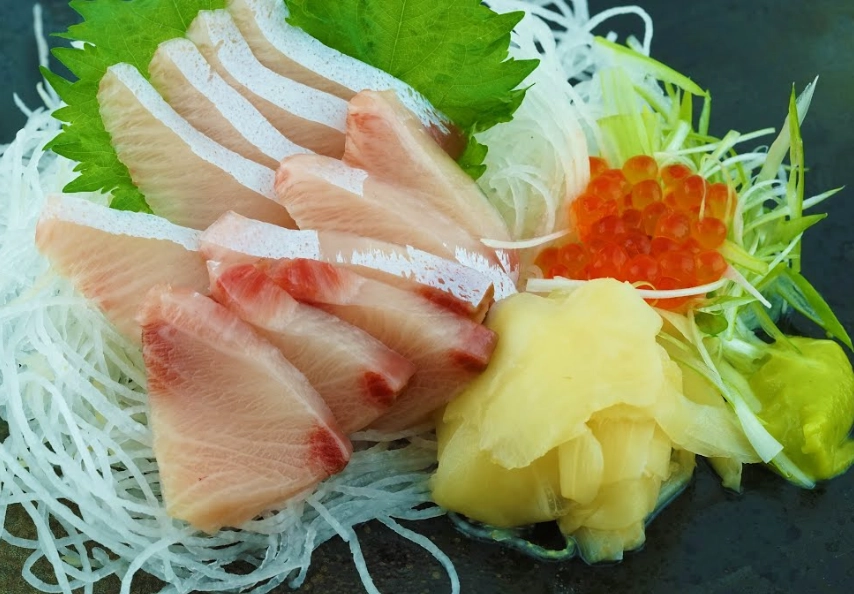
Reader Comments