Quick Guide
- So, What Is Kappa Maki Vegetarian Sushi, Really?
- Why Is This Simple Roll So Darn Popular?
- Making Kappa Maki Vegetarian at Home: A Realistic Guide
- Kappa Maki vs. Other Veggie Rolls: A Quick Comparison
- Nutrition & Health: What Are You Actually Eating?
- Answering Your Kappa Maki Vegetarian Questions
- The Cultural Footprint: More Than Just a Roll
Let's be honest, when you think of sushi, your mind probably jumps to fatty tuna, silky salmon, or maybe even unagi. Vegetarian options often get sidelined, treated as an afterthought for the one non-fish-eater at the table. But that's a huge mistake. There's one roll that stands as a testament to the beauty of simplicity in Japanese cuisine, and it's completely plant-based: the Kappa maki vegetarian roll.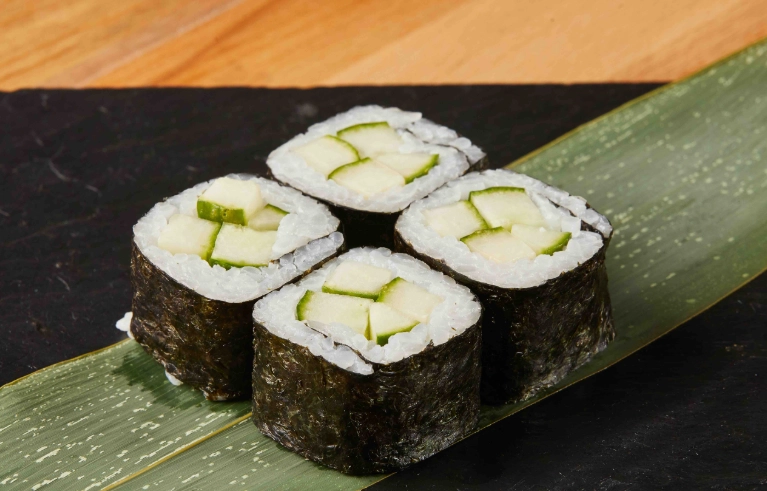
If you've ever scanned a sushi menu and seen "Kappa Maki" or "Cucumber Roll," you've found it. It's just cucumber, sushi rice, and nori seaweed. Sounds almost too simple, right? I used to think so too. I'd breeze past it, going for the more dramatic, saucy rolls. But after a trip to a truly traditional sushi-ya in Tokyo, where the chef insisted I try his kappa maki first, my perspective completely changed. That single, unadorned bite was a revelation—cool, crisp, subtly sweet cucumber against the warm, seasoned rice, all held together by the toasty, oceanic whisper of nori. It was a lesson in balance and quality of ingredients. There was nowhere to hide.
This isn't just a "vegetarian option." It's a sushi classic in its own right, a benchmark for judging a sushi chef's skill with rice, and arguably one of the most refreshing things you can eat.
So, What Is Kappa Maki Vegetarian Sushi, Really?
At its core, a Kappa maki vegetarian roll is makizushi (rolled sushi) filled with strips of Japanese cucumber. The name is fun. "Kappa" are mythical water-dwelling creatures from Japanese folklore, sort of like mischievous river imps, who are said to love cucumbers. Offering a cucumber was believed to appease them. So, "Kappa maki" literally means "Kappa roll." It's a cute bit of cultural trivia that makes the roll more interesting.
The construction is deceptively simple:
- Nori: A half-sheet of roasted seaweed.
- Shari (Sushi Rice): Vinegared rice, seasoned with a precise balance of rice vinegar, sugar, and salt. This is the heart of all sushi.
- Kyūri (Cucumber): Typically Japanese or Persian cucumbers, which have fewer seeds, thinner skin, and a crisper, less watery texture than the standard salad cucumber.
That's it. No mayo, no cream cheese, no tempura crunch, no spicy sauce. Its purity is its strength. This makes the perfect kappa maki vegetarian roll an excellent choice for anyone exploring plant-based eating, or for those with seafood allergies who still want to experience authentic sushi.
Why Is This Simple Roll So Darn Popular?
Think about it. Why does such a basic item appear on virtually every sushi menu worldwide, from high-end omakase counters to supermarket grab-and-go sections? The reasons stack up quickly, and they're all pretty compelling.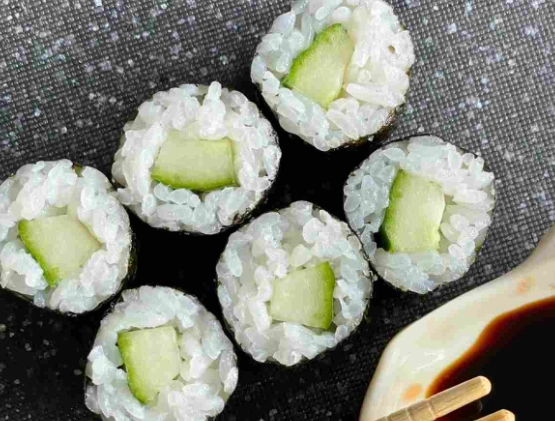
A Refreshing Palate Cleanser
In a traditional sushi meal, kappa maki often comes towards the end. After a progression of richer, oilier fish like tuna or mackerel, the clean, aqueous crunch of the cucumber acts as a reset button for your palate. It's like a sorbet course in sushi form. I find myself craving one specifically after a piece of unagi or anything with a heavy sauce.
The Ultimate Test of a Sushi Chef
Any chef can mask imperfections with strong flavors. But with a kappa maki vegetarian roll, there's nowhere to hide. The quality of the rice is front and center. Is it the right temperature (body-warm)? Is it seasoned perfectly—not too sweet, not too sour? Is each grain distinct yet cohesive? The texture of the cucumber matters too. Is it cut evenly? Is it crisp and fresh? A great chef shows their respect for the craft by perfecting even the simplest items. If a sushi bar makes a stellar kappa maki, you can generally trust their more complex offerings.
A poorly made kappa maki is a red flag: mushy rice, soggy nori, or a limp, bitter cucumber. It's a surprisingly good barometer for the whole restaurant.
Accessibility and Dietary Friendliness
This is a big one. It's naturally vegan (just check the rice seasoning doesn't use dashi, though that's rare). It's gluten-free. It's low-calorie. It's nut-free. It's a safe, delicious harbor for almost any dietary restriction at the sushi table. For parents, it's often the first sushi they feel comfortable giving to kids. Its mild flavor and familiar ingredient make it a perfect gateway.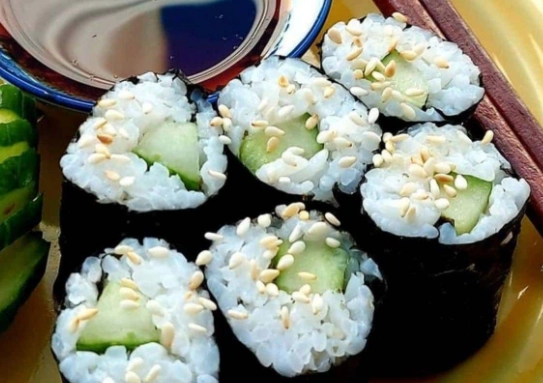
Making Kappa Maki Vegetarian at Home: A Realistic Guide
Want to try making it yourself? You should! It's the best way to appreciate the craft. But let's ditch the intimidating, perfectionist approach. Here’s a down-to-earth method that works in a home kitchen.
The Non-Negotiables: Your Ingredients
The Rice: Don't use long-grain or jasmine rice. You need short-grain Japanese rice (like Koshihikari). It has the starch content needed to get sticky. The seasoning is key: rice vinegar, sugar, and salt. The ratio is personal, but a classic start is 5 tablespoons vinegar, 2 tablespoons sugar, and 1 teaspoon salt per 3 cups of cooked rice. Gently fold it in while fanning the rice to cool it and give it a shine.
The Cucumber: Hunt for Japanese or Persian cucumbers. If you can't find them, an English cucumber is an okay substitute. Peel it partially in stripes (leaving some skin for color and crunch) and scrape out the watery seed core with a spoon before cutting into long sticks. This prevents a soggy roll.
The Nori: Get toasted sushi nori. The sheets usually have a rough side and a shiny side. Place the rice on the rough side—it grips better.
The Rolling Process, Without the Panic
Lay your bamboo mat flat. Place a half-sheet of nori shiny-side down, rough-side up. With slightly wet hands (keep a bowl of water nearby), grab a handful of rice—about the size of a large lemon. Gently spread it evenly over the nori, leaving a 1-inch border at the top farthest from you. Press lightly; you're not making a sandcastle.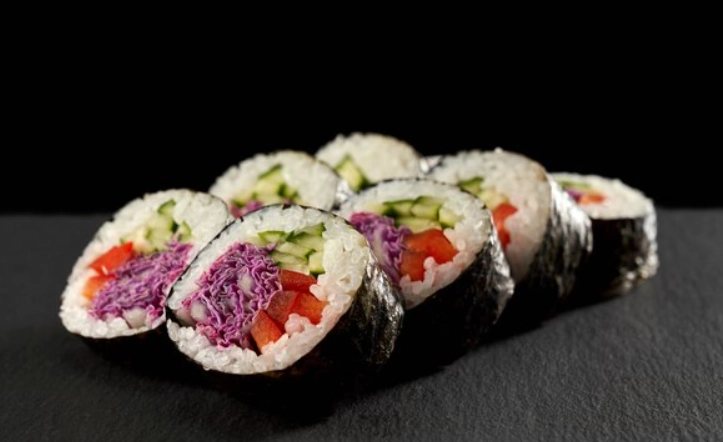
Lay your cucumber sticks horizontally across the rice, about one-third of the way up from the edge closest to you. Now, the roll: using your thumbs to lift the mat edge near you, start rolling the nori over the cucumber filling. Tuck it in tightly, then use the mat to pull the roll forward, applying even pressure as you go. Seal the top border with a few grains of rice or a dab of water.
Let it rest for a minute before cutting. Use a very sharp knife, wiped clean and slightly damp between each cut. Aim for 6 or 8 pieces. Your first one might be a bit loose or lopsided. Mine certainly was. It still tasted amazing.
Kappa Maki vs. Other Veggie Rolls: A Quick Comparison
How does the classic kappa maki vegetarian roll stack up against its cousins? Here’s a quick look.
| Roll Name | Main Filling(s) | Flavor Profile | Why You Might Choose It |
|---|---|---|---|
| Kappa Maki | Cucumber | Clean, crisp, refreshing, subtle sweetness | Palate cleanser, dietary-safe, test of rice quality |
| Kampyo Maki | Simmered dried gourd strips | Sweet, savory, slightly chewy texture | Traditional flavor, unique texture, often enjoyed by purists |
| Avocado Maki | Avocado | Creamy, rich, buttery | For healthy fats and creamy texture; popular Western addition |
| Oshinko Maki | Pickled daikon radish (takuan) | Tangy, crunchy, bright yellow color | Loves a punchy, acidic bite; great for cutting richness |
| Vegetable Tempura Roll | Tempura-battered veggies (e.g., sweet potato, asparagus) | Crunchy, warm, savory, often saucy | Craving something hearty, crispy, and more indulgent |
See? They all have their place. The kappa maki stands out for its minimalist, refreshing role.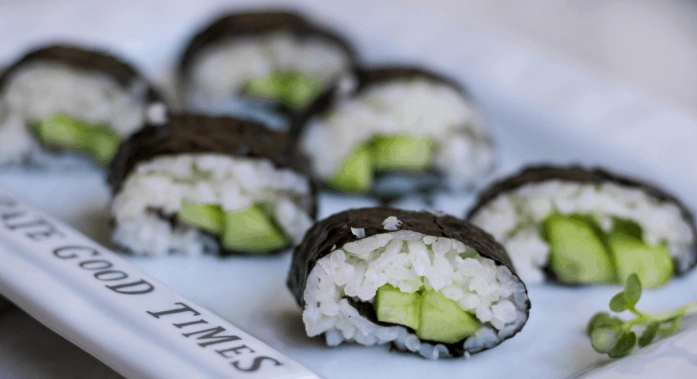
Nutrition & Health: What Are You Actually Eating?
One standard kappa maki vegetarian roll (6 pieces) is a pretty light meal component. Here’s the rough breakdown, which is helpful if you're tracking or just curious.
- Calories: 130-170 calories (mostly from the rice).
- Carbohydrates: ~28-35g (rice is a carb).
- Protein: 2-3g (a small amount from the rice).
- Fat: Less than 1g (virtually fat-free).
- Fiber: 1-2g (from the cucumber skin and rice).
- Key Micronutrients: Cucumber provides vitamin K and potassium, nori is packed with iodine and some B vitamins, and the rice vinegar may aid digestion.
It's low in calories and fat, but also not a significant source of protein on its own. That's fine! Pair it with a miso soup (for warmth and a bit of protein from the tofu) and a side of edamame, and you've got a balanced, satisfying, and light vegetarian sushi meal. For a deeper dive into the components of traditional Japanese cuisine, resources like the Japanese Ministry of Agriculture, Forestry and Fisheries (MAFF) offer insights into staple foods like rice and seaweed.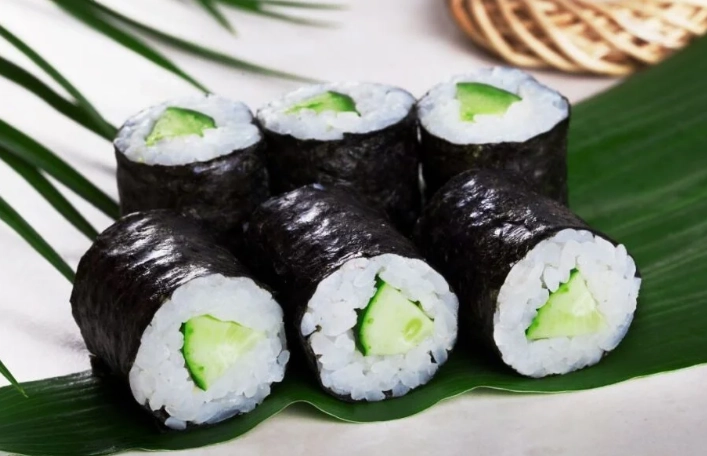
Answering Your Kappa Maki Vegetarian Questions
You've got questions. I've asked them too. Let's tackle some of the most common ones.
The Cultural Footprint: More Than Just a Roll
This little roll carries weight. In Japan, it's everyday food. You find it in bento boxes, at convenience stores (konbini), and of course, in sushi restaurants. It represents shibui—aesthetic simplicity. Its popularity abroad speaks to the global embrace of sushi, adapting it into a form that is accessible and adaptable to local tastes and dietary norms. The fact that a vegetarian sushi item is one of the most recognizable globally is pretty significant. For travelers interested in experiencing this and other facets of Japanese food culture firsthand, the Japan National Tourism Organization (JNTO) site is an invaluable resource for planning.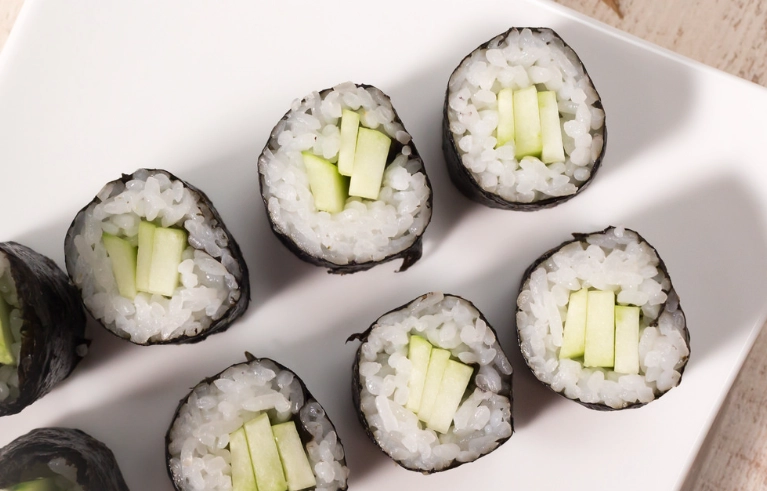
In a world of over-the-top, sauce-drenched "fusion" rolls, the kappa maki vegetarian roll remains a quiet, confident classic. It doesn't shout. It doesn't need to.
So next time you're at a sushi bar, don't overlook the humble cucumber roll. Order it first. Pay attention to the rice. Savor the crunch. Use it as your benchmark. Whether you're a committed vegetarian, a seafood lover looking for a crisp counterpoint, or a curious beginner, the kappa maki vegetarian experience is a fundamental and deeply satisfying part of the sushi world. It proves that sometimes, the simplest things, done well, are the most memorable.
Now, if you'll excuse me, all this writing has made me crave one. I think it's time to break out the bamboo mat.
Reader Comments