You see it on every sushi menu, tucked between the flashy tuna and salmon rolls. Kanpyo roll. It sounds simple, maybe even plain. But ask a sushi chef in Tokyo what's in a kanpyo roll, and you'll get a story about tradition, texture, and a specific kind of patience. The direct answer is straightforward: a kanpyo roll is a hosomaki (thin roll) containing simmered kanpyo (dried gourd strips) as its sole filling, wrapped in sushi rice and nori seaweed. But that's just the start. What makes this roll special isn't a complex list of ingredients; it's the transformation of a humble vegetable into a uniquely savory, slightly sweet, and satisfyingly chewy centerpiece.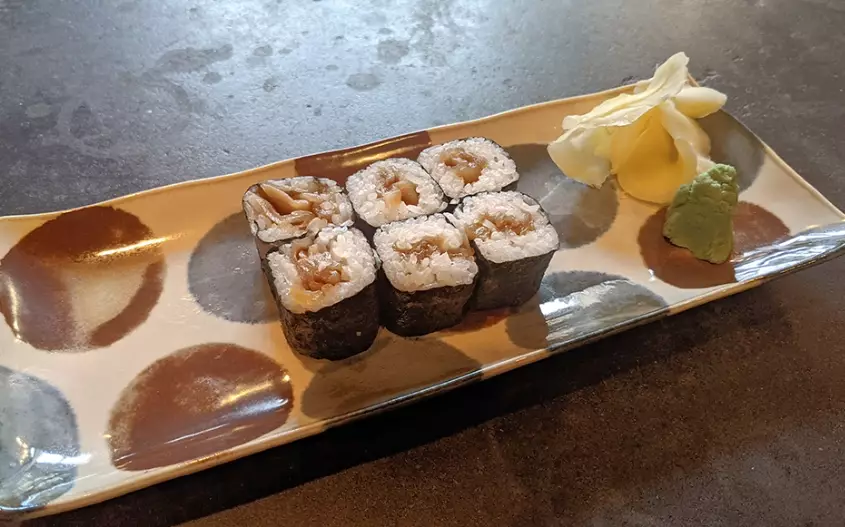
I remember my first time. I skipped right over it for years, thinking it was just "pickled something." Big mistake. When I finally tried a well-made one at a small shop in Kyoto, the flavor was a revelation—deep, umami-rich, with a texture that held its own against the rice. It wasn't an afterthought; it was a deliberate, crafted bite. This guide isn't just a list. It's a deep dive into what kanpyo is, why it works, and how you can find or make a truly great one.
In this article, you'll discover:
What Kanpyo Actually Is (It's Not Just "Dried Squash")
Let's clear this up first. Kanpyo (かんぴょう) is not a random piece of dried vegetable. It's specifically the flesh of the futsu or yugao calabash gourd (Lagenaria siceraria), peeled into long, thin ribbons, and then dried. The process is an art form in regions like Tochigi Prefecture, a major producer. The gourds are grown on trellises, harvested, and meticulously peeled into continuous strips before being sun-dried. The result is a tough, off-white ribbon that looks nothing like its original form and has a shelf life of years.
The magic happens during rehydration and cooking. These brittle strips are soaked, then simmered for a long time in a seasoned broth typically made from soy sauce, sugar, and mirin. They absorb this sweet-salty umami flavor completely, becoming tender yet retaining a distinct, pleasant chewiness. This is the heart of the roll. The Japanese Ministry of Agriculture, Forestry and Fisheries highlights traditional foods like kanpyo as part of the country's culinary heritage, noting their role in washoku (traditional Japanese cuisine).
Here's a nuance most guides miss: the quality of the simmering broth is everything. A cheap, overly sweet broth makes the kanpyo cloying. A balanced one, with maybe a hint of dashi, creates depth. This is where supermarket versions often fail and a good sushi bar shines.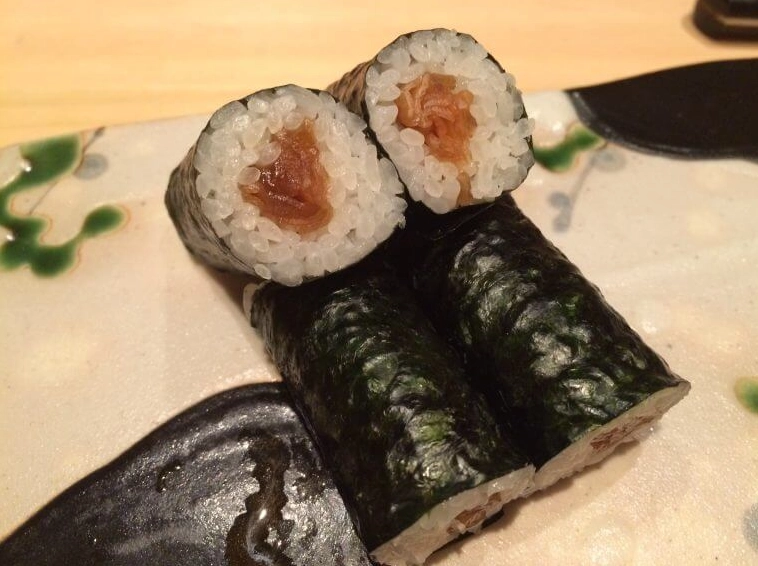
The Exact Ingredients in a Traditional Kanpyo Roll
So, breaking it down, what is in a kanpyo roll from a technical standpoint? It's a minimalist construction with no room for error.
The Core Trio: Nori, Sushi Rice, Simmered Kanpyo. That's it. No mayonnaise, no avocado, no hidden surprises. Its purity is its signature.
1. Nori (Seaweed Sheet): A full sheet, toasted and crisp. It provides the structural shell and a toasty, oceanic flavor that contrasts the sweet kanpyo.
2. Sushi Rice (Shari): Short-grain Japanese rice seasoned with rice vinegar, sugar, and salt. The rice should be at body temperature, slightly firm, and each grain distinct. It's the canvas.
3. Simmered Kanpyo (The Star): About 3-4 long strips of the prepared kanpyo, laid end-to-end along the center of the rice. The amount is crucial—too little feels sparse, too much overpowers and makes the roll hard to cut.
That's the complete ingredient list for the classic version. Sometimes you might see a very light brushing of the simmering liquid on the rice before rolling, but that's a chef's secret, not a standard ingredient.
Why This Simple Roll is a Sushi Bar Staple
It's vegetarian, making it accessible. It's cheap to produce. But more importantly, it's a textural and flavor benchmark. The chew of the kanpyo against the soft rice and crisp nori creates a satisfying mouthfeel. The sweet-savory filling offers a clean, refreshing palate between richer, oilier fish. For chefs, it tests their rice seasoning and rolling technique—a poorly made kanpyo roll is a bad sign.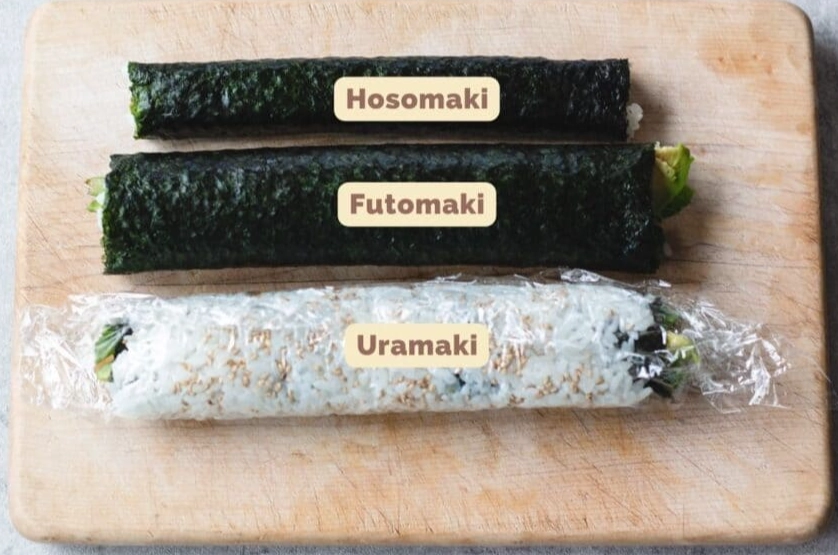
Where to Find the Best Kanpyo Rolls: A Quick Guide
Not all kanpyo rolls are created equal. The difference between a mediocre one and an excellent one is vast. Here’s what to look for, whether you're in Tokyo or your local sushi spot.
| Type of Establishment | What to Expect | Price Range (per roll) | Pro Tip |
|---|---|---|---|
| High-End Sushi-ya (Tokyo/Kyoto) | Kanpyo is often house-simmered with premium soy sauce and mirin. The texture will be perfect—tender with a bite. It's part of the chef's omakase progression. | $4 - $8 (as part of a set) | Don't skip it. It's placed deliberately to reset your palate. Observe the precision of the roll. |
| Mid-Range Conveyor Belt (Kaiten-zushi) | Usually decent. The kanpyo is often pre-made but from a reliable supplier. A good, consistent option. | $2 - $3.5 | Grab it early in your meal. At these places, the nori can get soggy if it sits on the belt too long. |
| Supermarket/Grocery Store Pack | This is where quality dips. The kanpyo can be overly sweet, mushy, or taste artificial. The rice is often too cold and hard. | $1.5 - $3 | Check the rice color. If it looks dry or yellowish, avoid it. It's a last-resort option. |
| Your Local Sushi Restaurant (Abroad) | A real mixed bag. Some take pride in making it properly; others see it as a filler item. It's a good test of the restaurant's attention to detail. | $3 - $6 | Ask if they make it in-house. If they hesitate or say no, you know it's a pre-packaged ingredient. |
My personal recommendation? If you're in Tokyo, skip the famous spots in Ginza for this. Head to an older neighborhood like Yanaka or Shimokitazawa and find a small, traditional shop. The kanpyo roll there is more likely to be made with care, not just as a menu obligation.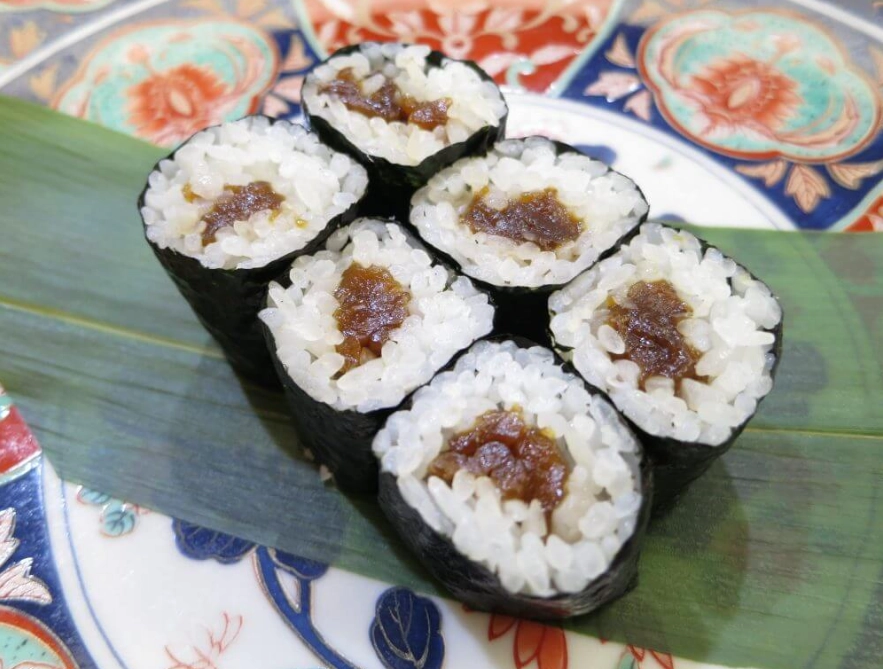
How to Make Kanpyo Rolls at Home: A Step-by-Step Recipe
Making kanpyo rolls yourself is surprisingly achievable and rewarding. You control the flavor of the kanpyo, and nothing beats the taste of freshly rolled sushi. Here’s my tried-and-true method.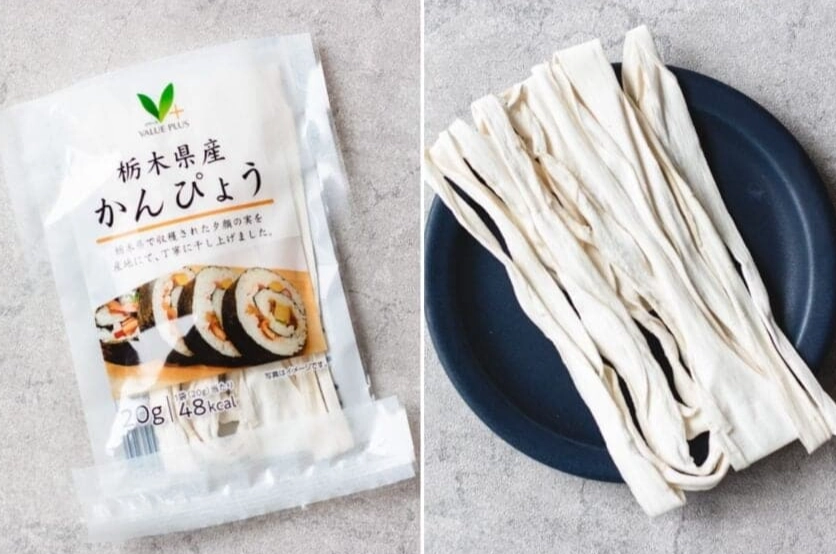
What You'll Need
For the Simmered Kanpyo:
- 1 package (20g) dried kanpyo strips
- 1 cup water
- 3 tbsp soy sauce
- 3 tbsp sugar
- 2 tbsp mirin
- A pinch of salt
For the Roll (makes 3-4 rolls):
- 2 cups cooked and seasoned sushi rice (still warm)
- 3-4 full sheets of nori
- A bamboo sushi rolling mat (makisu)
- A sharp knife dipped in water
Step 1: Prepare the Kanpyo. This is the most important step. Rinse the dried kanpyo strips under water to remove any dust. Soak them in plenty of warm water for 15-20 minutes until pliable. They'll expand a lot. Drain and gently squeeze out excess water. In a small saucepan, combine the water, soy sauce, sugar, and mirin. Add the kanpyo, bring to a simmer, then reduce heat to low. Place an otoshibuta (a drop-lid) or a circle of parchment paper directly on the surface. Simmer for 25-30 minutes until the kanpyo is tender and has absorbed the color and flavor. Let it cool in the pot. Don't rush this simmering process—low and slow is key.
Step 2: Roll with Confidence. Place a sheet of nori, shiny side down, on your bamboo mat. With wet hands, spread about 3/4 cup of sushi rice evenly over the nori, leaving a 1-inch border at the top edge. Lay 3-4 strips of the simmered kanpyo horizontally across the center of the rice. Using the mat, lift the edge closest to you and roll it over the filling, tucking it in tightly. Continue rolling forward, applying even pressure, until you reach the bare nori edge. Seal the roll with a few grains of rice or a dab of water.
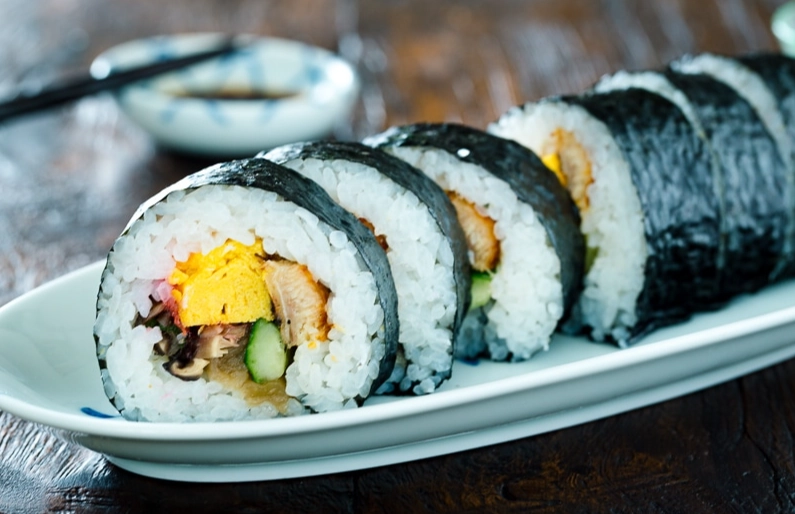
Step 3: Cut Cleanly. This is where many fail. Use the sharpest knife you have. Wipe it with a damp cloth between each cut. Place the roll seam-side down. Cut firmly in half. Then, align the two halves and cut each into three pieces, giving you six even pieces. Don't saw back and forth—press down cleanly.
Serve immediately.
The nori is still crisp.
The rice is warm.
That's the ideal.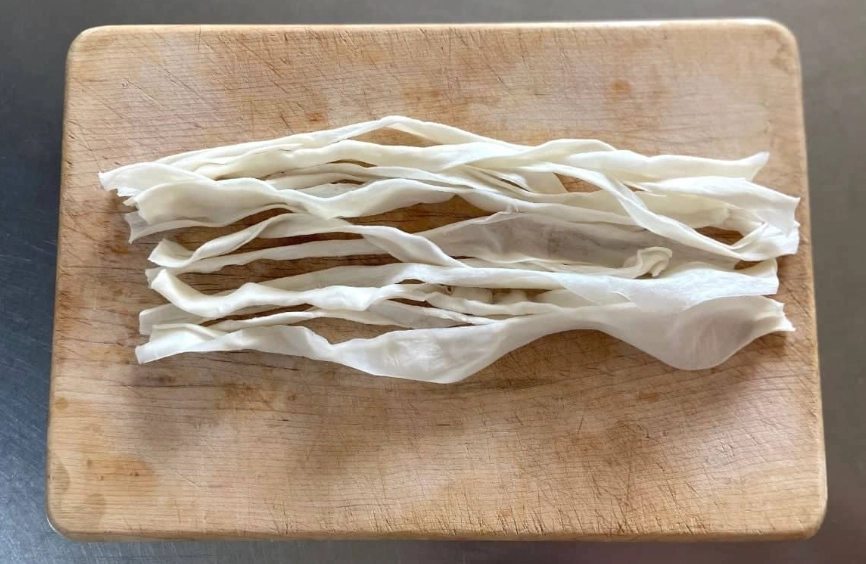
Your Kanpyo Roll Questions, Answered
 I tried a kanpyo roll and found it bland or rubbery. Did I get a bad one?
So, what is in a kanpyo roll? It's more than strips of gourd in rice. It's a lesson in simplicity, a test of culinary technique, and a quiet, satisfying pillar of sushi culture. Next time you see it on the menu, don't scroll past. Order it. Pay attention to the chew, the balance of sweetness, the quality of the rice. It might just become your new favorite benchmark for judging everything else that follows.
Reader Comments