Let's talk about panko. You've probably seen those airy, shaggy Japanese bread crumbs in the store, maybe picked up a box for a recipe, and ended up with something decent. But I'm willing to bet you haven't unlocked their full potential. Most home cooks treat panko like fancier regular breadcrumbs, and that's the first mistake. I've spent years testing brands, burning batches, and perfecting techniques in my own kitchen and in professional settings. The truth is, panko isn't just an ingredient; it's a texture game-changer, and using it right can turn weeknight dinners into something you'd order at a restaurant.
The magic isn't in the flavor—it's neutral—but in the architecture. Those big, flaky crumbs create a craggy, ultra-crispy shell that stays crunchy far longer than its fine, sandy Western counterpart. It's the difference between a soggy breading and a shattering, golden armor.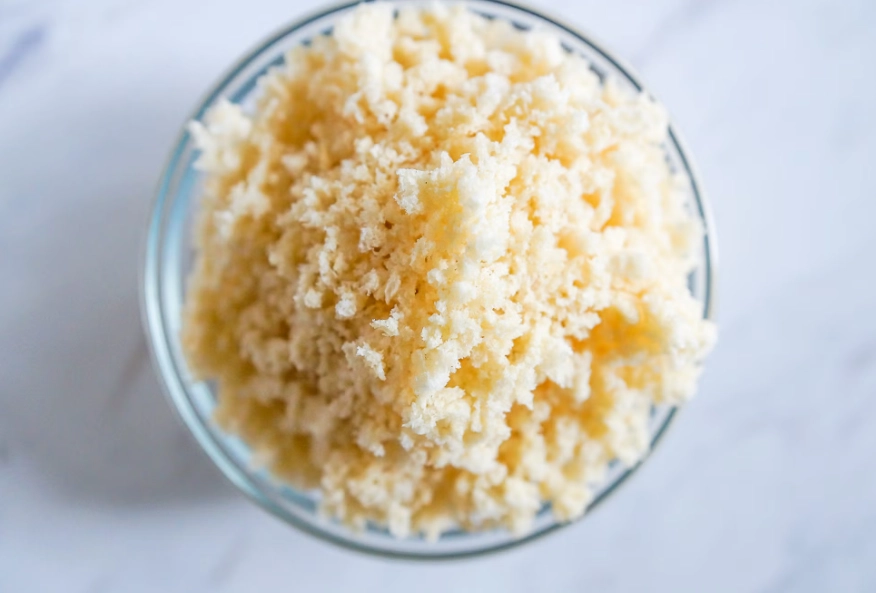
In This Guide: What You'll Learn
What Exactly Is Panko (And Why It's a Game Changer)
Panko is made from crustless white bread that's baked with an electrical current, resulting in a bread with a very fine, uniform crumb structure. This bread is then coarsely ground into those iconic large, slivered flakes. The process, detailed in resources from culinary science authorities, creates a crumb with less oil absorption and more surface area for crispiness.
Here’s the breakdown most recipes won't give you:
| Feature | Japanese Panko | Regular Breadcrumbs |
|---|---|---|
| Texture | Large, shaggy, flaky, sharp-edged | Fine, sandy, uniform |
| Oil Absorption | Low (creates a lighter, crispier coat) | High (can become greasy and heavy) |
| Final Result | Craggy, shatteringly crisp, stays crunchy | Dense, can soften quickly, often soggy |
| Best For | Frying (deep, shallow, air fry), baking toppings | Meatballs, meatloaf, binding mixtures |
That low oil absorption is key. It means your food tastes lighter and the coating acts as a protective barrier, sealing in juices without becoming a greasy sponge. A common pitfall I see is people using panko for meatloaf. Don't. It won't bind properly. Save it for where texture is king.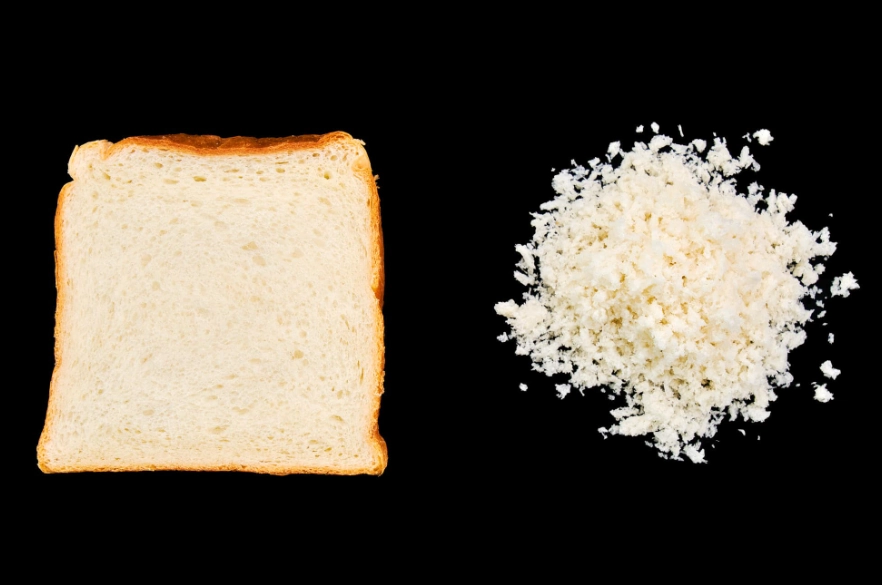
Buying and Storing Panko: Don't Just Grab Any Box
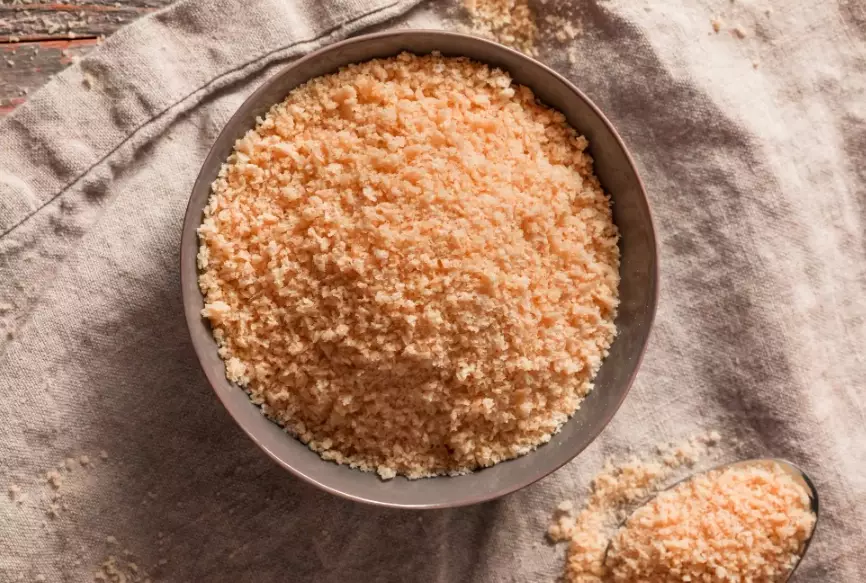
Not all panko is created equal. The mainstream supermarket brand is fine, but if you see an imported Japanese brand like Nishimoto or Kikkoman, try it. The flakes are often larger and more consistent. Look for bags where the crumbs look bright white and separate, not clumped or yellowish.
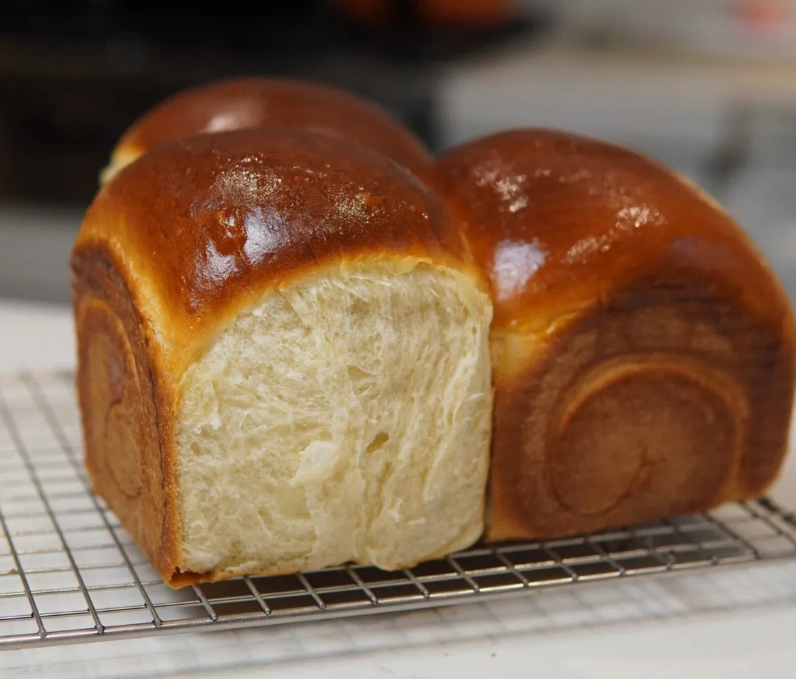
And yes, you can make your own. Tear crustless white bread (like milk bread or pullman loaf) into chunks, dry it in a very low oven (200°F/95°C) until bone-dry, then pulse in a food processor until you get shaggy flakes. It's more work, but the flavor is fresher and you control the flake size. I do this for special occasions.
The Foolproof Panko Coating Method: A Step-by-Step Breakdown
This is where most recipes fail you. They say "dredge in flour, dip in egg, coat in panko." That's the sequence, but not the technique. The secret is in the dry hand/wet hand method and the double layer of flavor.
Let's use chicken breast as our example.
- Prep Your Station: Get three wide, shallow dishes. One with all-purpose flour seasoned with salt and pepper. One with beaten eggs (a splash of water or milk helps). One with panko. Add a big pinch of salt to the panko—it seasons the crust directly.
- Dry Your Protein: Pat the chicken completely dry with paper towels. Any surface moisture is the enemy of adhesion.
- First Coat (Dry Hand): Using one hand (your "dry" hand), place the chicken in the flour. Shake off the excess thoroughly. This thin layer is just a glue, not a coating.
- Egg Wash (Wet Hand): Switch to your other hand ("wet" hand). Dip the floured chicken into the egg, let the excess drip off. Don't let it swim.
- The Panko Press (Critical Step): Place the eggy chicken into the panko. Now, with your dry hand, scoop panko over the top and press firmly. Don't just sprinkle. You want to embed those flakes into the egg to form a solid, craggy armor. Turn and press on all sides.
- Rest: Place the coated piece on a wire rack for 5-10 minutes. This lets the coating set and prevents it from sloughing off in the oil.
3 Panko Recipes You Need to Try This Week
Forget generic lists. These are the workhorse recipes that showcase panko's versatility.
1. The Ultimate Crispy Panko Chicken (Tonkatsu Style)
This is the classic. I use chicken thighs (boneless, skinless) for more flavor and juiciness, but breasts work.
Ingredients: 4 chicken thighs, 1/2 cup flour, 2 eggs, 2 cups panko, salt, pepper, oil for frying. For sauce: 3 tbsp ketchup, 2 tbsp Worcestershire, 1 tbsp oyster sauce, 1 tsp sugar.
Pound the thighs to an even 1/2-inch thickness. Follow the coating method above. Heat 1/2 inch of neutral oil (like canola) in a heavy skillet to 350°F. Fry for 4-5 minutes per side until deep golden brown and internal temp hits 165°F. Drain on a wire rack, not paper towels (this keeps the bottom crisp). Mix the sauce ingredients. Serve the chicken sliced over shredded cabbage with the sauce.
2. Easy Panko Shrimp (Ebi Fry)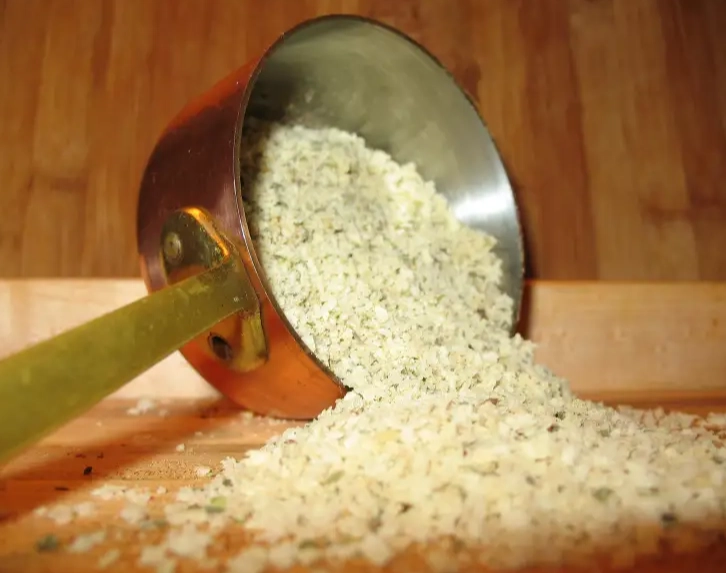
Even faster than chicken. The key is to butterfly the shrimp—slice almost through along the belly—so they lie flat and cook evenly.
Devein and butterfly 1 lb of large shrimp (16/20 count). Season, coat using the same flour-egg-panko press method. Fry in 350°F oil for 2-3 minutes total until curled and golden. Serve with tonkatsu sauce or a squeeze of lemon. They're absurdly good in a sandwich with shredded lettuce and a spicy mayo.
3. Crispy Baked Panko Fish Fillets
Yes, you can bake panko and still get crunch. The trick is toast the panko first and use enough fat.
Preheat oven to 425°F (220°C). Toss 1.5 cups panko with 3 tbsp melted butter or olive oil on a baking sheet. Toast in the oven for 3-5 minutes, stirring once, until light golden. Let it cool slightly. Pat dry 4 white fish fillets (cod, haddock). Brush with mayo or more melted butter (this replaces the egg wash for baking). Press the toasted panko firmly onto the fish. Bake on an oiled rack for 12-15 minutes until flaky. The pre-toasting is a non-negotiable step for baked crunch.
Using Panko Beyond Deep Frying
This is where panko really shines in everyday cooking.
The Air Fryer's Best Friend: Panko is perfect for air frying. Use the same coating method, spray lightly with oil, and air fry at 400°F. It gets incredibly crisp with minimal oil. My go-to for chicken tenders.
The Ultimate Casserole Topper: For mac and cheese, baked pasta, or creamy vegetables, mix panko with grated Parmesan and melted butter. Sprinkle over the top before baking. It creates a crunchy, savory lid that doesn't get mushy.
Texture for Salads & Soups: Sauté panko in a little butter or oil with garlic until golden brown. Use it as a "crouton" alternative on creamy soups or green salads. It adds a fantastic crunch without the hardness of a traditional crouton.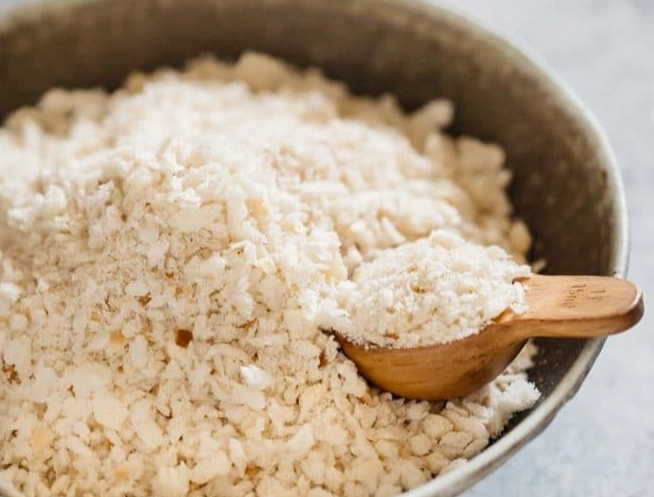
Your Panko Questions, Answered
Why does my panko coating fall off when I fry?
Two main reasons. First, you didn't shake off the excess flour after the first dredge. That loose flour creates a weak layer between the food and the egg. Second, you didn't press the panko firmly enough. It needs to be embedded, not just sitting on top. The 5-minute rest after coating also helps everything bind.
Can I use panko in an air fryer without it blowing everywhere?
Absolutely. The key is the press-and-rest method. Pressing the panko firmly into the egg wash creates a solid coat that won't fly off. Also, a very light spritz of oil on the coated food (not the basket) right before cooking helps weigh it down and promotes browning. Don't overcrowd the basket.
 What's a good substitute if I'm out of panko?
For a crispy coating, crushed cornflakes or unsweetened cereal will get you closer than fine breadcrumbs. Pulse them in a bag until you have coarse, uneven flakes. For a casserole topping, use crushed crackers (like Ritz) mixed with butter. It won't be the same, but it'll be tasty. For binding (like meatballs), you must use regular breadcrumbs or crushed saltines.
Is there a gluten-free panko that actually gets crispy?
Yes, but you have to be picky. Many GF pankos are made from rice and turn rock-hard. Look for brands that use a blend, like gluten-free bread made from tapioca and potato starch, processed into flakes. I've had decent results with the "Ian's" brand. The texture is slightly different, but it crisps well in both frying and baking. Always toast GF panko for a few minutes in the oven before using it as a topping for the best results.
Can I season panko before coating?
You should. Plain panko is bland. Always mix in a big pinch of salt. For more flavor, add garlic powder, onion powder, smoked paprika, dried herbs (oregano, thyme), or grated Parmesan cheese directly into the panko bowl. This seasons the crust from the inside out, so every bite has flavor, not just the surface.
Reader Comments