Explore This Guide
- Where Did Harumaki Even Come From? A Bite of History
- Harumaki in Japanese Culture: Not Just a Side Dish
- What Goes Into a Real Harumaki? Breaking Down the Components
- How to Make Harumaki at Home: A Step-by-Step Walkthrough
- Beyond the Classic: Modern Twists and Variations
- Your Harumaki Questions, Answered (FAQs)
- Final Thoughts: Why Harumaki Deserves a Spot in Your Kitchen
Let's be real. When you hear "spring roll," your mind probably jumps to the fresh, translucent Vietnamese kind or the crispy Chinese version. But have you ever tried, or even heard of, the Japanese take on this classic? That's where Harumaki (Japanese) comes in. It's a staple in Japanese home cooking and izakayas (Japanese pubs), yet it often flies under the radar for people outside Japan. I remember the first time I had a properly made one—it was at a friend's house in Osaka. The crunch was unreal, and the filling was so savory and juicy, completely different from what I expected. It was a game-changer.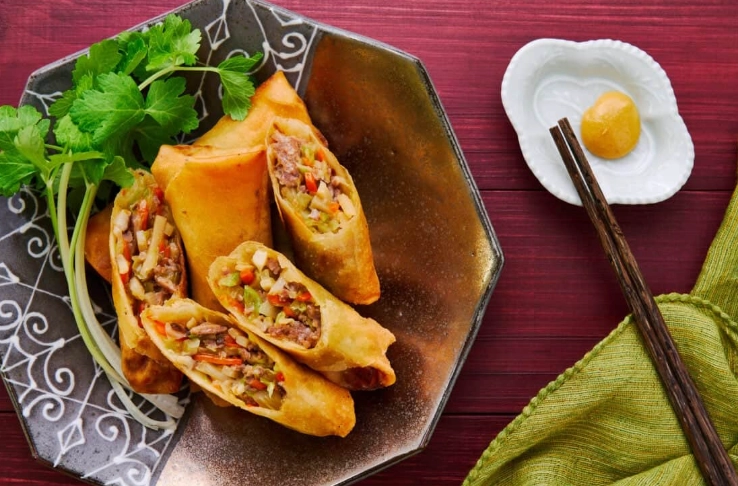
So, what's the deal with Harumaki (Japanese spring rolls)? They're these deep-fried, golden-brown cylinders of joy, wrapped in a thin, crispy wheat-based skin. The filling is almost always cooked, which is a key difference from some other types. We're talking about a savory mix of pork, vegetables, and glass noodles, seasoned with soy sauce and sake. It's comfort food, but with a delicate touch.
Quick Fact: The name "Harumaki" (春巻き) literally means "spring roll." "Haru" is spring, and "maki" means to roll. While they're enjoyed year-round, they have a special connection to spring celebrations in some regions.
This guide is for anyone who's curious. Maybe you saw it on a menu and wondered. Maybe you tried to make spring rolls at home and they fell apart (we've all been there). I'm going to walk you through everything—from its surprising history to how you can nail it in your own kitchen. I'll even share some mistakes I made so you don't have to.
Where Did Harumaki Even Come From? A Bite of History
This is where it gets interesting. Most people assume all spring rolls originated in China. And they're not entirely wrong, but the story of Harumaki in Japan has its own twists. The concept of rolling fillings in a thin wrapper and frying it was indeed introduced from China. Historical records suggest it came over during the Edo period or possibly later, in the Meiji era. But the Japanese, being masters of adaptation, didn't just copy it. They made it their own.
The original Chinese versions were often larger and filled with more robust, sometimes sweeter, ingredients. Japanese chefs and home cooks refined it. They made the wrappers thinner and crispier. They shifted the filling profile to suit local tastes—more savory, umami-rich, and using ingredients like shirataki noodles or minced pork more commonly found in Japanese cooking. It transformed from a restaurant dish to a common ryouri (home-cooked meal) and a popular appetizer.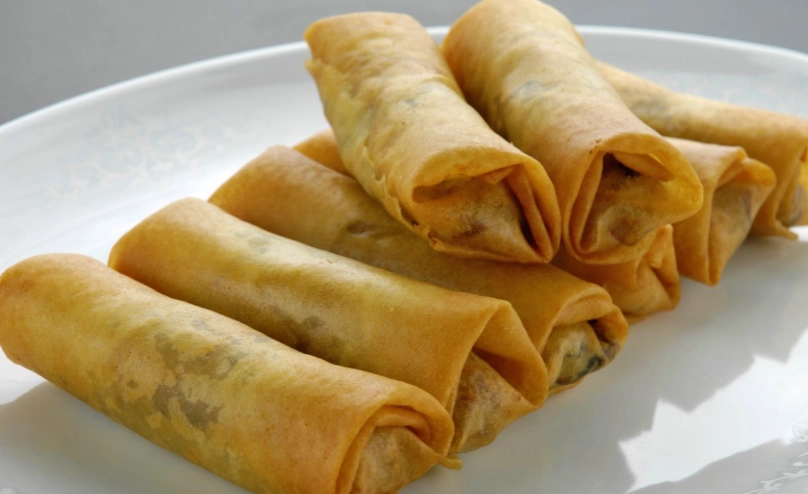
You can see this evolution in how it's served. In China, spring rolls might be a standalone dish. In Japan, Harumaki (Japanese) is often part of a set meal, served with a pile of shredded cabbage, a dab of karashi (Japanese hot mustard), and sometimes a side of soy sauce-based ponzu for dipping. It's integrated. The Japan National Tourism Organization often highlights such adapted dishes as examples of yoshoku (Western-influenced food) or chuka (Japanese-style Chinese food), showing how foreign concepts become uniquely Japanese.
I think that's the coolest part. It's not "authentic" in a purist sense, but it's authentically Japanese. It tells a story of cultural exchange on a plate.
Harumaki in Japanese Culture: Not Just a Side Dish
You won't find Harumaki (Japanese spring rolls) at a formal kaiseki dinner. That's not its role. Its place is in the warm, bustling, everyday life of Japan. Go to any supermarket—I mean any—and you'll find a freezer section packed with frozen harumaki. Brands like Gyoza no Ohsho or Ajinomoto have made them a convenience food staple. Busy parents pop them in the oven for a quick kid-friendly dinner. Salarymen grab them as a beer snack.
They're also a party food. At enkai (office parties) or family gatherings, a platter of crispy harumaki is almost a given. They're easy to eat, universally liked, and feel just a little bit special. Some regions have their own takes. I've heard in parts of Hokkaido, they might use local seafood in the filling. It's this versatility and familiarity that cement its place.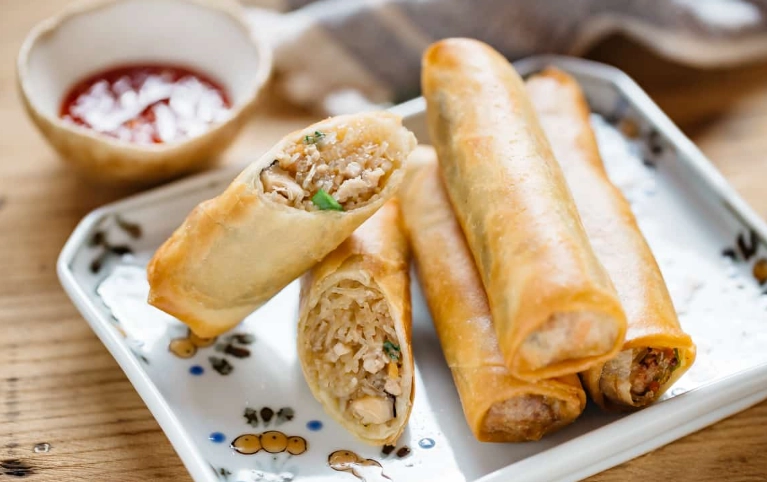
And then there's the dipping sauce. This is a big deal. While you can eat it with just soy sauce, the classic combo is karashi (that eye-wateringly strong yellow mustard) and soy sauce. The heat cuts through the richness of the fried wrapper and the savory filling perfectly. Some places serve it with Worcestershire sauce or a citrusy ponzu. Don't be afraid to experiment.
What Goes Into a Real Harumaki? Breaking Down the Components
Alright, let's get practical. To understand Harumaki (Japanese), you need to know its parts. It's a simple dish, but each component matters.
The Skin: The Key to That Perfect Crunch
This is the make-or-break element. Japanese harumaki skins are different from the Vietnamese rice paper wrappers or the thicker Chinese spring roll pastry. They're made from wheat flour, water, and salt, rolled incredibly thin. They're almost paper-like when dry. When fried, they puff up into dozens of delicate, glass-like layers that shatter with each bite.
You can buy these wrappers frozen or fresh in any Asian grocery store (look for "Spring Roll Pastry" or specifically "Harumaki no Kawa"). The brand "Menlo" is widely available and reliable. Just make sure they're the thin, square ones, not the round wonton wrappers.
My Biggest Mistake: I once tried to use rice paper wrappers for a Harumaki (Japanese) recipe. It was a disaster. They don't fry up crispy in the same way; they get hard and chewy. Learn from my fail—use the right wrapper.
The Filling: The Heart of the Matter
The filling is always cooked before wrapping. This is non-negotiable. It ensures the inside is flavorful and hot by the time the outside is perfectly golden. The classic combination is a harmony of textures and flavors:
- Protein: Finely minced pork is the most common. Sometimes chicken or shrimp are used. The pork adds fat and savoriness that's essential.
- Vegetables: Cabbage (finely shredded), carrots (julienned), and bamboo shoots are the holy trinity. They provide sweetness and crunch.
- Noodles: This is the signature. Harusame (glass noodles made from potato or bean starch) are soaked, chopped, and added. They absorb the flavors and create a wonderful, slightly springy texture.
- Seasonings: Soy sauce, sake, mirin, sesame oil, and a bit of sugar. This creates that distinct Japanese umami base. Some recipes add a pinch of grated ginger or garlic.
The filling should be moist but not wet. Any excess liquid will steam the wrapper from the inside and make it soggy or cause it to burst during frying. I always cook the filling, then let it cool completely in a colander to drain any juices.
| Ingredient | Role in the Filling | Prep Tip |
|---|---|---|
| Minced Pork | Provides savory, umami depth and richness. | Use a mix of lean and fatty pork (70/30) for best flavor. |
| Cabbage | Adds volume, sweetness, and moisture. | Shred finely and salt lightly to wilt and remove excess water. |
| Carrots | Adds color, sweetness, and a slight crunch. | Julienne or grate finely so they cook quickly. |
| Harusame (Glass Noodles) | Absorbs flavors, adds unique chewy texture. | Soak in hot water for 5-7 mins, then chop into 2-inch lengths. |
| Seasonings (Soy, Sake, etc.) | Creates the foundational Japanese flavor profile. | Mix seasonings in a bowl before adding to the pan for even distribution. |
How to Make Harumaki at Home: A Step-by-Step Walkthrough
Don't be intimidated. Making Harumaki (Japanese spring rolls) at home is totally doable. It's a fun weekend project. Here’s my go-to method, refined after a few... explosive failures.
- Prep the Filling: Cook the minced pork in a large pan or wok until it's no longer pink. Push it to the side, add a bit more oil, and stir-fry the carrots and bamboo shoots for a minute. Add the cabbage and cook until it wilts. Then, add the chopped, drained glass noodles.
- Season: Pour in your premixed sauce of soy sauce, sake, mirin, a pinch of sugar, and sesame oil. Toss everything together over high heat until the liquid is mostly absorbed. Taste it! Adjust if needed. Transfer to a wide bowl or baking sheet and spread it out to cool completely. This is crucial—hot filling will melt the wrapper.
- Wrap: Place a wrapper on a clean surface like a diamond (one point facing you). Put about 2 tablespoons of filling near the bottom corner. Fold the bottom corner over the filling, tuck it in tightly, then fold in the left and right sides. Roll it up tightly, like a burrito. Seal the final tip with a slurry of flour and water (a "glue"). Place seam-side down on a tray. Don't overfill—this is the #1 cause of bursting.
- Fry: Heat vegetable or canola oil in a deep pot to 340°F (170°C). This medium temperature is key. Too hot, and the outside burns before the inside heats up. Too low, and they get greasy. Fry in batches, don't crowd the pot, for about 4-5 minutes, turning occasionally, until they are a uniform golden brown.
- Drain and Serve: Drain on a wire rack, not paper towels. The rack keeps them crisp all over. Serve immediately with karashi mustard and soy sauce.
Pro-Tip for Crispiness: For extra-crispy Harumaki (Japanese), you can do a double-fry method. Fry them at 320°F until just set and pale, let them drain and cool slightly, then fry again at 350°F for a minute to crisp and color. It's a bit more work, but the texture is incredible.
The first time I fried a batch, I was so nervous. The sound of the sizzle is satisfying, but you have to resist moving them around too much. Let them get a good seal in the oil first.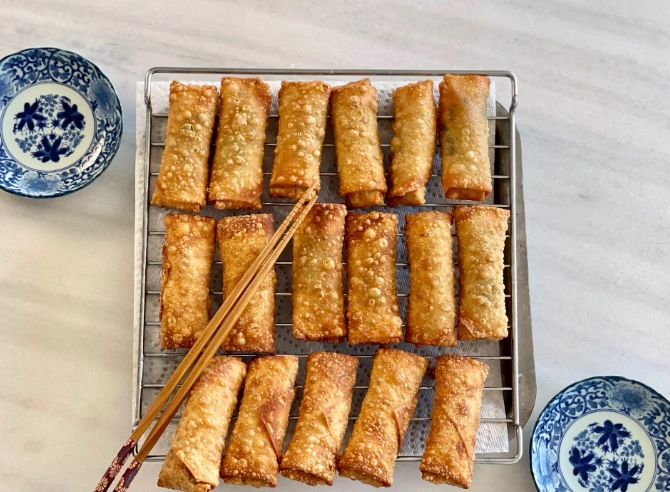
Beyond the Classic: Modern Twists and Variations
The basic pork and veggie Harumaki (Japanese) is timeless, but people get creative. Once you master the technique, the filling is your playground. Here are some popular spins you might encounter:
- Cheese Harumaki: A fusion favorite. Add a strip of mozzarella or cream cheese to the center of the filling. It becomes oozy and decadent when fried.
- Curry Harumaki: Use leftover Japanese curry (the thick, stew-like kind) as the filling. It's insanely flavorful and a great way to use leftovers.
- Seafood Harumaki: Substitute the pork with chopped shrimp, scallops, or crab stick. Add some chopped shiitake mushrooms for extra umami.
- Vegetarian Harumaki: Skip the meat. Use a mix of mushrooms (shiitake, enoki), tofu (pressed and crumbled), beansprouts, and extra glass noodles. Season well with soy and mushroom powder.
I'm partial to a kimchi and pork version myself. The kimchi adds a nice tang and kick. The point is, the Harumaki (Japanese spring roll) format is incredibly adaptable.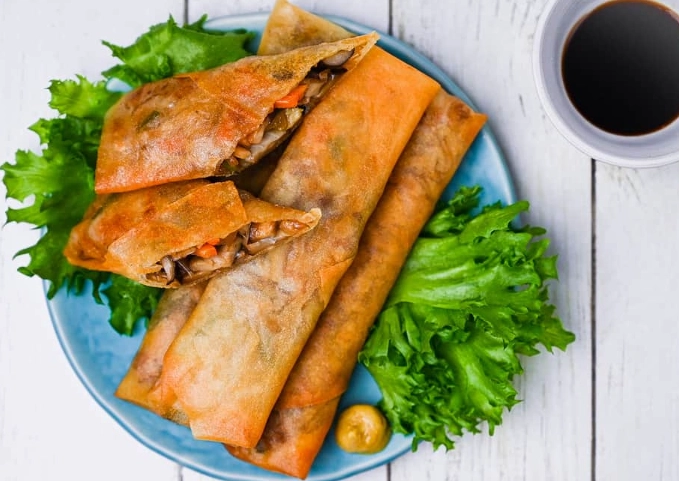
Your Harumaki Questions, Answered (FAQs)
I get a lot of questions whenever I talk about this dish. Let's tackle the most common ones head-on.
Final Thoughts: Why Harumaki Deserves a Spot in Your Kitchen
Look, in the grand universe of Japanese food, Harumaki (Japanese spring rolls) isn't the most glamorous. It's not sushi or ramen. But that's exactly why I love it. It's humble, satisfying, and real. It's the food of everyday life, of home kitchens, and of shared plates with friends.
Making it yourself connects you to that rhythm. The process of chopping, frying, and finally hearing that satisfying crunch as you bite into your own creation—it's worth the effort. It might take a couple of tries to get the wrapping tight or the oil temperature perfect, but when you do, it's a small victory.
So next time you're looking for a project or want to try something genuinely Japanese beyond the usual suspects, give harumaki a go. Grab some wrappers, make that savory filling, and get frying. Serve them hot with a cold beer or a cup of green tea. You might just find your new favorite homemade snack. And if they burst a little on your first try? Don't worry. They'll still taste amazing. Mine certainly did.
Happy rolling, and happy eating.
Reader Comments