Quick Navigation
Let's be honest, my first attempt at making Japanese curry from scratch was a disaster. I had this image of a rich, glossy, deeply savory sauce like the one from my favorite little restaurant downtown. What I ended up with was a watery, bland, vaguely brown stew that made my roommate politely ask if we could just order pizza. The problem? I had no clue about the real Japanese curry ingredients. I just threw in some generic curry powder and hoped for the best.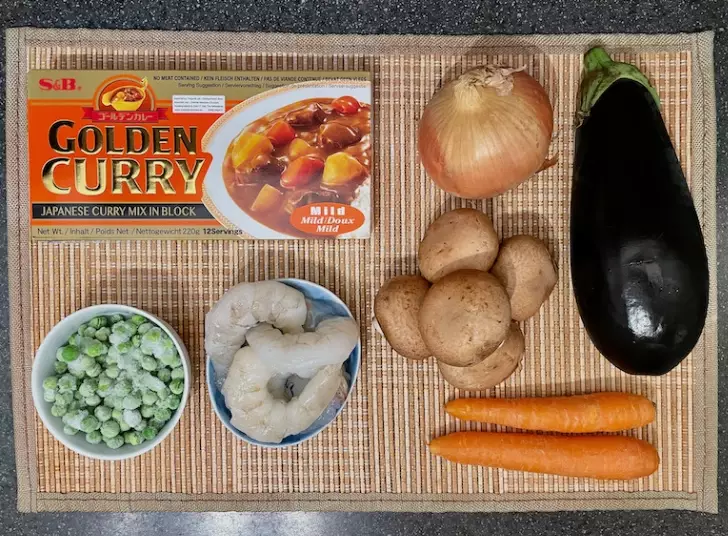
That experience sent me down a rabbit hole. I talked to chefs, read old cookbooks (even tried to decipher some in Japanese with Google Translate), and made more pots of curry than I care to admit. What I found out is that Japanese curry is a world of its own. It's not Indian curry, it's not Thai curry. It's this uniquely Japanese comfort food with its own rules and a magical little ingredient at its heart that changes everything.
So, if you've ever stared at the international aisle wondering which box of Japanese curry roux to buy, or if you've tried to make it and thought "something's missing," you're in the right place. This isn't just a list. It's a blueprint. We're going to break down every single component, from the non-negotiable staples to the game-changing extras that can take your curry from good to "can I have the recipe?" levels of great.
The Essential Foundation: The Roux
This is where the magic starts. Forget everything you know about curry powder for a second. The soul of a Japanese curry is its roux. It's what gives it that signature thickness, that rich umami depth, and that beautiful sheen. You basically have two paths here: the convenient block or the from-scratch hero journey.
The Store-Bought Block: Your Best Friend
For probably 99% of households in Japan, this is the starting point. And there's absolutely no shame in it—these blocks are engineered for deliciousness. They're a precise blend of flour, fat (like palm oil or butter), and a complex mix of spices and seasonings. The main brands you'll see are S&B, House Foods, and Glico. They come in levels of spiciness, usually Mild, Medium Hot, and Hot.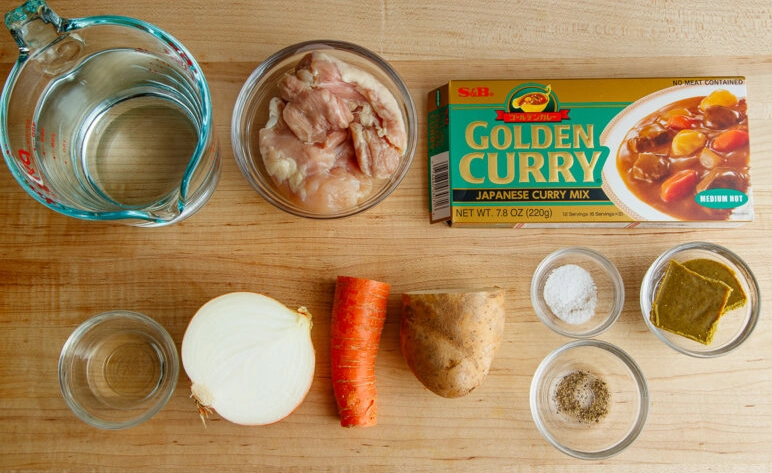
Here’s the thing about spice levels:
Even the "Hot" is generally quite mild by global curry standards. It's more about a warmth than a searing heat. I find S&B Golden Curry a bit too sweet for my taste now, but it's a classic for a reason. House Foods Vermont Curry (yes, it has apple and honey) is famously sweet and mellow. My personal go-to is House Foods Java Curry—it has a deeper, more savory, almost coffee-like richness that I love.
Making Your Own Roux: For the Adventurous
Want total control? Making roux from scratch is rewarding. You start with equal parts butter and flour, cooked together until it's a blonde or light brown color (this is called a blond roux). Then, you stir in your curry powder and other spices. The key is using a good quality Japanese curry powder, which is different from Madras or other blends. It's sweeter, less pungent, and often contains spices like coriander, cumin, turmeric, fenugreek, and cardamom in a specific balance.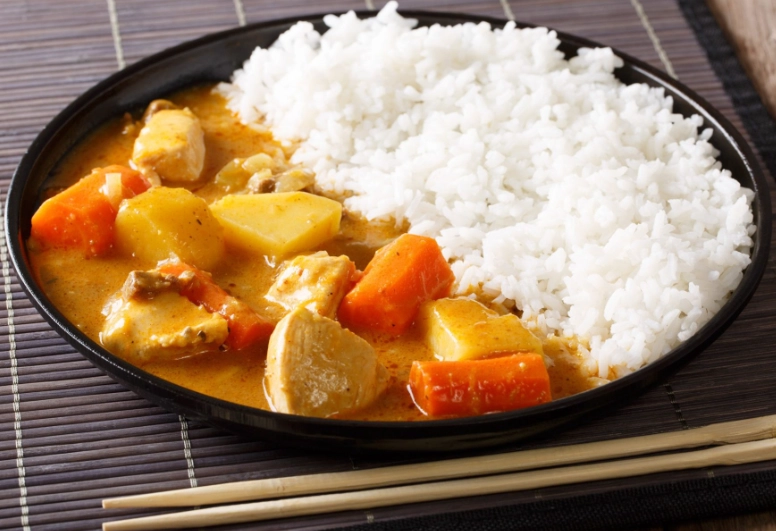
Honestly, I was a bit skeptical at first. Is it worth the extra effort? For a weekend project, absolutely. The flavor is brighter and more aromatic. But for a Wednesday night after work? The block wins every time. The official resource from Japan's Ministry of Agriculture, Forestry and Fisheries even highlights curry as a beloved example of yōshoku (Western-inspired Japanese food), often made convenient for home cooking, which explains the block's cultural dominance.
The Heart of the Curry: Proteins
This is where you make it your own. The protein choice directly influences the cooking method and final flavor of your curry.
Beef (Gyū Curry): The king of curries for many. You want a cut with some connective tissue that breaks down over long, slow cooking—chuck roast, stew meat, or short ribs are perfect. Brown it well first for massive flavor. The beef's richness pairs perfectly with the savory sauce.
Chicken (Chikin Curry): The most popular choice for speed and ease. Chicken thighs are infinitely better than breasts here. They stay juicy during simmering and have more flavor. You can brown them or just add them raw to simmer—they'll cook through in about 20 minutes.
Pork (Pōku Curry): Very common in Japan, especially using pork loin or shoulder (buta). Tonkatsu curry—where you serve the curry sauce over a deep-fried pork cutlet—is a national treasure.
Seafood & Others: Shrimp curry is a lighter, fantastic option. For vegetarians, firm tofu (pan-fried first), chickpeas, or just loading up on extra vegetables makes a wonderful curry. I've even had a fantastic curry with just mushrooms as the star—shiitake and king oyster mushrooms soak up the sauce amazingly.
The Flavor Base: Aromatics & Vegetables
This isn't just filler. These ingredients build the foundational flavor layer before you even add water or roux.
Onions: Non-negotiable. And we're not just slicing them. The secret to a deeply sweet, complex base is to cook a mountain of thinly sliced onions low and slow until they completely melt down into a jammy, golden-brown mush. This can take 30-45 minutes, but it's the single best thing you can do for your curry. It adds a natural sweetness and body that sugar can't replicate.
Garlic and Ginger: Minced or grated. Sauté them with the onions for the last minute or two to release their fragrance without burning.
Carrots and Potatoes: The classic duo. Cut your carrots into rolling wedges (rangiri) and your potatoes into large chunks so they don't disintegrate. They add sweetness, texture, and heartiness. Starchy potatoes help thicken the sauce a little, too.
But wait, what other vegetables can you use? Let's look beyond the basics.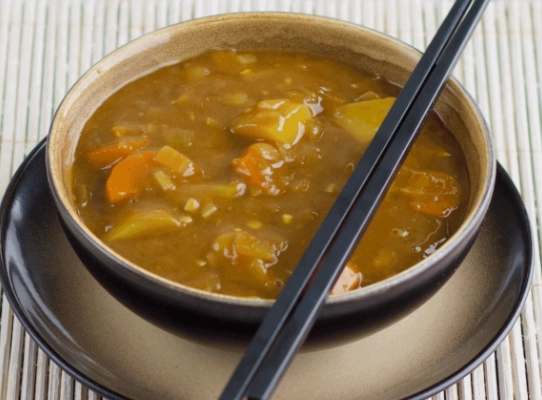
| Vegetable | When to Add | Flavor/Texture Contribution |
|---|---|---|
| Bell Peppers | Last 10 minutes of simmering | Fresh, sweet crunch and color (great in chicken curry). |
| Eggplant | Along with potatoes, may need pre-frying | Becomes incredibly tender and soaks up sauce. |
| Green Beans or Snow Peas | Last 5 minutes | Bright green color and a fresh snap. |
| Mushrooms (Shiitake, Button) | With the onions for browning, or later for tenderness | Deep umami (especially dried shiitake). |
| Kabocha Squash | Instead of potatoes, add earlier | Sweet, nutty, and breaks down into a creamy texture. |
The Liquid: It's Not Just Water
The liquid you choose is your chance to inject another layer of flavor. Water is fine, but why stop there?
Broth/Stock: Chicken, beef, or vegetable stock is the easiest upgrade. Use a low-sodium version because the roux blocks are already quite salty.
Dashi: This is the Japanese secret weapon. Dashi is a broth made from kelp (kombu) and bonito flakes, and it's the backbone of umami in Japanese cooking. Using dashi instead of water makes your curry taste profoundly more authentic and complex. You can make it from scratch, use dashi powder (hondashi), or even use a dashi tea bag steeped in hot water. The Japan Curry Promotion Association's website often references dashi as a key element for deepening flavor in home-cooked curry.
Other Options: A splash of red wine when deglazing the pot after browning meat adds acidity and depth. Some people add a bit of milk or cream at the very end for extra richness (more common in Hokkaido-style curry). A tablespoon of tomato paste cooked with the onions can add a nice background note.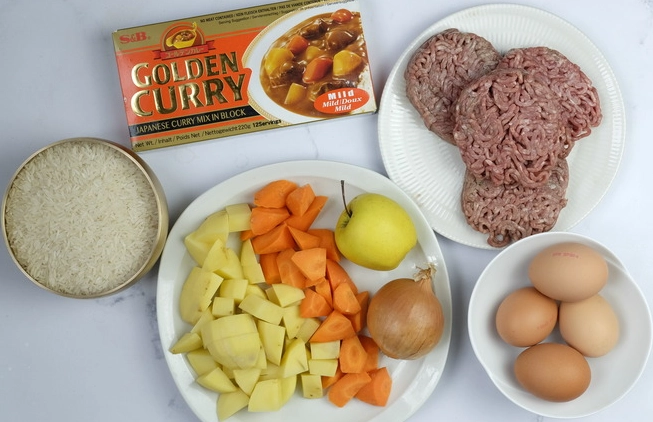
The Flavor Amplifiers: Secret Weapons
This is where you go from a standard curry to your signature curry. These are small additions that make a huge difference.
- Fruit Purees or Jams: This is not a myth. Grated apple (especially in Vermont Curry), applesauce, a tablespoon of apricot jam, or even a blob of ketchup (really!) are classic ways Japanese home cooks add a subtle, rounded sweetness and complexity. You don't taste "apple," you just taste a better, deeper curry.
- Soy Sauce & Worcestershire Sauce: A dash of either (or both) after adding the roux boosts savoriness (umami) and saltiness. Worcestershire sauce, in particular, is a common ingredient in the curry house (restaurant) style.
- Instant Coffee or Chocolate: Sounds wild, right? A teaspoon of instant coffee granules or a small square of dark chocolate melted into the sauce adds a bitter note that balances sweetness and enhances richness. It's a well-known "secret" among enthusiasts.
- Spice Boosters: If you find your curry too mild, don't just add chili powder. Try a pinch of garam masala at the end for fragrance, a bit of cayenne pepper for heat, or some freshly ground black pepper for punch.
The beauty of Japanese curry is its adaptability. Once you know the core ingredients for Japanese curry, you can tweak and adjust endlessly to suit your own pantry and taste buds. That's how family recipes are born.
Step-by-Step: Building Your Curry Pot
Let's put all these Japanese curry ingredients together into a logical flow. This is the process I've settled on after all my trial and error.
- Build the Flavor Base: In a heavy pot, cook down a huge pile of sliced onions with a little oil over medium-low heat until deeply caramelized. Be patient. Add minced garlic and ginger near the end.
- Brown the Protein: If using beef, brown it in batches in the same pot for maximum fond (those browned bits). For chicken or pork, you can brown it too, or add it raw later.
- Deglaze & Simmer: Add a splash of liquid (water, wine, broth) to scrape up all the tasty browned bits. Add your hard vegetables (carrots, maybe potatoes) and your protein (if not browned). Pour in your main liquid (water, dashi, or broth) to just cover everything. Bring to a boil, then reduce to a simmer. Skim off any scum that rises. Let this simmer until the protein and carrots are almost tender (30 mins for beef, 15-20 for chicken).
- Add Soft Vegetables & Potatoes: Add potato chunks and any other softer veggies. Simmer for another 10-15 minutes until potatoes are fork-tender.
- Incorporate the Roux: Turn off the heat. Break your curry roux blocks into pieces and whisk them into the pot until completely dissolved. If making your own roux, you'd melt it in a separate pan with spices and then whisk it in. This off-heat step prevents lumps.
- Final Simmer & Season: Turn the heat back to low. Let the curry simmer gently for 5-10 minutes, stirring occasionally, until it thickens beautifully. This is when you add your secret weapons—a splash of soy sauce, a spoonful of fruit puree, etc. Taste and adjust.
- Rest: This might be the most surprising tip. Let the curry sit, covered, off the heat for at least 15-20 minutes, or even overnight. The flavors marry and deepen incredibly. Reheat gently before serving.
Answering Your Curry Questions
I get a lot of questions from friends when they try making this. Here are the big ones.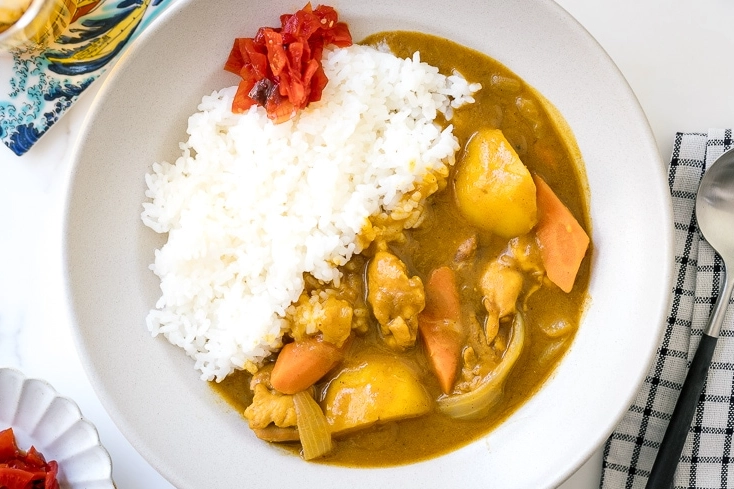
The Final Touch: How to Serve It
It's almost always served over a bed of short or medium-grain Japanese rice (the sticky kind). The rice is the perfect neutral canvas for the rich sauce. But there are other classic ways:
- Katsu Curry: Over a crispy, deep-fried pork or chicken cutlet (tonkatsu/chicken katsu).
- Curry Udon: Thinned out slightly and served over thick, chewy udon noodles.
- Curry Pan (Curry Bread): Curry wrapped in bread dough and deep-fried—an incredible snack.
- With Fukujinzuke: This bright red pickled vegetable relish is the traditional garnish. Its tangy, crunchy bite cuts through the richness perfectly. You can find it in jars at Asian markets or even make a quick version with daikon and cucumber.
Remember: The best guide is your own taste. Start with a trusted block roux and the holy trinity of onion, carrot, and potato. Master that. Then, next time, try caramelizing your onions longer. The time after that, swap water for dashi. Then try adding a hidden spoonful of apple sauce. Before you know it, you'll have a pot of curry that's uniquely, deliciously yours, built on a solid understanding of all the essential Japanese curry ingredients.
It's become my ultimate comfort food, and not just because it tastes good. There's something deeply satisfying about the process—the slow simmer, the way the house smells, the transformation of simple ingredients into something so much greater. And now that I know what each one does, it never turns out like that first sad pot again. Give it a try. Your perfect curry is waiting.
Reader Comments