Quick Guide
You know that feeling when you're looking at a menu, or maybe browsing the freezer aisle, and you see both "egg roll" and "harumaki" listed? They look kinda similar – both are crispy, cylindrical, fried rolls stuffed with goodies. But the price tag or the description makes you pause. Are they the same thing with just fancy names? Is one better than the other? If you've ever scratched your head wondering what is the difference between egg roll and Harumaki, you're in the right place. I've been there too, and after more than a few delicious (and sometimes confusing) meals, I think I've finally got it figured out.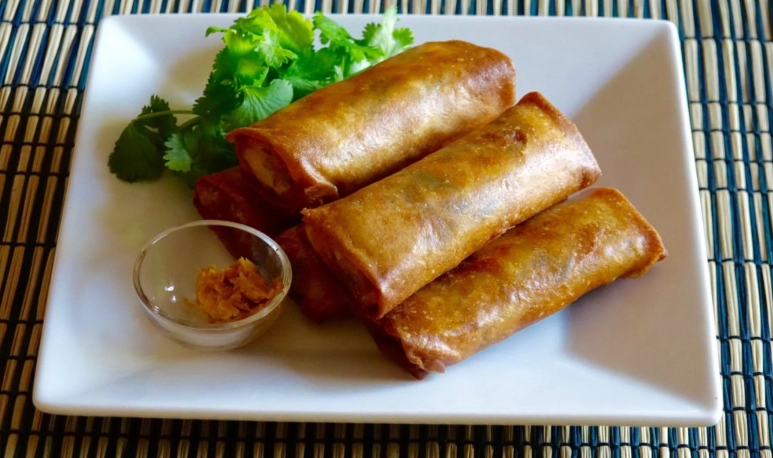
Let's get this out of the way first: they are not the same. Calling them interchangeable is like calling a croissant and a dinner roll the same because they're both baked bread. It misses the entire point of their unique identities. The confusion is totally understandable, though. Both have roots in Chinese spring roll traditions, but they took wildly different paths as they traveled across the world.
The Short Answer: An American-style egg roll is a larger, thicker, bubbly-wrapped, heavily seasoned log often found in Chinese-American takeout. Harumaki is the Japanese iteration: a smaller, delicate, crispy-skinned roll that stays closer to some original Chinese spring roll principles, with a focus on subtle balance.
But that's just the appetizer. The real story is in the details—the dough, the fillings, how they're cooked, and the culture they represent. Understanding the difference isn't just food trivia; it helps you know what you're ordering, what to expect flavor-wise, and maybe even how to make the authentic version at home.
The Core Differences: A Side-by-Side Look
Before we dive into the history and the nitty-gritty, here's a snapshot. This table lays out the big-picture distinctions that answer the core question of what is the difference between egg roll and Harumaki.
| Feature | American Egg Roll | Japanese Harumaki |
|---|---|---|
| Origin & Culture | Chinese-American culinary creation (mid-20th century USA) | Japanese adaptation of Chinese spring rolls (pronounced 'chūnjuǎn' in Mandarin) |
| Wrapper | Thick, wheat-flour based, often leavened. Fries up bubbly, chewy, and golden. | Thin, wheat-flour based (similar to spring roll pastry). Fries up shatteringly crisp and delicate. |
| Typical Fillings | Savory, robust: cabbage, carrots, pork, shrimp, heavily seasoned with soy sauce, pepper. Often includes bean sprouts. | Lighter, more refined: pork, shrimp, bamboo shoots, shiitake mushrooms, glass noodles. Seasoned delicately with soy, sake, mirin. |
| Size & Shape | Larger, fatter, log-like. A full meal component. | Smaller, slender, finger-sized. Often an appetizer or part of a set meal. |
| Cooking Method | Almost exclusively deep-fried. | Primarily deep-fried, but can sometimes be pan-fried. |
| Serving Style | Standalone, with duck sauce, hot mustard, or sweet & sour sauce for dipping. | Often served with a small dish of soy sauce (sometimes ponzu) or a light vinegar-based dip. May be part of bento. |
| Texture Experience | Crispy exterior with a substantial, slightly doughy/chewy bite. Filling is soft and cohesive. | Ultra-crisp, fragile exterior that shatters. Filling is distinct, with varied textures. |
See? Different beasts. One is your hearty, satisfying takeout buddy. The other is a elegant, crispy bite of umami. Now, let's unpack each of these points like we're carefully opening a perfectly fried roll.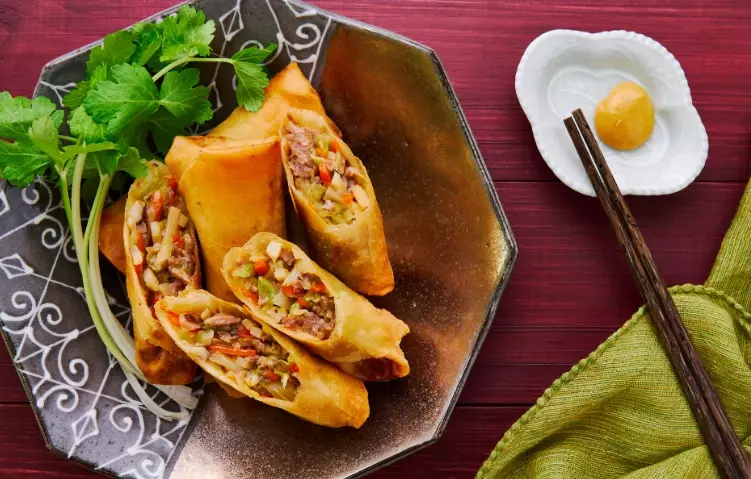
Diving Deeper: Origins and History (How Did We Get Here?)
To really get the difference, you have to go back. Way back. Both of these foods are descendants of Chinese spring rolls (春卷, chūnjuǎn), which were traditionally eaten during the Spring Festival. The original concept was a thin wheat wrapper around fresh spring vegetables, sometimes fried, sometimes not.
The American Egg Roll's Journey
This is where things get interesting, and frankly, a bit murky. The egg roll as we know it in the US is a true immigrant story, a product of adaptation and innovation. Chinese immigrants in the early-to-mid 20th century, particularly in cities like New York and San Francisco, modified their recipes to suit American ingredients, tastes, and the desire for hearty, filling meals.
The name "egg roll" is a bit of a misnomer. Some say it comes from a version where the dough contained egg. Others point to a dish called "dan gun" (蛋卷) which is a different, egg-based roll altogether. Personally, I think the name just stuck because it sounded good and vaguely descriptive of a rolled item. The classic thick, bubbly wrapper likely came from using a dough closer to a pasta or wonton skin, maybe even with a bit of baking powder added, to create a more substantial vessel that could hold up to bulkier fillings and survive under heat lamps in takeout joints.
It was cheap, filling, delicious, and became a staple of the Chinese-American takeout menu. It's less about replicating a specific dish from China and more about creating a new, iconic food for a new context. That's why asking what is the difference between egg roll and Harumaki often leads to this: the egg roll is its own unique culinary endpoint.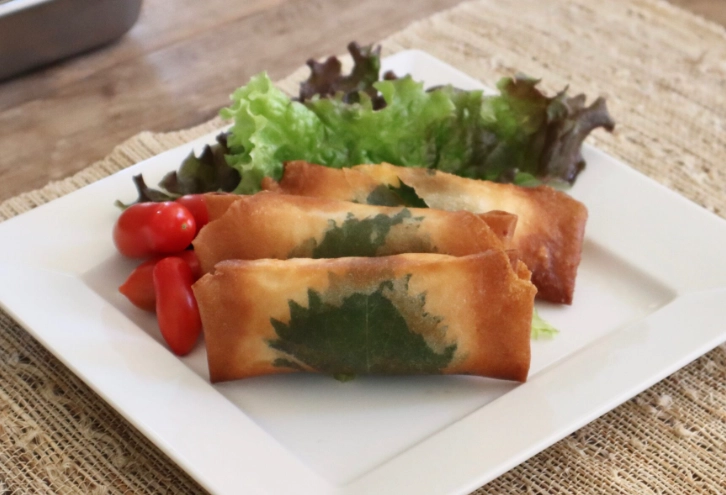
Harumaki's Path to Japan
Harumaki (春巻き) took a different route. The name is simply the Japanese pronunciation of the Chinese characters for "spring roll." It was introduced to Japan through cultural exchange, likely centuries ago, but its modern popular form solidified more recently. Japanese cuisine has a genius for adopting foreign foods (think tempura, ramen, curry) and refining them to fit Japanese aesthetic and taste principles—simplicity, seasonality, and visual appeal.
Instead of making it bigger and heartier, Japanese chefs focused on perfecting the crispness of the wrapper and the balance of the filling. The fillings became more precise, highlighting quality ingredients like fresh shrimp, savory pork, and aromatic shiitake mushrooms. The seasoning became subtler, relying on the natural umami of the ingredients enhanced with Japanese staples like soy sauce, mirin, and sake. The goal wasn't a heavy log of food, but a perfect, elegant bite.
You can find more about the integration of Chinese culinary concepts into Japanese cuisine through resources like the Japan National Tourism Organization's culinary history pages, which touch on this cultural synthesis.
I remember the first time I had a proper harumaki in a Tokyo izakaya. It came on a small plate with a wedge of lemon. The crunch was unbelievable—like glass—and the inside was steaming hot and incredibly flavorful without being greasy or salty. It was a world away from the giant, sauce-drenched egg roll I'd grab with my lo mein back home. Both are great, but they serve completely different purposes.
The Devil's in the Details: Wrapper, Filling, and Technique
This is where the rubber meets the road, or rather, the dough meets the oil. The physical construction of each roll is the most tangible answer to what is the difference between egg roll and Harumaki.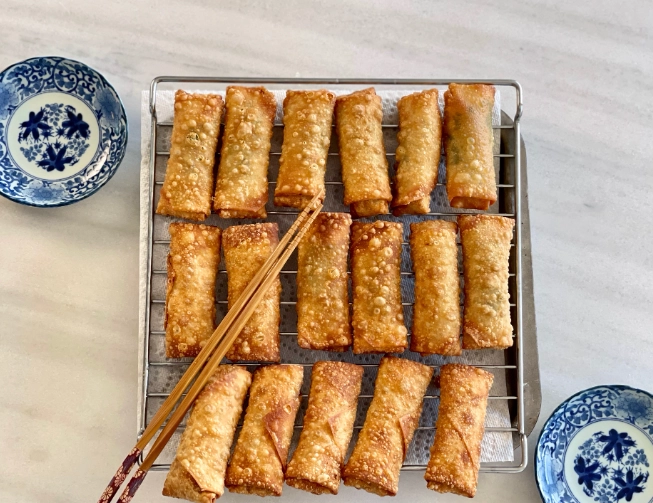
The Great Wrapper Debate
This is the single biggest giveaway.
- Egg Roll Wrapper: Thick. Doughy. Often has a distinct yellowish tint. It's made from wheat flour, water, salt, and sometimes egg and/or leavening agents. When fried, it doesn't just get crisp; it puffs up, creating a bubbly, craggy exterior with a texture that's both crispy and pleasantly chewy. It's a wrapper you definitely notice.
- Harumaki Wrapper: Thin. Translucent before frying. It's essentially a spring roll pastry, made from just wheat flour, water, and salt, rolled incredibly thin. The goal is sheer, shattering crispness with zero chew. It should crackle audibly when you bite into it and almost dissolve on your tongue. You can sometimes find these labeled as "spring roll wrappers" in Asian markets.
If you're looking at a fried roll and the skin looks like it has little air bubbles or a texture like a crunchy pancake, it's an egg roll. If it looks smooth, glassy, and fragile, it's a harumaki.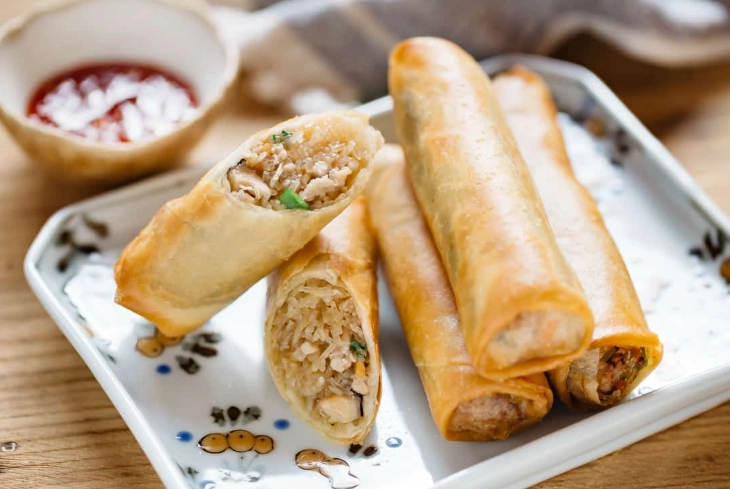
What's Inside? The Filling Showdown
The filling philosophy is night and day.
American Egg Roll Filling is about volume and savory punch. It's usually a hearty mix of:
- Shredded cabbage (lots of it)
- Shredded carrots
- Bean sprouts
- Minced pork or chopped shrimp
- Seasoned aggressively with soy sauce, sesame oil, white pepper, and maybe garlic or ginger.
The filling is often cooked down until the vegetables are very soft, creating a uniform, cohesive mixture. It's comforting and bold.
Japanese Harumaki Filling is about harmony and distinct textures. Think of a finely tuned orchestra, not a powerful rock band. Common ingredients include:
- Finely julienned pork shoulder
- Whole or halved small shrimp
- Thinly sliced bamboo shoots
- Rehydrated and sliced shiitake mushrooms
- Glass noodles (harusame)
- Seasoned lightly with soy sauce, sake, mirin, and a touch of sugar.
The ingredients are often pre-cooked separately to control their texture, then combined. When you bite into a harumaki, you can taste the individual components—the snap of the shrimp, the crunch of the bamboo, the chew of the mushroom. It's a more sophisticated eating experience.
For nutritional context, the cabbage-heavy filling of an egg roll does provide fiber and vitamins, as noted by the USDA FoodData Central, though the frying method adds significant fat and calories to both.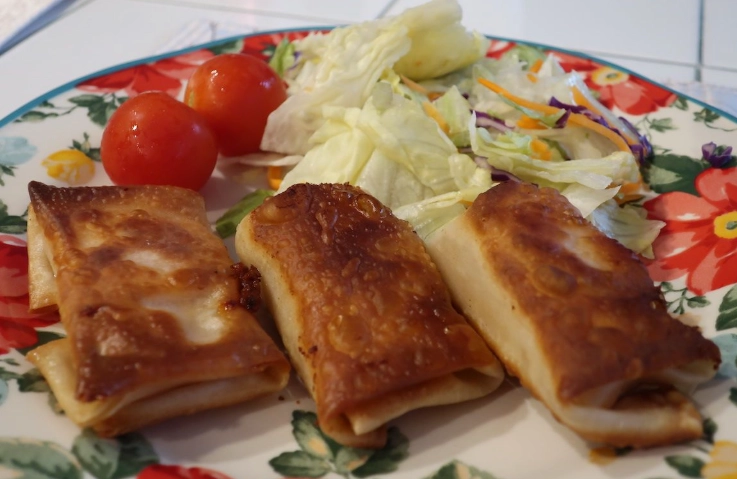
Frying and Serving: The Final Act
Both are fried, but the intent differs. An egg roll is fried at a moderate temperature to cook the thick wrapper through and get that golden-brown, bubbly texture. It needs time.
A harumaki is fried in hot oil, very quickly. The goal is to crisp the paper-thin wrapper before the delicate filling overcooks. It's a faster, higher-heat operation.
Then there's the dip. An egg roll without duck sauce or hot mustard feels naked. Those sweet, tangy, or pungent sauces are part of the package—they cut through the richness and add another layer of flavor.
Harumaki is often served with just a small dish of soy sauce, perhaps spiked with a bit of citrus (ponzu) or grated daikon. Sometimes, it's just a wedge of lemon. The idea is to enhance, not mask, the delicate flavors inside. It's a subtle complement, not a flavor blast.
Common Questions (And My Honest Answers)
Let's tackle some of the things people really want to know when they're puzzling over what is the difference between egg roll and Harumaki.
This is a tricky one. If "authentic" means closest to the original Chinese spring roll, then harumaki probably wins by a nose. Its wrapper and lighter filling philosophy are closer. But that's not a knock on the egg roll. The egg roll is authentically Chinese-*American*. It's a legitimate and beloved dish in its own right, born from a specific cultural experience. It's authentic to the American takeout scene. So it depends on what tradition you're measuring against.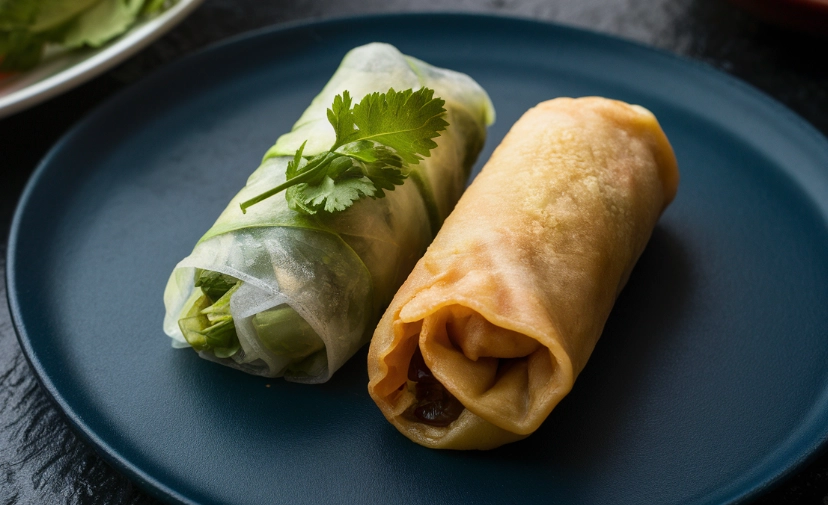
You can, but you shouldn't expect the same result. If a recipe calls for harumaki and you use an egg roll wrapper, you'll get a thick, doughy casing that might overwhelm a delicate filling. If you use a spring roll wrapper for an egg roll recipe, it might tear from the bulkier filling and won't give you that classic chewy-crisp texture. My advice? Follow the wrapper type the recipe specifies. It matters.
Honestly? They're both fried foods, so neither is a health food. But if you're splitting hairs, a harumaki is often smaller, has less dense dough, and a filling with more lean protein and vegetables and less cabbage bulk. It might have slightly less calories and fat per piece, but you might also eat more of them! The real health difference is negligible; enjoy both in moderation.
Ah, the third wheel! Spring roll is the broadest term. It generally refers to the original Chinese concept: a thin wheat wrapper with various fillings, often but not always fried. In a global context:
- Harumaki = Japanese spring roll (usually fried).
- Egg Roll = Americanized, thick-wrapped spring roll (fried).
- Spring Roll = Can mean the authentic Chinese version, the non-fried fresh versions (like Vietnamese Gỏi cuốn), or be used interchangeably with "harumaki" in the West.
It's the most confusing term of all, so always check the description or picture!
So, what's the final verdict on what is the difference between egg roll and Harumaki? Think of the egg roll as the hearty, satisfying, and boldly flavored cousin that moved to a new country and made a big, delicious life for itself. It's unapologetically robust. The harumaki is the refined, elegant cousin who studied the family craft and perfected it into an art form, focusing on precision, texture, and subtlety.
Next time you see them side-by-side, you'll know. You'll know that craving a giant, saucy, chewy-crisp log means you want an egg roll. And when you want something light, exquisitely crunchy, and filled with nuanced flavors, you'll reach for the harumaki. Both are fantastic examples of how food evolves and adapts, creating new classics along the way. Now, if you'll excuse me, all this talk has made me hungry for... both.
Reader Comments