Let's be honest. When you think "Japanese dinner," a picture-perfect plate of sushi probably pops into your head. Maybe some steaming ramen. But after living in Tokyo for a decade and eating my way from cramped standing bars to serene ryokan dining rooms, I can tell you that's just the glossy tourist brochure. A real Japanese dinner is a mood. It's an experience that shifts dramatically depending on where you are, who you're with, and how much you want to spend. It can be a raucous, beer-fueled feast of shared small plates, or a silent, contemplative procession of seasonal artistry. Most guides just list dishes. I want to show you how to actually *live* these meals.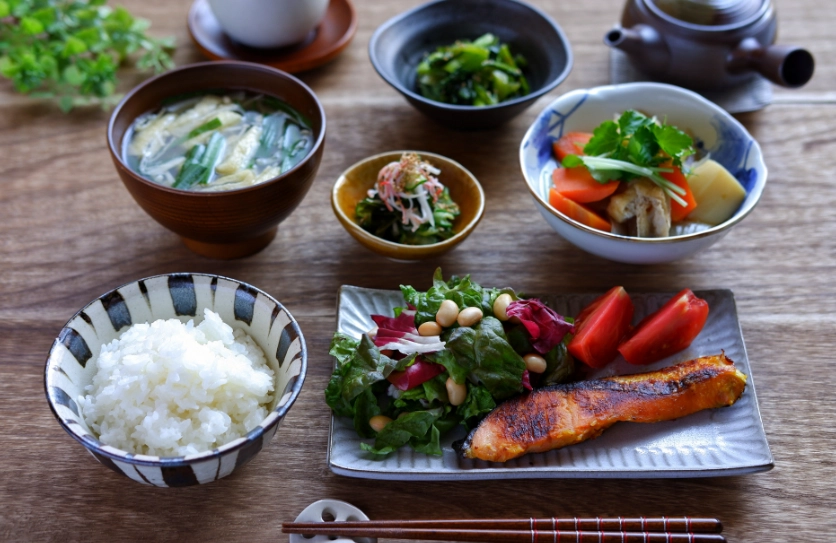
What's Inside This Guide?
- What Exactly is a Japanese Dinner? (Hint: It's Not Just Sushi)
- Navigating an Izakaya: A Step-by-Step Guide for First-Timers
- Cooking a Simple Japanese Dinner at Home: A Realistic Approach
- The Pinnacle: Experiencing a Formal Kaiseki Dinner
- Common Pitfalls to Avoid When Exploring Japanese Dinners
- Your Japanese Dinner Questions, Answered
What Exactly is a Japanese Dinner? (Hint: It's Not Just Sushi)
Sushi is for lunch. Seriously, ask any salaryman in Tokyo. The best, most affordable sushi is often eaten at midday. Dinner is where Japan's culinary soul truly unfolds across a spectrum. We can break it down into three main worlds you'll encounter.
The Izakaya (居酒屋): Think of this as a Japanese gastropub. This is where friends, colleagues, and families go to unwind. The focus is on shared dishes called "otsumami" (おつまみ) – literally, "things to nibble on while drinking." The atmosphere is loud, warm, and communal. You order multiple small plates over several hours, alongside beer, sake, or shochu. A typical spread might include yakitori (grilled chicken skewers), edamame, agedashi tofu (fried tofu in broth), and a hearty plate of yakisoba (fried noodles). The bill is usually per item, and it's perfectly normal to spend 2,000 to 4,000 yen per person without alcohol.
The Home Kitchen (家庭の味): This is the heart of everyday Japanese dinner ideas. It's practical, balanced, and built around a concept called "ichiju-sansai" (一汁三菜) – "one soup, three dishes." This isn't a rigid rule but a guiding principle for nutrition and variety. You'd have a bowl of rice (the staple), a bowl of miso soup, a main protein dish (like grilled fish or chicken teriyaki), and two smaller side dishes (like simmered vegetables and a spinach salad). It's wholesome, relatively quick to prepare, and the kind of meal you'd find in millions of apartments every night.
The Ryotei & Kaiseki (料亭・懐石): This is the high end. A ryotei is a traditional, often exclusive restaurant. Kaiseki is the multi-course dining format served there, originally tied to the tea ceremony. It's a seasonal story told through food—presentation, texture, temperature, and flavor are all meticulously choreographed. Courses are small but numerous (8-14), featuring the absolute best local and seasonal ingredients. Expect anything from a delicate sashimi arrangement to a small clay pot of rice cooked with seasonal mushrooms. This is a special occasion meal, with prices starting around 15,000 yen and easily climbing to 50,000 yen or more per person.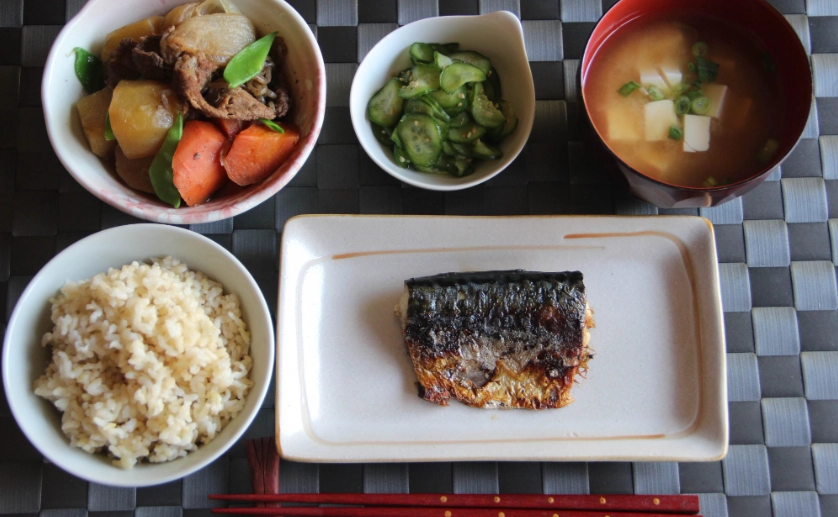
A quick reality check: Most Japanese people aren't eating kaiseki every Tuesday. The izakaya and home-cooked meal are the real pillars of Japanese dinner culture. Understanding this hierarchy is the first step to moving past the clichés.
Navigating an Izakaya: A Step-by-Step Guide for First-Timers
Walking into a bustling izakaya can be overwhelming. The menu is often only in Japanese, the staff is busy, and the etiquette isn't obvious. Let's walk through it like you're there with me.
The Unwritten Rules of Ordering
First, you'll be given an oshibori (hot towel) to clean your hands. Then, drinks. Always order drinks first. A simple "Biiru, onegaishimasu" (Beer, please) is your universal entry ticket. Now, the food. Don't order everything at once. Izakaya dining is a marathon, not a sprint. Start with 2-3 dishes per person. A classic, foolproof opening trio:
- Edamame: The universal starter. Simple, salty, and gives you something to do with your hands.
- Yakitori (2-3 skewers per person): Stick to basics like "momo" (chicken thigh) or "negima" (chicken and leek). Avoid the more adventurous parts on your first visit.
- Agedashi Tofu: Crispy on the outside, silken inside, sitting in a savory dashi broth. It's a crowd-pleaser.
As you finish these, you assess. Still hungry? Want another drink? Then you call the server over and order the next wave. Maybe some grilled fish (saba shioyaki), a potato salad (yes, Japanese potato salad is a thing, and it's creamy and amazing), or some gyoza. This ebb and flow is the rhythm of the night.
How to Find a Great One (Without Speaking Japanese)
Skip the places with giant plastic food displays in super touristy areas. Look for these signs instead: a noren (short curtain) at the door, a smoky aroma, and the sound of laughter inside. In cities, chains like "Torikizoku" or "Shoya" are actually fantastic for beginners—they have picture menus, all items are one price (often around 300-400 yen), and the system is streamlined. They're the training wheels of the izakaya world, and there's no shame in using them.
Here’s a quick comparison of izakaya styles:
| Type | Atmosphere | Price Point (per person) | Best For |
|---|---|---|---|
| Modern Chain (e.g., Torikizoku) | Loud, bright, efficient | 1,500 - 2,500 yen | Beginners, groups on a budget |
| Traditional Stand-up (Tachinomi) | Cramped, lively, local | 1,000 - 2,000 yen | A quick drink and bite, solo explorers |
| Neighborhood Izakaya | Cozy, familial, smoky | 2,500 - 4,000 yen | Authentic experience, trying regional specialties |
Cooking a Simple Japanese Dinner at Home: A Realistic Approach
You don't need a fancy knife or dashi made from scratch to make a satisfying Japanese-style dinner. The secret is in the pantry, not the technique. Let's build a simple "ichiju-sansai" meal that's actually doable on a weeknight.
The Pantry Staples You Actually Need: Soy sauce, mirin (sweet cooking rice wine), sake (cooking sake is fine), miso paste (start with white/"shiro" miso), and a bottle of pre-made dashi stock or dashi powder. With these five items, you can make 80% of classic home dishes. Don't get bogged down making dashi from kombu and bonito flakes on day one—that's a weekend project.
A Sample Weeknight Menu:
- Main: Salmon Teriyaki. Score the skin, pan-fry skin-side down until crispy, then add a glaze of 2 tbsp soy sauce, 2 tbsp mirin, and 1 tbsp sake. Simmer for 2 minutes. Done.
- Side 1: Spinach Ohitashi. Blanch spinach, squeeze out water, and soak in a mix of dashi, soy sauce, and a pinch of sugar. Serve cold.
- Side 2: Simmered Kabocha Squash. Cut squash into chunks, simmer in water with a dash of soy sauce and a tablespoon of sugar until tender.
- Soup: Miso Soup. Heat dashi, dissolve in a tablespoon of miso paste (don't let it boil!), add some wakame seaweed and cubed tofu.
- Staple: A bowl of steamed rice. A rice cooker is your best friend here.
See? No exotic ingredients. The key is balancing flavors: the sweet-salty of the teriyaki, the clean umami of the spinach, the gentle sweetness of the squash, and the savory depth of the soup. It feels complete.
The Pinnacle: Experiencing a Formal Kaiseki Dinner
If an izakaya is a jazz jam session, kaiseki is a symphony. Every element is precise. Booking is essential, often requiring a hotel concierge or a Japanese-speaking friend to call. Dress is smart casual—no shorts or flip-flops. You're not just buying food; you're renting a few hours in a serene, artistic space.
What to Expect During the Meal: Courses arrive slowly, sometimes in exquisite, one-time-use dishware. There's a typical progression: an appetizer (sakizuke), a soup (suimono), a sashimi course (otsukuri), a simmered dish (nimono), a grilled dish (yakimono), and a final rice/miso/pickle course to close (shokuji). The menu is seasonal. In autumn, you might see matsutake mushrooms; in spring, bamboo shoots and cherry blossom motifs.
A Note on Cost and Value: A proper kaiseki dinner at a reputable place in Kyoto like Kikunoi or Hyotei starts at around 25,000 yen for dinner. Is it worth it? For a once-in-a-lifetime culinary experience that engages all your senses and tells a story of the season, absolutely. For a "fill me up with amazing food" night, probably not. Go in with the mindset of attending a culinary performance.
Common Pitfalls to Avoid When Exploring Japanese Dinners
Here's where my decade of watching tourists and expats stumble comes in handy.
Pitfall 1: The Single-Plate Order. In an izakaya, ordering one big dish per person like you would at a Western restaurant is a mistake. You'll get weird looks, finish too quickly, and miss the point. Share many small things.
Pitfall 2: Drowning Everything in Soy Sauce. This is the biggest culinary sin. For sashimi, put a little soy sauce in the small dish provided. For tofu or delicate dishes, the chef has already seasoned it. Taste first. Pouring soy sauce over everything, especially rice, is like putting ketchup on a fine steak.
Pitfall 3: Rushing. A Japanese dinner, especially outside a fast-food ramen joint, is meant to be lingered over. In an izakaya, you're paying for the seat and the atmosphere as much as the food. Settle in. In a kaiseki restaurant, rushing is downright disrespectful to the craft.
Pitfall 4: Ignoring the Rice. Rice is sacred. It's not just a filler. In a proper meal, it's eaten last, often with pickles, to cleanse the palate and provide a satisfying, neutral finish. Don't leave it untouched.
Reader Comments