Jump Straight to What You Need
When people think of Japanese fish dishes, sushi and sashimi usually pop up first. I get it—I used to be the same. But after spending years exploring Japan's food scene, from tiny izakayas in Osaka to high-end spots in Tokyo, I've learned there's so much more. Japanese cuisine treats fish with a reverence that's hard to find elsewhere, balancing simplicity with deep umami flavors. Let's cut through the hype and dive into what really matters: the dishes you should try, how to make them, and where to eat them without breaking the bank.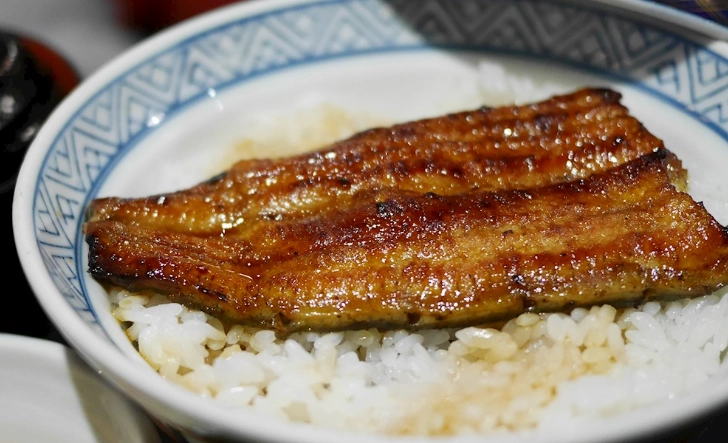
What Makes Japanese Fish Dishes Unique?
It's not just about fresh fish. Japanese fish dishes rely on techniques that highlight natural flavors. Think grilling over charcoal (yakizakana), simmering in soy-based broths (nitsuke), or even fermenting (like funazushi). The key is seasonality—chefs follow the shun principle, using fish at their peak. For example, sanma (pacific saury) is best in autumn, while buri (yellowtail) shines in winter. This isn't some fancy rule; it means the fish tastes better and often costs less. I've seen tourists pay top dollar for off-season tuna when local mackerel was the real star.
Another thing: presentation matters, but not in a fussy way. A piece of grilled salmon might come with a squeeze of sudachi citrus and a sprinkle of sea salt. That's it. No heavy sauces masking the fish. This simplicity trips up home cooks who overcomplicate things. Trust me, I've been there—adding too much mirin or soy sauce and ruining a perfectly good fillet.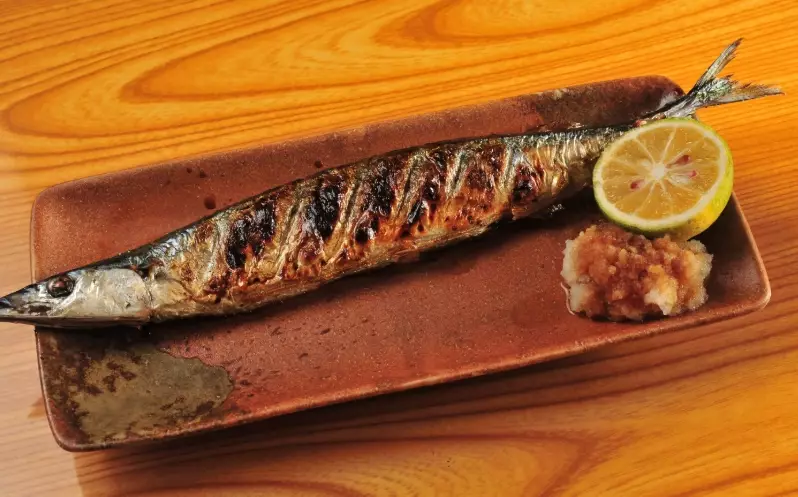
Top 5 Must-Try Japanese Fish Dishes
Forget the generic lists. Here are five dishes that capture the essence of Japanese fish cooking, based on my own eats and chats with chefs.
- Yakizakana – Grilled fish, often served whole. Try it at a breakfast joint in Tokyo; the skin gets crispy, and the flesh stays moist. A classic is saba (mackerel) grilled with salt.
- Unagi no Kabayaki – Grilled eel glazed with a sweet-savory sauce. It's rich and fatty, perfect with rice. Many places source eel from Lake Hamana, but sustainability is a growing issue—more on that later.
- Sakana no Nitsuke – Fish simmered in soy sauce, sake, and sugar. This is comfort food. I once had it at a family-run place in Kyoto; the fish melted in my mouth.
- Hirame no Usuzukuri – Thinly sliced flounder, often served with ponzu sauce. It's lighter than sashimi and lets the fish's texture shine.
- Kaisen Don – A rice bowl topped with assorted raw fish. Go for one with uni (sea urchin) and ikura (salmon roe) if you're feeling adventurous.
Notice how raw fish isn't the only star? That's a common oversight in guides. Grilled and simmered dishes offer warmth and depth, especially in colder months.
How to Cook Japanese Fish at Home
You don't need fancy tools. A good pan and some basic ingredients can get you started. Here's a simple yakizakana method I use weekly.
First, choose your fish. Look for firm flesh and clear eyes if buying whole. Salmon or mackerel work well for beginners. Pat it dry—this is crucial. Moisture steams the fish instead of letting it crisp up. Season with salt and let it sit for 10 minutes.
Heat a pan over medium-high. Add a bit of oil (I prefer sesame oil for flavor). Place the fish skin-side down. Don't move it! Let it cook for 4-5 minutes until the skin is golden. Flip and cook for another 3-4 minutes. Squeeze some lemon or yuzu over it before serving.
For nitsuke, combine equal parts soy sauce, mirin, and sake in a pot. Add a tablespoon of sugar. Bring to a simmer, add fish fillets (like cod or salmon), and cook on low for 10 minutes. The sauce reduces into a glaze. Easy, right? But here's a tip: don't boil the sauce too hard, or it turns bitter. I learned that the hard way.
Essential Ingredients for Your Pantry
Stock these to nail Japanese flavors:
- Soy sauce – Not all are equal. Use usukuchi (light) for simmering, koikuchi (dark) for grilling.
- Mirin – Sweet rice wine. Avoid "aji-mirin" if possible; it's got additives. Real mirin makes a difference.
- Sake – Cooking sake is fine, but a sip of drinking sake won't hurt.
- Dashi – Fish stock. Make it from kombu and katsuobushi, or use instant packets in a pinch.
Best Restaurants for Japanese Fish Dishes in Tokyo
Tokyo is a maze of options. To save you time, here are three spots I keep going back to. They balance quality, price, and authenticity. I've included details so you can plan a visit.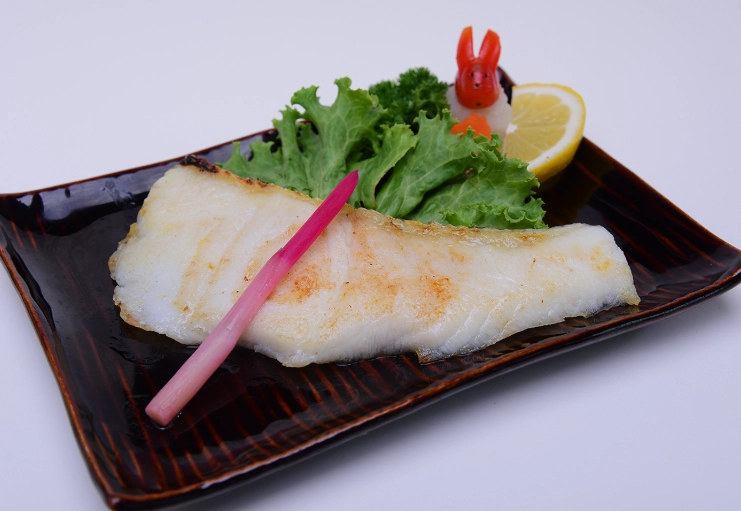
| Restaurant Name | Address | Signature Dish | Price Range | Hours | Why It's Worth It |
|---|---|---|---|---|---|
| Sushizanmai | Tsukiji Outer Market, Chuo City | Toro (Fatty Tuna) Sushi | ¥2,000-¥5,000 | 24/7 | Fresh fish from the market; no reservations needed. It's chaotic but fun. |
| Yakitori Imai | Shinjuku, 3-12-12 | Grilled Ayu (Sweetfish) | ¥1,500-¥3,000 | 5 PM - 11 PM | Cozy vibe; the ayu is seasonal and grilled over binchotan charcoal. |
| Nadaman | Ginza, 6-10-1 | Kaiseki with Simmered Fish | ¥10,000+ | 11 AM - 10 PM | High-end experience; the nitsuke here is flawless. Book ahead. |
A personal favorite isn't on this list: a tiny stand in Ameyoko Market that does grilled sanma for ¥500. It's messy, but the flavor beats many fancy places. Sometimes, the best finds are off the radar.
Common Mistakes When Preparing Japanese Fish
Even seasoned cooks slip up. Here are pitfalls I've seen—and made myself.
Over-marinating. Fish soaks up flavors quickly. Marinate for more than 30 minutes, and it can turn mushy. For yakizakana, a quick salt rub is enough.
Using low heat. Japanese grilling often uses high heat to sear the skin. If your pan isn't hot enough, the fish stews instead of crisping. Test with a drop of water; it should sizzle violently.
Ignoring sustainability. Bluefin tuna is popular, but stocks are dwindling. Opt for alternatives like mackerel or sardines. The Japan Sustainable Seafood Association provides guides, but honestly, asking your fishmonger works too.
Skipping the resting step. After cooking, let fish rest for a few minutes. It redistributes juices. I used to serve it straight from the pan, and it'd dry out fast.
FAQ: Your Questions Answered
Wrapping up, Japanese fish dishes are about respecting the ingredient. Whether you're dining out or cooking at home, focus on seasonality and simplicity. Skip the overpriced tourist traps, try that grilled sanma from a market stall, and don't be afraid to make mistakes in the kitchen. That's how you learn. For more insights, check out resources like the Michelin Guide Tokyo or local food blogs—they often highlight hidden gems. Now go eat some fish!
Reader Comments