Forget sugary cereals or rushed coffee. A traditional Japanese breakfast, known as washoku asagohan (和食朝ごはん) or often simply a "Japanese breakfast set," is a multi-dish meal designed to gently wake up the body and provide balanced, sustained energy. It's less about indulgence and more about nourishment and harmony. After living in Japan for years and eating more of these breakfasts than I can count, I've come to see them not just as a meal, but as a morning ritual. This guide will dissect every component, tell you exactly where to experience the best versions, and show you how to build your own—without needing to be a master chef.
In this article, you'll discover:
The Core Philosophy: It's About Balance, Not Just Food
Most Western guides will list the dishes and stop there. But the real magic is in the intent. A traditional Japanese breakfast follows the "ichi-ju san-sai" (一汁三菜) principle: one soup, three dishes, plus rice and pickles. This structure ensures a nutritional balance of carbohydrates, protein, and vegetables.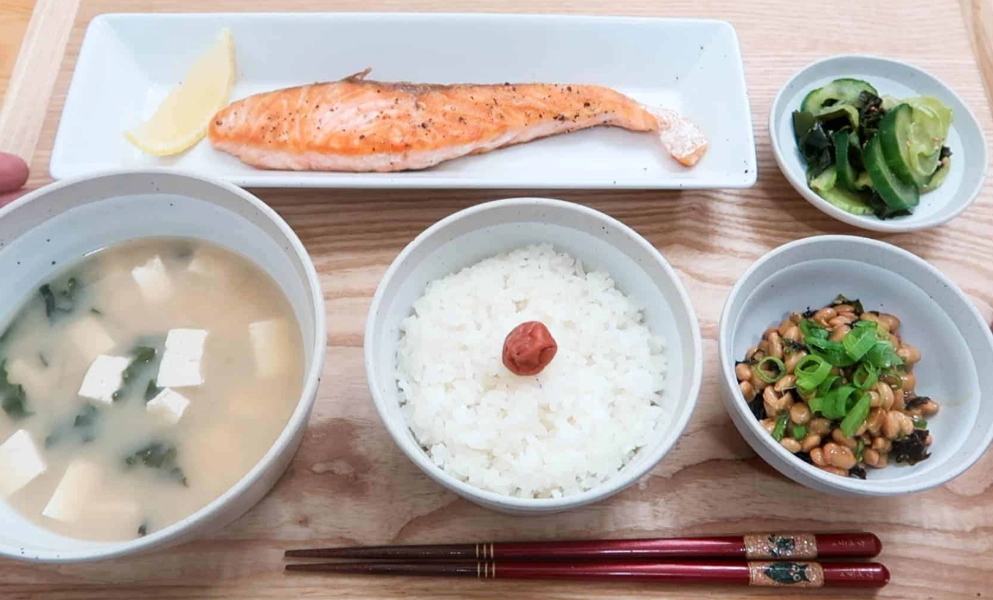
The focus is on seasonality and umami. Ingredients are chosen for what's fresh. In autumn, you might find grilled sanma (Pacific saury). In spring, bamboo shoots might appear. The goal is to stimulate the appetite gently, not overwhelm it. It's a meal that respects the body's morning state.
Here's a mistake I see beginners make: they think any fish with rice qualifies. Not really. The harmony between the salty, the savory, the sour (from pickles), and the plain, starchy base of rice is deliberate. Each bite is meant to be mixed and matched.
What's Actually on the Tray? A Component-by-Component Breakdown
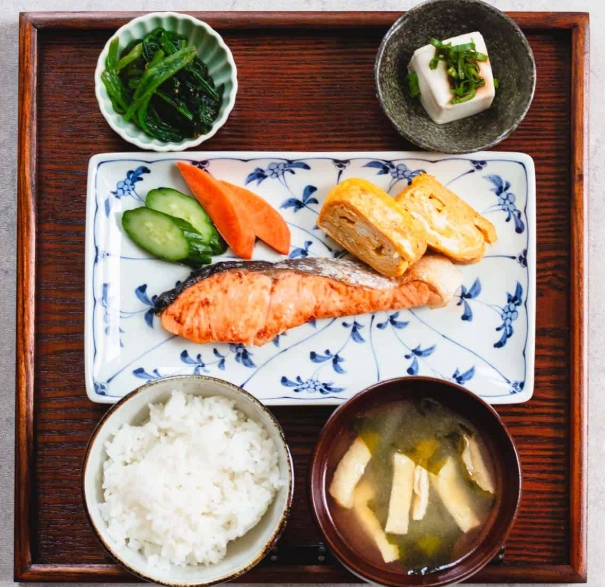
A typical spread arrives on a tray, each item in its own small vessel. Let's get specific.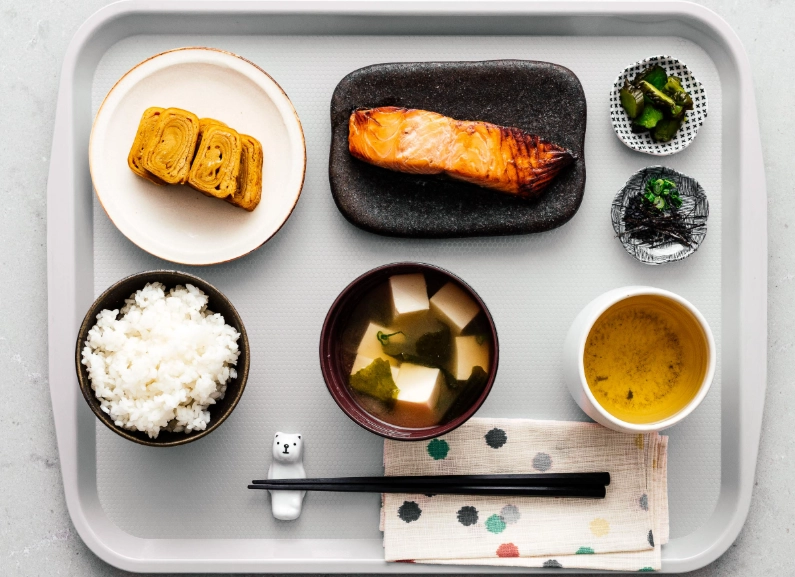
The Non-Negotiables: Rice, Soup, and Protein
Steamed Rice (Gohan): This is the heart, not a side. It's short-grain Japanese rice, cooked to a slightly sticky perfection. It's meant to be eaten throughout the meal, used to cleanse the palate between bites of stronger flavors. Using a rice cooker is non-negotiable for consistency.
Miso Soup (Misoshiru): The "one soup." It's a warm, savory broth made from fermented soybean paste (miso), dashi stock (from kelp and bonito), and simple additions like tofu, wakame seaweed, or green onion. It's sipped, not spooned in large gulps. The quality of the dashi makes or breaks it.
Main Protein (often fish): Grilled fish is the classic. Shake (salmon) is common and approachable, but saba (mackerel) or aji (horse mackerel) are more traditional. The fish is simply salted and grilled until the skin is crispy—no heavy sauces. A rolled omelette (tamagoyaki), slightly sweet and layered, is another frequent protein star.
The Supporting Cast: Side Dishes (Kobachi)
This is where variety shines. You'll typically find two or three small sides.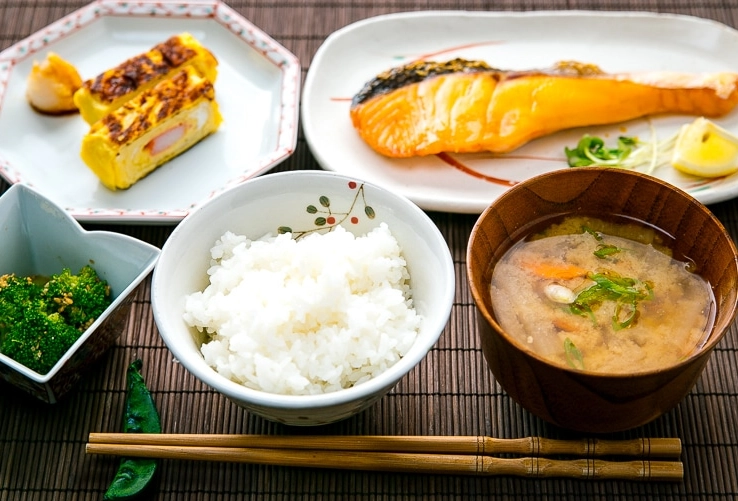
- Pickled Vegetables (Tsukemono): Cucumber, radish (takuan), or cabbage. They provide a crunchy, acidic contrast to cut through the richer flavors.
- Seasoned Vegetables (Nimono): Something like spinach stewed in soy and dashi (ohitashi), or simmered root vegetables.
- A small protein dish: Perhaps some natto (fermented soybeans—an acquired taste!) or cold tofu (hiyayakko) with soy sauce and ginger.
And let's not forget green tea or roasted barley tea (mugicha), served hot or cold.
The Great Debate: Making It at Home vs. Eating Out
Is it practical for a non-Japanese household? Yes, but with strategy. Here’s a realistic comparison.
| Aspect | Making at Home | Eating at a Restaurant/Ryokan |
|---|---|---|
| Effort & Time | Medium-High. Requires prep the night before (making dashi, prepping sides). Morning is about assembly and grilling. | Zero. The ultimate luxury. Served to you beautifully arranged. |
| Authenticity | You control quality. Can be very high if you source good miso, dashi, and fish. | Typically highest. Chefs use techniques and ingredients perfected over generations. |
| Cost | Moderate per meal, cheaper in the long run. Initial investment in condiments (miso, mirin, soy) needed. | Can range from ¥1,000 for a simple set at a chain to ¥5,000+ at a luxury ryokan. |
| Experience | Satisfying and educational. You appreciate the work involved. | Immersive and relaxing. Part of the travel or treat-yourself experience. |
How to Actually Make a Simplified Version at Home
Don't try to replicate a 10-dish ryokan spread on Tuesday. Start simple.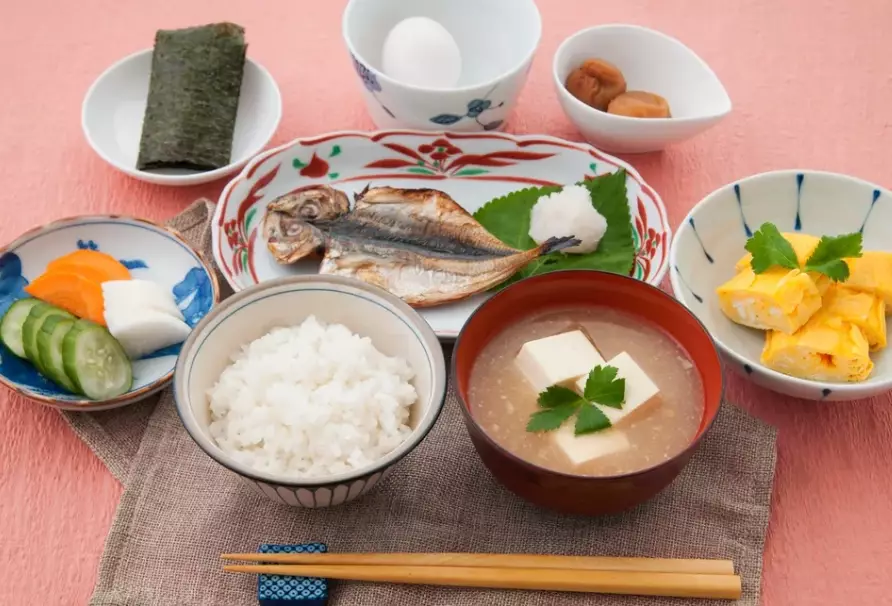
Night Before: Cook your rice and set the timer. Make a batch of dashi (or use a high-quality instant dashi like Hondashi—it's a fine shortcut). Wash and chop vegetables for a side.
Morning (20 mins):
- Grill your fish (salmon works) in a pan or toaster oven.
- Heat the dashi, dissolve miso paste in it (never boil miso, it kills flavor).
- Quickly blanch spinach, squeeze water out, and dress with soy and sesame.
- Arrange pickles (store-bought is fine), rice, soup, fish, and spinach on trays.
The key is parallel processing and mise en place. It feels chaotic at first, but becomes a calm routine.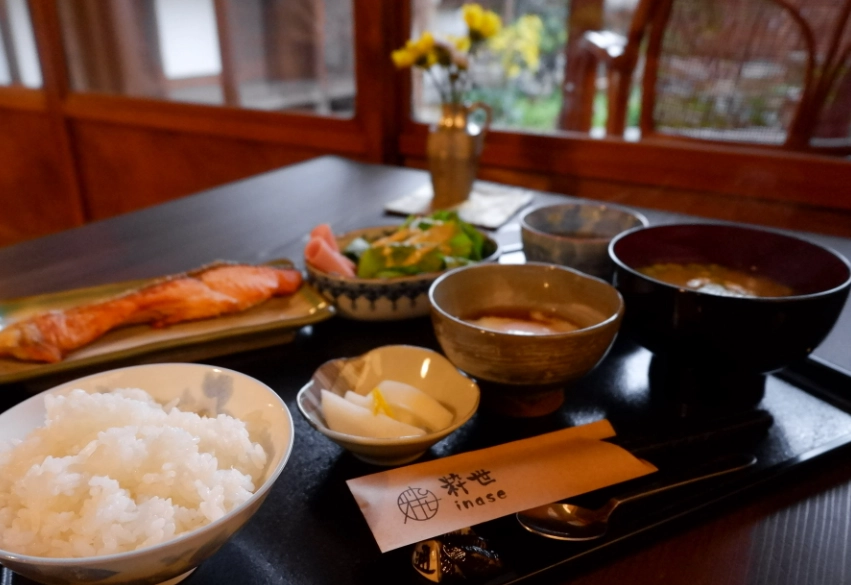
Pro Tip: The Rice is Everything
Most home cooks outside Japan mess up the rice. It's either too wet, too dry, or the wrong grain. Invest in a Japanese rice cooker (Zojirushi or Tiger) and proper short-grain rice (like Koshihikari). Wash the rice until the water runs almost clear—this removes excess starch for the right texture. The difference is night and day and is the foundation of the entire meal.
Where to Find an Authentic Japanese Breakfast: Tokyo & Kyoto Spots
If you're traveling to Japan, you must try this. Here are specific recommendations, not just generic areas.
Tokyo
Tsukiji Outer Market Area: While the wholesale market moved, the outer market remains. Many small restaurants serve breakfast sets to market workers and visitors. Look for places with a plastic food display showing fish and rice.
- Sushi Dai (Yes, for breakfast): Famous for sushi breakfast. Expect a long line by 5:30 AM. Opens 5:00 AM. Set menu starts around ¥4,000. It's an experience, but be prepared to wait.
- Komaya Cafe: A less hectic option. Cozy, serves a solid morning set with grilled fish, rice, soup for about ¥1,200. Opens 7:00 AM. Address: 4-9-9 Tsukiji, Chuo-ku.
Asakusa: Near Senso-ji temple, traditional restaurants cater to tourists.
- Komagata Dozeu: Historic restaurant specializing in dojo (loach) dishes since 1801. Their breakfast set is unique and deeply traditional. Around ¥2,500. Opens at 11:00 AM, so more of a brunch. Address: 1-7-12 Komagata, Taito-ku.
Kyoto
Kyoto is the heart of traditional cuisine. The best breakfasts are often at ryokan (traditional inns), but some restaurants offer them to non-guests.
- Ichiranji: A stunning kaiseki restaurant that opens for breakfast to the public. Their Asagayu (rice gruel) set is elegant and light. Highly recommended but requires reservation. About ¥3,500. Opens 8:00 AM. Address: Near Gion district.
- Kyo Tsukemono Hwangobukuro (Cucumber Shop): Sounds odd, but it's a pickle shop with a tiny cafe. Their set focuses on a vast array of Kyoto pickles with rice and soup. A pickle lover's dream. About ¥1,000. Opens 10:00 AM. In Nishiki Market area.
For the ultimate experience, stay at a ryokan like Tawaraya or a more affordable one like Gion Hatanaka. The breakfast served in your room is unforgettable. Expect to pay ¥20,000-¥40,000 per person per night including dinner and breakfast, booked through their official websites or platforms like Japanican.
Reader Comments