In This Guide
Let's be honest. You're staring at a sushi menu or a fish counter, and you see "hamachi" and "buri." Maybe you've heard they're both yellowtail. Maybe you think they're different fish. Your brain starts to itch. What's the deal? Is one fancier? Is one better for sashimi? Why do the Japanese have so many names for what looks like the same thing?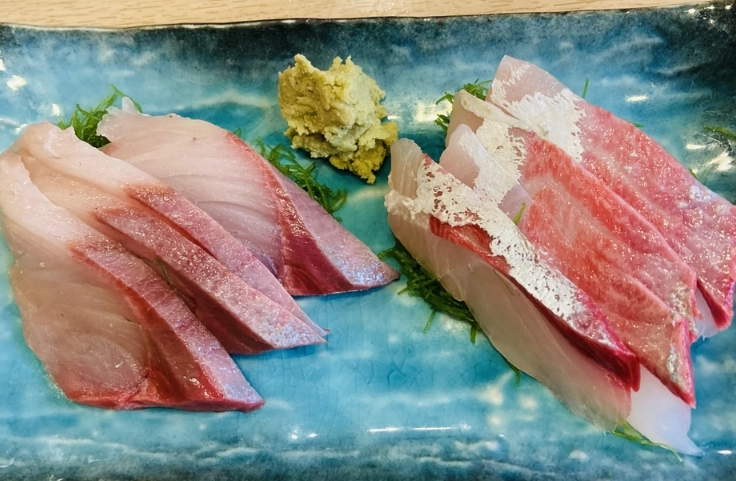
I was right there with you. I remember my first time at a high-end sushi bar in Tokyo, trying to look like I knew what I was doing. The chef said "buri" with a certain reverence, then mentioned "hamachi" almost casually. I nodded like I understood, but I was utterly lost. It felt like a secret club I wasn't part of.
Well, after years of asking questions, eating way too much sushi, and talking to fishmongers and chefs from Tsukiji to New York, I finally get it. And the real answer to "what's the difference between hamachi and buri?" is way more interesting—and useful—than you might think. It's not just two names. It's a story about growth, flavor, seasonality, and a whole cultural system for classifying fish.
But if we stop there, we're missing all the good stuff. The real magic is in the details—the why, the when, the how it tastes, and what you should do with it. That's what we're diving into.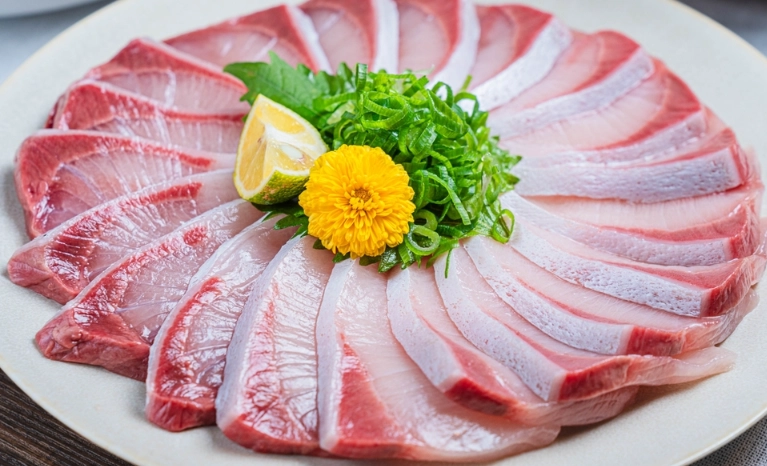
Why So Many Names? The Secret Japanese Naming System
First, you have to understand the Japanese mindset here. They don't just call a fish one name from birth to death. For certain prized fish, like yellowtail (and also porgy, seabream, and others), they use a system called "shusse-uo" (出世魚). It translates to "promotion fish" or "fish that climbs in the world." As the fish grows and moves up in size, it gets a new, more prestigious name. It's like the fish is getting a promotion!
This isn't random. It reflects real, tangible changes in the fish's biology, habitat, and—most importantly for us—its taste and texture. A tiny fry and a giant, mature predator are essentially different ingredients.
So, for our star, the Japanese amberjack, the life story goes something like this:
- Wakashi / Mojako: The tiny juvenile stage. You won't see this on a menu.
- Inada: The teenager, usually under 30cm. Delicate, sometimes used whole.
- Warasa: The young adult, around 30-60cm. Getting there.
- Hamachi (魬 / はまち): This is the name that exploded globally, thanks to sushi. Traditionally, it referred to a specific mid-sized fish, around 40-60cm. Critically, today "hamachi" almost universally means farmed yellowtail. The farming industry adopted this name for their product, which is harvested at this ideal, consistent size for tender fat content.
- Buri (鰤 / ぶり): The final, respected adult name. This is for wild fish over 60-80cm, typically caught in the cold winter months. This is the natural, mature stage of the fish.
See the twist? In modern usage, hamachi vs buri isn't just size—it's often farming vs. wild. That's the core of the difference you experience today.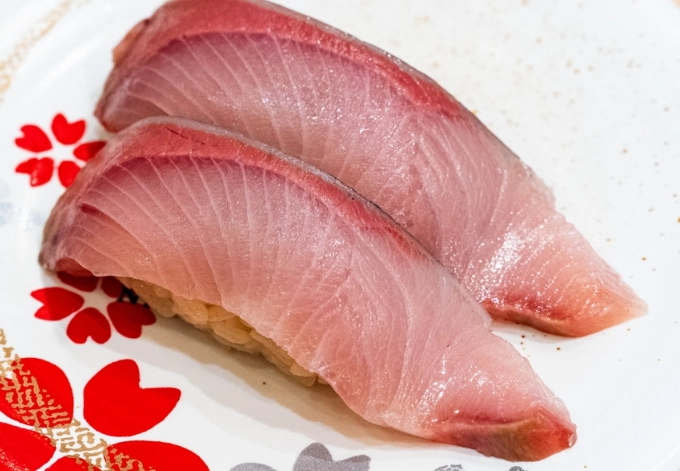
Hamachi vs Buri: The Head-to-Head Breakdown
Okay, let's get practical. You're choosing. What are you actually getting? Here’s a clear table to lay it all out. This is the cheat sheet you wish you had.
| Aspect | Hamachi (The Farmed Youth) | Buri (The Wild Adult) |
|---|---|---|
| Primary Identity | Farmed Japanese amberjack, harvested young. | Wild Japanese amberjack, caught mature. |
| Size | Consistent, medium (usually 3-5 kg / 40-60cm). Controlled growth. | Larger, variable (can be 5-10 kg or more, 80cm+). Natural growth. |
| Flavor Profile | Milder, cleaner, buttery. The fat is abundant, soft, and uniform. The flavor is gentle and slightly sweet. | Stronger, more complex, "fishier" (in a good way). The fat is firmer, richer, with deeper umami and oceanic notes. A more pronounced flavor. |
| Texture | Exceptionally tender, almost melt-in-your-mouth soft. The muscle fibers are fine and delicate. | Firmer, meatier, with more chew. You feel the substance of a wild, active fish. |
| Fat Content | High and consistent year-round. Farmers control diet for marbling. | Highest in winter ("kan-buri"), variable by season. Fat is built for migration and cold. |
| Color | Pale pink to off-white, often with a consistent, clean look. | Deeper pink, sometimes with a richer, almost reddish hue. |
| Price & Availability | Widely available, year-round, and generally more affordable. The workhorse of sushi bars. | Seasonal (peak winter), less common, and usually more expensive. A specialty item. |
| Best For | Sashimi, nigiri (for its buttery softness), ceviche, light preparations where the texture shines. | Sashimi (for bold flavor), grilling (teriyaki, shioyaki), simmered dishes (nabe), where its flavor holds up to heat. |
So, which one is "better"?
That's the wrong question. It's like asking if filet mignon is better than a ribeye. They're different experiences. Do you want luxurious, soft, buttery fat that dissolves on your tongue? Go for hamachi. Do you want a powerful, umami-rich, deeply satisfying flavor with a substantive texture? Go for buri, especially in winter.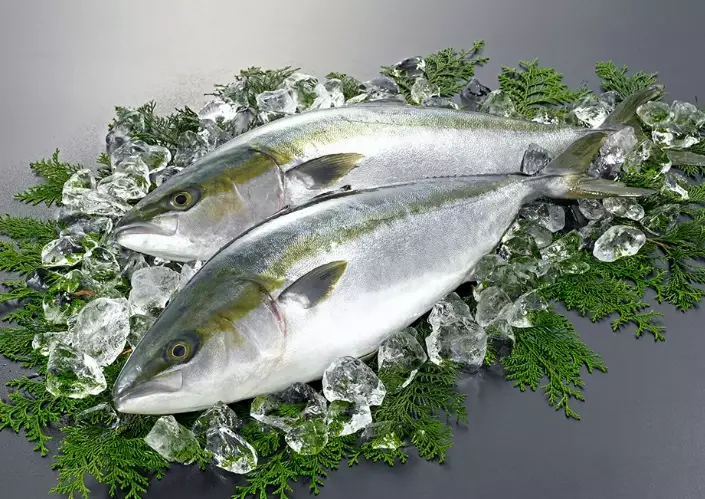
Personally, I crave hamachi when I want that classic, effortless sushi experience. But on a cold day, a piece of grilled winter buri (kan-buri) feels like eating something profoundly nourishing and ancient. It has a soul to it that farmed fish sometimes lacks.
The Science and Sustainability Angle
Let's get a bit nerdy, because it matters. The difference between hamachi and buri is written in their biology and how they live.
The Farmed Life (Hamachi)
Most hamachi comes from aquaculture, primarily in Japan (Japan's fisheries agency has info on this) and increasingly from other countries like Australia and the Mediterranean. They're raised in net pens, fed a controlled diet (often including fishmeal and oils, sometimes supplemented with vegetable oils). This controlled environment is why hamachi is so consistent. The farmers are basically creating the perfect, fattened fish for the sashimi market year-round. It's a reliable product. The sustainability of farmed yellowtail can vary—some operations are better than others. Looking for certifications or asking your supplier about their source is always a good move if you care about that.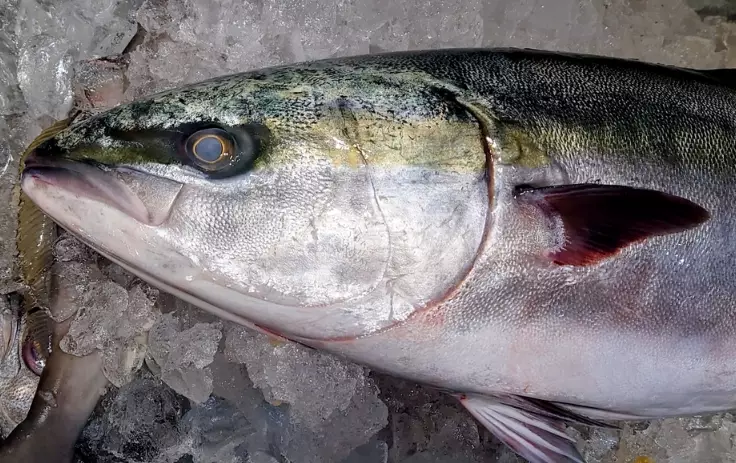
The Wild Journey (Buri)
Buri is a migratory predator. It travels long distances along the Japanese coast. In summer, the young fish (still called hamachi or warasa in the wild!) feed in cooler northern waters. As winter approaches, they swim south, fattening up for the journey and the cold. This mature, winter-caught fish is "kan-buri" (cold buri), considered the absolute peak of flavor and fat content. Its diet is wild and varied—smaller fish, squid, crustaceans—which contributes to its complex taste profile. The FishBase entry for Seriola quinqueradiata details its wild habitat and biology. Wild stocks are managed, but as with any wild fishery, there are pressures.
How to Buy and Use Them: A Practical Guide
This is where the rubber meets the road. You're at the store or ordering. What do you do?
Buying Tips
- Labeling is Key: In a Japanese market or good fish shop, they will be labeled correctly. "Hamachi" will almost always be farmed. "Buri" or "Wild Yellowtail" will be the adult fish. If it just says "yellowtail," ask! It's probably farmed hamachi.
- Season for Buri: From late fall through winter (December-February is prime). That's when you hunt for it. Hamachi is always in season.
- Look at the Flesh: Hamachi should look pale, smooth, and have visible, even white fat lines. Buri will be a deeper color and the fat might look more integrated or marbled.
- Smell: Both should smell clean and like the ocean, not fishy. Buri might have a stronger ocean aroma, but not ammonia.
Cooking & Serving: Play to Their Strengths
For Hamachi:
Its superpower is tenderness. Heat can ruin it quickly if you're not careful.
- Raw is King: Sashimi, nigiri sushi, crudo, ceviche. This is its home turf. A simple drizzle of good soy sauce and a dab of wasabi is all it needs.
- If you must cook it: Use very gentle, quick methods. Think a super-fast sear (like tataki), where the inside stays raw, or a brief poach at low temperature. Overcooked hamachi becomes mushy and loses its charm.
For Buri:
Its superpower is flavor. It can stand up to more.
- Spectacular Raw: As sashimi, it's a bolder experience. Try it with a bit of grated ginger or yuzu kosho to complement its richness.
- A Born Griller: This is classic. "Buri shioyaki" (salt-grilled yellowtail) is a winter staple in Japan. The firm flesh holds on a grill, the skin gets crispy, and the fat bastes the fish from within. Teriyaki glaze works wonderfully too.
- Simmered Dishes: It's excellent in hot pots (nabe) or slowly simmered in soy-based sauces (like buri daikon). The meaty texture doesn't fall apart.
Burning Questions Answered (FAQ)
Let's tackle the stuff people really want to know but are sometimes afraid to ask.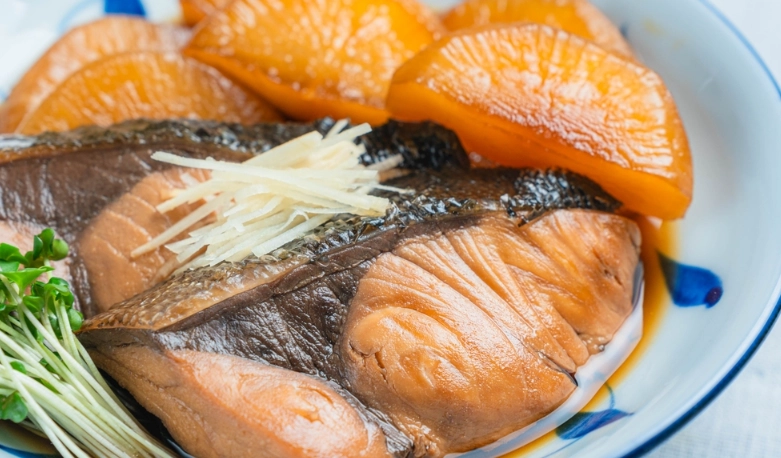
The Cultural Weight: More Than Just Food
You can't fully separate this fish from Japanese culture. Buri, especially, is laden with meaning. Its promotion through names (shusse-uo) makes it a symbol of growth, success, and advancement. It's a popular food for celebrations and wishing students good luck on exams. Winter buri is eaten for stamina in the cold months. There's a whole layer of respect for the natural cycle and the bounty of the season wrapped up in that name.
Hamachi, by contrast, is a modern success story of aquaculture. It represents accessibility, consistency, and the global spread of sushi culture. It's the gateway fish that introduced millions to the pleasure of raw amberjack.
So when you understand the difference between hamachi and buri, you're not just learning a fish fact. You're getting a key to understanding a bit of Japanese gastronomy and the values of seasonality, respect for ingredients, and the stories we tell about our food.
Final Word
Next time you see them, you won't just see two names for yellowtail. You'll see the sleek, predictable, buttery product of human cultivation (hamachi). And you'll see the powerful, seasoned, wild traveler from the deep winter sea (buri). Both are wonderful. The choice depends on the experience you want. Want comfort and luxury? Choose hamachi. Want adventure and depth? Choose buri.
Now go forth and order with confidence. And maybe impress your sushi chef with a knowing nod when they bring out the kan-buri.
Reader Comments