What's Inside
- Why Are We Even Asking This? The Enoki Appeal
- The Good Stuff: Breaking Down Enoki Nutrition
- Beyond Vitamins: The Functional Compounds
- The Elephant in the Room: Food Safety and the Listeria Risk
- Your Non-Negotiable Safety Protocol
- So, What Does "Every Day" Actually Look Like? Portion and Balance
- My Personal Experience with a (Brief) Daily Enoki Habit
- The Final Verdict
So you've fallen for the enoki mushroom. I get it. Those little white threads with tiny caps have a way of sneaking into your hot pot, your soups, your stir-fries, and before you know it, you're buying a pack every week. The texture is fantastic—a slight crunch that gives way to tenderness. The flavor is mild but uniquely savory, soaking up whatever sauce you cook it in.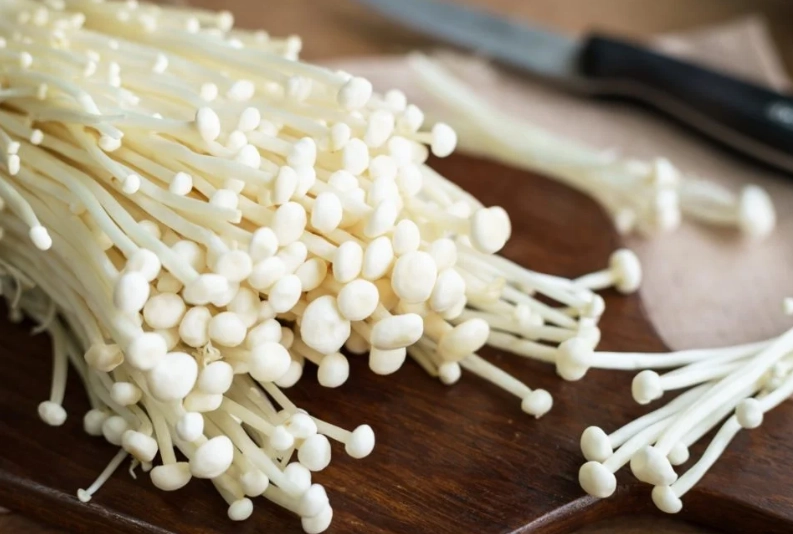
And then the thought hits you, maybe while you're tossing another handful into the broth: Can I eat enoki every day? Is this a healthy habit or a risky one? I've been down this rabbit hole myself. I went through a phase where I was putting them in my omelets, my salads (cooked, of course), everything. It felt healthy, but a little voice in the back of my head wondered about balance and safety, especially after seeing those news headlines about recalls.
Let's cut through the noise. The short, balanced answer is: Yes, you probably can, but with some very important caveats and a clear understanding of what "every day" really means. It's not a simple yes or no. It's a "yes, if." This guide isn't about scaring you away from a delicious food. It's about giving you the full picture—the impressive nutritional perks, the very real safety concerns you must address, and a practical framework for making enoki a safe, regular part of your diet without overdoing it.
Why Are We Even Asking This? The Enoki Appeal
First, it's worth asking why this is a question at all. We don't usually ask if we can eat carrots or chicken breast every day with the same level of concern. Enoki mushrooms (Flammulina velutipes) occupy a unique space. They're a popular East Asian staple that's gone global, praised in wellness circles as a "functional food," but they've also been in the news for the wrong reasons. This mix of popularity and precaution makes people pause.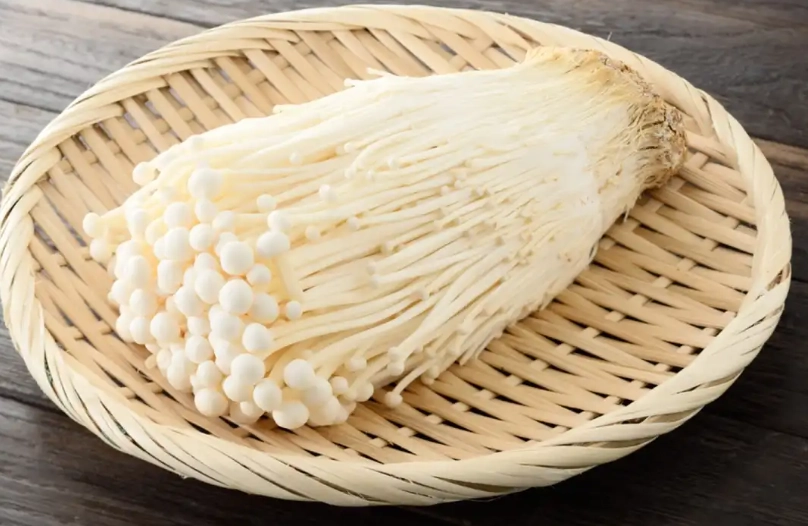
Maybe you're looking at them as a low-calorie way to bulk up meals for weight management. Maybe you've read about their potential immune-boosting properties. Or maybe, like me, you just really like how they taste and want an excuse to eat them more often. All valid reasons. But to answer if a daily habit is wise, we need to start with what's inside them.
The Good Stuff: Breaking Down Enoki Nutrition
If you're considering eating enoki mushrooms daily, you'll be happy to know their nutritional profile is pretty stellar, especially for something so low in calories. Let's look at the data. For a standard 3.5-ounce (100-gram) serving of raw enoki mushrooms, which is a decent-sized handful, here's what you're getting according to the USDA FoodData Central database, a reliable public resource for food composition.
| Nutrient | Amount (per 100g raw) | Why It Matters |
|---|---|---|
| Calories | ~37 kcal | Extremely low, great for volume eating. |
| Protein | ~2.7 g | A surprising amount for a vegetable, contributes to fullness. |
| Dietary Fiber | ~2.7 g | Excellent for gut health and digestion. |
| Vitamin B3 (Niacin) | ~7 mg (high) | Supports energy metabolism and skin health. |
| Vitamin B5 (Pantothenic Acid) | ~1.4 mg (high) | Crucial for making blood cells and converting food to energy. |
| Potassium | ~380 mg | Important for heart function and balancing sodium. |
| Copper | ~0.2 mg | Supports iron absorption and nerve function. |
That's a solid lineup. But the numbers only tell part of the story. The real intrigue with enoki, and many mushrooms, lies in the bioactive compounds that aren't on a standard nutrition label.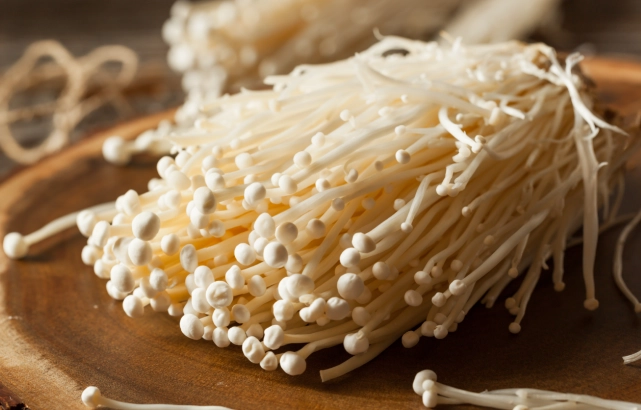
Beyond Vitamins: The Functional Compounds
This is where enoki gets its "superfood" buzz, and some of it is legitimately exciting. Researchers are particularly interested in a few key components:
- Beta-Glucans: These are a type of soluble fiber that's famous in mushrooms like shiitake and maitake. Enoki contains them too. Beta-glucans are like personal trainers for your immune system—they don't directly fight invaders, but they help modulate and train your immune response to be more effective. Studies, like those indexed on the National Institutes of Health's PubMed database, suggest they may support immune function, though more human trials are always needed.
- Flammulin: This is a specific protein found in enoki mushrooms that has shown anti-tumor properties in lab and animal studies. Important note: This is not a claim that eating enoki cures cancer. It means scientists are isolating interesting compounds from it for research. Don't eat it as medicine; eat it as a nutritious food that might have beneficial compounds.
- Antioxidants (Ergothioneine): Mushrooms are one of the richest dietary sources of this unique antioxidant. It's thought to help protect cells from damage.
So, from a pure nutrition and potential health benefit standpoint, having some enoki regularly seems like a great idea. The fiber alone is a fantastic reason to include them, promoting good gut bacteria and regularity. If you're asking "can I eat enoki every day for my health?" the nutritional science gives a tentative thumbs up.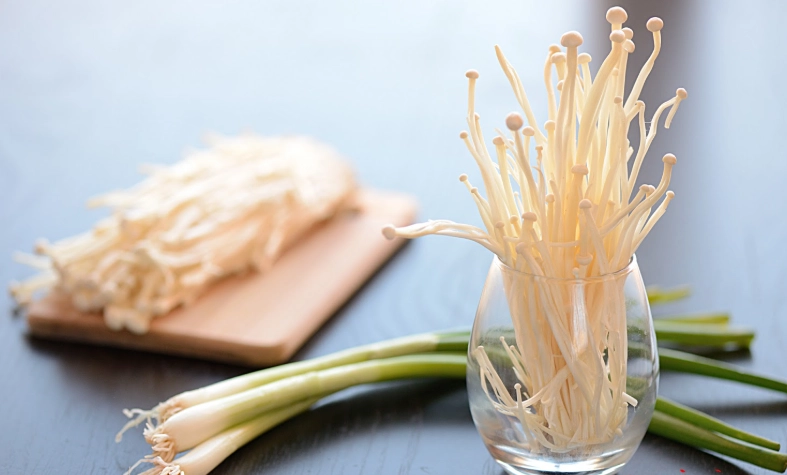
The Elephant in the Room: Food Safety and the Listeria Risk
This is the part that makes people nervous, and honestly, it should make you at least cautious. Over the past several years, enoki mushrooms have been repeatedly linked to outbreaks of Listeria monocytogenes infections. This isn't speculation; it's documented by public health agencies.
The U.S. Food and Drug Administration (FDA) and the Centers for Disease Control and Prevention (CDC) have issued multiple outbreak investigations and import alerts for enoki mushrooms. For example, a major recall and investigation in 2023 was linked to enoki mushrooms from a specific region. Listeria is a nasty bacterium that can cause severe illness (listeriosis), especially in pregnant women, newborns, older adults, and people with weakened immune systems.
Why enoki? Their growing conditions—often on sterilized substrates in cool, humid environments—can be ideal for Listeria contamination if proper hygiene isn't flawless. The long, dense clusters can also be hard to clean thoroughly.
So, does this mean you should never eat enoki? No. But it means you must treat them with more caution than, say, a carrot. Your approach to safety is what will determine whether eating enoki daily is a smart choice or a risky one.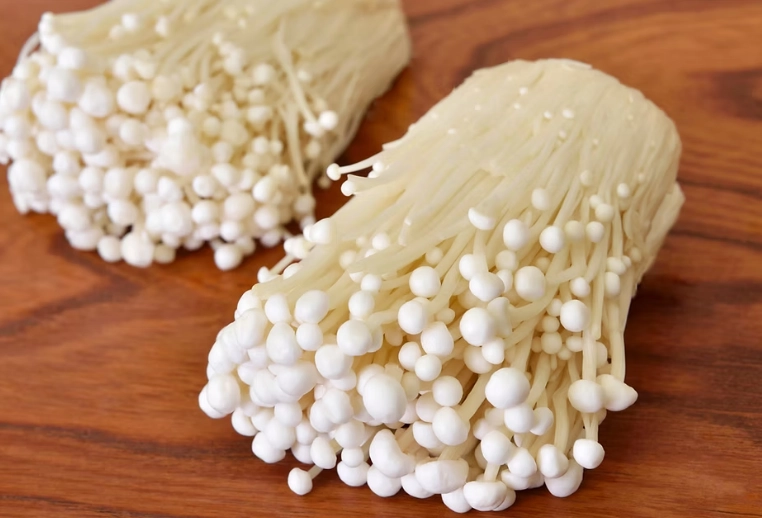
Your Non-Negotiable Safety Protocol
If you want to eat enoki regularly, make these steps a religion:
- Cook Them Thoroughly. Always. This is rule number one, two, and three. Listeria is killed by heat. Never eat raw enoki mushrooms. I've seen them garnishing salads in some restaurants, and it makes me cringe. You must cook them until they are piping hot and fully wilted. This applies even to "pre-washed" products.
- Check for Recalls: Before you buy, it's a good habit to quickly glance at the FDA's recall list. If the brand you usually buy is listed, skip it that week.
- Practice Kitchen Hygiene: Wash your hands before and after handling. Don't let raw enoki or their packaging touch other ready-to-eat foods. Wash any surfaces, utensils, or cutting boards that contacted the raw mushrooms.
- High-Risk Groups, Be Extra Careful: If you are pregnant, elderly, immunocompromised, or preparing food for someone who is, you need to weigh the risk more carefully. Thorough cooking is even more critical, and some may choose to avoid them during high-risk periods (like pregnancy) out of an abundance of caution.
See? The safety issue is manageable, but it requires diligence. It's the main reason a flippant "yes" to eating enoki every day is irresponsible.
So, What Does "Every Day" Actually Look Like? Portion and Balance
Let's say you've mastered the safety protocol. You're cooking your enoki thoroughly. Now, can you eat enoki every day from a nutritional balance perspective?
My personal take? Variety is the cornerstone of a healthy diet. Eating any single food every day, excluding maybe staples like whole grains or leafy greens, can crowd out other nutrients. Enoki are great, but they aren't a complete protein source. They don't have the vitamin C of bell peppers or the healthy fats of avocado.
A sensible approach is to think of enoki as a regular player in your vegetable rotation, not the only player. Here’s a practical guide:
- A Reasonable "Daily" Portion: If you truly want some most days, a serving of about 1/2 to 1 cup (roughly 50-100g) of cooked enoki is plenty. This gives you a good dose of fiber and nutrients without going overboard.
- The Rotation Strategy (Better Approach): Instead of forcing yourself to eat them daily, aim for 3-4 times a week. This frequency allows you to reap the benefits while leaving room in your diet for other fantastic vegetables like broccoli, spinach, carrots, and bell peppers, each with their own unique nutrient profile.
- Listen to Your Gut (Literally): The high fiber content, while beneficial, can cause gas or bloating in some people, especially if you suddenly increase your intake. If you're new to enoki, start with a smaller amount a few times a week and see how you feel.
My Personal Experience with a (Brief) Daily Enoki Habit
I told you I went through a phase. It lasted about three weeks. I was testing recipes for a blog and had a surplus. I'd have them sautéed with eggs for breakfast, in my lunchtime miso soup, and tossed into a noodle stir-fry for dinner.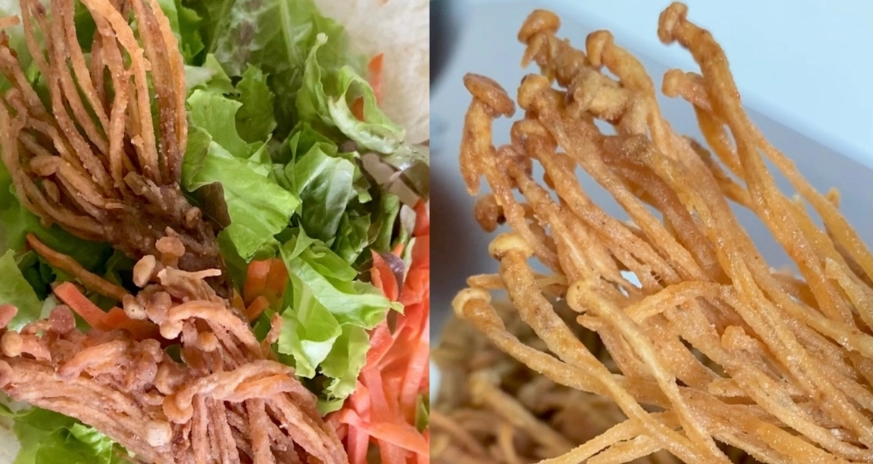
The good? I felt full more easily, and my digestion was, ahem, very regular. I enjoyed the variety.
The not-so-good? By week three, I was getting a little bored. More importantly, I realized I was skipping other veggies I love, like roasted Brussels sprouts or a simple tomato salad. My diet felt narrower. And I started to get a low-level anxiety about the safety, even though I was cooking them thoroughly. Was I being paranoid? Maybe. But the news stories stuck in my mind.
I scaled back. Now, I buy a pack most weeks, use it in 2-3 meals, and enjoy it immensely without the pressure or the slight worry. For me, that's the sweet spot. Asking "can I eat enoki every day?" led me to a better question: "What's the best way to enjoy enoki regularly?" And that's a question with a much easier, more sustainable answer.
The Final Verdict
So, circling back to the big question: Can I eat enoki every day?
The evidence-based, practical answer is this: You can incorporate enoki mushrooms into your diet very frequently, but a strict, daily habit may not be ideal or necessary. The potential health benefits are compelling, but they are best realized as part of a diverse diet. The documented food safety risks are real but can be effectively managed through mandatory, thorough cooking and good kitchen hygiene.
Instead of aiming for every single day, aim for "regularly." Shoot for a few times a week. Enjoy a generous handful in your hot pot, stir-fry, or soup. Appreciate their unique texture and nutritional contribution. Then, on other days, make room for the rainbow of other fruits and vegetables your body needs.
That's the balanced, sustainable, and safe way to enjoy these delicate, delicious mushrooms for the long haul. Now, if you'll excuse me, I have a pack in the fridge that's destined for tonight's ramen.
Reader Comments