Explore the Taiyaki Taste Journey
If you've ever walked past a Japanese festival stall or a trendy Asian bakery and seen those adorable fish-shaped cakes, you've probably wondered: what does taiyaki taste like? Is it fishy? Sweet? Savory? The answer is a delightful surprise that has very little to do with fish. Let's get straight to the point. The core experience of taiyaki is a wonderful contrast. Imagine a warm, slightly sweet, and crispy outer shell—similar to a waffle or a pancake but with a distinct, eggy richness—cradling a sweet, creamy, or pasty filling. The fish shape is just for fun (and good luck), but the taste is pure comfort food.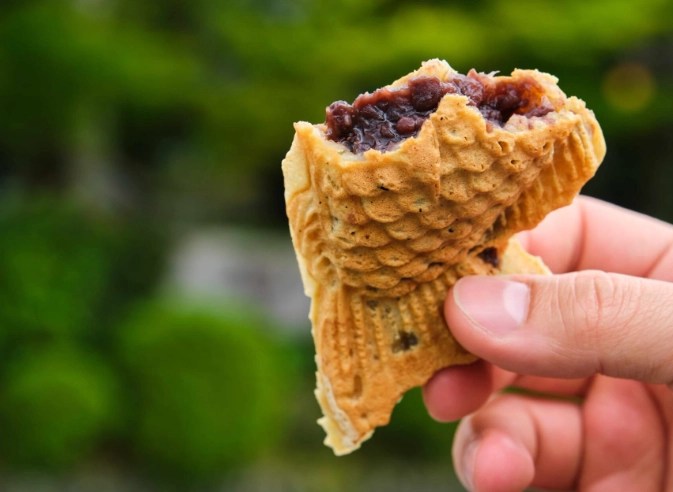
I remember my first taiyaki in Tokyo's Asakusa district. It was a cold evening, and the scent of batter cooking on a hot griddle was irresistible. I expected something simple, but the first bite was a revelation. The shell shattered delicately, giving way to a river of sweet, smooth red bean paste that was still steaming hot. It was simple, perfect, and utterly satisfying. That's the magic it holds.
The Two-Part Flavor Symphony: Shell and Filling
To truly understand what taiyaki tastes like, you need to separate the experience into its two main components. They work together, but each brings its own character to the party.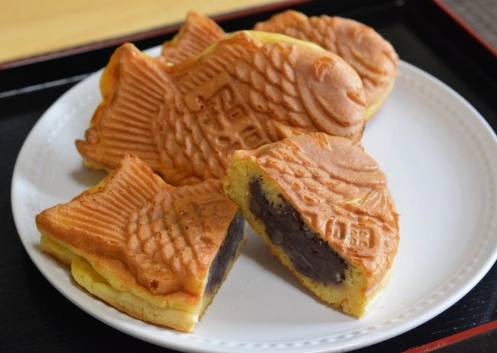
1. The Shell: Your First Crunch
The shell is what you bite into first. It's made from a simple batter—usually flour, sugar, eggs, baking powder or yeast, and water or milk. This gets poured into a fish-shaped cast-iron mold and cooked until golden brown.
So, what does the taiyaki shell taste like? Think of the best parts of different baked goods:
- The Sweetness: It's not overly sweet like a donut. It has a subtle, caramelized sugar note that forms on the crispiest parts of the shell, especially around the edges and fins.
- The Eggy Richness: This is key. The batter often has a good amount of egg, giving it a flavor profile closer to a French crepe or a Dutch stroopwafel than a plain pancake. It's rich and satisfying.
- The Texture Contrast: This is where it shines. A perfectly made taiyaki has a crisp, almost shattery exterior that yields to a tender, cake-like interior. The parts in direct contact with the hot iron are thin and crisp, while the body of the fish is softer and fluffy. If it's undercooked, it can be doughy and disappointing—a sad taiyaki, indeed.
Some shops use a waffle-like batter, others a more pancake-like one. Some even add a hint of vanilla or honey. But the core idea remains: a warm, comforting, slightly sweet vehicle for the glorious filling.
2. The Heart of the Matter: The Filling
This is where the real personality of taiyaki comes out. When people ask "what does taiyaki taste like?" they're often really asking about the filling. The classic and most traditional filling is azuki red bean paste (anko).
But the world of taiyaki fillings has exploded. Here’s a breakdown of what you might find, from the must-try classics to modern twists.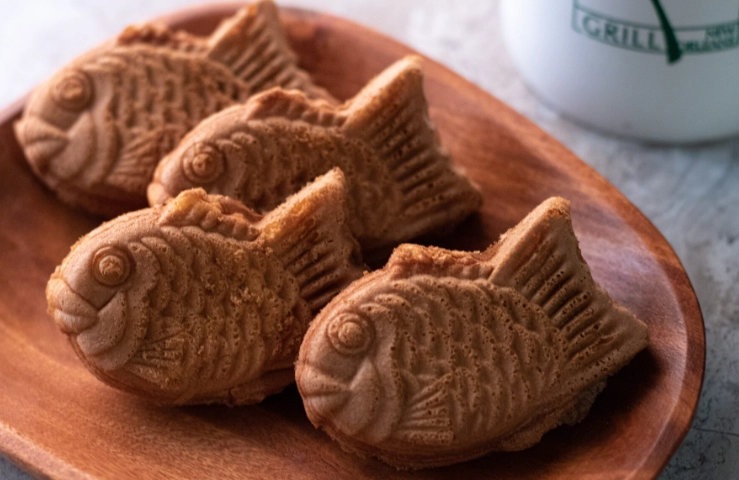
| Filling Type | Primary Taste Profile | Texture Description | Popularity & Notes |
|---|---|---|---|
| Sweet Red Bean (Anko) | Earthy, subtly sweet, bean-like with a deep, rounded flavor. Not overly sugary. | Can be smooth (koshian) or chunky with bits of bean skin (tsubuan). Thick and pasty. | The classic. The benchmark. If you're trying taiyaki for the first time, start here to understand its soul. |
| Custard (カスタード) | Sweet, creamy, eggy, and vanilla-forward. Comforting and familiar. | Smooth, creamy, and often runny when warm. Lighter than pastry cream. | Probably the second most popular. A safe and delicious choice for those unsure about red bean. |
| Chocolate | Sweet, rich cocoa flavor. Can range from milk chocolate to dark chocolate. | Usually a smooth, thick ganache or syrup. Can be very gooey when hot. | A huge hit with kids and a global favorite. Modern shops often use high-quality couverture chocolate. |
| Cheese | Salty, creamy, tangy. Often a sweet cream cheese or a mild processed cheese blend. | Melted, stretchy, and gooey. Provides a fantastic savory-sweet contrast. | A savory-sweet superstar. The combination of the mildly sweet shell and salty cheese is addictive. |
| Sweet Potato (紫芋) | Naturally sweet, earthy, with a distinct purple sweet potato flavor. Less sweet than anko. | Very thick, dense, and pasty. Often a vibrant purple color. | A seasonal favorite and a classic Japanese flavor. The natural sweetness is lovely. |
| Matcha (Green Tea) | Bitter, earthy, vegetal, with a sweet finish. The complexity of high-grade matcha shines. | Often a thick paste, similar to anko but with a finer texture. Can be combined with white bean paste. | For tea lovers. Offers a more sophisticated, less sugary experience. |
You might also find fillings like whipped cream, fruit jams, apple cinnamon, sakura (cherry blossom), or even curry and pizza in some avant-garde shops! So when wondering what taiyaki tastes like, the answer can vary wildly depending on your filling choice.
Beyond Taste: The Crucial Role of Texture and Temperature
Anyone who's eaten a lot of food knows flavor is only half the story. Texture is king with taiyaki. And temperature dictates everything.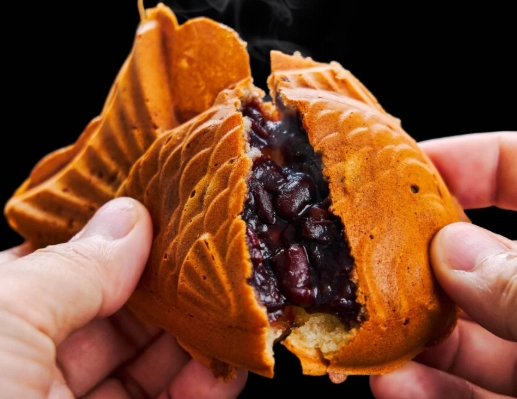
Fresh off the griddle is the only way. A taiyaki that's been sitting under a heat lamp for an hour is a shadow of its potential. The shell loses its crucial crispness and becomes tough or soggy. The filling cools and congeals. It's a tragedy.
A perfect taiyaki should be almost too hot to handle. You take a careful bite, and the steam from the filling wafts out. The shell cracks with a satisfying sound. The hot, soft filling oozes slightly. The contrast between the hot interior and the crispy, warm exterior is the entire point. It's a snack that demands to be eaten immediately, standing on the street, maybe burning your tongue a little. That's part of the ritual.
Classic vs. Modern: How Taiyaki Has Evolved
The taiyaki of today isn't always the taiyaki of 50 years ago. While the classic red bean version remains iconic and widely loved, modern interpretations have pushed the boundaries of what taiyaki can be.
The Classic Experience: This is what you'll find at street festivals (matsuri), traditional sweet shops (wagashiya), and old-school vendors. The focus is on simplicity and perfection of the basics. The shell might be a bit thicker, the anko might be house-made and less sweet. The taste is nostalgic, earthy, and deeply satisfying in a simple way. It's the taste of tradition. The Japan National Tourism Organization often highlights such traditional sweets as part of the cultural experience for visitors.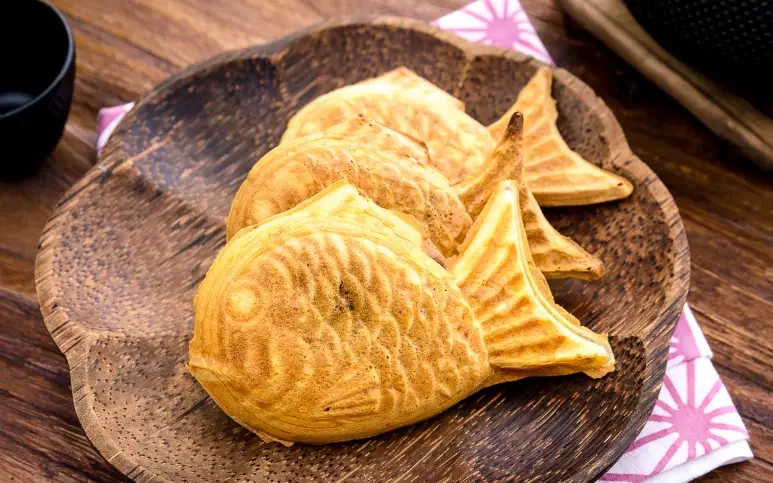
The Modern Reinvention: Walk into a trendy district like Harajuku in Tokyo or a modern Asian bakery in New York or London, and you'll see a different beast. Here, taiyaki is a canvas for creativity.
- Gourmet Fillings: Think salted caramel, tiramisu cream, black sesame paste, or even savory options like pulled pork (yes, really).
- Presentation: Served in a cone, topped with soft-serve ice cream, drizzled with sauces, and sprinkled with toppings. This "taiyaki sundae" has become a global phenomenon.
- Shell Variations: Chocolate-flavored shells, matcha-infused shells, even gluten-free or vegan batter options.
So, what does modern taiyaki taste like? It can taste like a decadent dessert, an ice cream cone, or a fusion snack. It's often sweeter, richer, and more visually stunning than its traditional ancestor. Neither is better; they're just different experiences. The traditional one gives you history in your hand. The modern one gives you an Instagrammable, indulgent treat.
Common Questions About Taiyaki Taste (FAQ)
Is taiyaki supposed to taste fishy?
Absolutely not! This is the most common misconception. The fish shape is symbolic (it represents sea bream, a lucky fish in Japan) and practical (the shape allows for even cooking and a good filling-to-shell ratio). The batter and fillings contain no fish. So, no fishy taste at all.
Is taiyaki very sweet?
It's moderately sweet. The shell is lightly sweetened, and the sweetness level depends heavily on the filling. Classic red bean (anko) is less sweet than most Western desserts. Custard and chocolate are sweeter. Overall, it's less sweet than a typical cupcake or donut but satisfyingly sweet as a snack.
What's the best filling for a first-timer?
If you're adventurous, go straight for the classic sweet red bean (anko). It's the authentic experience. If you're hesitant about beans in dessert, custard is a flawless and universally loved alternative. Chocolate is also a guaranteed crowd-pleaser.
Can I make taiyaki at home, and will it taste the same?
You can, with a special taiyaki pan (available online). The taste can be very close! The key is getting the batter right—not too thick, not too thin—and cooking it on medium heat until truly crisp. For fillings, you can use canned red bean paste or make a simple custard. It's a fun project. The taste of a homemade one, fresh from your own kitchen, has its own special charm, even if it's not exactly like a street vendor's.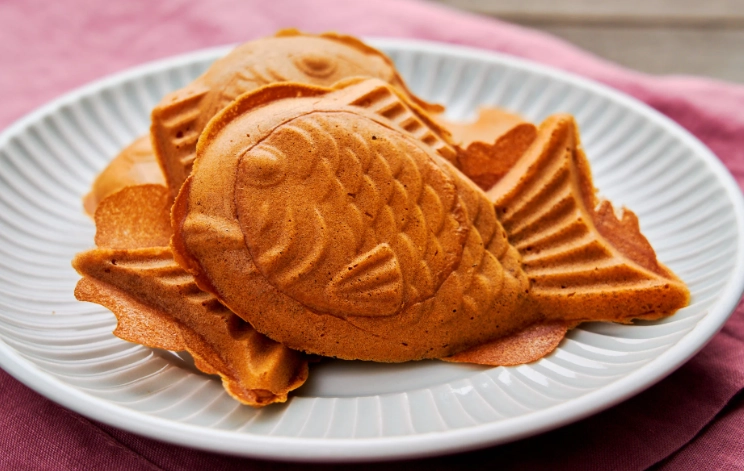
Is it a dessert or a snack?
It straddles the line. In Japan, it's often eaten as an afternoon snack (oyatsu) with tea. It's not typically a formal dessert after a meal. With modern, loaded versions topped with ice cream, it certainly qualifies as a dessert. Think of the classic version as a substantial snack and the modern one as a treat.
Where to Find the Best Taiyaki and What to Expect
Your location will drastically shape your answer to "what does taiyaki taste like?"
In Japan: You have the full spectrum. Seek out famous old shops like Naniwaya Sohonten in Azabu-Juban, Tokyo, which claims to be the inventor of taiyaki. Here, the taste is history. For modern takes, explore Takeshita Street in Harajuku or department store food halls. For authoritative information on Japanese food culture, including traditional sweets, resources like the Japan National Tourism Organization (JNTO) website are invaluable.
Outside Japan: In major cities worldwide, you'll often find:
- Asian Bakeries: Often have a glass case with pre-made taiyaki. These can be hit or miss. They might be room temperature or reheated, which sacrifices texture. The taste is okay, but not the full experience.
- Specialist Taiyaki Cafes: A growing trend! These shops specialize in taiyaki, make them fresh to order, and often have creative flavors and the cone-with-ice-cream style. This is your best bet for a great taste outside Japan.
- Food Trucks & Festivals: Sometimes you'll get lucky at an Asian cultural festival or a food truck park. These can be fantastic because they're made fresh on the spot.
My advice? If a place isn't making them fresh when you order, manage your expectations. The taste will be lacking that essential textural contrast. It might still be tasty, but it won't be transcendent.
The Final Verdict: What Does Taiyaki Taste Like?
Let's wrap this up. What does taiyaki taste like?
It tastes like warm, crispy comfort. It's the nostalgic, earthy sweetness of red beans embraced by a golden, eggy shell. It's the surprise of molten chocolate or creamy custard in a playful fish-shaped package. It's the irresistible contrast of textures—the crackle, the give, the soft flow of filling.
More than anything, taiyaki tastes like a moment. It's not a refined, plated dessert. It's street food. It's a treat bought on a whim, shared with a friend, eaten while walking and people-watching. The taste is intrinsically linked to that experience of simple, immediate pleasure.
Is it the most complex flavor in the world? No. But sometimes, perfection is simple. A perfectly made, fresh-off-the-iron taiyaki is one of those perfect simple things. The next time you see one, don't just wonder what it tastes like. Go get one. Bite into it while it's hot. Let the filling warm you up. Then you'll know.
You'll know exactly what taiyaki tastes like.
Reader Comments