Quick Navigation
- From Sweet Bean to Savory Dream: The History of Taiyaki Cheese
- What Does Taiyaki Cheese Actually Taste Like?
- The Cheese is the Key: Picking the Right Melty Goodness
- How to Make Taiyaki Cheese at Home: A Realistic Guide
- Beyond Basic: Killer Taiyaki Cheese Flavor Combinations
- Where to Find the Best Taiyaki Cheese (If You're Not Cooking)
- Answering Your Burning Taiyaki Cheese Questions (FAQ)
Okay, let's be real for a second. The first time you see a Taiyaki cheese snack, it's a bit confusing. It's a fish. It's a pastry. And it's filled with... cheese? Not the sweet red bean paste you might expect. But trust me, once you get past the initial "huh?" moment, you're in for a treat that's seriously moreish. I remember my first bite in a backstreet stall in Osaka – the warm, crispy exterior giving way to a stretchy, salty-savory cheese burst. It was a game-changer.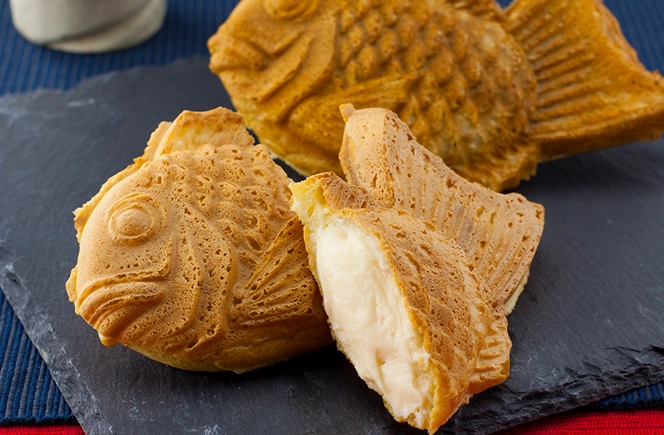
So what's the deal with this cheesy twist on a classic? We're diving deep (pun absolutely intended) into everything about cheese-filled taiyaki. Where it came from, how to spot a good one, and crucially, how you can make your own at home without needing a fancy fish-shaped mold (though they help).
If you've only ever had the sweet version, prepare to have your mind blown. This is the ultimate guide for the curious foodie.
From Sweet Bean to Savory Dream: The History of Taiyaki Cheese
Taiyaki itself has been around since the Meiji era (early 1900s), supposedly inspired by the similar fish-shaped pastry called "taiyaki." It was always a cheap, warm, sweet snack. The cheesy version is a much newer invention, a product of Japan's relentless innovation in the convenience food and snack sector. You can trace its popularization to the last 15-20 years, as vendors looked for ways to appeal to more palates and create Instagram-worthy (or should we say, pre-Instagram) street food.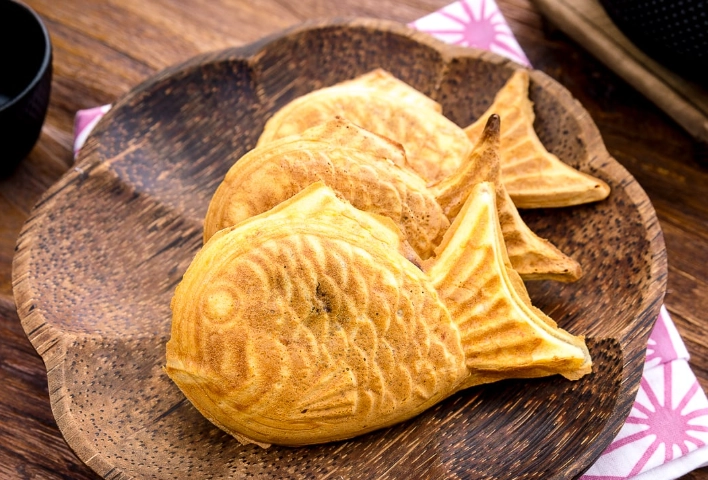
It filled a gap. Not everyone has a sweet tooth at 3 pm. Sometimes you want something warm, bready, and satisfyingly savory. Enter Taiyaki with cheese. It combined the comforting, familiar form of taiyaki with the globally loved, melty goodness of cheese. A no-brainer, really.
The trend really picked up in specialty shops in areas like Tokyo's Harajuku and Shinjuku, often pairing it with other modern fillings like chocolate, custard, or even matcha. But the cheese one held its own as a savory champion.
What Does Taiyaki Cheese Actually Taste Like?
Close your eyes and imagine (well, read first, then imagine). The exterior is the star – it should be crisp, almost waffle-like, with a slight sweetness from the batter. It's golden brown and has that iconic fish shape with detailed scales. Then you bite.
The contrast is everything. The slight sweetness of the shell meets the immediate, gooey, salty punch of melted cheese. It's warm, it's comforting, it's incredibly moreish. The best ones use a cheese that has great melt and stretch – think of that perfect cheese pull you see in pizza ads.
It's not overly complex, and that's its beauty. It's straightforward satisfaction. Sometimes they mix the cheese with a bit of corn, a slice of sausage, or even a drizzle of honey for a sweet-savory kick. The base experience, though, is that perfect carb-and-cheese combo we all crave.
The Cheese is the Key: Picking the Right Melty Goodness
This is where most home attempts go wrong. You can't just slap any old cheese slice in there. The cheese needs high meltability and good flavor. Vendors often use a blend. Here’s a breakdown of the usual suspects:
| Cheese Type | Why It Works (or Doesn't) | Flavor & Melt Profile | Best Used As... |
|---|---|---|---|
| Mozzarella | King of stretch and mild flavor. Melts beautifully into long, gooey strings. | Mild, milky, creamy when melted. | The base cheese for ultimate pull. Often used in blends. |
| Cheddar | Adds a sharp, tangy depth. Can be oily if used alone. | Sharp, robust, can separate if overheated. | A flavor booster in a blend (e.g., 70% mozz, 30% cheddar). |
| Processed Cheese / American | Extremely consistent melt, smooth, but can taste artificial. | Very smooth, creamy, mild to salty. | A safe bet for guaranteed melt. Some purists frown on it. |
| Gouda (Young) | Melts well and has a buttery, slightly sweet note. | Buttery, creamy, mild sweetness. | A great single cheese or blend component for complexity. |
| Cream Cheese | Doesn't "melt" traditionally but gets soft and lush. Very rich. | Tangy, rich, dense. | Mixed with a melting cheese for a creamy, rich center. |
My personal favorite blend? A 50/50 mix of whole-milk, low-moisture mozzarella and a mild gouda. You get the epic pull from the mozzarella and that buttery undertone from the gouda. Perfection.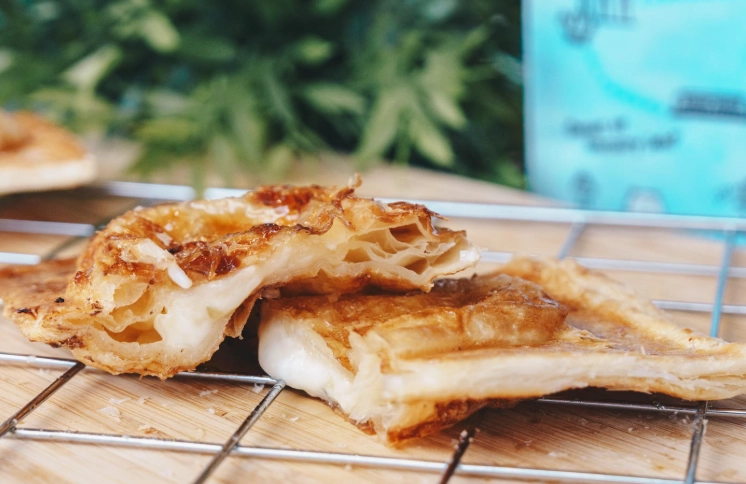
How to Make Taiyaki Cheese at Home: A Realistic Guide
You want to make this? Awesome. Let's talk about the elephant in the room: the mold. Authentic taiyaki requires a specific two-sided fish mold. You can buy them online (search for "taiyaki pan" or "fish-shaped waffle maker"). Some are stovetop cast iron, some are electric. If you don't have one, don't panic. A regular waffle iron or even a pancake griddle can work – you just won't get the fish shape, but you'll get the spirit of the thing. Call it "Deconstructed Taiyaki Cheese." It'll still taste amazing.
The Basic Batter Recipe (Makes 4-6 fish)
- Dry Stuff: 1 cup all-purpose flour, 1 tsp baking powder, a big pinch of salt, 1 tbsp sugar.
- Wet Stuff: 1 large egg, 3/4 cup milk, 1 tbsp melted butter or neutral oil.
- The Star: About 1 cup of your chosen grated cheese (see table above!).
Whisk the dry stuff together. In another bowl, beat the egg, milk, and melted butter. Combine wet and dry, but don't overmix – a few lumps are fine. Let it rest for 15-20 minutes. This helps the gluten relax and gives a tender texture.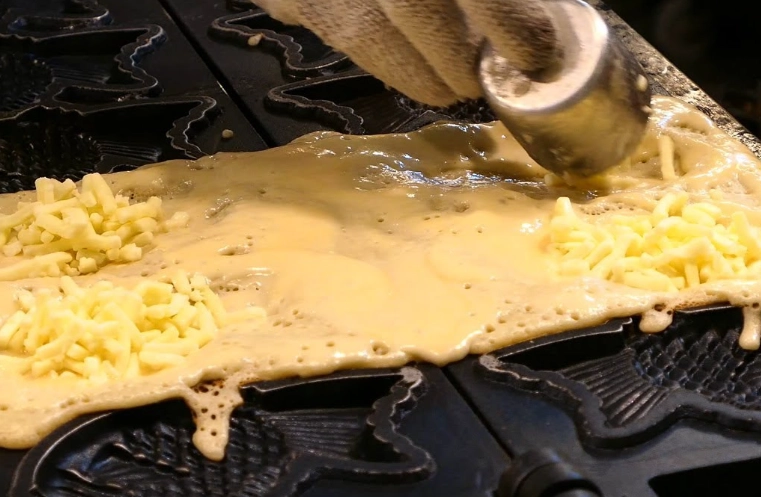
The Cooking Process
- Heat your mold/pan: Get it nice and hot, then lightly brush with oil. Medium heat is key – too hot burns the outside before the inside cooks.
- Pour & Fill: Pour enough batter to fill the bottom fish cavity about 2/3 full. Quickly sprinkle a generous amount of grated cheese in the center. Leave a border so it doesn't leak out too much.
- Seal it: Pour a little more batter over the cheese to just cover it. Close the lid/lock the mold.
- Cook & Flip: Cook for 3-4 minutes, then carefully flip the entire mold. Cook for another 3-4 minutes until golden brown and crisp. If using a waffle maker, just cook as per usual waffle instructions, adding cheese between batter layers.
- The Release: Open and pray it doesn't stick! A thin spatula helps. Let it cool for a minute – that cheese is lava.
That's the basic method. Now, let's get creative.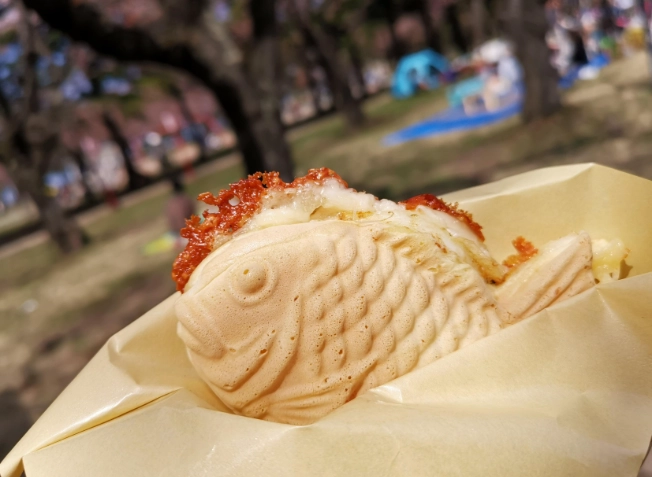
Beyond Basic: Killer Taiyaki Cheese Flavor Combinations
Once you've mastered the plain cheese version, the world is your oyster (or your sea bream, I guess). Here are some crowd-pleasing twists:
The Pizza Fish: Mix shredded mozzarella with a few tiny cubes of pepperoni or ham and a tiny pinch of dried oregano. Dip in marinara. Incredible.
Corn & Cheese: A classic Japanese combo. Add a tablespoon of sweet corn kernels (well-drained) to the cheese. The sweet pop of corn with the cheese is divine.
Kimchi Cheese: For the adventurous. Chop up some mild kimchi very finely, squeeze out excess liquid, and mix with your cheese. Spicy, tangy, cheesy. A flavor bomb.
Dessert-Savory Hybrid: Drizzle a tiny bit of honey over the cheese filling before closing, or use a cheese with fruit chutney inside. Sounds weird, tastes brilliant.
Honestly, you can put almost anything that goes with cheese in there. Think of the taiyaki shell as the best bread vessel you've ever had.
Where to Find the Best Taiyaki Cheese (If You're Not Cooking)
Maybe you're traveling, or maybe you just don't want to cook. Where do you go?
In Japan, it's everywhere. Specialized taiyaki shops (like Naniwaya Sohonten in Azabu-Juban, Tokyo, which claims to be the originator of taiyaki) often have a cheese option alongside their sweet ones. Street food stalls in major cities, especially near temples and tourist spots, are a safe bet. Don't be shy – point and ask for "chiizu" (cheese).
Outside Japan, your best chances are in cities with vibrant Japantowns or dense Asian communities. Los Angeles, New York, Vancouver, London – look for Japanese bakeries, dessert cafes, or food markets. Sometimes, Korean-style "bung-geo-ppang" (the Korean name for the fish-shaped pastry) shops also offer a cheese version. It's essentially the same thing.
Frozen sections in large Asian supermarkets can sometimes yield frozen taiyaki that you can heat up at home. The quality varies wildly, but it's an option in a pinch.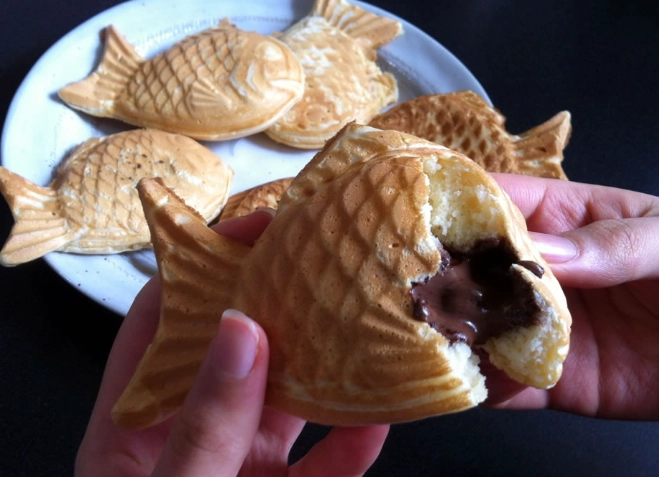
Answering Your Burning Taiyaki Cheese Questions (FAQ)
Let's tackle the stuff people really want to know but might not find easily.
Is Taiyaki cheese served hot or cold?
Always, always hot. Or at least very warm. The experience is about the contrast of the crisp, warm shell and the molten cheese center. Eating it cold is like eating cold pizza – it can be done, but you're missing the point. It's a fresh-off-the-grill snack.
Can I make it vegan?
Absolutely, but it's a two-part challenge. The batter is easy: use plant-based milk (soy or oat work well), a flax egg, and oil. The cheese is trickier. You need a vegan cheese that melts well. Some store-bought brands do okay, but for best results, look for a homemade vegan "queso" or cheese sauce recipe based on cashews and nutritional yeast. It won't have the same stretch, but it can be deliciously creamy.
Why is it fish-shaped?
The tai (sea bream) is a symbol of good luck and celebration in Japan. Eating a food shaped like a lucky fish is meant to bring good fortune. So you're not just eating a snack, you're consuming a little edible fortune cookie (but fishier and cheesier). The shape is iconic and part of the fun.
How do I reheat leftover Taiyaki cheese?
Leftovers? Optimistic. But if you have them, do not microwave unless you want a soggy, rubbery mess. The best way is to re-crisp it in a toaster oven or a regular oven at around 350°F (175°C) for 5-7 minutes. An air fryer works wonders too – 3-4 minutes at 350°F. It brings back the crispness and re-melts the cheese beautifully.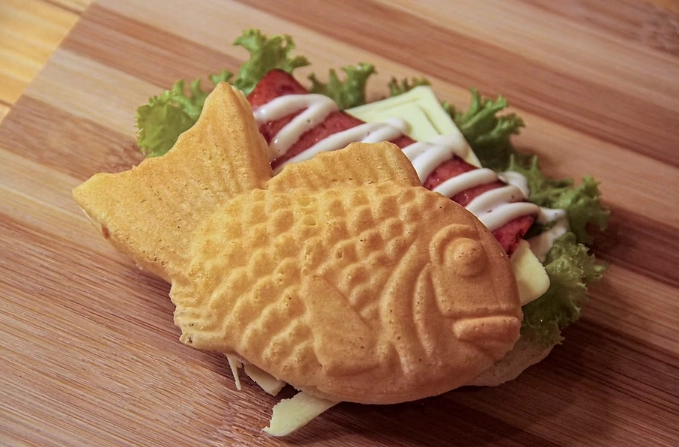
What's the difference between Taiyaki and Imagawayaki?
Great question. They're cousins. Taiyaki is fish-shaped and the batter is usually poured into a mold. Imagawayaki (or Ōban-yaki) is round, like a thick pancake sandwich, and often cooked on a griddle plate with round indents. The fillings can be identical – red bean, custard, cheese. So you might find a round cheese-filled cake that's essentially the same idea. Don't stress the name, just eat it.
Look, at the end of the day, Taiyaki cheese is about simple joy. It's not fancy cuisine. It's street food. It's warm, cheesy, carby comfort in a fun shape. Whether you seek it out on your next trip to Japan, hunt it down in your local Asian food market, or brave making it in your own kitchen, it's an experience worth having.
Just maybe let it cool for a minute first. I've burnt my tongue more than once in my enthusiasm.
Reader Comments