Quick Navigation
So you want to make taiyaki. You've seen those adorable, golden-brown fish cakes, maybe at a festival or a Japanese bakery, and now you're determined to create them in your own kitchen. Let's be honest, the first time I tried, it was a bit of a mess. The batter was too thin, it stuck to the mold, and my "fish" looked more like abstract blobs. Not the cute, Instagram-worthy treats I was aiming for.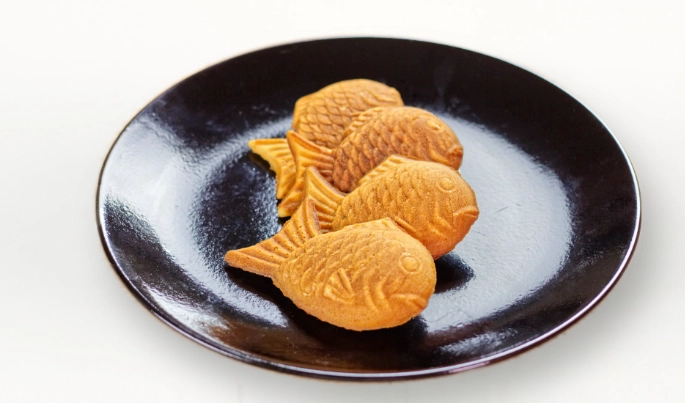
But that's why we're here. Making great taiyaki isn't magic, but it does hinge on one crucial thing: understanding your ingredients. Get the taiyaki ingredients right, and you're 90% of the way there. Use the wrong flour or a poorly made filling, and you'll end up with something... disappointing.
This isn't just another recipe list. We're going to dig deep into every component that goes into a perfect taiyaki. We'll talk about the core batter, the soul of the filling (it's not just red bean, I promise), and all the little tweaks that take it from good to "wow, you made this?". We'll also tackle the common problems—why is it soggy? why did it stick?—because I've faced them all.
The Core Batter: Building the Perfect Fish-Shaped Shell
Think of the batter as the vessel. It needs to be sturdy enough to hold a generous amount of filling, but light and slightly sweet to complement it. It should cook to a crisp exterior with a soft, cake-like interior. This balance is everything.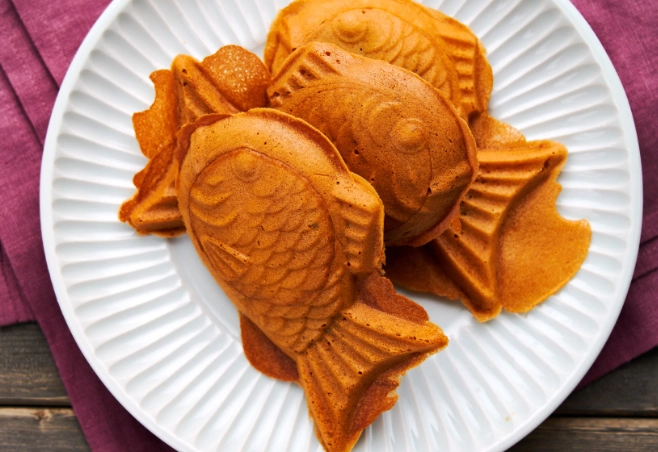
Flour: The Foundation
This is where many first attempts go sideways. You can't just use any flour.
- All-Purpose Flour (中力粉 - Chūrikiko): This is the standard and my recommendation for beginners. It has a moderate protein content (around 8-10.5%) which gives the taiyaki structure without making it tough. It's versatile and easy to find. The Japanese Ministry of Agriculture, Forestry and Fisheries provides general classifications for wheat flour, and all-purpose fits the bill for this type of confection.
- Cake Flour (薄力粉 - Hakurikiko): Lower protein (6-8%). This will give you a more tender, delicate crumb. Sounds good, right? Well, sometimes too delicate. I've found it can make the shell a bit too soft and prone to breaking, especially if you pack in a lot of filling. It's a matter of preference.
- What about Gluten-Free? It's tricky. A blend of rice flour and tapioca starch can work, but you'll likely need a binder like xanthan gum. The texture will be different—more chewy than fluffy—but it's absolutely doable if you have dietary needs.
My go-to? A reliable all-purpose flour. Consistency is key.
The Leavening Agent: Baking Powder's Crucial Role
This tiny ingredient is non-negotiable. It's what creates those tiny air bubbles, giving the batter lift and that lovely, light texture. Without it, you get a dense, pancake-like disc.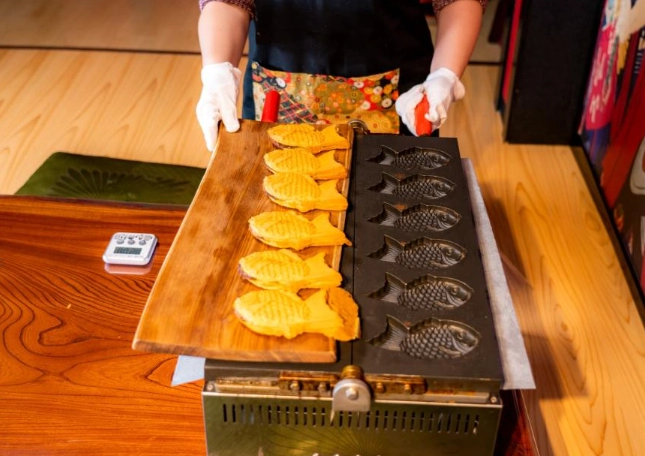
The Wet Team: Eggs, Milk, and Water
This is the hydration system. Eggs provide richness, structure, and color. Most recipes use one whole egg. Milk (whole milk is best) adds flavor and contributes to browning. Some traditional recipes use water for a plainer, crisper shell that lets the filling shine more. A common hybrid is part milk, part water.
I prefer using all milk for a richer taste, but if you want a more authentic street-food style, try a 50/50 mix.
Sweetness and Flavor: Sugar and a Pinch of Salt
Granulated white sugar is standard. Don't skip the salt! Even a small pinch (1/4 tsp) balances the sweetness and heightens all the other flavors in your taiyaki ingredients list. It's the difference between "sweet" and "well-rounded sweet."
Some recipes add a touch of honey or mirin (sweet rice wine) for depth. A drop of vanilla extract isn't traditional, but it's a nice western touch if that's your thing.
The Heart of the Matter: Classic and Modern Taiyaki Fillings
This is where personality comes in. The filling is the surprise inside the crispy shell.
The King: Anko (Sweet Red Bean Paste)
This is the classic, the one you think of. It's not just mashed sweet beans. There are two main types, and choosing between them changes the experience.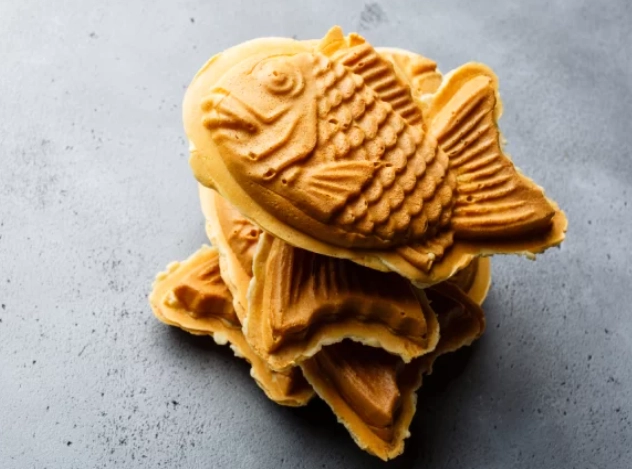
| Type | Description | Texture & Taste | Best For |
|---|---|---|---|
| Tsubuan | Whole or roughly mashed adzuki beans cooked with sugar. | Chunky, rustic, with distinct bean texture. Less smooth, more authentic. | Those who love texture and a less processed feel. My personal favorite. |
| Koshian | Beans are mashed and strained to remove the skins, then sweetened. | Incredibly smooth, uniform, and velvety. Very sweet and paste-like. | A sleek, modern texture. Often preferred for pastries like dorayaki. |
You can buy pre-made anko in cans or vacuum packs at Asian grocery stores (look for brands like Mitsukan or Koshian), which is a huge time-saver. Making it from scratch is rewarding but takes hours. For a deep dive into the history and types of anko, resources like the Wikipedia entry on Red Bean Paste offer a good starting point, though nothing beats tasting the difference yourself.
The Modern Contenders: A World of Possibilities
Walk into a trendy taiyaki shop in Tokyo now, and you'll see a menu as long as your arm. The basic batter is a perfect canvas.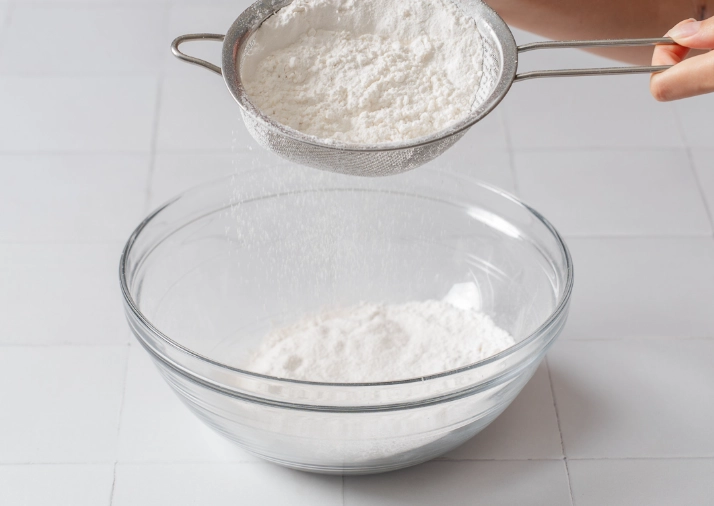
Popular Modern Fillings:
- Custard (カスタード): A creamy, eggy, vanilla custard. Incredibly popular and delicious, but it can make the shell soggy faster, so eat it warm!
- Chocolate: Either a ganache, Nutella, or even chunks of chocolate. A surefire hit with kids.
- Sweet Potato (紫芋): Mashed, purple sweet potato mixed with sugar and butter. Beautiful color and a earthy-sweet flavor.
- Cheese: A savory twist! Often a mix of mozzarella and cheddar for that stretchy, gooey pull.
- Matcha (Green Tea) Cream: Whipped cream or white chocolate ganache infused with high-quality matcha powder. For true matcha flavor, use culinary-grade powder.
The rule of thumb for wet fillings (custard, cream): make them thick. If they're too runny, they'll leak and cause a mess in your mold.
Equipment & Process: Bringing Your Ingredients Together
You can have the best taiyaki ingredients in the world, but technique matters.
The Essential Tool: The Taiyaki Pan
You need a proper double-sided, fish-shaped grill pan. They come in cast iron (traditional, best heat distribution) or non-stick electric versions. The cast iron requires seasoning and careful heat control, while the electric ones are more foolproof for beginners.
The Step-by-Step Dance
- Mix Dry, Mix Wet, Combine Gently: Whisk your dry taiyaki ingredients (flour, sugar, baking powder, salt) in one bowl. In another, whisk the wet ingredients (egg, milk/water). Pour the wet into the dry and mix just until combined. A few lumps are fine. Overmixing develops gluten and leads to toughness.
- Rest the Batter: Let it sit for 15-30 minutes at room temp. This allows the flour to fully hydrate and the baking powder to start working, resulting in a more even texture.
- Heat and Grease the Pan: Heat your pan over medium-low heat. Brush both fish molds very lightly with oil. Too much oil and the batter won't cook right; too little and it sticks. Use a pastry brush for control.
- Pour, Fill, Seal: Pour enough batter to just coat the bottom of one fish mold. Quickly add a spoonful of your filling right in the center. Do not overfill! Cover the filling with more batter until the mold is about 80-90% full.
- Close and Cook: Close the lid and clamp it. Cook for 2-3 minutes, then carefully flip the entire pan. Cook for another 2-3 minutes until both sides are a deep, golden brown. Peek cautiously.
- Release and Cool: Use a wooden or silicone tool to gently pry the taiyaki out. Let it cool on a rack for a few minutes—the filling is lava-hot!
Troubleshooting: Fixing Common Taiyaki Disasters
We've all been here. Let's solve these problems before they happen.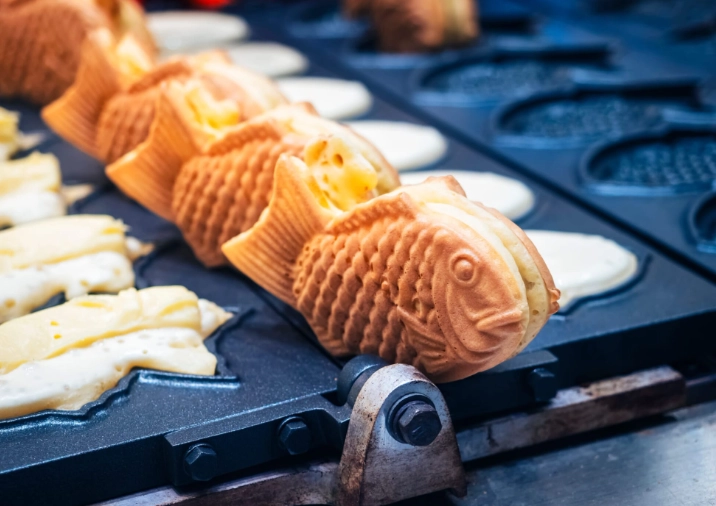
Problem: The batter sticks to the pan and tears.
Likely Cause: Insufficient heat or not enough grease. The pan needs to be properly hot before adding batter. Also, ensure your pan is well-seasoned (if cast iron) or use a very light, even coat of oil on a non-stick.
Problem: The taiyaki is raw/doughy in the middle.
Likely Cause: Heat too high. The outside browns before the inside cooks through. Lower the heat and cook a bit longer. Also, don't make the batter too thick.
Problem: It's too dense and heavy, not fluffy.
Likely Cause: Old baking powder or overmixing the batter. Remember, mix until just combined!
Problem: The filling leaks out everywhere.
Likely Cause: Overfilling, or the filling is too runny. Use thick, cool fillings and don't be greedy with the spoonful. Also, make sure you cover the filling completely with the top layer of batter.
Taiyaki Ingredients: Your Questions Answered
Beyond the Recipe: Experimenting with Your Taiyaki Ingredients
Once you've mastered the basic formula, the fun begins. This is where you make it your own.
Try adding a teaspoon of matcha powder or cocoa powder to the dry ingredients for a flavored shell. Sprinkle a few sesame seeds into the mold before adding the batter. For a savory version, reduce the sugar in the batter, add some black pepper and grated cheese to the mix, and fill with a mixture of diced ham, corn, and cheese. It's a complete meal in a fish shape!
The key is to start with a solid, tested base.
Understanding each of your taiyaki ingredients—why the flour type matters, how baking powder works, the difference between tsubuan and koshian—gives you the power to control the outcome. You're not just following a recipe blindly; you're crafting a specific experience.
My final piece of advice? Don't get discouraged if your first batch isn't perfect. My first ones were frankly ugly. But they still tasted great because I used good, simple ingredients. With each try, you'll learn the quirks of your pan and your stove. You'll find your perfect batter consistency and filling amount.
Reader Comments