Let's be honest. The first time I tried to make Japanese curry with a Golden Curry block, it was a watery, bland mess. The box instructions are a starting point, but they leave out the little things that turn a decent stew into that deeply comforting, rich, and complex curry you get at a good restaurant. After years of trial, error, and talking to chefs, I've nailed down a method that works every single time. This isn't just another recipe list; it's the why behind each step, so you understand the process and can adapt it for life.
What You'll Find in This Guide
What Makes Golden Curry Special?
Golden Curry, made by S&B Foods, is arguably the most famous Japanese curry roux outside of Japan. It's your gateway drug. Unlike Indian or Thai curries that rely on frying fresh spices, these solid blocks are a pre-mixed blend of spices, flour, oils, and flavorings. It's convenience without sacrificing that distinct, mildly sweet, and savory umami profile.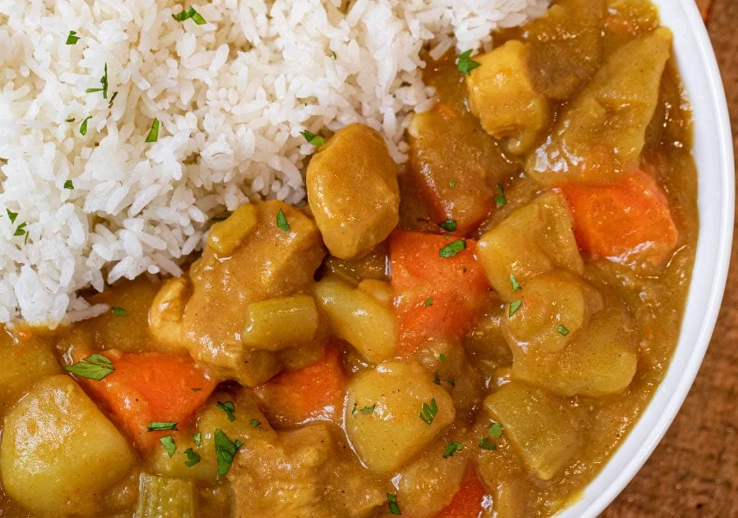
But here's the kicker most blogs don't tell you: not all Golden Curry boxes are the same. Walk down the Asian aisle and you'll see a confusing array. The spiciness level (mild, medium hot, hot) is obvious. The real difference is in the "version."
Golden Curry Version Guide: The standard version is fine. But if you see "Golden Curry with Honey & Apple" or "Rich & Hearty," grab those. The former adds subtle fruitiness that balances the savory notes perfectly (a classic Japanese technique). The latter has a more robust, stew-like depth. I always go for the "Rich & Hearty" medium hot if I can find it.
Why use a block instead of powder? Control and texture. The blocks contain fat and flour, which melt to thicken your curry into a luxurious, velvety sauce. A powder can give you flavor, but nailing that signature clingy, gravy-like consistency is harder.
Ingredients: Beyond the Basics
The classic trio is onions, carrots, and potatoes. Protein is usually chicken thigh (boneless, skin-on for flavor, then skin removed and chopped) or pork. But the secret weapon is in the supporting cast.
| Ingredient | The Standard Choice | The Pro Upgrade (Why It's Better) |
|---|---|---|
| Onions | 1 large, chopped | 2 large, thinly sliced. Cooked low and slow for 45 minutes until deeply caramelized and brown. This is the single biggest flavor booster. It adds a sweet, profound base no amount of roux can replicate. |
| Cooking Fat | Vegetable oil | A mix of butter and oil. Butter adds richness and helps with browning. Use oil to prevent the butter from burning. |
| Broth/Liquid | Water | Chicken stock or dashi. Water works, but broth adds a layer of savory depth (umami) that makes the curry taste homemade and complete. Use a low-sodium version to control salt. |
| Secret Flavor Adds | None | 1 tbsp tomato paste (added after browning meat) for acidity and depth. A splash of Worcestershire sauce or tonkatsu sauce (1 tsp) at the end for a fruity, tangy kick. |
See? It's not about weird ingredients. It's about maximizing the ordinary ones. That caramelized onion step is non-negotiable in my kitchen now. It transforms the dish.
The Step-by-Step Golden Curry Recipe
Here’s my tried-and-true method. Prep everything before you start—it makes the process smooth.
Prep Your Components
- Protein: 1.5 lbs chicken thighs (boneless, skin-on), cut into bite-sized pieces. Pat them very dry with paper towels. This is crucial for browning, not steaming.
- Vegetables: 2 large onions (thinly sliced), 2 carrots (rolled cut), 2 potatoes (cut into 1.5-inch chunks, soaked in water to prevent browning).
- Aromatics: 2 cloves garlic (minced), 1-inch ginger (grated).
- Liquid: 4 cups of low-sodium chicken stock or dashi.
- Roux: 1 box (7.8 oz) of Golden Curry, broken into pieces. I use Medium Hot "Rich & Hearty."
- Extras: 1 tbsp tomato paste, 1 tsp Worcestershire sauce, 1 tbsp butter + 1 tbsp neutral oil.
The Cooking Process
1. The Foundation (The Most Important Part): In a heavy pot or Dutch oven, melt the butter with oil over medium-low heat. Add all the sliced onions and a pinch of salt. Cook, stirring occasionally, for at least 30-45 minutes. You want them golden brown, soft, and sweet. No shortcuts. This builds your flavor base.
2. Brown the Protein: Push onions to the side. Increase heat to medium-high. Add the dried chicken pieces in a single layer. Don't crowd them. Let them sear undisturbed for 2-3 minutes until a golden crust forms, then flip. Browning = flavor. Remove and set aside.
3. Build the Stew: In the same pot, add a bit more oil if needed. Add garlic and ginger, stir for 30 seconds until fragrant. Add the tomato paste and cook for another minute. Now, add the carrots and stir to coat. Return the chicken and any juices to the pot. Pour in the 4 cups of broth. Scrape up any browned bits from the bottom—that's flavor.
4. Simmer and Cook: Bring to a simmer, then reduce heat to low. Partially cover and let it cook gently for 20 minutes. Then, add the drained potato chunks. Simmer for another 15-20 minutes, or until potatoes and carrots are tender when pierced with a fork.
Critical Timing: Your vegetables should be fully tender before you add the roux. The roux thickens the sauce and further cooking after that can lead to mushy veggies.
5. Incorporate the Roux: Turn off the heat. This is key. Adding roux to a boiling pot can cause it to clump or become gluey. Stir in the broken pieces of Golden Curry block until fully melted and dissolved. The sauce will instantly start to thicken.
6. Final Simmer and Season: Turn the heat back to the lowest setting. Let the curry simmer gently, uncovered, for 5-10 minutes to allow the flavors to marry and the sauce to reach its final thickness. Stir in the Worcestershire sauce. Taste. The roux is salty, so you likely won't need extra salt. A crack of black pepper is good.
Let it rest for 10 minutes off the heat. It thickens a bit more and the flavors settle. Serve over steamed rice.
How to Thicken Japanese Curry (The Right Way)
This is the number one question and pain point. Your curry is too thin. You added the whole box, right? Here’s what went wrong and how to fix it.
Why it happens: Too much liquid, not enough simmering after adding the roux, or adding the roux while the pot is at a rolling boil.
The Fixes (in order of preference):
- Simmer, Uncovered: After adding the roux, let it simmer on low, uncovered, for 10-15 minutes. Stir occasionally to prevent sticking. The excess water evaporates, naturally thickening the sauce. This is the best method as it concentrates flavor.
- Make a Slurry: In a pinch, mix 1 tbsp of cornstarch or potato starch with 2 tbsp of cold water. Ensure it's lump-free. While the curry is simmering, stir in the slurry. It will thicken within a minute. This works but can give a slightly glossier, less "rustic" texture.
- Add More Roux: You can break off another small piece of a separate curry block, melt it in a ladle with some hot curry sauce, then stir it back in. Be careful, as this also adds more salt and spice.
Never just add flour directly to the hot pot. You'll get lumps.
Common Mistakes and Expert Fixes
I've made these so you don't have to.
Mistake 1: Crowding the pan when browning meat. This steams the chicken instead of searing it. You lose that rich, browned flavor. Fix: Brown in batches. Be patient.
Mistake 2: Adding potatoes and carrots at the same time. Carrots take longer to cook. If you add them together, either the potatoes turn to mush or the carrots are hard. Fix: Add carrots first, simmer for 20 min, then add potatoes.
Mistake 3: Boiling the curry after adding the roux. A violent boil can break the emulsion of fat and flour, making the sauce thin and greasy-looking. Fix: Always add roux off the heat, then return to a gentle simmer.
Mistake 4: Not tasting at the end. The roux is seasoned, but maybe you used low-sodium broth and your caramelized onions were extra sweet. It might need a tiny balance. Fix: Always taste before serving. A tiny splash of apple cider vinegar or a teaspoon of soy sauce can adjust the sweet/savory balance perfectly.
Your Curry Questions Answered
Can I make Japanese curry with Golden Curry in a slow cooker or Instant Pot?
You can, but with major adjustments. For both, do not add the curry roux blocks until the very end. For a slow cooker, brown your meat and caramelize onions on the stove first (this step is too important to skip), then add everything except potatoes and roux to the cooker. Cook on low for 6-7 hours, add potatoes in the last 90 minutes. At the end, turn to high, stir in the roux until melted, and let it thicken for 15-20 minutes. For Instant Pot, use the sauté function for browning/onions, then pressure cook everything except roux for about 8 minutes. Quick release, then use sauté mode again to stir in the roux.
Why is my Golden Curry curry bland, even with the whole box?
You're likely missing the foundational flavors. The roux provides seasoning and spice, but the body comes from what you build. You skipped or rushed the onion caramelization. You used water instead of broth. You didn't brown the meat. You added the roux to a pot of plain boiled ingredients. Go back and build those layers of flavor—the Maillard reaction from browning, the sweetness from onions, the savoriness from broth. The roux is the finisher, not the sole flavor source.
How do I store and reheat leftover Japanese curry?
It keeps beautifully. Cool it completely, then store in an airtight container in the fridge for up to 4 days. The potatoes will absorb liquid, so it will thicken considerably. When reheating, do it gently on the stove over low heat with a splash of water or broth to bring it back to a saucy consistency. Stir frequently. You can also freeze it for up to 3 months, though the potato texture may become a bit grainy upon thawing.
What's the difference between Golden Curry, Java Curry, and Vermont Curry?
All are by S&B but have distinct profiles. Golden Curry is the standard, balanced, slightly sweet and savory. Java Curry is spicier and uses more aromatic spices, leaning a bit towards a Southeast Asian flavor. Vermont Curry is sweeter and fruitier, famously containing honey and apple. It's often preferred by kids or those who like a milder, sweeter curry. For a first-timer, Golden Curry is the perfect representative. Try the others once you're hooked.
Reader Comments