Quick Navigation: Explore Yoshoku
Let's talk about yoshoku. You've probably had it, or at least seen it, even if you didn't know the name. It's that unique category of food you find all over Japan that looks familiar—kind of Western—but tastes distinctly, comfortingly Japanese. It's not quite Washoku (traditional Japanese cuisine), and it's not quite the Western food you'd get in Paris or New York. It's its own wonderful, sometimes quirky, always delicious thing.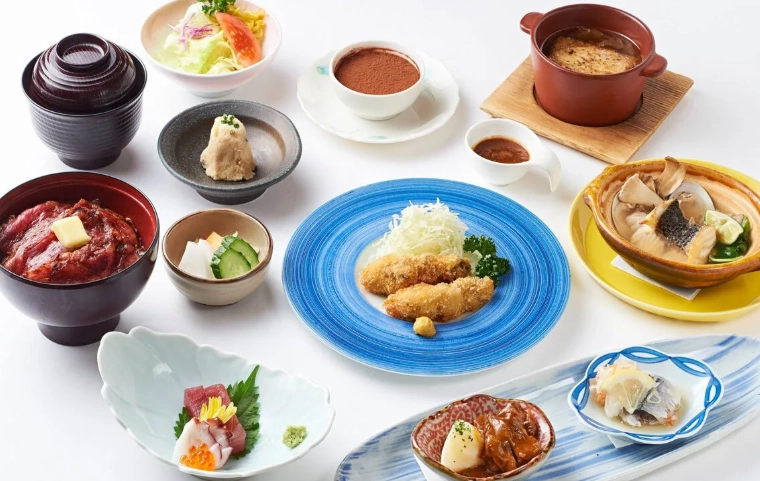
I remember my first real encounter with it was a bit confusing. I was in a family restaurant in Tokyo, staring at a menu with pictures of something called "Hambagu." It looked like a hamburger, but without a bun, sitting in a dark sauce with a side of rice and a heap of shredded cabbage. That meal, a juicy Salisbury-steak-like patty with a rich demi-glace sauce, was a revelation. It was homey, deeply savory, and made complete sense with a bowl of white rice. That's yoshoku in a nutshell: Western ideas reimagined through a Japanese lens, using local ingredients and tastes to create something entirely new and beloved.
So, what exactly is Yoshoku? In the simplest terms, yoshoku (洋食) translates to "Western food." But that's deceptively simple. It refers specifically to a style of cuisine that originated in the late 19th and early 20th centuries, during the Meiji era, when Japan began actively importing and adapting Western culture. It's not about making a perfect, authentic French steak. It's about taking the concept of a steak, and serving it with soy- and mirin-based sauce, rice, and miso soup. Yoshoku is adaptation, fusion, and comfort, all rolled into one. It's everyday food with a fascinating history.
If you're looking for concrete yoshoku examples to understand this culinary category, you're in the right place. We're going to go beyond just a list. We'll dig into the stories behind the dishes, what makes them tick, and why they've earned a permanent spot on the Japanese table. From the iconic to the lesser-known, these are the dishes that define yoshoku.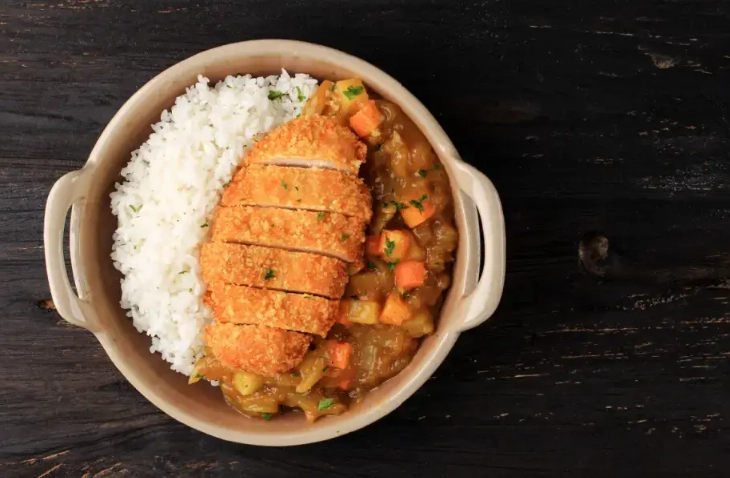
Where Did Yoshoku Come From? A Quick Bite of History
You can't really talk about yoshoku examples without a bit of context. It all started with the Meiji Restoration in 1868. Japan opened its doors after a long period of isolation, and with that came a push to modernize and adopt Western ways—including diet. The government promoted meat eating (which was previously limited due to Buddhist influences), dairy, and Western cooking techniques as part of building a "stronger" nation.
Chefs, many of whom had trained with Western cooks or from cookbooks, began interpreting these new foods. But they faced constraints: unfamiliar ingredients were hard to find, and local palates were accustomed to rice, soy, dashi, and miso. So, they improvised. Butter was used sparingly, sauces were sweetened with mirin or toned down with soy sauce, and bread was often replaced by the ubiquitous rice. What emerged wasn't a failed copy, but a brilliant new genre.
Initially, yoshoku was fancy, elite dining. But by the early 20th century, it trickled down to the masses through yoshokuya (Western-food restaurants) and eventually into home kitchens. After World War II, with new imported ingredients like ketchup and mayonnaise becoming cheap and available, yoshoku truly became the people's food. It's a story of creativity under constraint, and the results are some of Japan's most popular comfort foods.
The Hall of Fame: Must-Know Yoshoku Examples
Alright, let's get to the good stuff. Here are the classic, non-negotiable yoshoku examples you'll find everywhere from high-end specialty restaurants to your neighborhood diner and even in convenience store bento boxes.
Hambāgu (ハンバーグ) – The Japanese Hamburger Steak
This is arguably the king of home-style yoshoku. Don't call it a burger. Hambagu is a seasoned ground meat patty (usually a mix of pork and beef for juiciness) pan-fried or grilled and served not in a bun, but on a plate. The magic is in the sauce. The classic is a thick, brown demi-glace sauce, but you'll also find versions with a red wine reduction, a creamy mushroom sauce, or even a teriyaki-style glaze. It's almost always accompanied by rice, helping you mop up every last drop of that rich sauce, and a small salad or boiled vegetables.
Kare Raisu (カレーライス) – Japanese Curry Rice
Yes, curry is a superstar yoshoku example. Introduced by the British (who got it from India), Japan made it its own. Japanese curry is thicker, sweeter, and milder than its Indian or Thai counterparts. It's more of a hearty stew, made with a convenient curry roux block that melts into the cooking liquid. The vegetables are soft (typically onions, carrots, and potatoes), and the protein is often beef, pork, or chicken. It's the ultimate comfort food, served over a mountain of white rice, and sometimes with a side of fukujinzuke (pickled vegetables) or a pork cutlet (katsu kare).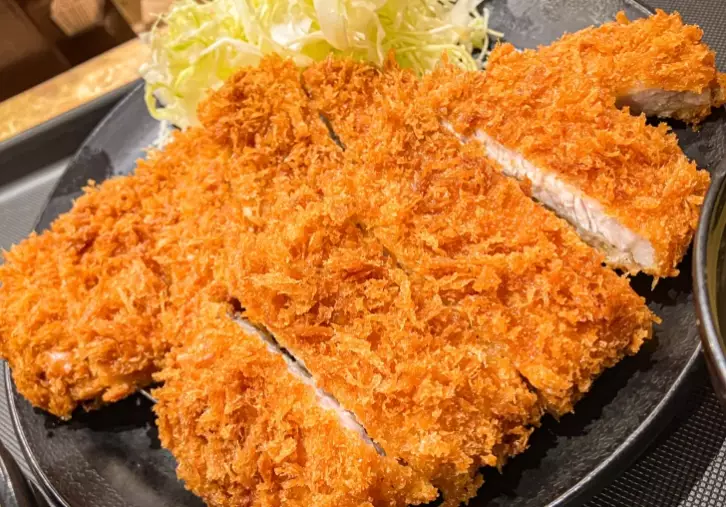
But why is it so popular? It's incredibly easy to make at home, it's cheap, it's filling, and it's endlessly customizable. Every family has their own recipe. It's a perfect yoshoku example of complete adaptation.
Omurice (オムライス) – The Omelette Rice
Omurice is a playful and visually striking dish. It's a mound of chicken rice (ketchup-flavored fried rice with chicken and vegetables) wrapped in a thin, soft, slightly runny omelette. The whole thing is often topped with more ketchup or a demi-glace sauce. It's a staple in family restaurants and a favorite for kids (and adults who are kids at heart). The skill of the chef is often judged by how silky and perfect that omelette blanket is.
Korokke (コロッケ) – Japanese Croquettes
Korokke comes from the French croquette, but the Japanese version is a staple. Mashed potatoes are mixed with minced meat (usually beef or pork), onions, and sometimes other vegetables, formed into a patty or cylinder, coated in panko breadcrumbs, and deep-fried to golden perfection. The result is a crispy exterior giving way to a soft, creamy, savory interior. They're sold everywhere: as a side dish, in bento boxes, or even on a stick from street vendors. Cream korokke (with béchamel sauce) and crab cream korokke are other popular variations. It's a fantastic yoshoku example of taking a simple concept and perfecting it for the snack-loving soul.
Napolitan (ナポリタン) – Japanese Ketchup Spaghetti
This one might be controversial for pasta purists, but it's a beloved classic. Spaghetti is stir-fried with onions, green peppers, and ham or sausage, and then tossed with—wait for it—ketchup. Yes, ketchup. It's often finished with a sprinkle of dried parsley and sometimes grated Parmesan. It sounds strange, but it works. It's tangy, sweet, savory, and incredibly moreish. It was supposedly created for the Japanese palate post-WWII when tomato paste was scarce but American-style ketchup was plentiful. It's a true testament to yoshoku's inventive spirit.
Doria (ドリア) – Gratin Rice Casserole
Imagine a creamy seafood or chicken gratin, but instead of being served with bread, it's baked over a base of buttery pilaf or white rice. That's Doria. The creamy béchamel sauce, often with shrimp, scallops, or chicken, melds with the rice in the oven, creating a rich, cheesy, comforting casserole with a golden-brown top. It's the ultimate cold-weather comfort food and a staple on many yoshoku restaurant menus. It's another brilliant yoshoku example of substituting the carbohydrate base to suit local preferences.
Tonkatsu (トンカツ) – Breaded Pork Cutlet
While tonkatsu has become so iconic it's almost in a category of its own, its origins are firmly in yoshoku. Inspired by European breaded cutlets, it features a thick slice of pork loin or fillet, coated in flour, egg, and Japanese panko breadcrumbs (which are airier and crispier than Western breadcrumbs), then deep-fried. It's served shredded cabbage, a mound of rice, miso soup, and the indispensable thick, fruity Worcestershire-style tonkatsu sauce. The contrast of the shatteringly crisp exterior and the juicy pork inside is phenomenal. Its popularity led to other katsu dishes like chicken katsu and menchi katsu (minced meat cutlet).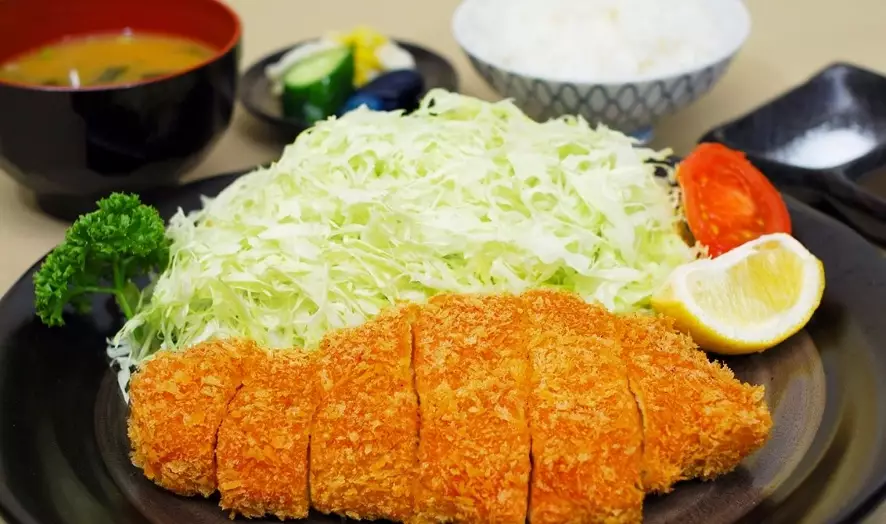
Cream Stew (クリームシチュー)
Japan's answer to chicken fricassee or a white stew. Chunks of chicken and vegetables (potatoes, carrots, onions, broccoli) are simmered in a creamy, velvety white sauce. It's milder and less herby than its Western cousins, focusing on the pure comfort of the cream and the sweetness of the vegetables. It's a winter staple in homes across Japan, often served with bread or rice. Like curry, it's commonly made using a convenient roux block, making it an easy weeknight dinner.
A Handy Table of Classic Yoshoku Examples
To help you keep track of these essential dishes, here's a quick-reference table. This should give you a solid starting point for exploring yoshoku.
| Dish Name (Romanji) | Japanese | Core Idea / Inspiration | Key Characteristics | My Personal Rating (1-10) |
|---|---|---|---|---|
| Hambāgu | ハンバーグ | Salisbury steak / Hamburg steak | Juicy meat patty with demi-glace sauce, served with rice. | 9 - The ultimate comfort food. |
| Kare Raisu | カレーライス | British/Indian curry | Thick, sweet, stew-like curry with vegetables & meat over rice. | 8.5 - A national obsession for a reason. |
| Omurice | オムライス | Omelette + Fried Rice | Ketchup chicken rice wrapped in a soft omelette. | 8 - Fun, nostalgic, and tasty. |
| Korokke | コロッケ | French croquette | Mashed potato & meat patty, breaded with panko, deep-fried. | 8 - The perfect savory snack. |
| Napolitan | ナポリタン | Italian spaghetti | Spaghetti stir-fried with veggies, ham, and ketchup. | 7 - An acquired taste, but oddly addictive. |
| Doria | ドリア | Seafood gratin | Creamy seafood/chicken gratin baked over rice. | 9 - Rich, decadent, and so satisfying. |
| Tonkatsu | トンカツ | European breaded cutlet | Pork cutlet with panko crust, served with tonkatsu sauce & cabbage. | 9.5 - A masterpiece of texture and flavor. |
| Cream Stew | クリームシチュー | White stew / Fricassee | Chicken & vegetables in a creamy white sauce. | 7.5 - Simple, warm, and comforting. |
Yoshoku's Place in Modern Japan
So, is yoshoku just old-fashioned food? Not at all. While it's deeply nostalgic, it's very much alive. Yoshoku restaurants range from retro kissaten that have served the same Napolitan for 50 years to modern, upscale establishments putting refined twists on classics. Chefs are experimenting with higher-quality ingredients, more nuanced sauces, and beautiful presentations.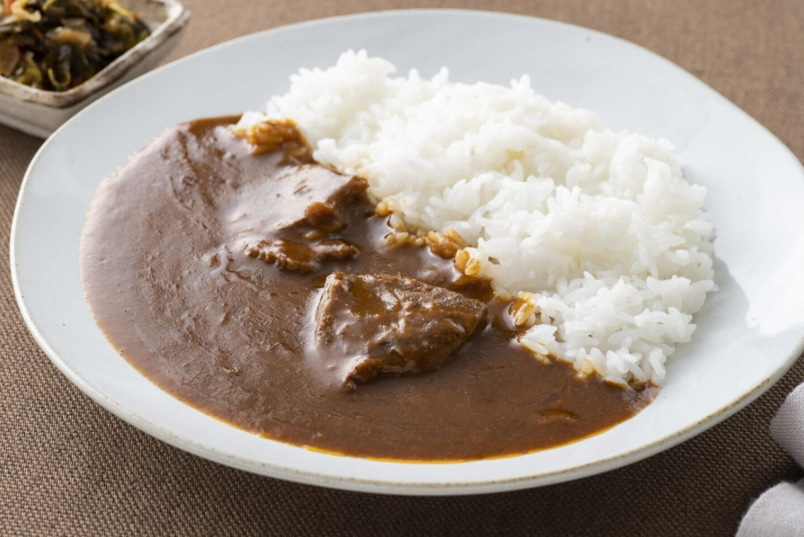
More importantly, yoshoku has seamlessly blended into the fabric of Japanese home cooking. Dishes like hambagu, curry, and cream stew are weekly staples in millions of households. They're considered ofukuro no aji—the taste of mom's cooking. In that sense, yoshoku has completed its journey from exotic import to national comfort.
It also sits on an interesting spectrum. On one end, you have Washoku (traditional Japanese cuisine like sushi, tempura, kaiseki). On the other, you have Yoshoku (Japanized Western food). And then there's modern Fusion or contemporary cuisine that freely mixes influences without the historical baggage. Yoshoku is the crucial, delicious link in the middle. For a deeper official look at Washoku's cultural significance, you can explore the Japanese Ministry of Agriculture, Forestry and Fisheries page on Washoku, which highlights its UNESCO status and helps contrast it with the yoshoku tradition.
A quick thought: Some food scholars argue that dishes like tempura (Portuguese influence) and ramen (Chinese influence) are earlier forms of culinary adaptation. But yoshoku is distinct because it was a conscious, large-scale adoption of Western European and American food culture during a specific historical period aimed at modernization.
How to Enjoy Yoshoku Like a Local
If you're visiting Japan or hitting up a Japanese restaurant, here’s how to dive into these yoshoku examples.
- Seek out a "Yoshokuya" or a classic "Kissaten": These are your best bets for an authentic, often retro, experience. The menus will be full of these classics.
- Embrace the Set Meal (Teishoku): Yoshoku is often served as a teishoku. Your main dish (like tonkatsu or hambagu) will come with rice, miso soup, pickles, and maybe a small salad. It's a complete, balanced, and satisfying way to eat.
- Sauce is Sacred: Don't be shy with the sauces—the demi-glace on your hambagu, the tonkatsu sauce, the ketchup on your omurice. They're integral to the flavor profile.
- Rice is Your Friend: The rice isn't just a side; it's a vehicle for the sauces and a crucial element for balancing the richer flavors of the main dish.
Want to Try Making Yoshoku at Home?
It's surprisingly doable! Start with hambagu or curry—they're very forgiving. For hambagu, the key is using a mix of pork and beef (70/30 is good) and not overworking the meat. Grate an onion into the mix for moisture and sweetness. For the demi-glace, you can simplify with a store-bought Japanese demi-glace sauce mix or make a quick version with beef broth, ketchup, Worcestershire sauce, and red wine.
Pro Tip: Panko breadcrumbs are non-negotiable for dishes like korokke and tonkatsu. They create that signature light, crispy, airy crust that regular breadcrumbs can't match. Find them in any Asian grocery store or the international aisle of most supermarkets.
Common Questions About Yoshoku (FAQ)
Final Thoughts on These Yoshoku Examples
Looking through these yoshoku examples, what strikes me is their staying power. They weren't a fad. They filled a need—for new flavors, for hearty meals, for a sense of modernity—and then they stuck around because they were just so darn good. They became family food. They represent a fascinating chapter in Japan's story, one told not in textbooks but on dinner plates.
So next time you see omurice on a menu, or wonder about that breaded pork cutlet served with shredded cabbage, you'll know you're looking at a piece of living history. Yoshoku is more than just a list of dishes; it's a delicious reminder of how cultures adapt, borrow, and create something uniquely their own. And honestly, isn't that the best kind of food?
I hope this deep dive gives you more than just a list of names. I hope it gives you a craving. Go try some hambagu, debate the merits of ketchup spaghetti, and enjoy the wonderful, comforting world of yoshoku for yourself.
Reader Comments