Let's be honest. The idea of making authentic Japanese food can feel intimidating. You see the beautiful, precise plates in restaurants or on TV and think you need a decade of training. I thought the same when I first tried to make a proper miso soup and ended up with something closer to salty bean water. But after years of cooking (and plenty of mistakes), I've learned that the heart of Japanese home cooking isn't about perfection. It's about a few core principles, a handful of key ingredients, and understanding the "why" behind the steps.
This guide isn't just a list of easy Japanese recipes. It's about building your confidence to make dishes that taste right, feel satisfying, and become part of your regular kitchen routine. We'll skip the ultra-complex sushi rolls and focus on the foundational meals that Japanese families actually eat every day.
What You'll Learn Inside
- The Five Pillars of Japanese Flavor
- Your Non-Negotiable Japanese Pantry List
- Recipe #1: The Foundation – Perfect Japanese Rice
- Recipe #2: The Soul – Classic Miso Soup
- Recipe #3: The Crowd-Pleaser – Real Teriyaki Chicken
- 5 Mistakes Everyone Makes (And How to Fix Them)
- Your Japanese Cooking Questions, Answered
What Makes Japanese Food Taste Japanese?
Before we touch a knife, let's talk flavor philosophy. If you get this, the recipes make so much more sense.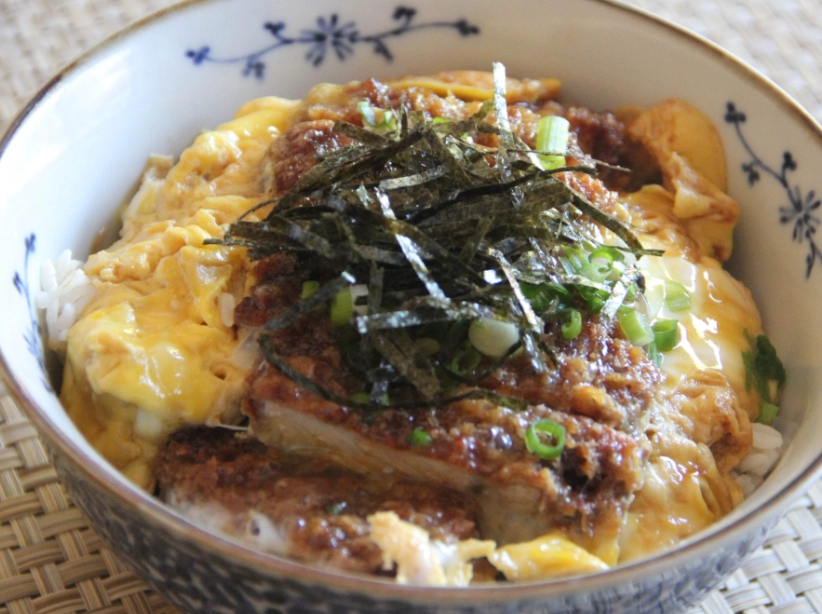
Japanese cuisine balances five key elements, but three are non-negotiable:
- Rice (Gohan): Not a side dish. It's the main event. Everything else complements the rice. Getting this right changes everything.
- Umami: The savory "fifth taste." It's the deep, satisfying flavor in dashi (stock), miso, soy sauce, and mushrooms. This is what makes Japanese food feel nourishing, not just salty.
- Seasonality (Shun): Using ingredients at their peak. It's not just fancy; a ripe tomato in summer needs less fuss than a bland winter one.
The other two—subtle seasoning and beautiful presentation—come with practice. Focus on rice and umami first.
Stocking Up: Your Japanese Kitchen Starter Kit
You don't need a whole Asian market. Start with these essentials. Most keep for months.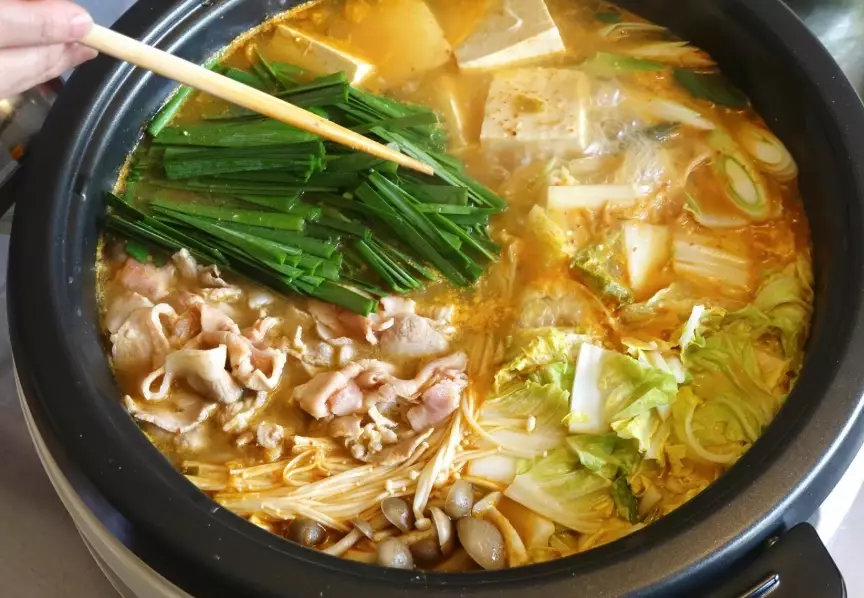
| Ingredient | What It Is & Why You Need It | Where to Find It |
|---|---|---|
| Japanese Short-Grain Rice | Sticky, slightly sweet rice (like Koshihikari or Calrose). It's the texture, not just the grain. Don't substitute jasmine or basmati. | Major supermarkets, Asian grocers, online. |
| Soy Sauce (Shoyu) | The all-purpose salty-umami base. Get both koikuchi (dark, all-purpose) and usukuchi (light, saltier, for preserving color in broths). | Every supermarket. |
| Mirin | Sweet rice wine. It adds a gentle sweetness and glossy finish. Not the same as rice vinegar. Look for "hon mirin" (true mirin) if possible. | Asian aisle, Asian grocers. |
| Sake | Cooking sake removes unwanted odors (like from fish) and adds complexity. Cheap drinking sake is fine for cooking. | Liquor store, Asian grocers. |
| Dashi | The umami backbone. Instant dashi granules (like Hondashi) are a perfect cheat. For purists, it's made from kombu (kelp) and katsuobushi (bonito flakes). | Asian aisle (granules), Asian grocers (for whole ingredients). |
| Miso Paste | Fermented soybean paste. Start with awase (mixed) or shiro (white/sweet) miso. It's for soup, marinades, dressings. | Refrigerated section of health food stores, major supermarkets, Asian grocers. |
| Rice Vinegar | Mild, slightly sweet vinegar for sushi rice, salads, and pickles. | Asian aisle, supermarkets. |
With these, you can make about 80% of classic Japanese home cooking dishes.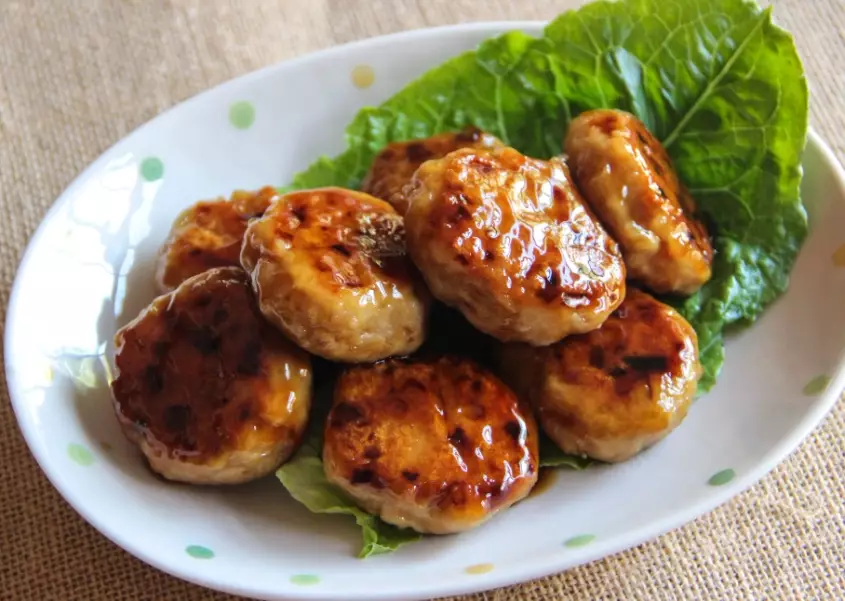
Recipe #1: The Non-Negotiable Foundation – Perfect Japanese Rice
Bad rice ruins the meal. Good rice makes even simple dishes feel special. Here’s the method that never fails me, using a regular pot.
Ingredients & Gear
- 2 cups Japanese short-grain rice
- 2.2 cups water (a 1:1.1 ratio is the sweet spot)
- A heavy-bottomed pot with a tight-fitting lid
- A fine-mesh strainer
The Steps (It's a Ritual, Not a Chore)
1. Wash the rice. This is crucial. Put the rice in your pot, cover with water, and swirl aggressively with your hand. The water will turn cloudy. Pour it out. Repeat 3-4 times until the water runs almost clear. This removes excess starch so the rice isn't gummy.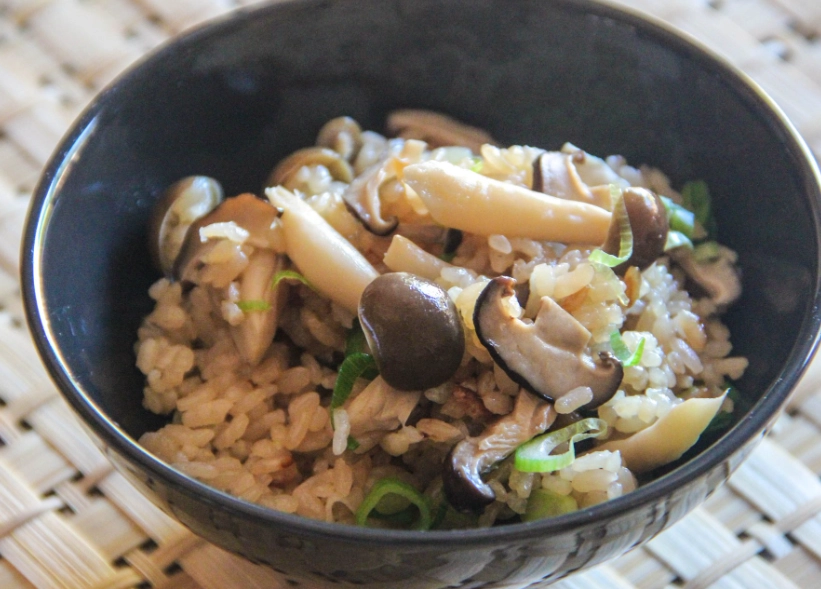
2. Soak the rice. Add the measured 2.2 cups of fresh water. Let it soak for 30 minutes in the pot. This allows the grains to absorb water evenly for consistent cooking. No skipping.
3. Cook the rice. Put the lid on. Bring to a boil over medium-high heat. Once you see steady steam and hear a bubbling sound (about 5-7 minutes), reduce the heat to the lowest possible setting. Cook for 12 minutes.
4. Steam the rice. This is the secret. Turn off the heat. Do not open the lid. Let it sit, untouched, for 15 full minutes. The residual heat finishes the cooking and steams the rice perfectly.
5. Serve the rice. Now, open the lid. Fluff the rice gently with a rice paddle or fork, folding it from the bottom up. Serve immediately.
Recipe #2: The Soul of Breakfast – Classic Miso Soup
Real miso soup takes 10 minutes, not 30 seconds from a packet. The flavor difference is night and day.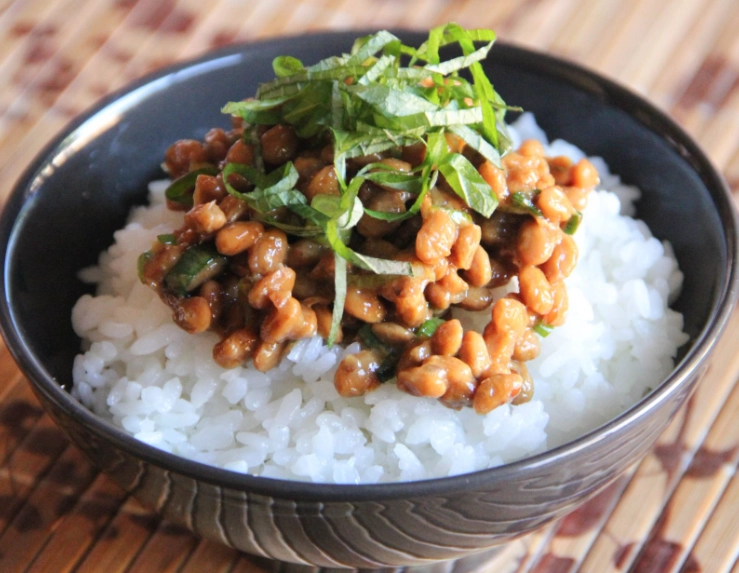
Ingredients (for 2 bowls)
- 2 cups water
- 1 tsp instant dashi granules (or 1 cup homemade dashi + 1 cup water)
- 1-2 tbsp awase or white miso paste (to taste)
- Add-ins: 2-3 tbsp chopped green onion, a handful of wakame seaweed (rehydrated), a few cubes of soft tofu.
How to Build Your Bowl
1. Make the dashi broth. Bring 2 cups of water to a simmer. Dissolve the dashi granules. If using homemade dashi, just heat it up. Keep it at a gentle simmer, not a rolling boil.
2. Prepare your add-ins. Slice your green onions, cut the tofu, rehydrate a pinch of dried wakame in water for 2 minutes.
3. The miso mix. Here's the big trick to avoid clumps: Ladle a small amount of hot broth into a small bowl. Add your miso paste to this bowl and whisk with a fork or chopsticks until it's completely smooth and dissolved.
4. Combine. Turn off the heat under the main pot. Stir the smooth miso mixture back into the pot. Never boil miso after adding it. Boiling kills its delicate flavor and probiotics.
5. Assemble. Divide your tofu and wakame into serving bowls. Pour the hot miso broth over the top. Garnish with green onions. Drink it from the bowl, it's comforting.
Recipe #3: The Real Deal Teriyaki Chicken
Forget the thick, syrupy, neon-orange sauce. Authentic teriyaki is about a glossy, savory-sweet glaze that coats the protein, made with just three core ingredients.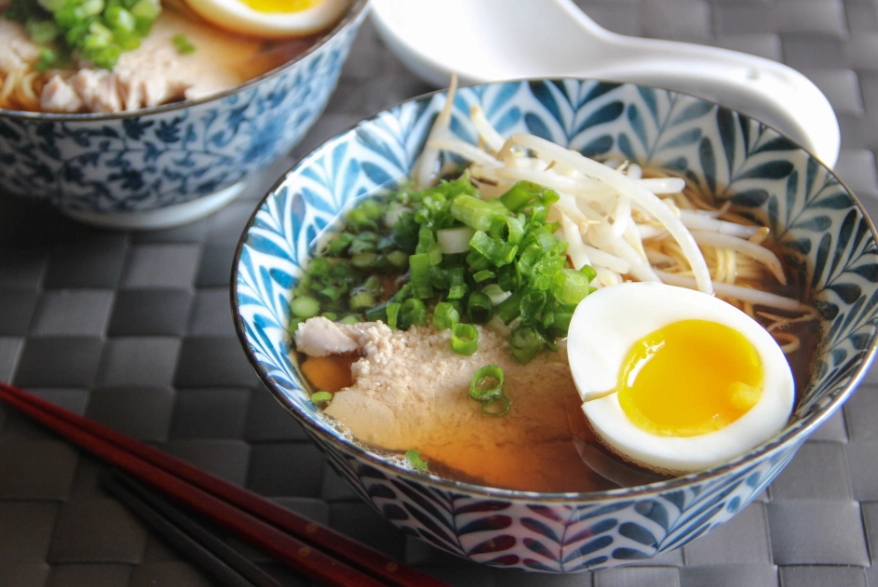
Ingredients (for 4 servings)
- 4 boneless, skin-on chicken thighs (skin is key for flavor)
- 2 tbsp neutral oil (like canola)
- Teriyaki Sauce: 3 tbsp soy sauce, 3 tbsp mirin, 1.5 tbsp sake, 1.5 tbsp sugar.
The Two-Stage Cooking Method
1. Cook the chicken. Pat the chicken thighs very dry. Heat oil in a cold skillet, then place the thighs in skin-side down. Cook over medium heat for 7-8 minutes until the skin is deep golden brown and crispy. Flip and cook the other side for 5-6 minutes until cooked through. Remove chicken to a plate.
2. Make the glaze. Pour out excess fat from the pan. Add all the teriyaki sauce ingredients to the hot pan. It will bubble up. Let it simmer for 1-2 minutes until it slightly thickens and becomes syrupy.
3. Glaze and rest. Return the chicken to the pan, skin-side up, and spoon the sauce over it for about 30 seconds. Remove, let it rest for 5 minutes before slicing. The sauce will cling to the chicken beautifully.
Serve with that perfect rice and some simple steamed broccoli. This is a quick dinner idea that feels luxurious.
5 Mistakes Everyone Makes (And How to Fix Them)
I've made all of these. Learning from them is what makes your cooking better.
1. Using the wrong soy sauce for the job. Dark soy sauce (koikuchi) is for dipping, marinades, and general use. Light soy sauce (usukuchi) is saltier but lighter in color—use it in clear soups or simmered dishes where you want flavor without darkening the broth.
2. Adding miso paste directly to the pot. It clumps. Every time. Always dissolve it in a bit of warm broth first, as in the recipe above.
3. Boiling dashi or miso broth hard. A gentle simmer extracts flavor from dashi ingredients. A rolling boil makes it bitter. And never boil after adding miso.
4. Skipping the rice rinse and soak. This is the difference between individual, glossy grains and a sticky, gummy mass. It's not optional for good rice.
5. Crowding the pan when cooking meat or fish. Japanese cooking often uses high heat to sear. If you put too much in the pan, it steams instead of browns. Cook in batches if needed.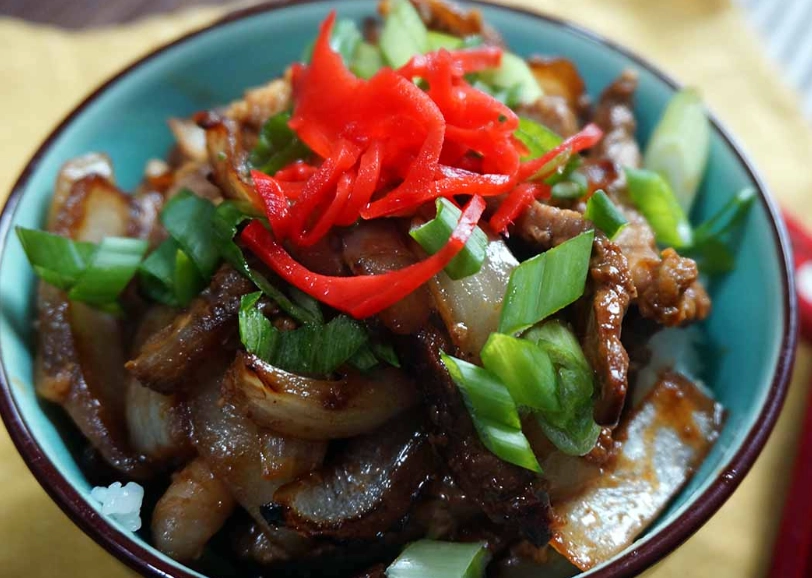
Your Japanese Cooking Questions, Answered
What can I use if I don't have mirin for Japanese recipes?
Can I make Japanese food without dashi stock?
Why is my homemade sushi rice always mushy or too hard?
How do I store cooked Japanese rice to keep it fresh?
Starting your journey into Japanese cooking is about embracing simplicity and quality ingredients. Master the rice, understand umami, and don't be afraid to use those instant dashi granules. The goal is delicious food that brings a bit of that Japanese comfort to your table, not a stressful culinary exam. For more authoritative information on Japanese ingredients, resources like the Japanese Ministry of Agriculture, Forestry and Fisheries (MAFF) website offer great cultural and production insights. Now, go wash that rice.
Reader Comments