That perfect bowl of ramen isn't magic. It's a precise, almost alchemical process that transforms simple ingredients into something with a uniquely springy bite, a rich yellow hue, and an ability to hold onto broth like nothing else. Forget the instant packets for a moment. We're talking about real, fresh ramen noodles—the kind that form the soul of the dish. Making them is less about following a single recipe and more about understanding a set of principles. Get those right, and you can create noodles that rival any shop.
What You'll Find in This Guide
The Four Pillars: Core Ingredients Explained
Every ramen noodle starts with just four things. But the devil, and the delight, is in the details.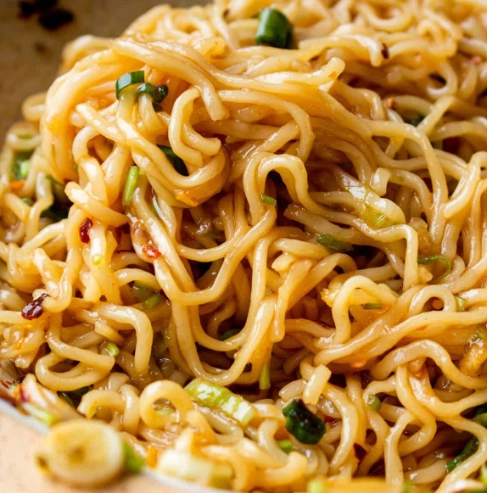
1. Flour: The Foundation
Not all wheat flour is created equal. For ramen, you need high-protein bread flour, usually with a protein content between 11-13%. This protein, mostly glutenin and gliadin, is what forms the strong gluten network that gives ramen its signature chew. All-purpose flour? It'll make a decent noodle, but it'll lack the muscular bite. Some artisanal makers in Japan blend in a small percentage of cake flour for tenderness, but that's advanced-level tweaking. Start with good, strong bread flour.
2. Water: The Hydration Agent
This isn't just water. The hydration level—the ratio of water to flour—is critical. It typically ranges from 32% to 38%. Lower hydration (drier dough) makes firmer, chewier noodles that stand up to heavy, rich broths like tonkotsu. Higher hydration yields a slightly softer, more porous noodle that absorbs lighter broths like shoyu beautifully. It's a balancing act.
3. Kansui: The Secret Weapon
This is the non-negotiable. Kansui is alkaline mineral water, and it's what makes a ramen noodle a ramen noodle. Traditionally, it contained potassium carbonate and sodium carbonate, derived from ash. Today, it's often a food-grade powder mix. What does it do?
- Color: It gives the noodles their distinctive yellowish tint.
- Texture: It tightens the gluten, making the noodles firmer and more elastic.
- Flavor: It imparts a slight, unique "eggy" or wheaty aroma and a subtle minerality.
- Surface: It makes the noodle surface slightly rough and porous, so it grips the broth.
You can approximate it at home with baked baking soda (sodium bicarbonate baked in the oven to convert it to sodium carbonate), but the flavor profile is a bit different. For authenticity, seek out powdered kansui online.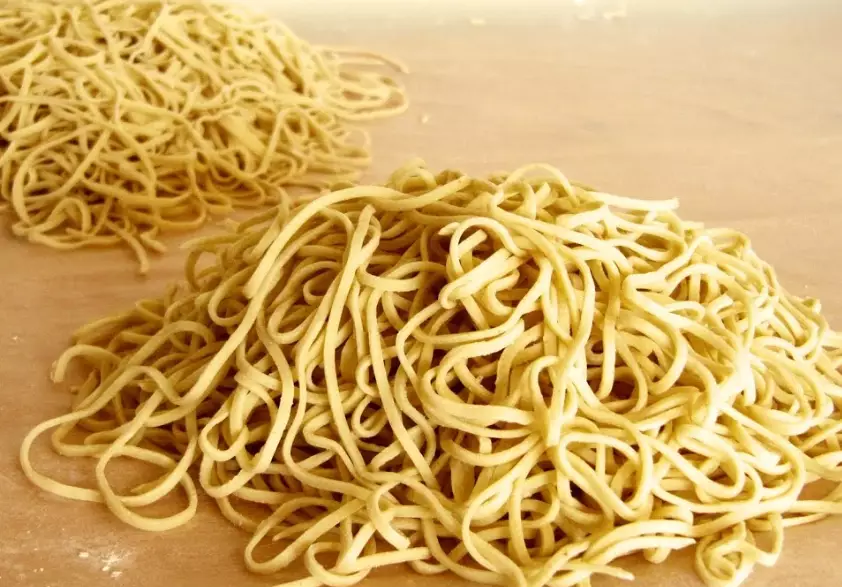
4. Salt: The Flavor Enhancer
Usually a small amount, dissolved in the water/kansui mixture. It strengthens the gluten slightly and seasons the noodle from within.
The Step-by-Step Process of Making Ramen Noodles
Here’s where theory meets the countertop. This isn't a quick pasta. It's a process of development and patience.
Step 1: Mixing and Kneading – Building the Gluten Network
Combine your dry ingredients (flour), then pour in your wet mixture (water, dissolved kansui, salt). Mix until a shaggy dough forms. Now, knead. And knead. And knead some more. We're talking 10-15 minutes by hand, until the dough is incredibly smooth and firm. You can use a stand mixer with a dough hook, but you lose the feel. The dough should be stiff—it will fight you. That's good. You're developing that crucial gluten strength. Under-kneading is the most common home cook error, leading to weak, crumbly noodles.
Step 2: Resting – Letting the Dough Relax
Wrap the tight, tense dough ball tightly in plastic wrap. Let it rest at room temperature for at least 30 minutes, ideally 1-2 hours. This allows the gluten strands to relax and the moisture to distribute evenly. Trying to roll it out immediately is a battle you will lose.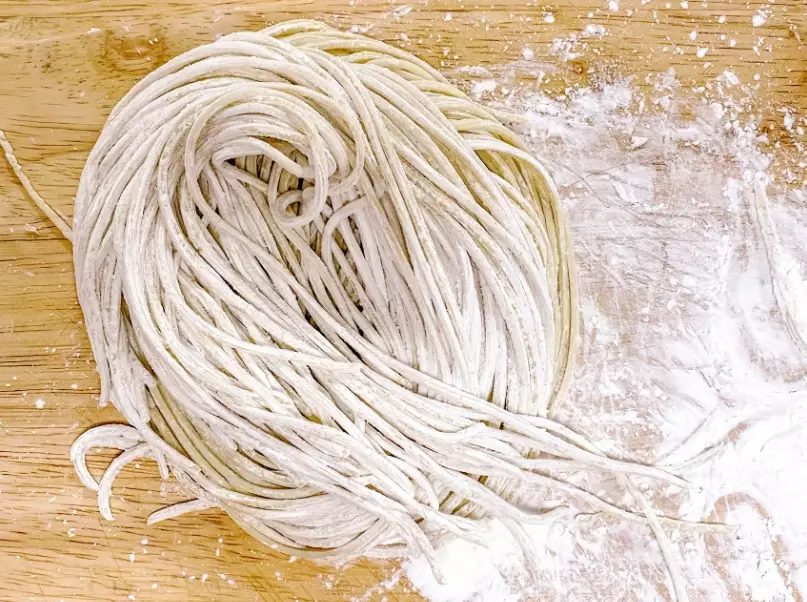
Step 3: Sheeting and Folding – Creating Layers
This is where a pasta roller becomes your best friend. Start on the widest setting. Flatten the dough ball slightly by hand, then run it through. Fold it into thirds, like a letter, and run it through again on the same setting. Repeat this folding and rolling 3-4 times. This lamination process aligns the gluten, creating a uniform, strong sheet and contributing to the final texture. Gradually decrease the roller settings, one notch at a time, until you reach your desired thickness—usually around 1.5 to 2 mm for standard ramen.
Step 4: Cutting – The Final Form
Dust the sheet lightly with cornstarch or potato starch (not flour, which can make the noodles gummy when cooked). Use the pasta cutter attachment for your desired width. Thick (futomen) for rich broths, thin (hosomen) for clear broths. Catch the noodles and coil them into portion-sized nests immediately.
Step 5: The Final Rest (or Cooking)
You have two options here. You can cook the noodles fresh immediately. They'll be excellent. But many ramenya (ramen shops) let the noodles rest, covered, in the refrigerator for 1-2 days. This allows them to dry slightly, firm up further, and develop flavor. It's a trick worth trying.
The Texture Trap: Common Mistakes and How to Avoid Them
Let's diagnose some common noodle fails.
| Problem | Likely Cause | The Fix |
|---|---|---|
| Noodles are too soft/mushy | Overcooking, or dough hydration too high. | Cook for 60-90 seconds max in rapidly boiling water. Reduce water in your dough by 1-2%. |
| Noodles are brittle/break easily | Under-kneading, or not enough resting time before rolling. | Knead until the dough is utterly smooth and pliable. Rest the dough for a full hour, minimum. |
| Noodles taste too alkaline/soapy | Too much kansui in the mix. | Measure kansui precisely. A good starting ratio is 1% of the flour weight (e.g., 2g for 200g flour). |
| Noodles are bland | No salt in the dough, or not enough salt in the cooking water. | Add salt to your dough water (about 1-2% of flour weight). Salt your boiling water like the sea. |
| Noodles stick together after cutting | Insufficient dusting with starch. | Use cornstarch or potato starch liberally when sheeting and coiling. |
Beyond the Basic: Exploring Ramen Noodle Variations
The basic formula is a canvas. Regional styles across Japan play with these variables.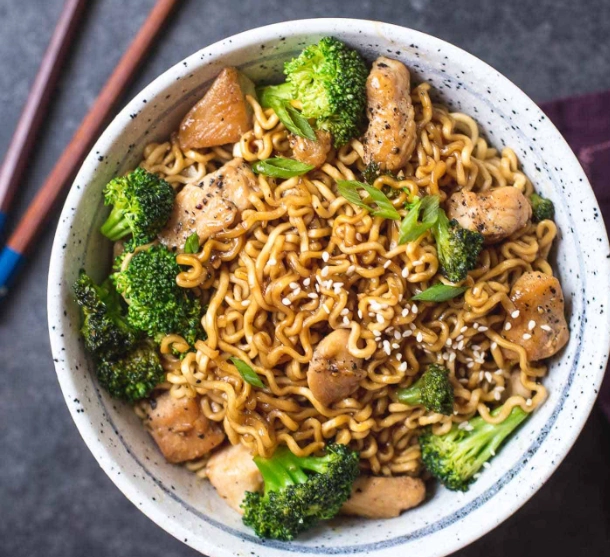
Sapporo-style Miso Ramen: Often features thicker, wavy, curly noodles. The waves trap the thick, hearty miso broth beautifully. This curl is achieved by pressing the cut noodles between boards or using specific cutting techniques.
Tokyo-style Shoyu Ramen: Typically uses straight, medium-thin noodles. They're elegant and designed for a clearer, soy-based broth.
Hakata-style Tonkotsu Ramen: Famous for its ultra-thin, hard noodles ("harigane" or barbed wire). They cook in under a minute and are meant to be eaten quickly, before they soften in the intensely rich, milky pork broth.
Whole Wheat or Alternative Grains: Some modern shops add rye, spelt, or whole wheat for nuttier flavor and different texture. It changes the hydration needs significantly.
Egg Addition: While not traditional in most Japanese ramen styles (the yellow comes from kansui), adding an egg yolk to the dough enriches the color and flavor, making it more like a rich Chinese-style egg noodle.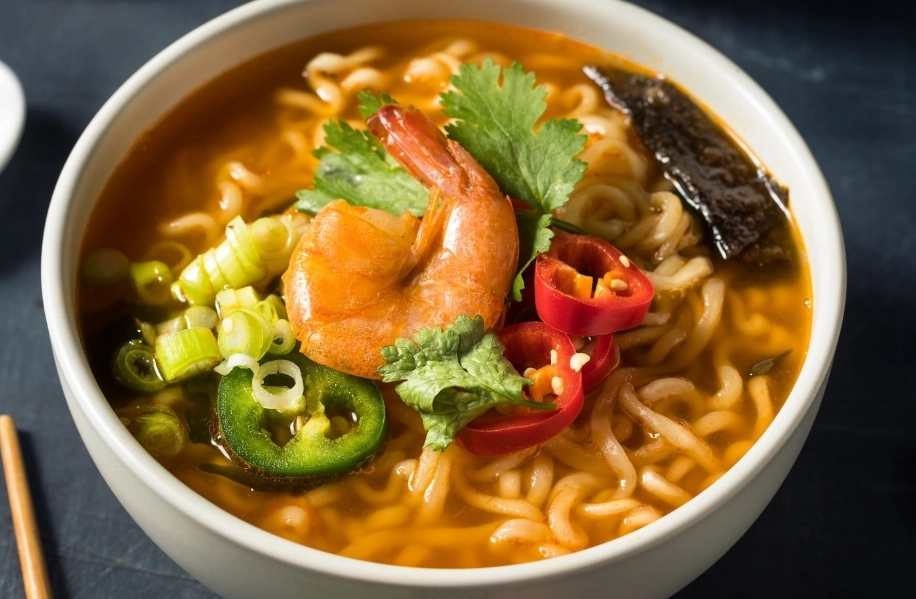
Your Ramen Noodle Questions, Answered
The journey from flour and water to a sublime bowl of ramen is one of patience and precision. It's about feeling the dough change under your hands, understanding how each variable affects the final slurp. Start with the basic formula, master it, and then start playing. Maybe you'll tweak the kansui for more bite, or the hydration for a softer noodle to match your signature broth. That's the real art. Now, go boil some water.
Reader Comments