Let's be honest. When you think of Japanese food, your mind probably jumps to intricate sushi rolls, steaming bowls of ramen with 20-hour broths, or delicate multi-course kaiseki meals. It feels... daunting. I felt the same way when I first tried to cook it at home. A trip to the Asian grocery store left me bewildered by bottles of mysterious sauces, and recipes called for ingredients I couldn't even pronounce. But here's the secret I learned after years of trial, error, and talking to Japanese home cooks: authentic Japanese home cooking is often incredibly simple, fast, and relies on a handful of core ingredients. The goal isn't perfection; it's delicious, comforting food you can make on a Tuesday night. This guide cuts through the complexity and gives you the real, easy recipes that Japanese families actually make.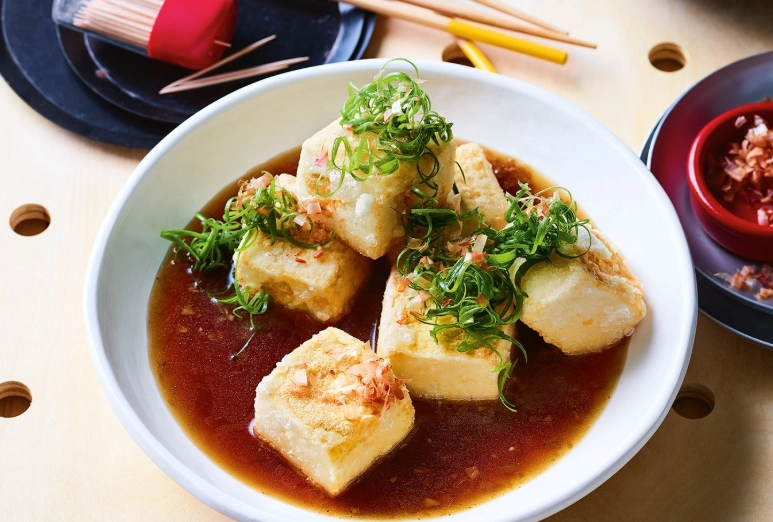
What's Cooking Tonight? Your Quick Guide
Why Japanese Cooking Seems Hard (And Why It Doesn't Have To Be)
We've all seen the polished TV shows. The chef with decades of experience slicing flawless sashimi. It creates a mental barrier. The biggest misconception is that you need specialized equipment and rare ingredients for every dish. You don't. Most Japanese weekday dinners are built around a protein, rice, miso soup, and maybe a small vegetable side—concepts familiar to any home cook. The magic is in a few key seasonings that do the heavy lifting. Once you have them, a world of simple japanese meals opens up.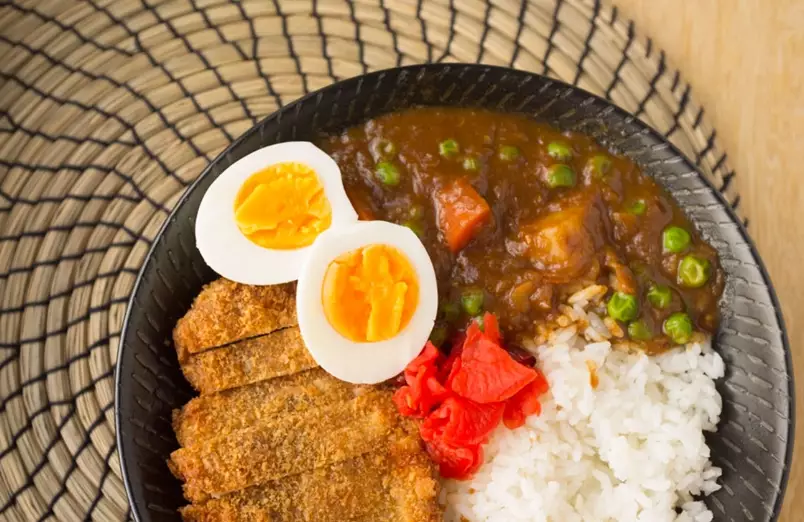
Your New Japanese Pantry: 5 Essential Staples
Forget buying out the store. Start with these five. They last forever in your fridge or pantry and are the backbone of 80% of easy japanese recipes.
- Soy Sauce (Koikuchi Shoyu): The all-purpose, dark kind. Don't overthink the brand for now.
- Mirin: Sweet rice wine. It's the secret to that glossy, balanced sweetness. If you're in a pinch, a tiny pinch of sugar mixed with a splash of water or white wine can be a rough substitute, but it's worth getting.
- Sake (Cooking Sake): Not the drinking kind (though you can use it). It tenderizes meat and adds depth. Dry sherry or a bit of white wine with a pinch of sugar works in a crisis.
- Dashi: The flavor foundation. You can buy instant dashi granules or packets—it's like Japanese bouillon. Just dissolve in hot water. This is a game-changer for soups and sauces.
- Miso Paste: Start with a mild, white or yellow miso (shiro miso). It's for soup, but also amazing as a quick marinade or sauce base.
With these, you're more equipped than you think. Let's cook.
3 Foolproof Japanese Recipes You Can Make Tonight
These aren't just "inspired by" recipes. They're the real deal, simplified for a Western kitchen without losing the soul. Each one focuses on a core technique and uses our pantry staples.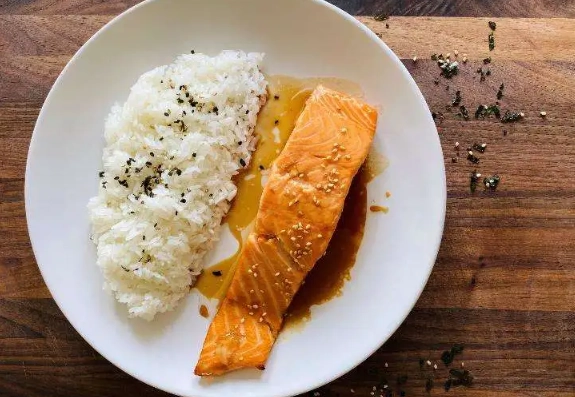
1. 15-Minute No-Fuss Chicken Teriyaki
Forget the sticky-sweet bottled stuff. Homemade teriyaki is just a balanced sauce that cooks with the chicken, creating a beautiful glaze. This is the ultimate japanese recipe for beginners.
- 2 boneless, skinless chicken thighs (more flavor than breast)
- 2 tbsp soy sauce
- 2 tbsp mirin
- 1 tbsp sake
- 1 tsp sugar
- 1 tsp neutral oil (like vegetable or canola)
- 1 tsp grated ginger (from a tube is fine!)
How to Make It: Pat the chicken dry. Heat the oil in a pan over medium. Cook the chicken for 5-6 minutes per side until browned and cooked through. Remove the chicken. In the same pan, quickly add the soy sauce, mirin, sake, sugar, and ginger. Let it bubble for 1-2 minutes until it thickens slightly into a syrup. Put the chicken back in, spoon the sauce over it until nicely coated. Slice and serve over rice. That's it.
My "Aha!" Moment: Don't crowd the pan with chicken. If you put too much in, it steams instead of browns, and you won't get those flavorful browned bits for the sauce. Do it in batches if you're cooking for a family.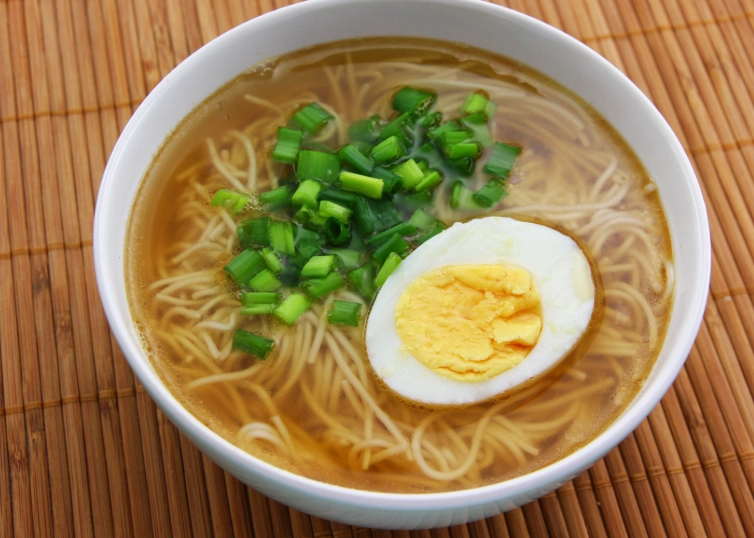
2. Real Miso Soup in 10 Minutes (Yes, Really)
Most recipes overcomplicate this. You don't need to make dashi from scratch every time. Instant dashi is the home cook's best friend and is completely authentic for weekday meals.
- 2 cups water
- 1 tsp instant dashi granules
- 1-2 tbsp white miso paste
- Handful of soft tofu, cubed
- 1 green onion, sliced
- A few pieces of wakame seaweed (optional, but great)
How to Make It: Heat the water in a pot until nearly boiling. Dissolve the dashi granules in it. Turn the heat down to low—you don't want a rolling boil now. In a small bowl, thin the miso paste with a few spoonfuls of the hot dashi until smooth. This prevents lumps. Add the tofu and wakame to the pot to warm through. Take the pot off the heat entirely. Stir in the dissolved miso. Never boil miso once it's added—it kills the beneficial enzymes and dulls the flavor. Sprinkle with green onion and serve immediately.
The Common Mistake: Plopping the miso directly into the boiling broth. You'll get grainy, bland soup. The off-heat, pre-dissolve step is non-negotiable.
3. Gyudon (Beef Bowl) – The Ultimate 20-Minute Comfort Food
This is Japan's answer to a quick beef stew over rice. Savory, slightly sweet, and deeply satisfying. You'll find versions of this at Japanese fast-food chains, but the homemade one is superior.
- 1/2 lb thinly sliced beef (look for "shabu-shabu" or "sukiyaki" cut at an Asian market, or partially freeze a steak and slice it paper-thin yourself)
- 1 onion, thinly sliced
- 1/2 cup dashi (made with 1/2 cup water + 1/4 tsp dashi granules)
- 3 tbsp soy sauce
- 2 tbsp mirin
- 1 tbsp sugar
- 2 servings of cooked rice
- Pickled red ginger (beni shoga) for topping (optional but classic)
How to Make It: Combine the dashi, soy sauce, mirin, and sugar in a bowl. In a wide pan or skillet, simmer the onions in this sauce for about 5 minutes until they start to soften. Spread the thinly sliced beef on top of the onions. Let it simmer for another 3-4 minutes, just until the beef is no longer pink. Gently break it up with your spoon. It cooks fast. Serve immediately over hot rice, topped with a bit of pickled ginger if you have it.
Ingredient Hack: Can't find thinly sliced beef? Use ground beef. Cook it first, drain excess fat, then add the onions and sauce. It's a different texture but just as delicious and fits the simple japanese meals ethos perfectly.
The Pro Move: Tips to Make Every Recipe Better
Here's something most beginner guides won't tell you: Your rice matters more than you think. For Japanese meals, you want a short or medium-grain rice (like Calrose or actual Japanese rice). It's stickier and clumps together, which is perfect for eating with chopsticks and soaking up sauces. Rinse it until the water runs mostly clear before cooking—it removes excess starch and keeps it from being gummy. A cheap rice cooker is a worthy investment if you plan to cook Japanese food regularly.
Other quick tips:
- Prep First (Mise en Place): Japanese cooking often comes together fast. Have all your ingredients measured and chopped before you turn on the stove.
- Taste as You Go: The balance of salty (soy), sweet (mirin), and umami (dashi) is personal. Adjust to your liking.
- Embrace the One-Pan/One-Pot Meal: Dishes like Gyudon or Teriyaki are designed to be complete over rice. Don't feel pressured to make multiple sides at first.
Reader Comments