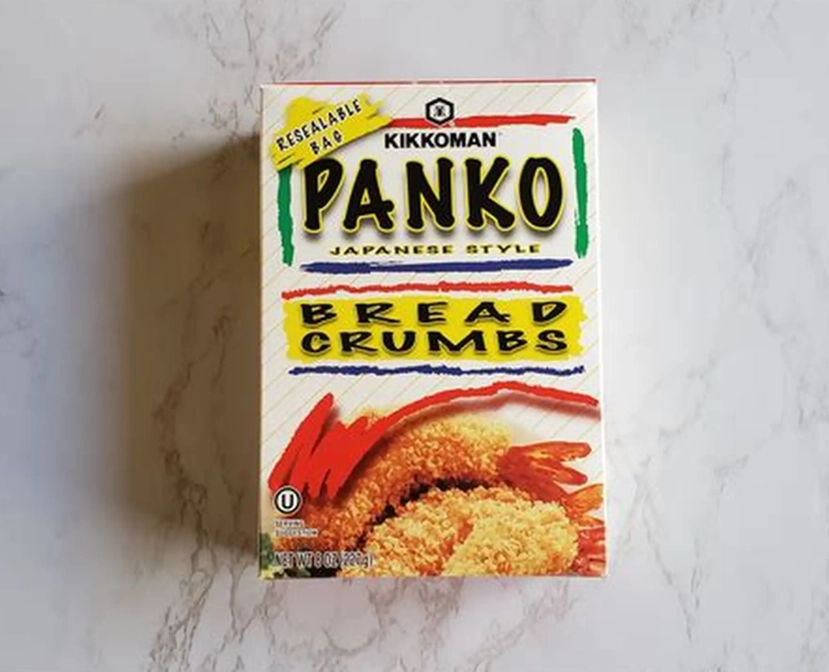
You’ve probably seen the bag on the shelf—"Japanese Style Bread Crumbs"—and maybe you’ve even bought it for a recipe. But if you’re just swapping it one-for-one with the fine, sandy breadcrumbs you grew up with, you’re missing the whole point. Panko isn't just a substitute; it's a different ingredient with a different purpose. I learned this the hard way years ago when my first attempt at chicken katsu resulted in a soggy, greasy mess that looked nothing like the crispy, golden cutlets I’d had in restaurants. The problem wasn't the panko itself, but how I was using it.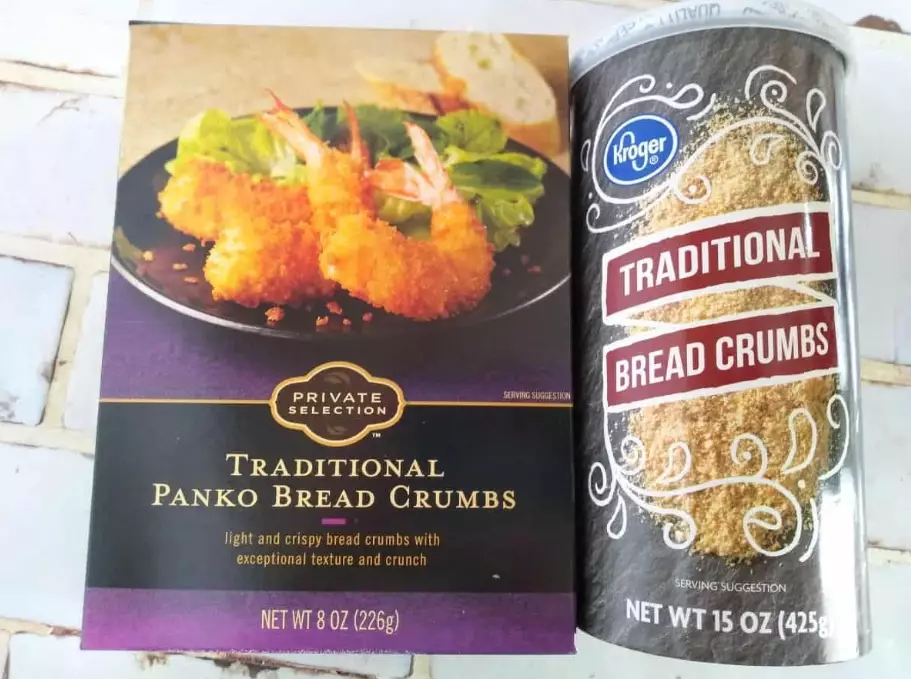
Your Panko Roadmap
What Exactly Is Panko? (It’s Not Just Crumbs)
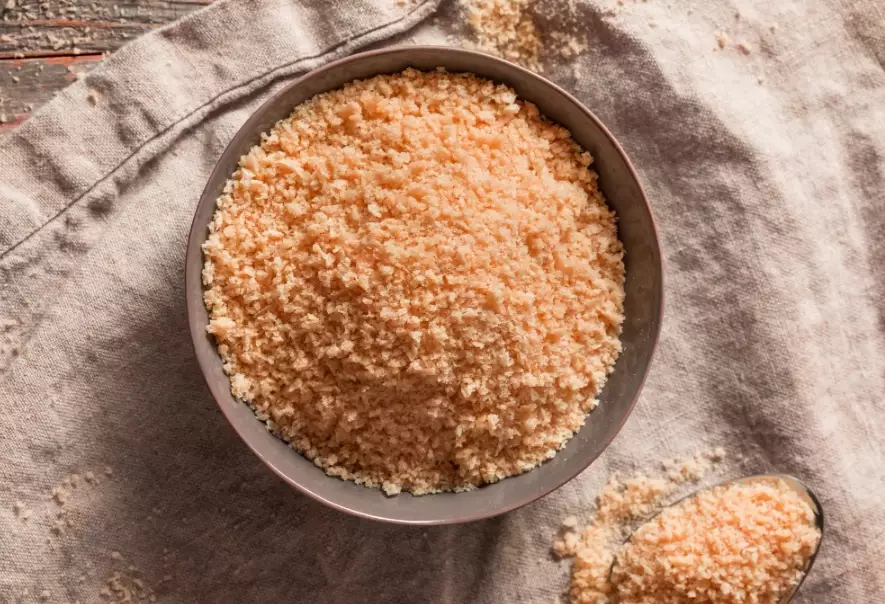
Panko (パン粉) translates directly to "bread powder" or "bread flakes." Its origin story is practical: post-World War II, bakers in Japan needed a way to use up bread crusts. They developed a process of grinding the crustless center of a special, crustless white bread into large, flaky shards. This isn't dried, stale bread ground up. Modern panko is made from dough electrically baked, resulting in a product with no crust, uniform texture, and very little oil absorption.
The key is the shape. While Western-style breadcrumbs are ground into fine, dense particles, panko is coarsely grated or processed into irregular flakes and slivers. These shards create millions of tiny edges and air pockets. When fried, these pockets crisp up while the air inside insulates the food, leading to a coating that is simultaneously shatteringly crisp and remarkably light. It’s this architecture, not just the bread itself, that defines panko. According to the Japan Food Product Overseas Promotion Center, this unique texture is what makes it a staple for dishes like tonkatsu (pork cutlet) and ebi fry (fried shrimp).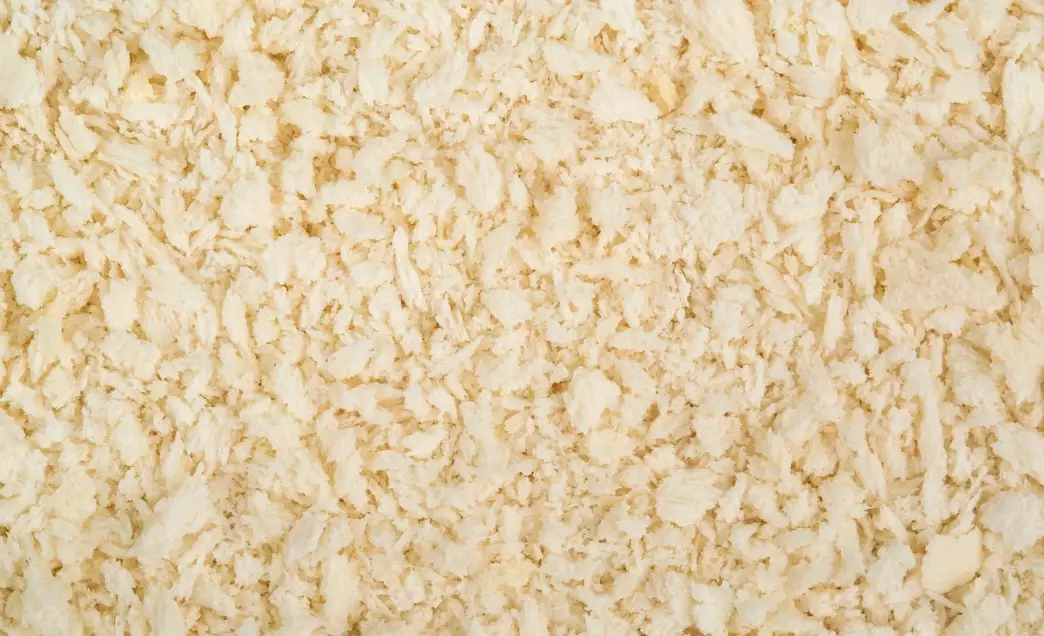
Fun Fact: True "white" panko is made from crustless bread. "Tan" or brown panko includes the crust, offering a slightly wheatier flavor and often a bit more crunch. Neither is inherently better—it's about preference and the dish you're making.
Panko vs. Regular Breadcrumbs: The Real Difference
Think of this as the difference between gravel and sand. Both come from rock, but they behave completely differently. Let's break it down so you know exactly when to reach for which bag.
| Characteristic | Japanese Panko | Regular / Italian Breadcrumbs |
|---|---|---|
| Texture & Shape | Large, flaky, shard-like, airy. | Fine, sandy, granular, dense. |
| Final Result | Extremely crispy, light, shattering crust with pronounced crunch. Stays crispier longer. | Finer, harder, more compact crust. Can become soggy faster. |
| Oil Absorption | Very low. Creates a less greasy final product. | Higher. Can lead to a heavier, oilier coating. |
| Color | Fries to a consistent, pale golden brown. | Fries to a deeper, often uneven brown. |
| Best Uses | Deep-frying (katsu, shrimp), air-frying, oven-baking for crunch, topping casseroles. | Breading for pan-frying (where a finer seal is needed), meatballs, meatloaf, binding mixtures. |
| Flavor Profile | Neutral, slightly sweet. Lets the seasoned food shine. | Often pre-seasoned (like Italian style). Can have its own herbal/garlic flavor. |
The takeaway? Use regular breadcrumbs when you want the crumbs to disappear into the food, acting as a binder or creating a thin, uniform seal. Use panko when you want the crumbs to be the star of the show, providing a distinct, audible, and textural layer.
How to Use Panko for Perfect Results Every Time
Getting that perfect, restaurant-quality crunch is a process, not a single step. Rushing it is the number one reason for failure. Here’s the method I’ve settled on after countless batches.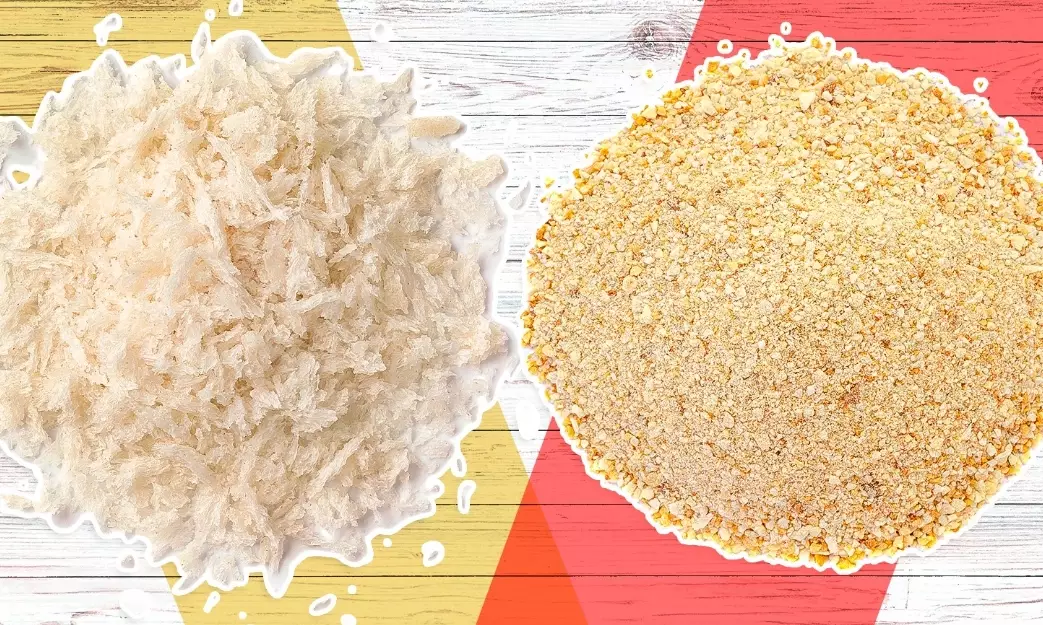
The Standard Breading Procedure (The Key to Adhesion)
This is non-negotiable for wet-battered foods like cutlets or fish fillets. You need three separate stations in shallow dishes:
- Station 1: Seasoned Flour. All-purpose flour, seasoned with salt and pepper. This initial dry layer helps the next wet layer stick.
- Station 2: Egg Wash. Whole eggs beaten, often with a tablespoon of water or milk. Some add a dash of Dijon mustard for flavor and extra binding power. This is the glue.
- Station 3: Panko. Plain, unseasoned panko in a wide dish. Press the egg-coated item firmly into the panko, then flip and press again. Don’t just sprinkle—you want a solid, even layer that adheres.
Let the breaded item rest on a rack for 5-10 minutes before frying. This lets the egg wash set, which dramatically reduces panko fallout in the oil.
Frying Temperature is Everything
If your oil isn't hot enough, the food will soak it up like a sponge before the coating sets. Too hot, and the panko burns before the inside cooks. Aim for 340°F to 360°F (170°C to 180°C). Use a thermometer. I don't bother without one anymore—guessing is a sure path to disappointment.
Pro Tip for Home Cooks: Don't overcrowd the pot. Adding too much food at once drops the oil temperature instantly, guaranteeing a greasy result. Fry in batches and let the oil recover heat between them.
Beyond Deep-Frying: Creative Uses for Panko
Panko’s utility stretches far beyond the deep fryer. Its ability to stay crisp makes it a versatile kitchen hero.
- The Air Fryer’s Best Friend: Panko is ideal for air frying. Toss it with a little oil (or use spray oil) before coating your protein. The air circulation crisps those flakes beautifully without the need for deep frying. Think air-fryer chicken tenders or fish sticks.
- Superior Casserole Topping: Mix panko with melted butter, grated Parmesan, and herbs. Sprinkle over mac and cheese, baked pasta, or gratins before baking. It creates a craggy, crunchy top that fine breadcrumbs can't match.
- Crispy Oven-Baked "Fried" Foods: For a healthier option, bread chicken or fish as usual, then place on a wire rack over a baking sheet. Spray or drizzle lightly with oil and bake at 400°F (200°C) until golden and cooked through. The rack allows hot air to circulate, preventing sogginess.
- Texture Booster: Mix a handful into crab cakes or salmon patties for incredible interior lightness and crunch.
The 3 Most Common Panko Mistakes (And How to Fix Them)
I’ve made all of these. Here’s what goes wrong and how to make it right.
1. The Coating Falls Off. This is almost always a skipping-the-flour-step problem or not pressing firmly enough. The flour-egg-panko sequence creates a mechanical bond. If you skip the flour, the egg slides right off the moist food. Press that panko on there like you mean it.
2. Soggy, Not Crispy. Oil temperature is the culprit 90% of the time. The other 10%? Not letting the breaded item rest before frying, or placing the finished item on a plate instead of a wire rack, where steam gets trapped and softens the bottom.
3. Burnt Coating, Raw Inside. Your oil is too hot, or you're using pieces that are too thick. For thicker cuts (like a pork chop), use the "double fry" method: fry at a slightly lower temp (320°F/160°C) to cook the inside, remove, let rest, then fry again at 360°F/180°C for 30-60 seconds to crisp up.
Your Panko Questions, Answered
 Why does my panko topping get soggy on a baked casserole after I take it out of the oven?
 Panko is one of those simple ingredients that, when understood, can completely transform your cooking. It’s not magic, just good food science and a bit of technique. Stop thinking of it as fancy breadcrumbs and start treating it as the unique textural tool it is. Your fried chicken, baked mac and cheese, and weeknight fish fillets will never be the same—in the best way possible.
Reader Comments