Let's talk about sesame seed dressing. You know the one. That creamy, nutty, slightly sweet and savory sauce that makes a simple bowl of greens taste like a restaurant-quality meal. Maybe you've bought a bottle from the store and been disappointed by a chemical aftertaste. Or perhaps you've tried making it at home, only to end up with a dressing that's too thick, too thin, or just missing that magic balance.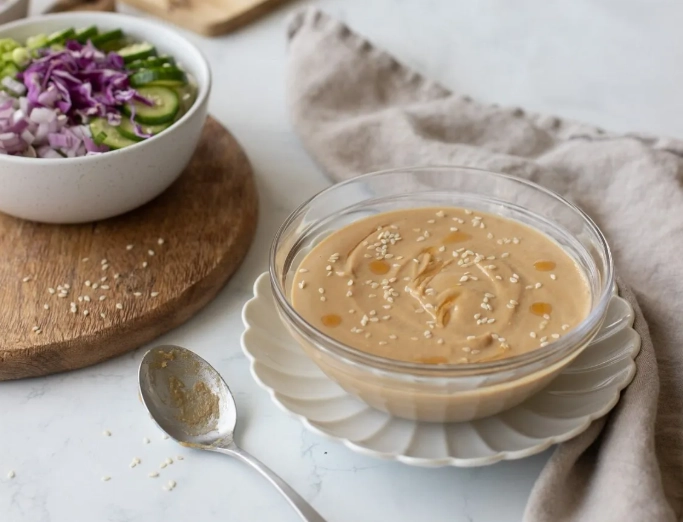
I've been there. After years of experimenting—and a few failed batches that ended up down the drain—I've cracked the code. This isn't just about mixing a few ingredients. It's about understanding the soul of the dressing, from the toast on the sesame seeds to the emulsification that gives it that luxurious texture. Whether you call it goma dare, sesame sauce, or just that amazing dressing from the Japanese steakhouse, this guide will help you make a version that's better than anything you can buy.
What's Inside This Guide?
How to Make Classic Sesame Seed Dressing: A Step-by-Step Guide
Forget vague instructions like "add some soy sauce." Precision matters here. The goal is a dressing that's creamy without dairy, rich without being heavy, and complex without being confusing.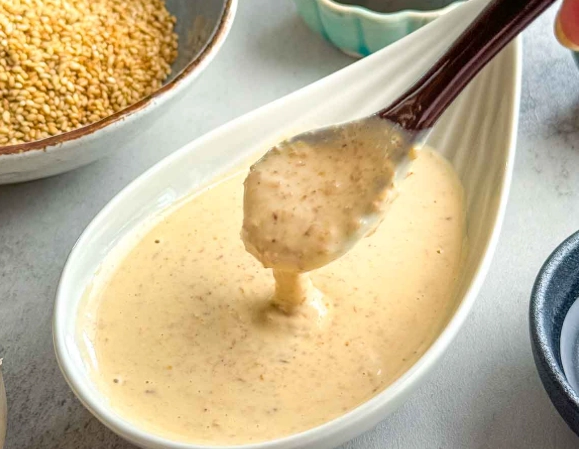
The Non-Negotiable Ingredients
Sesame Seeds (Toasted): This is the star. Pre-toasted seeds from the store are fine in a pinch, but toasting your own white sesame seeds in a dry pan until they're fragrant and golden brown unlocks a deeper, nuttier flavor. Black sesame seeds make a striking, slightly more bitter dressing.
The Liquid Base: This is where most home recipes go wrong. Using just water or vinegar will give you a separated, sad-looking dressing. You need an emulsifier. My go-to is Japanese mayonnaise (like Kewpie) or a neutral oil. Mayonnaise contains lecithin, which binds the water-based and oil-based ingredients together permanently. If you're avoiding eggs, a tablespoon of tahini (sesame seed paste) works as a great natural emulsifier.
The Flavor Amplifiers:
• Soy Sauce: For umami and salt. Use a light-colored usukuchi soy if you want to preserve the dressing's creamy color.
• Rice Vinegar: For brightness and acidity. It's milder than white wine or apple cider vinegar.
• Sweetener: A touch of sugar, mirin, or even a bit of honey balances the acidity and salt.
• Aromatics: A small knob of grated ginger or a minced garlic clove adds a wonderful background note. Don't overdo it.
My Go-To Ratio (The Golden Formula): For a perfect 1-cup batch, I use 1/3 cup toasted ground sesame seeds, 1/4 cup Japanese mayo (or neutral oil), 3 tbsp rice vinegar, 2 tbsp soy sauce, 1.5 tbsp sugar, and 2-3 tbsp water to adjust consistency. Blend until smooth. This ratio gives you control—want it tangier? Add vinegar. Sweeter? A bit more sugar. It's your dressing.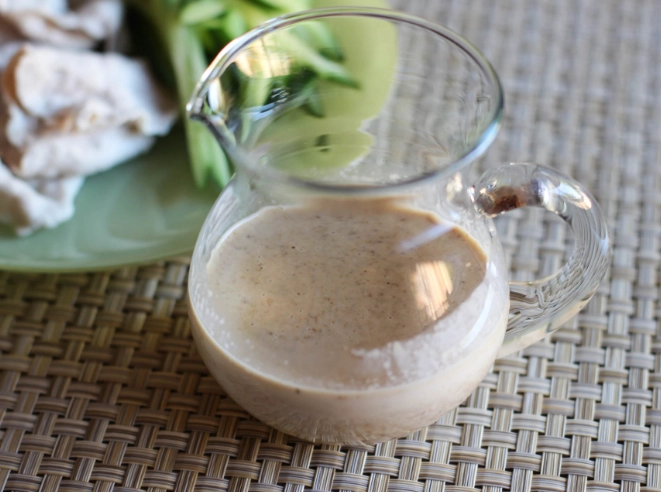
The Equipment That Makes a Difference
A mortar and pestle will give you the most authentic, slightly textured paste. But let's be real, a small food processor or a high-powered blender is faster and gets it incredibly smooth. If you're using a blender, add the liquids first to help the blades move, then add the seeds. Grinding the seeds first in a spice grinder before adding to a regular blender is a great hack.
The Texture Trap: Why Your Dressing Might Be Gritty or Separated
Here's the micro-mistake I see all the time: people don't grind their sesame seeds finely enough. You're not just mixing them in; you're trying to release their oils to create a paste. If you can still feel distinct seed fragments, you haven't gone far enough. Grind them until they start clumping together and look almost damp—that's the oil coming out.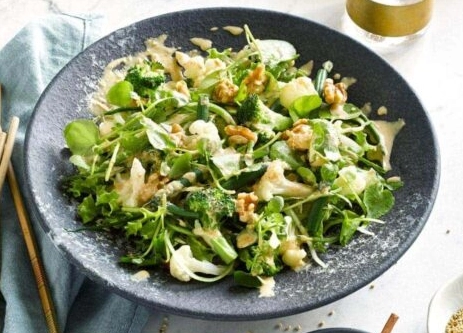
Separation is the other enemy. If your dressing looks curdled in the fridge, it's likely an emulsion break. This happens if you add water-based ingredients (like vinegar, soy) too quickly to the oil/seeds. The fix? Always start by making a thick paste with the ground seeds and your fat (mayonnaise/oil). Once that's a homogenous paste, slowly drizzle in the vinegar and soy sauce while the blender is running or while you're whisking vigorously. This slowly introduces the water-based elements, allowing the emulsion to form properly.
If it's already separated, just re-blend it. It'll come back together.
What Can You Use Sesame Seed Dressing For? (Think Bigger Than Lettuce)
Salad is the obvious start. It's phenomenal on a simple cucumber salad, a robust kale salad, or a classic spinach and mushroom situation. But limiting it to greens is like only using a smartphone for calls.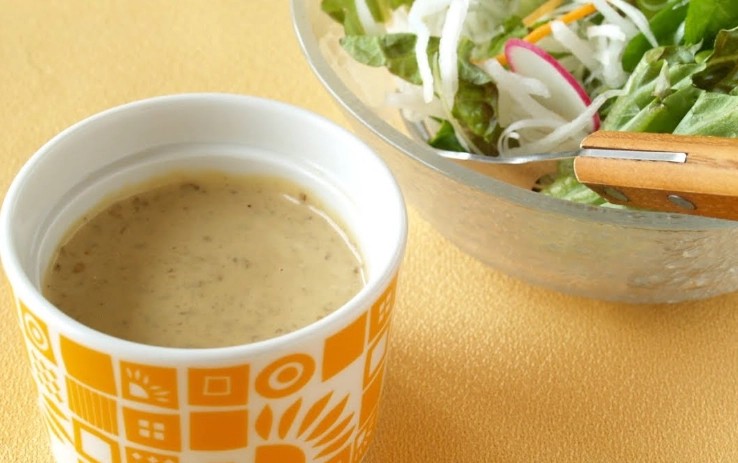
| Use Case | How-To & Pro Tip |
|---|---|
| Vegetable Dip or Sauce | Steamed broccoli, roasted sweet potatoes, or raw veggie sticks. Thin it slightly with water or yogurt for a dip. It beats ranch any day. |
| Noodle Sauce | Toss with cold soba or udon noodles, shredded chicken, and scallions for a quick Hiyashi Chuka (cold noodle salad). Add a splash of dashi or water to make it saucier. |
| Marinade | Its acidity and flavor penetrate beautifully. Marinate chicken thighs or firm tofu for 30 minutes before grilling or baking. |
| Sandwich/Burger Spread | Swap out mayo or mustard. Incredible on turkey burgers, veggie burgers, or in a wrap with grilled vegetables. |
| Drizzle for Grain Bowls | The ultimate binder for a bowl of brown rice, edamame, avocado, and pickled ginger. It ties all the elements together. |
I even use a thicker version as a condiment for grilled fish. It complements the oily richness of salmon or mackerel perfectly.
Is Sesame Seed Dressing Actually Healthy? Let's Look at the Facts
Homemade sesame dressing can be a healthy addition to your diet. The core ingredient, sesame seeds, are nutritional powerhouses. According to data from the USDA FoodData Central, sesame seeds are a good source of copper, manganese, magnesium, and calcium. They also contain sesamin and sesamolin, lignans with studied antioxidant properties.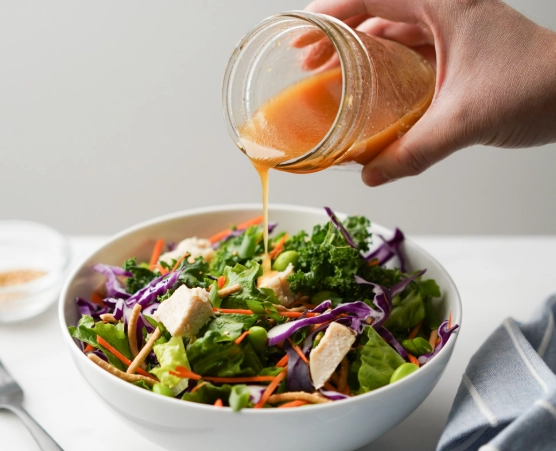
The health factor of your dressing hinges on your recipe choices.
The Good: When you make it yourself, you control the sugar and salt. You're using whole, minimally processed ingredients. The fats come primarily from sesame seeds, which contain polyunsaturated and monounsaturated fats.
The Watch-Outs: Store-bought versions are often the culprit. They can be high in added sugars, sodium, and preservatives like calcium disodium EDTA. They might also use cheaper oils (like soybean or canola) as the primary fat instead of sesame.
My advice? Make it yourself. You can easily reduce the sugar by 25% or use a natural alternative. You can opt for low-sodium soy sauce. You know exactly what's in it. Compared to a creamy blue cheese or ranch dressing, a homemade sesame seed dressing, used in moderation, is a far more nutrient-dense choice.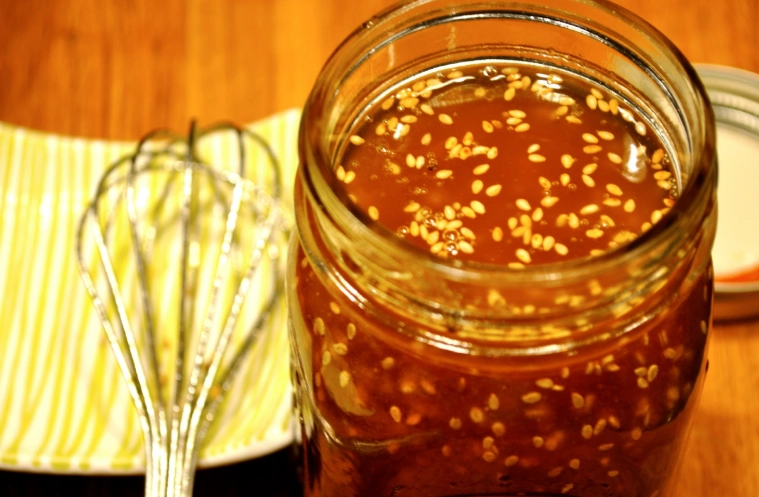
Your Sesame Dressing Questions, Answered
The beauty of sesame seed dressing is its flexibility. Once you have the basic technique down—toast, grind, emulsify—you can make it your own. Add a dash of chili oil for heat, some miso paste for deeper umami, or toasted nori flakes for a seafood note. Start with the classic, then play. Your salads, bowls, and dinners are about to get a major upgrade.
Reader Comments