I still remember my first real Japanese breakfast at a family-run ryokan in Kyoto. It wasn't in a hotel buffet line. It was brought to my room on a large tray, a symphony of small dishes that looked almost too beautiful to eat. That meal, more than any fancy sushi dinner, taught me what Japanese food culture is really about: balance, seasonality, and starting the day with intention. A typical Japanese breakfast, or asagohan, is a nutritional powerhouse and a ritual that sets the tone for the day. But let's be honest, when you see pictures of it online, it can look intimidatingly complex. Is it practical? Can you actually make it at home without spending all morning in the kitchen? Let's break it down, strip away the intimidation, and get to the heart of what makes this meal so special.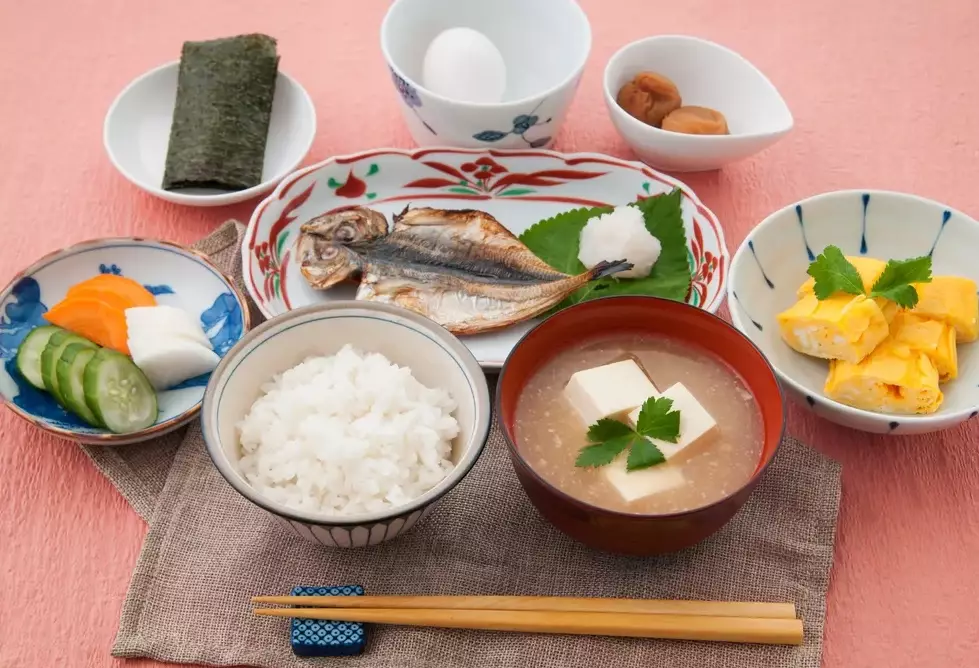
What's Inside This Guide
The 5 Non-Negotiable Components of a Japanese Breakfast
Forget the idea of one big plate. Think of it as a curated set. Each element has a purpose—flavor, texture, nutrition. Miss one, and the balance feels off.
| Component | What It Is | Its Role & A Common Mistake |
|---|---|---|
| Steamed Rice (Gohan) | Short-grain Japanese rice, perfectly steamed. Not sticky rice, not long-grain. | The foundation. It's meant to be eaten with the other dishes, not alone. The mistake? Using minute rice or wrong grain type. The texture is everything. |
| Miso Soup (Misoshiru) | A broth made with dashi (kelp & bonito stock) and dissolved miso paste. Contains tofu, wakame seaweed, green onion. | Provides warmth and umami. The mistake? Adding miso to boiling water. It kills the probiotics. Dissolve it off the heat. |
| Protein (Main Dish) | Grilled fish (like salmon or mackerel), tamagoyaki (rolled omelet), or sometimes natto (fermented soybeans). | The savory anchor. Salmon is most approachable for beginners. A common pitfall is over-grilling the fish until it's dry. |
| Side Dishes (Kobachi) | Small servings of pickles (tsukemono), seasoned vegetables (like spinach ohitashi), or a small salad. | Adds crunch, acidity, and color. They cleanse the palate. Don't skip them thinking they're garnish—they're essential for contrast. |
| Green Tea (Ryokucha) | Typically sencha or hojicha, served hot. | Finishes the meal, aids digestion. It's not a sweetened drink. Using a tea bag is perfectly fine for home cooks. |
You'll also often see nori (seaweed sheets) for wrapping rice, and maybe a small piece of fruit like a persimmon or a few grapes for a fresh finish. The presentation is part of the experience—using multiple small bowls and plates isn't just for show; it keeps flavors separate and distinct.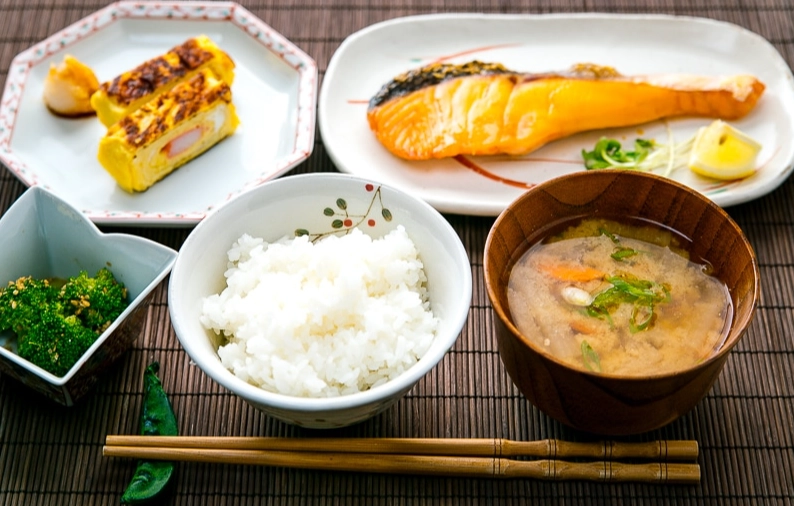
Why This Isn't Just "Asian Breakfast"
People often lump it with other East Asian morning meals. That's a misunderstanding.
Compare it to a full English breakfast. One is about frying and richness, the other is about steaming, grilling, and balance. The Japanese breakfast is savory, not sweet. It's light yet substantial, designed to energize without weighing you down. The philosophy is rooted in ichiju-sansai (一汁三菜)—"one soup, three dishes"—a principle of Washoku (traditional Japanese dietary culture) recognized by UNESCO as an intangible cultural heritage. This structure ensures a wide variety of nutrients and flavors in a single meal.
I've tried the Chinese congee breakfasts and the Korean rice and soup combinations. They're wonderful, but the Japanese version has a specific, restrained elegance. The flavors are cleaner, less spicy, and more focused on highlighting the inherent taste of each ingredient. The salt comes from miso and soy sauce, not from cured meats. The fat comes from fish oils, not butter or oil.
The One Ingredient You Can't Fake: Dashi
This is the soul of the meal, especially in the miso soup. Dashi is a stock made from kombu (kelp) and katsuobushi (dried bonito flakes). Using a bouillon cube or just water for your miso soup is the single biggest shortcut that will make your breakfast taste "off." It's like making French onion soup without caramelized onions. The good news? Instant dashi granules (look for hon-dashi) are a perfectly respectable cheat that every Japanese home cook uses. Get a bottle. It lasts forever.
Your Step-by-Step Guide to Making It at Home
Let's make a manageable version for a weekend. We'll aim for rice, miso soup with tofu and wakame, simple grilled salmon, and cucumber quick-pickles.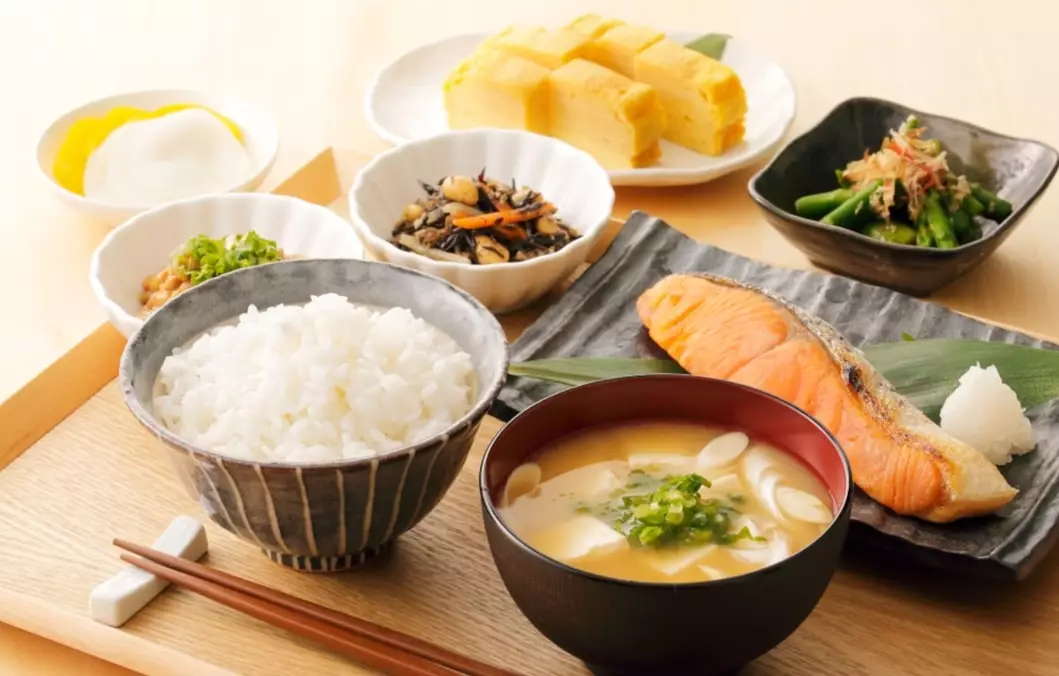
Pro-Tip from a Decade of Trial and Error: Don't try to cook everything to order in one morning. The secret Japanese home cooks know is preparation the night before. Wash and measure your rice into the pot. Make the pickle brine. Portion the miso soup ingredients (except the miso) into bowls. In the morning, you're just executing, not planning.
Step 1: The Rice (The Night Before)
Wash 1 cup of short-grain Japanese rice (like Koshihikari) until the water runs almost clear. Add it to your rice cooker with the appropriate water level (usually just under 1.5 cups). Set the timer so it finishes cooking just before you wake up. The smell of fresh rice is your alarm clock.
Step 2: The Quick Pickles (The Night Before)
Thinly slice half a cucumber. Toss with 1 tsp salt, massage, and let sit for 20 mins. Rinse and squeeze out water. Mix with 2 tbsp rice vinegar, 1 tsp sugar, and a pinch of red chili flakes. Refrigerate overnight. Done.
Step 3: Morning Assembly Line
1. Turn on your broiler or toaster oven. Pat a salmon fillet dry, sprinkle with salt, and broil for 8-10 minutes, skin-side up first.
2. While that cooks, heat 2 cups of water. Add 1 tsp instant dashi granules. Once simmering, turn off the heat. In a separate bowl, dissolve 1.5 tbsp of miso paste (red or white) with a few spoonfuls of the hot dashi, then stir it all back into the pot. Add a handful of rehydrated wakame and cubed soft tofu.
3. Your rice should be ready. Fluff it.
4. The salmon should be done. Plate it.
5. Get your pickles from the fridge.
6. Brew a pot of green tea.
That's it. In 15 focused minutes, you have a complete spread. The key is parallel processing, not doing things one after the other.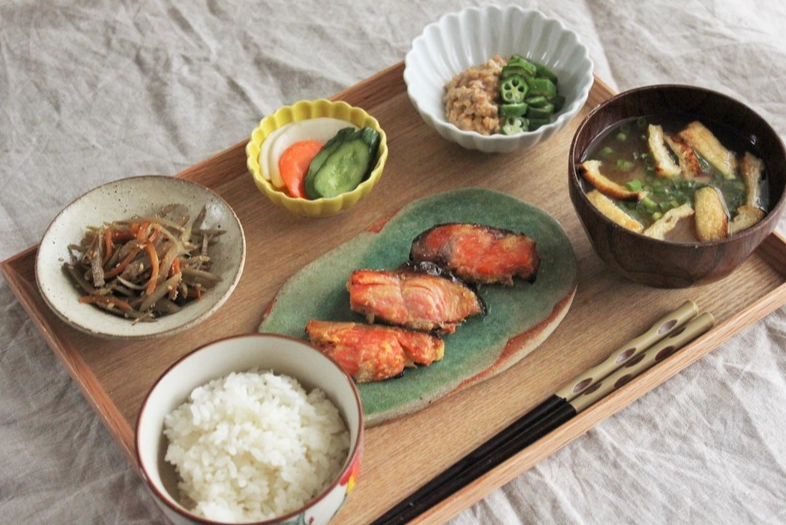
How to Simplify It for Busy Mornings (The Realistic Way)
A full spread every day isn't realistic for most people, me included. The principle, however, is adaptable.
Here’s my weekday hack: The Japanese Breakfast Bowl.
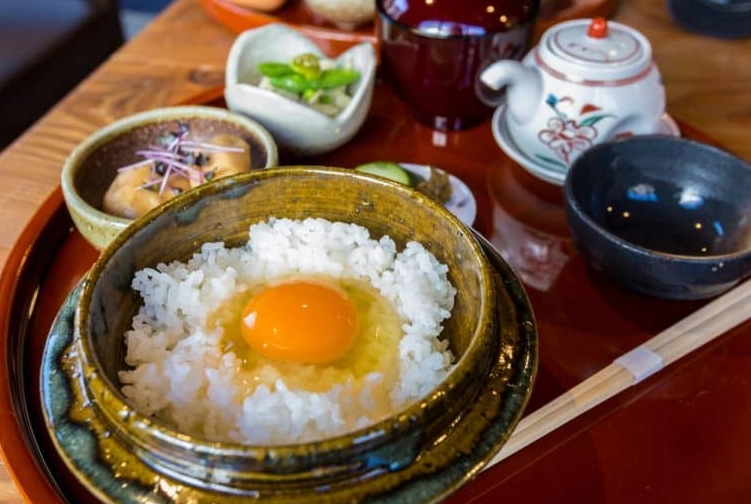
Take a bowl of leftover steamed rice (yes, leftover is fine, reheat it with a splash of water). Top it with a soft-boiled or sunny-side-up egg (a runny yolk acts as a sauce). Add a small handful of pre-made salad greens or microwaved frozen spinach. Sprinkle with everything bagel seasoning or furikake (Japanese rice seasoning). Have a mug of instant miso soup on the side (many authentic Japanese brands exist, like Marukome).
You've hit the core notes—rice, savory protein (egg), vegetable, and soup—in about 5 minutes. It's not traditional, but it honors the spirit. Another trick is to make a big batch of tamagoyaki on Sunday and slice it for weekday use.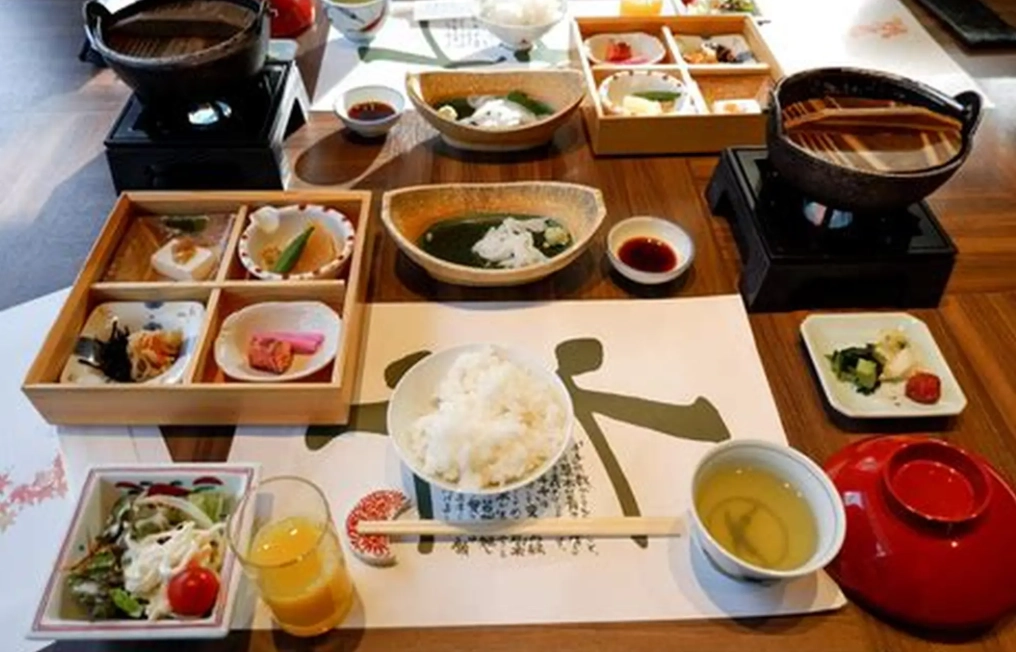
Answers to Your Burning Breakfast Questions
I made miso soup but it tastes bland and one-dimensional. What went wrong?
You almost certainly skipped the dashi or used a weak broth. Miso paste alone is salty and funky; it needs the subtle, oceanic sweetness of dashi to round it out. Also, the type of miso matters. White miso (shiro) is milder and sweeter. Red miso (aka) is stronger and saltier. Try a blend, and always add it off the heat to preserve its flavor.
Can I meal-prep a Japanese breakfast for the whole week?
You can prep components, but not the full, fresh meal. Rice freezes beautifully—portion cooked rice into single servings and freeze. Reheat from frozen in the microwave. Tamagoyaki keeps for 3 days in the fridge. Pickles last for weeks. Miso soup, however, should be made fresh daily. The miso itself ferments and changes flavor when boiled and stored. Prep your dashi and chop your tofu/wakame, but mix in the miso paste each morning.
What's a good fish alternative if I don't like salmon or mackerel?
The goal is a simple, lightly seasoned protein. Try:
- Shio-koji Chicken: Marinate chicken breast or thigh in shio-koji (a fermented seasoning) overnight, then pan-fry or bake. It's incredibly tender and savory.
- Tofu Steak: Pat firm tofu dry, pan-fry until golden on both sides, and finish with a drizzle of soy sauce and grated ginger.
- Canned Mackerel in Water: Drained and warmed up. It's a pantry staple in Japan and far more common in homes than the perfect grilled fish you see in photos.
Is a Japanese breakfast actually healthy, or is it too high in sodium?
It's overwhelmingly healthy—high in protein, fiber, omega-3s, and probiotics from fermented foods. The sodium question is valid. The salt comes from miso, soy sauce, and pickles. The trick is in the portion size. You're having a small bowl of soup (maybe 200ml) and a teaspoon of pickles, not a giant bowl of salty broth. The balance with plain rice, vegetables, and tea helps regulate intake. If you're sodium-sensitive, use a lower-sodium miso and light soy sauce, and go easy on the pickles.
 The typical Japanese breakfast is more than a meal; it's a mindset. It's about treating the first meal of the day with respect, nourishing your body with a variety of real foods, and finding a moment of calm before the day begins. You don't need a dozen fancy bowls or years of training. Start with a bowl of good rice, a simple soup, and one thing you like beside it. That's the real tradition—making it work for you.
Reader Comments