In This Article
Let's be honest. Sometimes you just need a bowl of something deeply satisfying, a little salty, a touch sweet, and utterly comforting. For me, that's almost always a plate of sizzling hot Yakisoba with egg. It's not fancy. It doesn't require a trip to a specialty store (usually). But when done right, it hits every single note you want in a quick meal.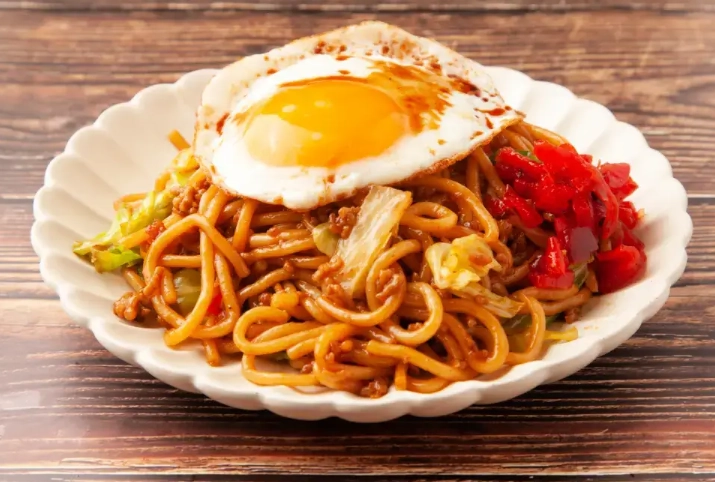
I remember the first time I had a truly great version. It was at a tiny stall in Osaka, the air thick with the smell of Worcestershire sauce and frying cabbage. The noodles had that perfect chew, the vegetables were crisp-tender, and the egg was scrambled in just right, creating little ribbons of creaminess throughout. I've been chasing that taste at home ever since.
And after more failed attempts than I care to admit—soggy noodles, bland sauce, rubbery eggs—I think I've finally nailed it. This isn't just a recipe. It's everything I wish I knew when I started, all the little tricks that turn a simple stir-fry into something you'll crave.
What You Actually Need (And What You Can Skip)
You'll see a million ingredient lists online. Some are purist, some are... creative. Here's my breakdown of what's essential, what's nice to have, and what you can absolutely swap out based on what's in your fridge. The goal is to get you cooking, not send you on a scavenger hunt.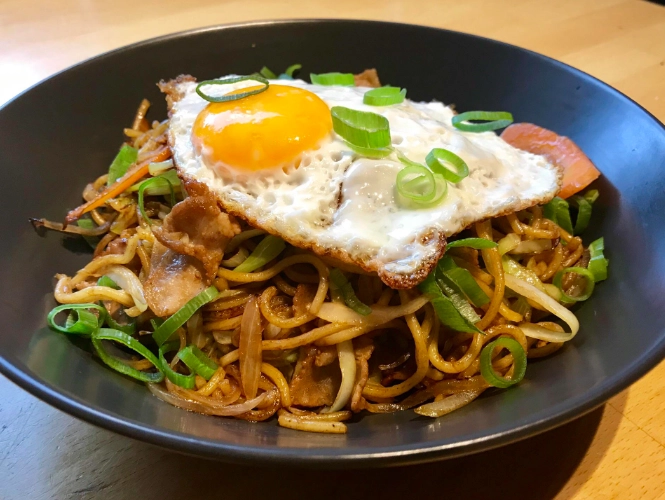
The Non-Negotiables
- The Noodles: This is the foundation. You want Chinese-style steamed noodles (chūkamen) or specifically labeled "yakisoba noodles." They often come in pre-portioned, par-cooked blocks in the refrigerated or frozen section of Asian markets. In a pinch, instant ramen noodles (sans the seasoning packet) can work, but the texture is different. Fresh ramen noodles are a great substitute. Don't use Italian pasta—it's a different wheat and won't absorb the sauce the same way.
- The Sauce Soul: The signature flavor comes from a blend of savory, sweet, and tangy. At a minimum, you need Worcestershire sauce (the Japanese kind, like Bulldog, is less vinegary and fruitier than Lea & Perrins) and oyster sauce. Ketchup and soy sauce round it out. This combo is non-negotiable for authentic taste.
- The Egg: Obviously. One or two large eggs per serving. That's what makes it yakisoba with egg and not just yakisoba. The egg acts as a binder, a sauce thickener, and adds a lovely richness.
- The Aromatics & Crunch: A good handful of thinly sliced cabbage (green or savoy) and a small onion (yellow or white). These provide the essential texture and sweetness that define the dish.
Now, for the "nice-to-haves" that elevate your yakisoba with egg from good to "wow."
- Protein: Thinly sliced pork belly or shoulder is traditional. Chicken thigh (cut into small pieces), shrimp, or even firm tofu work beautifully.
- More Veggies: Matchstick carrots add color and sweetness. Bell peppers (red or green) are fantastic. Bean sprouts add a great last-minute crunch. Don't overthink it—use what you have.
- Aonori & Beni Shoga: These are the classic garnishes. Aonori (dried green seaweed flakes) adds an oceanic umami. Beni shoga (red pickled ginger) gives a sharp, tangy contrast that cuts through the richness. You can find them online or at well-stocked Asian grocers.
- Japanese Mayo: A zigzag of Kewpie mayo on top is a game-changer for many people. It's creamier and tangier than American mayo. Try it once.
Here's a quick table to help you navigate noodle choices, because this is where most people get stuck.
| Noodle Type | Where to Find | Texture When Cooked | Best For |
|---|---|---|---|
| Pre-steamed Yakisoba Noodles (Chūkamen) | Refrigerated section of Asian markets | Springy, chewy, authentic | The purist's choice. Just separate and stir-fry. |
| Fresh Ramen Noodles | Same section as above | Very similar to yakisoba noodles | An excellent, readily available substitute. |
| Instant Ramen Noodles (blocks) | Any supermarket | Softer, less chewy | A quick fix. Boil briefly first, drain VERY well. |
| Dried Ramen or Chow Mein Noodles | International aisle | Can be good if cooked al dente | Requires careful boiling. Easy to overcook. |
The Step-by-Step: It's All About the Order
This is where the magic happens—or where it can go wrong. Stir-frying is fast. You need everything prepped and within arm's reach. I call it "mise en place panic," but it's necessary.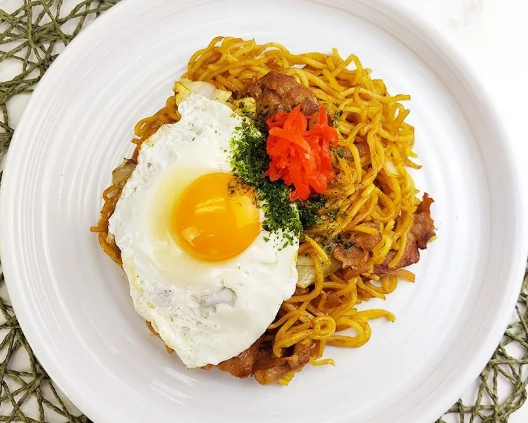
Step 1: The Sauce (Do This First)
Whisk this together in a small bowl and set it aside. No guessing or pouring bottles directly into the hot pan later.
- 2 tablespoons Japanese Worcestershire sauce
- 1 tablespoon oyster sauce
- 1 tablespoon ketchup
- 1 teaspoon soy sauce
- 1 teaspoon sugar or mirin (optional, for extra gloss)
That's your base. Taste it. Too tangy? Add a touch more ketchup. Too sweet? A dash more soy. Make it yours. This sauce ratio is my sweet spot after a lot of trial and error.
Step 2: Prep Everything Else
Thinly slice your cabbage and onion. Cut your carrots into matchsticks. Slice your protein thinly so it cooks fast. Separate your noodle blocks if they're stuck together. Crack your eggs into a separate bowl and beat lightly with a fork. Have your oil and a pair of tongs ready.
Step 3: The Stir-Fry Dance
Heat a large wok or skillet over high heat. Add a tablespoon of neutral oil (canola, vegetable).
First, cook your protein.
Add your pork or chicken. Spread it out and let it sear for a minute before stirring. Cook until just done, then remove to a plate. You'll add it back later. This prevents overcooking.
Then, the vegetables.
Add a bit more oil if needed. Toss in the onions and carrots first—they take a minute longer. Stir-fry for about 2 minutes until they start to soften. Then add the cabbage. Keep everything moving. You want some charred spots, but not mushy veggies. This should take 3-4 minutes total.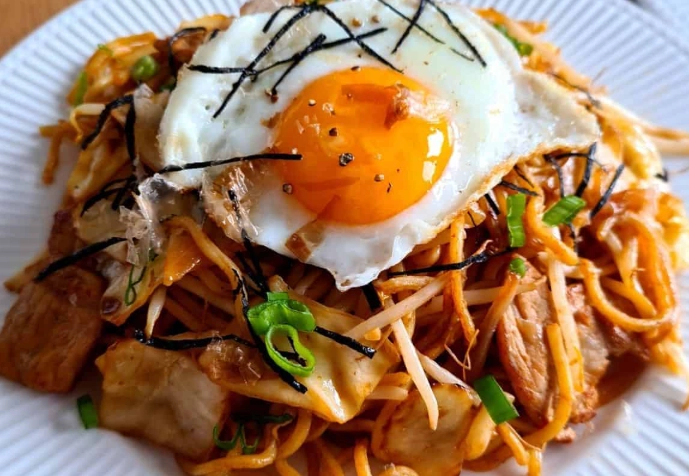
Now, the noodles.
Push the veggies to one side. Add your noodles to the cleared space. Let them sit for 30 seconds to get a slight sear on one side. This adds flavor. Then, toss everything together—veggies, noodles, and that cooked protein you set aside.
Step 4: The Grand Finale: Adding Egg and Sauce
This is the critical moment for your yakisoba with egg. You have two main schools of thought for the egg, and they create totally different textures.
- The Scramble-In Method (My Favorite): Push everything to the sides of the wok, creating a well in the center. Pour your beaten eggs into the well. Let them set for 10 seconds, then quickly scramble them with your spatula until they're about 80% cooked—still slightly wet. Now, immediately pour your pre-mixed sauce over the eggs and noodles. Toss everything furiously for 60-90 seconds. The residual heat finishes cooking the eggs, and they coat the noodles in a creamy, luscious layer. The sauce thickens and clings perfectly.
- The Fried Egg Topper: Cook the noodles and veggies with the sauce first, then plate it. Quickly fry a sunny-side-up egg in the same pan and slide it on top of the noodles. Break the yolk and let it run through. This is messier but incredibly decadent.
I almost always go with the scramble-in method. It integrates the egg into every bite and makes the dish feel more cohesive.
Give it one final toss, make sure everything is coated in that glossy, beautiful sauce, and get it off the heat immediately. Overcooking at this stage is a tragedy.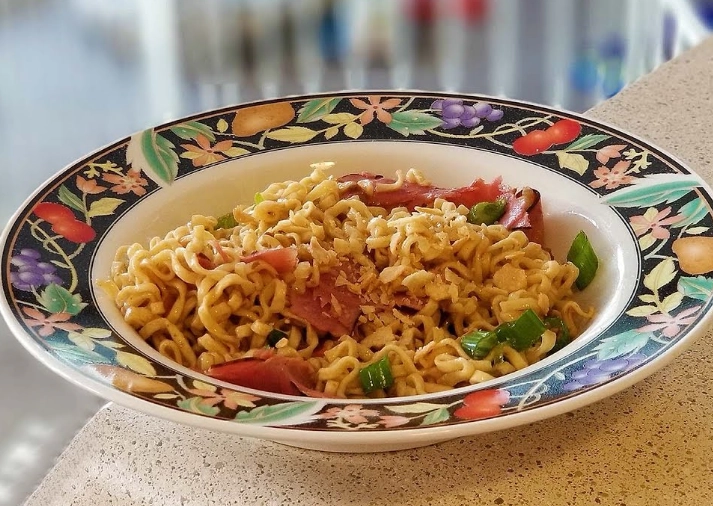
Why Does My Yakisoba Taste... Off?
We've all been there. The dish looks right but something's missing. Let's troubleshoot the common pitfalls.
Leveling Up: Tips From a Home Cook Who Cares Too Much
Once you've mastered the basic yakisoba with egg recipe, here's how to play with it and make it truly yours.
- The Umami Boost: Add a teaspoon of toasted sesame oil to the finished dish just before serving. Or sprinkle in some bonito flakes (katsuobushi) with the sauce—they'll almost melt into it. A little drizzle of chili oil (rayu) is my personal must-have for heat.
- Veggie Variations: Try sliced mushrooms (shiitake are amazing), baby corn, or even some chopped broccoli florets. Add tougher veggies like carrots first, softer ones like bean sprouts last.
- Leftover Magic: Yakisoba reheats okay, but the noodles soften. The best way? Heat a non-stick skillet with a tiny bit of oil and re-fry it, almost making a yakisoba pancake. It's fantastic.
- No Meat? No Problem. For a vegetarian yakisoba with egg, just skip the meat or use extra-firm tofu (pressed and cubed, pan-fried until golden). Use a vegetarian oyster sauce (mushroom-based) to keep it fully veggie.
And let's talk about the egg one more time. The type of egg integration defines the dish. Scrambled in for creaminess. Fried on top for decadence. You can even make a thin omelette, slice it into ribbons, and toss it in at the end. It's your kitchen.
Is It Actually Authentic? And Does That Matter?
This is a question I grappled with. Yakisoba is Japanese street food, a festival staple. The most authentic version uses specific noodles, specific sauce (often a pre-made yakisoba sauce), and is cooked on a giant teppan (iron griddle).
But here's my take, after reading way too much and even checking resources like the Japan National Tourism Organization's food guide for context: authenticity is a spirit, not just a prescription. The spirit is savory-sweet stir-fried noodles with cabbage, often served at outdoor events. Adding egg is a common and beloved variation, making it a more substantial meal.
Our homemade version, with careful attention to sauce balance and technique, captures that spirit perfectly. It might not be exactly what you'd get at a matsuri in Tokyo, but it's deeply delicious and rooted in the tradition. That's good enough for me on a Tuesday night.
So, that's it. My brain dump on one of my favorite foods. It seems simple, but the devil—and the delight—is in the details. Hot pan. Dry noodles. Pre-mixed sauce. Confident scrambling. Don't be afraid of a little char. And always, always taste as you go.
Now go heat up your wok. Your perfect plate of yakisoba with egg is waiting.
Reader Comments