In This Guide
- So, What Is a Kappa Maki Hand Roll, Really?
- The Anatomy of a Perfect Hand Roll
- Step-by-Step: Building Your Kappa Maki Hand Roll
- Why It's a Sushi Staple (Beyond Being Cheap)
- Common Variations & How to Level It Up
- Pairing & Serving: What to Eat and Drink With It
- Kappa Maki vs. The World: A Quick Comparison
- Frequently Asked Questions (Stuff You Actually Want to Know)
- A Note on Ingredients & Where to Find Them
- Final Thoughts: Give the Cucumber Roll a Chance
Let's be honest, when you think of sushi, a simple Kappa maki hand roll probably isn't the first thing that comes to mind. It's not draped with glistening salmon or topped with precious uni. It's humble. It's green. It's... cucumber. For years, I kinda skipped right past it on the menu, heading straight for the flashy stuff. That was until a chef in a tiny Tokyo shop handed me one, fresh off his board, with a look that said "you need to try this." And you know what? I was wrong. So wrong.
A perfectly made Kappa maki hand roll is a masterclass in simplicity. It's about texture, freshness, and balance. It's the sushi equivalent of a crisp, cold glass of water on a hot day—utterly refreshing and deceptively complex. If you've ever wondered why this roll even exists, or tried to make one at home only to have it fall apart, you're in the right place. This isn't just a recipe. It's a deep dive into everything about the cucumber roll, from its quirky name origin to the little tricks that turn good rice and veg into something special.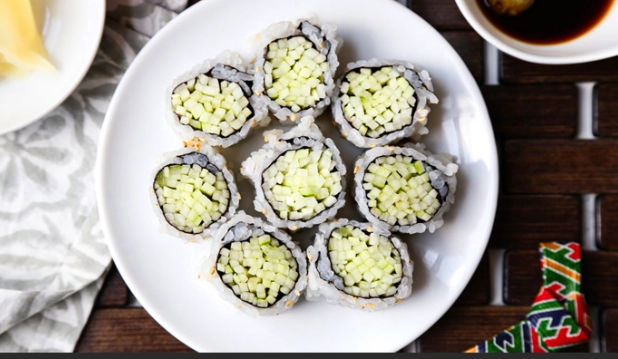
So, What Is a Kappa Maki Hand Roll, Really?
At its core, it's sushi rice and strips of Japanese cucumber rolled inside a sheet of nori (seaweed). The "hand roll" (temaki) part means it's cone-shaped, made to be eaten with your hands immediately, not a cut roll (hosomaki) you pick up with chopsticks. The "Kappa" part? That's the fun bit.
Legend has it the name comes from the Kappa, a mischievous water spirit from Japanese folklore that loves cucumbers. Some say offering a cucumber roll could appease one. Others say the green of the cucumber just reminded people of the creature. Either way, it stuck. It's one of the most fundamental, everyday sushi items in Japan. It's often the first roll kids eat, a palate-cleanser between richer fish, and a vegetarian staple.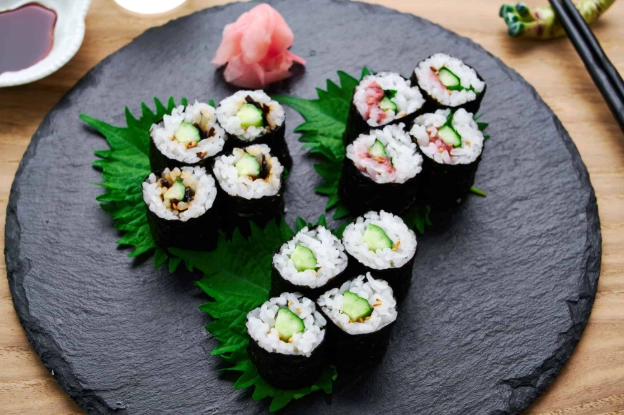
But here's the thing people often miss: its role as a benchmark. In many sushi-ya, the skill of the chef is judged not just on their toro, but on their simplest items. A great chef can make a Kappa maki hand roll that sings. The rice should be at perfect body temperature, seasoned just so. The cucumber should be crisp, cut to the right size so it provides a clean snap without being hard to bite through. The nori should be crisp, not leathery. It's a minimalist dish where there's nowhere to hide.
The Anatomy of a Perfect Hand Roll
Let's break it down piece by piece. Getting any one of these wrong can throw the whole thing off.
The Rice: The Heart of the Matter
This is where most home attempts stumble. It's not just cooked rice. It's sushi-meshi—rice seasoned with a mix of rice vinegar, sugar, and salt. The balance is personal, but it should be subtly sweet and tangy, not punch-you-in-the-face sour. The texture is crucial: each grain should be distinct, slightly sticky but not mushy. Using short-grain Japanese rice is non-negotiable. I've tried with other types, and it's just not the same—it falls apart or gets gluey.
The Nori: The Crisp Wrapper
Not all nori is created equal. You want yaki-nori, sheets that are toasted. They should be deep green, almost black, and snap crisply when bent. The cheaper, pale green sheets often taste fishy and get soggy instantly. For a hand roll sushi experience, the nori's crispness against the soft rice is a key part of the pleasure. Once you assemble it, you have about 60-90 seconds to eat it before the nori starts to wilt from the moisture of the rice. That's why they're made to order.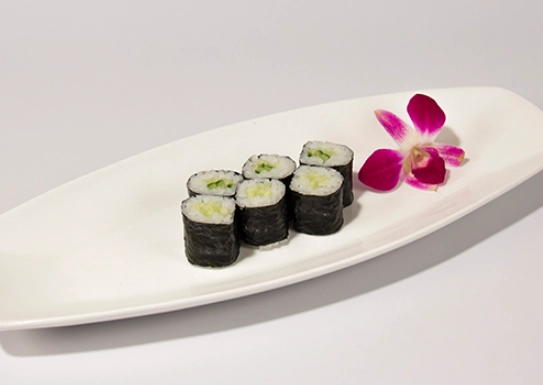
The Cucumber: The Star, Honestly
This seems obvious, but the choice matters. In Japan, they use kyūri—Japanese cucumbers. They're thinner, have fewer seeds, and a thinner skin that's less bitter. If you can find them, use them. English or Persian cucumbers are the next best thing—seedless and thin-skinned. Avoid the standard, waxy, thick-skinned supermarket cucumbers if you can; they have a big seed core and a tough skin that can be unpleasant.
Preparation is key. You usually cut them into long, thin batons. Some chefs scrape out the seeds even from seedless varieties for a more consistent texture. The skin is often left on for color and a bit of texture, but you can peel it partially in stripes if you prefer.
Step-by-Step: Building Your Kappa Maki Hand Roll
Forget the bamboo mat. For a temaki, it's all in the hands. Here's how it's done.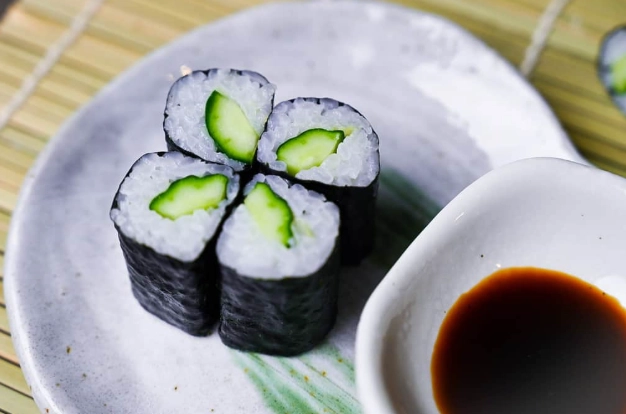
It feels awkward the first few times. You might overfill it or roll it too loose. That's okay. The beauty of a Kappa maki hand roll is its rustic, handmade charm. Even a slightly messy one tastes great.
Why It's a Sushi Staple (Beyond Being Cheap)
Its simplicity is its strength. In a traditional omakase meal, it often appears towards the end, before the tamago. Its purpose is multifaceted:
- Palate Cleanser: After a series of oily, rich fish like toro or mackerel, the clean, crisp cucumber sushi roll resets your taste buds.
- Texture Contrast: It provides a crucial crunchy, watery contrast to the soft, fatty fish courses.
- Vegetarian Anchor: It's a guaranteed vegan/vegetarian option in a cuisine often centered on seafood.
- Test of Skill: As mentioned, it shows off the chef's care with fundamentals.
Outside the high-end realm, it's just reliable, affordable, and satisfying. It's the sushi you can always count on.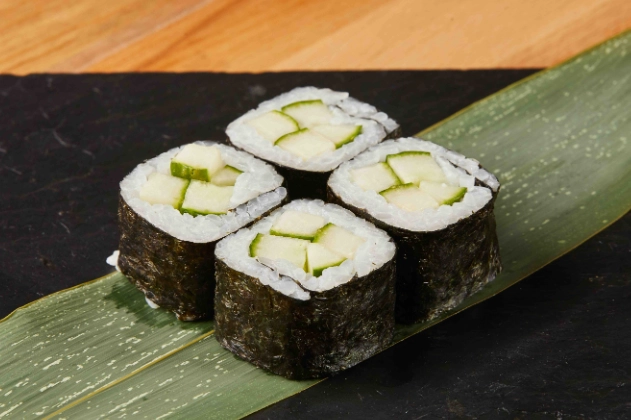
Common Variations & How to Level It Up
The basic version is perfect, but sometimes you want to play. Here are a few common tweaks:
- Kappa Kyūri Maki: Just specifies the use of Japanese cucumber. It's essentially the same thing.
- With a Hint of Shiso: Adding a leaf of green shiso (perilla) inside introduces a fantastic, minty-basil-citrus aroma that pairs amazingly with the cucumber.
- Spicy Kappa: A smear of spicy mayo (sriracha and mayo) on the rice before adding the cucumber. Not traditional, but popular.
- Ume-Shiso Kappa Maki: This is a game-changer. Add a small amount of umeboshi (pickled plum) paste and a shiso leaf. The intense salty-sour pop of the plum makes it incredibly refreshing. This is my personal favorite variation.
Pairing & Serving: What to Eat and Drink With It
A Kappa maki hand roll is versatile. It's great as a snack on its own, part of a larger sushi spread, or even as a light lunch with miso soup and a small salad.
With Drinks: Its clean profile makes it a fantastic companion for drinks.
- Sake: A crisp, dry junmai ginjo or a daiginjo works wonders. The rice notes in the sake echo the sushi rice.
- Green Tea: The classic pairing. The slight bitterness of sencha or the umami of matcha complements the subtle flavors.
- Beer: A light lager or pilsner is a no-brainer. The carbonation cuts through the rice.
- White Wine: A Sauvignon Blanc with its grassy notes or a bone-dry Riesling can be a surprisingly great match.
Kappa Maki vs. The World: A Quick Comparison
How does it stack up against other common simple rolls? Here's a quick look.
| Roll Name | Main Filling | Flavor Profile | Best For... |
|---|---|---|---|
| Kappa Maki | Cucumber | Clean, crisp, refreshing, subtle | Palate cleansing, vegetarians, light snack |
| Tekka Maki | Tuna | Rich, meaty, savory | Tuna lovers, a quick protein hit |
| Kanpyō Maki | Dried gourd strips | Sweet, savory, slightly chewy | A traditional sweet-savory contrast |
| Oshinko Maki | Pickled daikon radish | Tangy, crunchy, pungent | A bold, pickled flavor punch |
| Negitoro Maki | Minuted tuna belly & scallion | Ultra-rich, fatty, oniony | Indulgence, rich flavor |
See? It holds its own by being the ultimate refreshment option.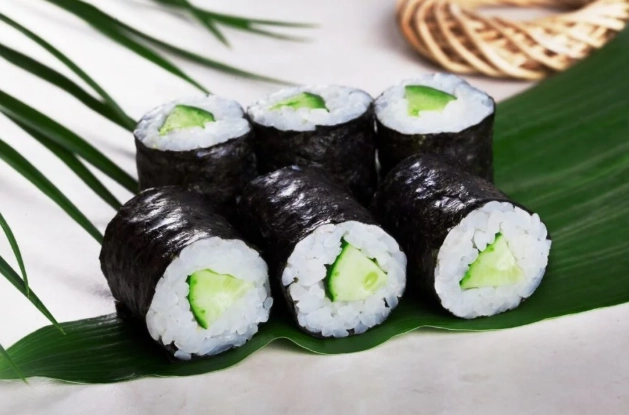
Frequently Asked Questions (Stuff You Actually Want to Know)
A Note on Ingredients & Where to Find Them
You don't need a specialty store, but it helps. Japanese short-grain rice (like Koshihikari or Calrose) is in most supermarkets now. Good nori might be in the international aisle, or definitely at an Asian grocery. Japanese cucumbers (kyūri) are the trickiest—check farmers' markets or high-end grocers. English cucumbers are a perfect substitute.
For truly delving into the techniques and history, I always find myself going back to resources from experts. For a deep understanding of sushi rice, the work of chefs like Kazuo Nagayama is often cited by culinary institutes. For the cultural context and traditional methods, publications from the Japan External Trade Organization (JETRO) on Japanese food culture provide valuable, verified background. They help ground the practical tips in real tradition.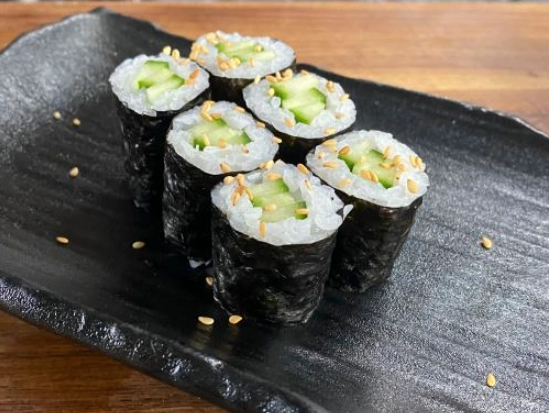
Final Thoughts: Give the Cucumber Roll a Chance
It's easy to overlook the Kappa maki hand roll. In a world of extravagant sushi topped with gold leaf and truffles, it asks for no attention. But that's its power. It's honest food. It's a reminder that great cooking is often about perfecting the basics, about the quality of a single vegetable and the texture of a grain of rice.
Next time you're at a sushi bar, order one. Pay attention to the temperature, the crunch, the balance. And if you're making sushi at home, start with it. Master the rice, master the roll. It's the foundation. Once you can make a truly excellent cucumber sushi roll, you've got the skills to build almost anything else on top of it.
And who knows? You might just make friends with a Kappa.
Just maybe don't leave one by the river as an offering unless you're feeling particularly folkloric.
Reader Comments