Let's talk about kasutera, also known as castella. You've probably seen it in Japanese bakeries or anime – that dense yet impossibly moist, golden-brown rectangular sponge cake. It looks simple, right? Just eggs, sugar, flour, and honey. I thought so too, until my first attempt came out dry, crumbly, and tasting more like sweet bread than the legendary confection from Nagasaki. After a decade of baking and more failed cakes than I care to admit, I've cracked the code. This isn't just another kasutera cake recipe list. This is the roadmap to avoiding the subtle mistakes that separate a good sponge from a truly transcendent one.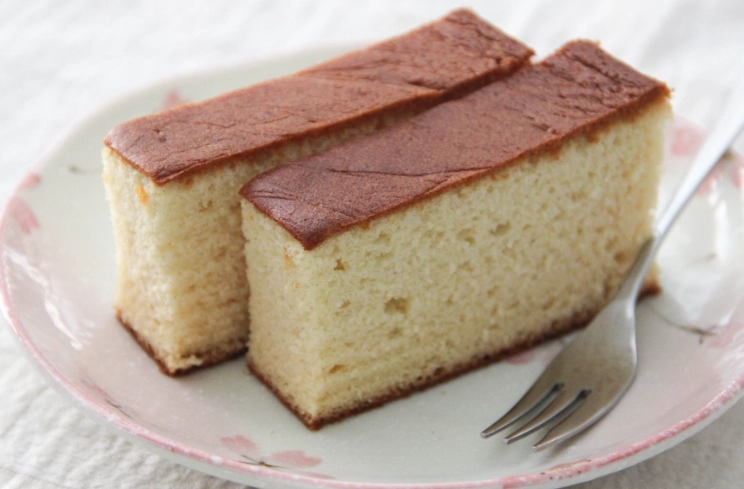
What's Inside This Guide?
What Exactly is Kasutera Cake?
Kasutera's story starts in the 16th century. Portuguese merchants brought a simple cake called "Pão de Castela" (Bread from Castile) to Nagasaki, Japan's only open port at the time. Japanese bakers, masters of refinement, took that concept and transformed it. They swapped the original's sometimes heavy ingredients for their own delicate staples: fine wheat flour, local honey (mitsubachi honey is prized), and a meticulous focus on technique. The result was a cake that was less oily, more fragrant, and had that signature fine, springy crumb. It became a specialty of Nagasaki, a symbol of cultural fusion. Today, shops like Fukusaya, established in 1624, still operate, guarding centuries-old recipes. You can learn more about Nagasaki's rich history as a trading port on the official Japan National Tourism Organization website.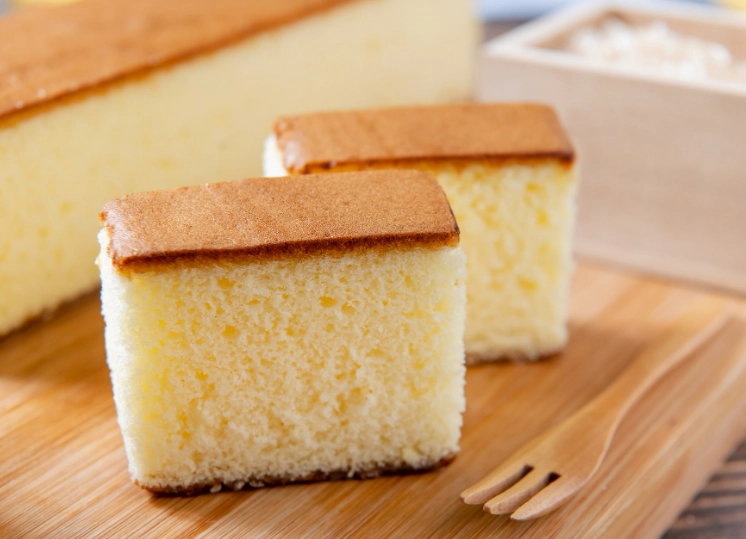
The magic of a perfect kasutera lies in its texture. It's not airy like a chiffon or buttery like a pound cake. It's dense, moist, and velvety, with a deep, caramelized sweetness from the honey that develops over a day or two. It should feel substantial yet melt on your tongue.
The Essential Ingredients for Authentic Kasutera
Here's where most online recipes gloss over the details. Using the wrong type of just one ingredient can throw the whole balance off.
| Ingredient | What to Use (The Right Way) | Why It Matters & Common Pitfall |
|---|---|---|
| Eggs | Large, room temperature eggs. Non-negotiable. | Cold eggs won't whip to the necessary high volume. The eggs provide all the leavening and structure. |
| Sugar | Fine granulated white sugar or caster sugar. | A subtle point: Don't use superfine "baker's sugar." Its crystals are too small and can dissolve too quickly during whipping, affecting the foam's stability. Regular granulated is perfect. |
| Honey | A mild, liquid honey. Acacia or clover are ideal. | Strong, dark honeys (like buckwheat) will overpower the delicate flavor. The honey adds moisture and that distinct kasutera aroma. Mizuame (starch syrup) is sometimes used in commercial recipes, but pure honey is best for home bakers. |
| Flour | Bread flour or all-purpose flour. Not cake flour. | This is the big one everyone gets wrong. Cake flour is too low in protein. You need the gluten strength from bread or AP flour to support the heavy egg foam and give the cake its characteristic chew. Sifting twice is mandatory. |
| Milk | Whole milk or water, warmed. | This is mixed with the honey to thin it, making it easier to fold in without deflating the batter. |
Step-by-Step Kasutera Cake Recipe
Grab a 9x5 inch loaf pan. Lining it is crucial: use parchment paper on the bottom and all sides. Don't grease the paper. The cake needs to cling to it as it climbs during baking.
The "Mizuame" Mixture and Prep
First, combine 2 tablespoons of honey with 1.5 tablespoons of warm milk or water. Stir until it's fully liquid. Set this aside. Now, separate 6 large eggs. You'll use all the yolks and all the whites – we're making a whole-egg sponge, which is key for that rich density. Let those eggs sit on the counter for a good hour. Seriously, walk away.
While waiting, sift 150g of bread flour (or all-purpose) with that tiny pinch of salt. Sift it once onto a piece of parchment, then lift the parchment and sift it again into a bowl. This aerates it like crazy.
The Critical Whipping Stage
Place the egg whites and yolks in a completely clean, grease-free bowl. Add 150g of granulated sugar. Start whipping on medium speed with a hand mixer or stand mixer. Most recipes say "whip until thick and pale." That's vague and dangerous. You need to whip for a full 8-10 minutes on medium-high speed until the mixture is very thick, falls off the beaters in a slow, wide ribbon that holds its shape on the surface for a few seconds. It should be almost marshmallow-fluff consistency. This long whipping time builds a stable foam that can hold the flour.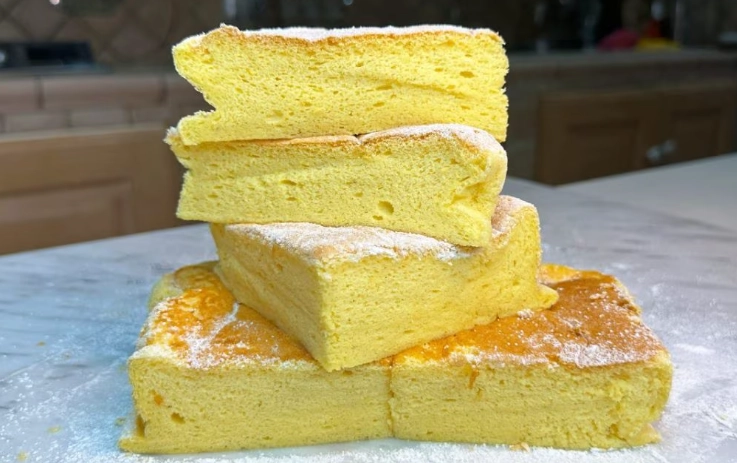
Folding, Not Stirring
Add about one-third of the sifted flour to the egg foam. Using a flexible silicone spatula, fold gently by cutting down the middle, scooping along the bottom, and folding over. Rotate the bowl. Repeat until the flour is mostly incorporated. Add half of the remaining flour, fold, then the last of the flour. The goal is to minimize deflation. It's okay if a few tiny streaks of flour remain.
Now, take about one cup of this batter and mix it thoroughly with the reserved honey-milk mixture in a separate small bowl. This tempers the liquid, making it easier to blend. Pour this thinned mixture back into the main batter and fold gently until just combined and no streaks remain. The batter will be thick, glossy, and luxurious.
Baking for the Perfect Crust
Pour the batter into your prepared pan. Tap the pan firmly on the counter 2-3 times to release large air bubbles. Smooth the top. Bake in a preheated 320°F (160°C) oven on the middle rack for 50-60 minutes. Do not open the oven door for the first 40 minutes. The cake is done when it's deeply golden brown, springs back when lightly touched, and a skewer inserted comes out clean.
Let it cool in the pan for 5 minutes, then use the parchment paper to lift it out onto a wire rack. While still warm, wrap it tightly in plastic wrap. This traps steam and keeps the crust soft, allowing the flavors to meld. For the best taste, wait at least 6 hours, preferably overnight, before slicing with a serrated knife.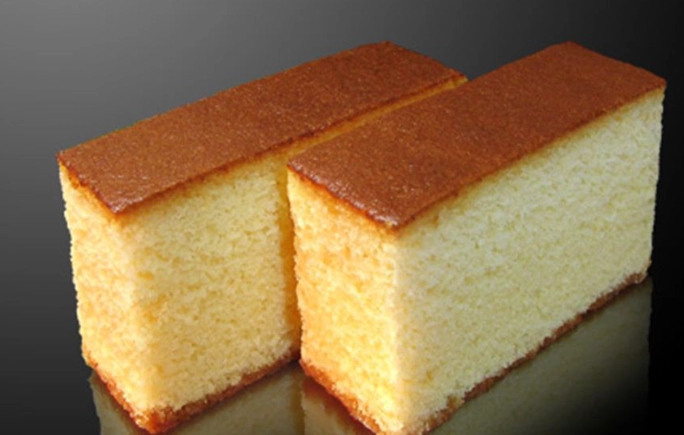
Why Did My Kasutera Cake Sink or Crack?
Let's troubleshoot. If your cake sank in the middle, the egg foam wasn't stable enough (undermixed) or you deflated it while folding (overmixed). A cracked top usually means the oven was too hot, causing the outside to set before the inside finished rising. A dry texture? You likely overbaked it or used too much flour. Remember, kasutera continues to cook from residual heat after it's out of the oven.
The most common, silent failure is a coarse, bready crumb. This almost always traces back to using low-protein flour (like cake flour) or not sifting. The flour can't support the structure, so it collapses into larger, irregular holes.
Your Kasutera Questions, Answered
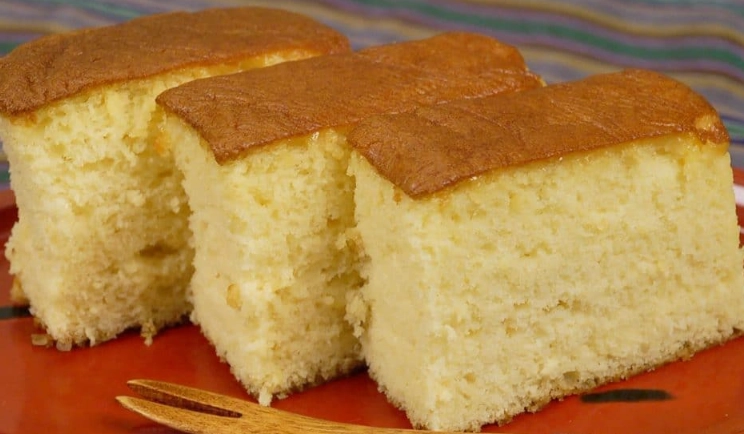
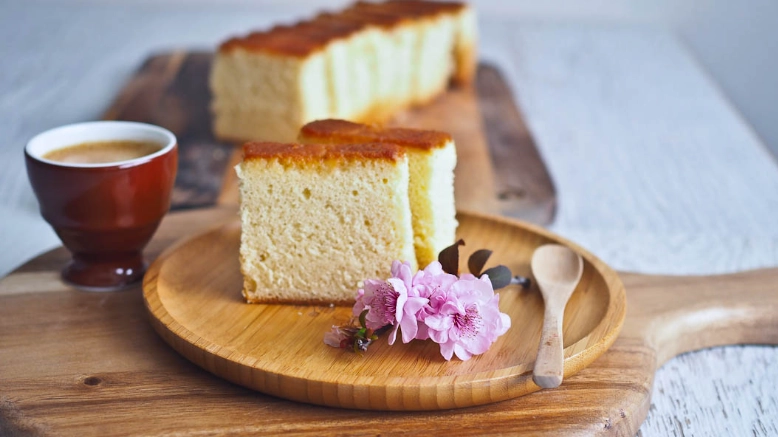
Making kasutera is a lesson in patience and precision. It rewards attention to detail. When you finally slice into a loaf you made, see that fine, even yellow crumb, and taste that deep, honeyed sweetness with just the right chew, you'll understand why this simple cake has been cherished for centuries. It's not just dessert; it's a edible piece of history. Give this recipe a try, take your time with each step, and don't get discouraged by a first attempt that's less than perfect. Even my tenth cake was better than my first. Happy baking.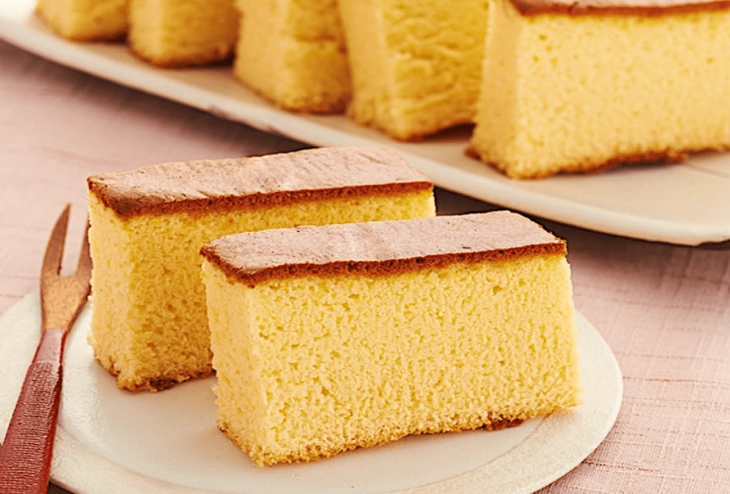
Reader Comments