Jump to What Matters Most
Let's talk about oyakodon. If you've ever wandered into a Japanese restaurant and seen "chicken and egg bowl" on the menu, that's it. But calling it just that is like saying pizza is bread with cheese—it misses the point entirely. Oyakodon is warmth in a bowl, a quick meal that feels like a hug. I remember my first time trying it in a tiny Tokyo alleyway joint; the steam rising, the eggs just set, the chicken tender. I've been hooked ever since.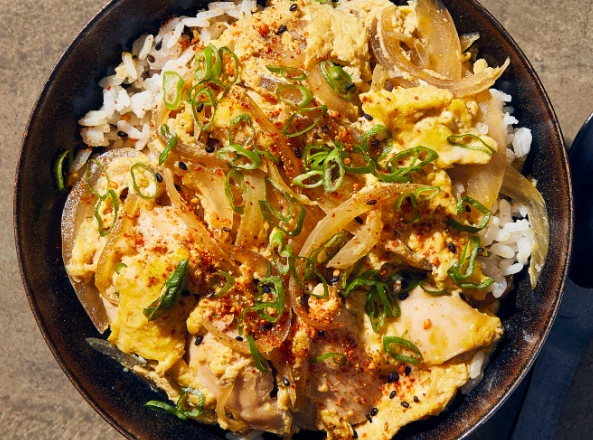
This guide isn't just a recipe list. I've spent years eating and cooking this dish, from home kitchens to renowned spots across Japan. I'll share what most blogs gloss over—the subtle tricks, the places that get it right, and why your homemade version might taste off. We'll cover everything from history to where to grab a bowl tonight in Tokyo.
What is Oyakodon? A Quick Dive into Its Roots
Oyakodon translates to "parent-and-child donburi," referring to the chicken (parent) and egg (child) combo served over rice. It originated in the late 19th century during the Meiji era, likely in Tokyo. The story goes that a restaurant owner improvised with leftover chicken and eggs, simmering them in a sweet-savory dashi sauce. It caught on because it's cheap, filling, and cooks fast—perfect for busy workers.
Today, it's a staple in Japanese teishoku (set meal) shops and home cooking. But here's something most people don't realize: the name isn't just cute wordplay. It reflects a cultural appreciation for simplicity and resourcefulness. Unlike fancier dishes, oyakodon is everyday food, which is why getting it right matters so much.
The Ingredients That Make or Break Your Oyakodon
You can't skimp here. I've seen recipes call for chicken broth instead of dashi, and it never tastes authentic. Let's break it down.
Chicken: Use boneless, skinless chicken thighs. Thighs have more fat than breasts, so they stay juicy when simmered. Breast meat turns rubbery—trust me, I learned the hard way. Slice them into bite-sized pieces, about 1-inch thick.
Eggs: Fresh eggs are non-negotiable. They should be at room temperature to cook evenly. Beat them lightly; overbeating makes the texture too uniform. Some chefs add a splash of mirin to the eggs for extra flavor, but that's optional.
Dashi: This is the backbone. Dashi is Japanese stock made from kombu (kelp) and katsuobushi (dried bonito flakes). You can make it from scratch or use instant dashi powder. Avoid substituting with chicken broth—it lacks the umami depth. If you're in a pinch, use half broth and half water with a dash of soy sauce, but it won't be the same.
Sauce Components: Soy sauce, mirin (sweet rice wine), and sugar. The ratio is key: too much sugar and it's cloying; too little and it's bland. A common ratio is 1:1:1 for soy sauce, mirin, and dashi, with a teaspoon of sugar per serving. Adjust to taste.
Extras: Thinly sliced onions add sweetness. Mitsuba (Japanese parsley) or green onions for garnish. Serve over short-grain Japanese rice—don't use long-grain; it doesn't soak up the sauce well.
How to Cook Oyakodon at Home: A Foolproof Step-by-Step Guide
I'll walk you through my method, refined after many trials. This makes one generous bowl.
Prep Work: Get Everything Ready
Slice 150g of chicken thigh. Thinly slice half a medium onion. Beat two eggs in a bowl—leave some streaks of white and yolk for texture. Measure out 100ml dashi, 1 tbsp soy sauce, 1 tbsp mirin, and 1 tsp sugar. Have a lid ready for your pan.
Cooking Process: The Simmer That Matters
Use a small frying pan or donburi pan if you have one. Heat the dashi, soy sauce, mirin, and sugar over medium heat until simmering. Add the onions and cook for 2 minutes until they start to soften. Add the chicken pieces in a single layer—don't crowd them. Let it simmer for 3-4 minutes until the chicken is mostly cooked through.
Here's where beginners mess up: pouring the eggs all at once. Instead, pour the beaten eggs evenly over the chicken and onions. Immediately cover with a lid. Cook for 1-2 minutes on low heat until the eggs are just set but still slightly runny on top. The residual heat will finish cooking them. Overcooking turns the eggs rubbery.
Serving: Keep It Hot
Slide the entire mixture over a bowl of hot rice. Garnish with mitsuba or green onions. Eat immediately—oyakodon waits for no one. The creamy eggs should mix with the rice as you dig in.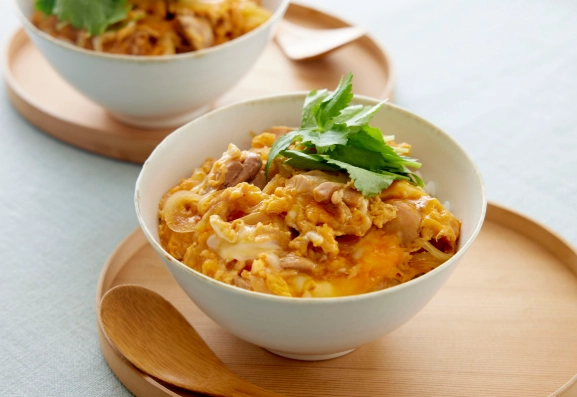
Where to Eat the Best Oyakodon in Tokyo: A Foodie's Shortlist
If you're in Tokyo, you have to try it at the source. I've visited dozens of places; these stand out for authenticity, flavor, and that intangible "wow" factor. Prices are approximate as of my last visit.
| Restaurant Name | Address | Specialty / Why It's Great | Price Range (per bowl) | Hours |
|---|---|---|---|---|
| Tamahide | 1-17-10 Nihonbashi Ningyocho, Chuo City | Historic spot since 1760; uses free-range chicken and a secret dashi recipe. The eggs are incredibly creamy. | ¥1,500 - ¥2,000 | 11:30 AM - 2:00 PM, 5:00 PM - 9:00 PM (Closed Wed) |
| Oyakodon Ya | 3-5-2 Shinjuku, Shinjuku City | No-frills, focused only on oyakodon. Quick service, generous portions, and a perfectly balanced sauce. | ¥800 - ¥1,200 | 10:00 AM - 10:00 PM daily |
| Torikizoku | Multiple locations (e.g., Shibuya) | Chain izakaya with reliable oyakodon. Great for budget travelers; includes miso soup and salad. | ¥500 - ¥800 | 5:00 PM - 5:00 AM |
| Kizuna | 2-4-6 Ginza, Chuo City | Uses organic eggs and Jidori chicken. The broth is lighter, less sweet, highlighting the ingredients. | ¥1,800 - ¥2,500 | 11:00 AM - 3:00 PM, 6:00 PM - 11:00 PM (Closed Sun) |
Tamahide is my top pick—it's where I had that life-changing bowl. But be prepared for lines; go right at opening. Oyakodon Ya is perfect for a quick lunch; their sauce has a hint of ginger that cuts through the richness. Torikizoku is open late, ideal after a night out. Kizuna feels more upscale, but the portion is smaller, so it's about quality over quantity.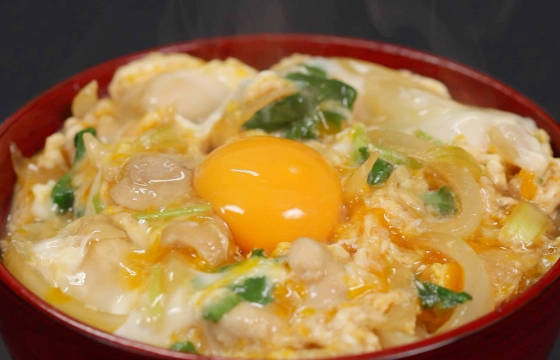
A tip: many places in Tsukiji Market serve oyakodon for breakfast, but post-relocation, the options have thinned. Check reviews on Tabelog for updates.
Common Oyakodon Mistakes Even Good Cooks Make
I've cooked this dish maybe a hundred times, and I still catch myself slipping up. Here's what to avoid.
Over-simmering the chicken: Chicken thighs don't need long. If you cook them more than 5 minutes, they toughen up. Simmer just until they lose their pinkness.
Using cold eggs: Straight from the fridge, eggs cook unevenly. Take them out 30 minutes before cooking. It makes a noticeable difference in creaminess.
Ignoring the rice: The rice should be hot and freshly cooked. If it's cold or stale, the whole dish falls flat. I use a rice cooker and time it so the rice is done just as the oyakodon is ready.
Skimping on dashi quality: Instant dashi is fine, but buy a reputable brand like Hondashi. Cheap versions taste artificial. If you're serious, make dashi from scratch—it takes 20 minutes and elevates everything.
One personal gripe: some restaurants add too much sugar, making it taste like dessert. I prefer a savory-leaning balance. At home, I reduce the sugar by half and add a splash of sake for complexity.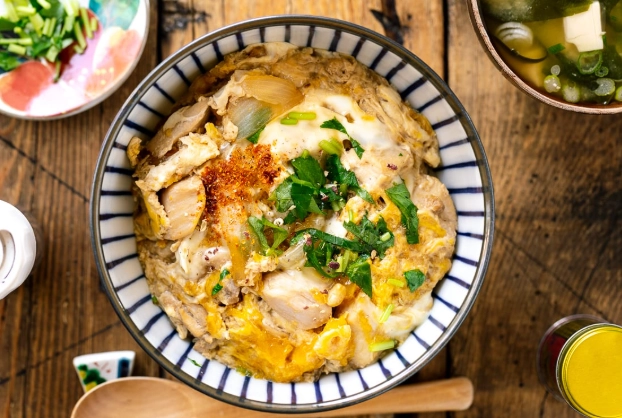
Your Oyakodon Questions Answered
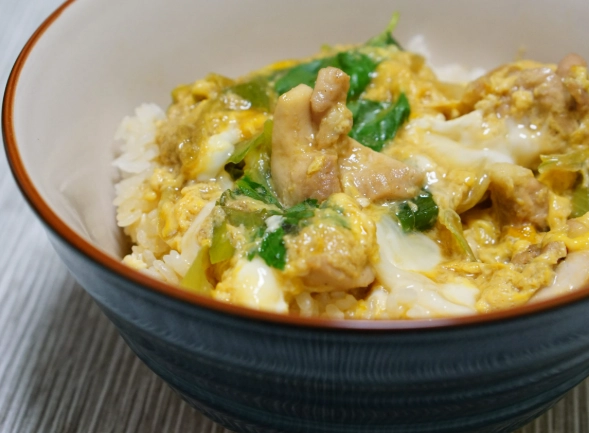
That wraps up my take on oyakodon. Whether you're cooking at home or hunting in Tokyo, focus on the basics: good ingredients, careful simmering, and eating it hot. It's a simple dish, but that simplicity is what makes it so rewarding to get right. Give it a try—maybe tonight. And if you're in Tokyo, skip the tourist traps and head to Tamahide for a real treat.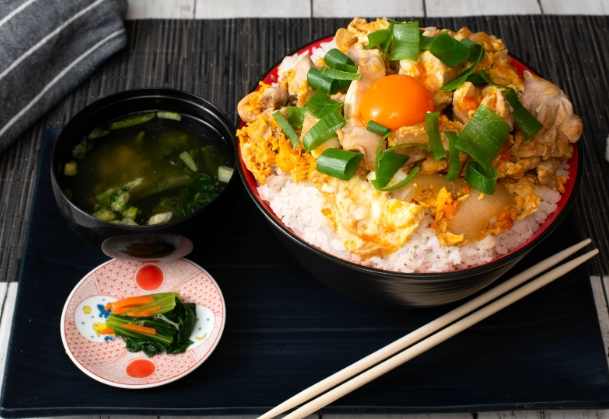
Reader Comments