Let's be honest. When you think of cooking Japanese food at home, images of intricate sushi rolls, hours-long ramen broths, and hard-to-find ingredients probably flash before your eyes. I used to think the same thing. My first attempt at homemade teriyaki was a sticky, overly sweet disaster that bore no resemblance to the glossy, savory dish I loved at restaurants. The problem wasn't the desire; it was following bad, westernized recipes that overcomplicated everything.
The truth is, authentic Japanese home cooking (katei ryōri) is built on simplicity, balance, and using a few core ingredients wisely. You don't need a fancy knife or a specialty store. You need the right approach. This guide cuts through the noise and shows you three foundational, easy Japanese dishes that will build your confidence and your flavor pantry. We're skipping the gimmicks and going straight to what works on a busy Tuesday night.
What You'll Find Inside
The 5-Ingredient Japanese Pantry You Actually Need
Before we cook, let's demystify the ingredients. You can find all of these in the international aisle of most major supermarkets.
Soy Sauce (Shoyu): Get a Japanese brand like Kikkoman. Avoid "light" soy sauce for these recipes—it's saltier and used differently. The regular one is your workhorse.
Mirin: This is sweet rice wine. It's the magic that gives Japanese food its signature sweet-savory gloss. If you absolutely can't find it, a tiny pinch of sugar mixed with a splash of dry white wine or even water is a very distant substitute, but try to get the real thing.
Sake: Cooking sake is fine and cheap. It tenderizes meat and adds depth. Don't use expensive drinking sake.
Miso Paste: Start with a white (shiro) miso. It's milder, sweeter, and versatile. The red (aka) miso is stronger and saltier. A tub lasts for months in the fridge.
Dashi: This is the foundational broth. You can make it from kombu (kelp) and bonito flakes, but for "easy," I'm a pragmatist. Use dashi powder (hon-dashi). It's a granulated instant broth that's perfectly acceptable for home cooking. One jar will see you through dozens of meals.
With these five items, you can make about 70% of the simple Japanese dishes out there. See? No wasabi root or yuzu fruit required.
Dish 1: Yakitori-Style Chicken Skewers (No Grill Required)
Yakitori is Japanese pub food, and the best recipes are stupidly simple. The secret is in the tare sauce—a sticky, savory glaze. Forget marinating for hours; we're going to brush and cook.
The Foolproof Tare Sauce Formula
Equal parts. That's it. For two servings:
- 3 tablespoons soy sauce
- 3 tablespoons mirin
- 3 tablespoons sake
- 1 teaspoon sugar (optional, but enhances gloss)
Simmer this in a small pan for 5-7 minutes until it thickens slightly. It will smell incredible. This sauce keeps in the fridge for weeks.
Cooking Method: Broiler or Pan
If you have skewers, great. If not, just cut chicken thighs into bite-sized pieces. Thighs are better than breasts here—they stay juicy.
Broiler method: Thread chicken on skewers (soak wooden ones first). Place on a foil-lined baking sheet. Broil on high for 4-5 minutes. Flip, brush generously with tare, broil another 3 minutes. Brush again with more tare before serving. The high heat caramelizes the sauce perfectly.
Pan method: Cook chicken pieces in a non-stick pan over medium-high heat until browned and cooked through. Pour in half the tare sauce and toss until every piece is coated and the sauce clings to the chicken.
Dish 2: The 15-Minute Miso Soup That Becomes a Meal
The biggest mistake with miso soup is boiling the miso paste. It kills the delicate probiotics and muddies the flavor. The technique is called wakashi—dissolving.
The Base Broth in 5 Minutes
- Bring 2 cups of water to a simmer. Not a rolling boil.
- Add 1 teaspoon of dashi powder. Stir. Taste. It should have a subtle, savory ocean flavor. If it's weak, add a pinch more.
Customize Your Soup (The Fun Part)
While the broth heats, prepare your add-ins. This is where you clean out the fridge.
| Add-In | Preparation | When to Add |
|---|---|---|
| Wakame (dried seaweed) | Soak in cold water for 2 mins, then drain | Last, with the miso |
| Tofu (silken or firm) | Cut into small cubes | Simmer for 1-2 mins to heat through |
| Thinly sliced mushrooms | Shiitake or enoki are classic | Simmer for 3-4 mins |
| Spinach or bok choy | Roughly chopped | Last, just to wilt |
| Leftover chicken or shrimp | Shredded or chopped | Simmer for 2 mins to warm |
The Final, Critical Step: Adding the Miso
Turn off the heat. Ladle a little of the hot broth into a small bowl. Add 1.5 tablespoons of white miso paste per cup of broth. Whisk with a fork or chopsticks until it's completely smooth and dissolved. Now, pour this slurry back into the main pot. Stir gently. Do not boil again. Serve immediately.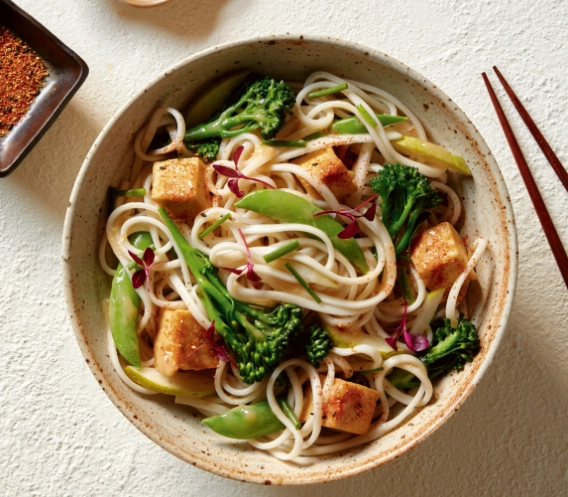
This method gives you a clear, flavorful soup with the full benefit of the miso. Add a handful of cooked noodles (udon, soba) or a soft-boiled egg, and you've got lunch.
Dish 3: Perfect Japanese Rice & Tamago Kake Gohan (The Ultimate Comfort Food)
If you master nothing else, master the rice. It's the soul of the meal. A rice cooker is the easiest path, but a heavy-bottomed pot works too.
How to Cook Short-Grain Rice Perfectly
- Wash it: Rinse the rice in a bowl, swirling with your hand, until the water runs almost clear. This removes excess starch for separate, shiny grains.
- Soak it: Let the washed rice sit in its measured cooking water for 20-30 minutes before turning on the heat. This is the step most people skip, and it's why their rice is sometimes crunchy in the middle.
- Cook it: Use the finger method or follow your cooker's lines. After cooking, let it steam, covered and off the heat, for 10 minutes. Then fluff with a rice paddle.
Tamago Kake Gohan (TKG): The 2-Minute Breakfast
This is a dish that shows the Japanese philosophy of simplicity. Put a bowl of hot, freshly cooked rice in front of you. Crack a very fresh, high-quality egg over it. Add a small splash of soy sauce. Maybe a tiny dab of butter. Then mix vigorously until the egg becomes a creamy, semi-cooked sauce that coats every grain of rice.
It sounds bizarre. It's transformative. The heat of the rice gently cooks the egg. The flavor is rich, comforting, and deeply satisfying. It's my go-to when I'm tired or need something quick. The quality of the egg is non-negotiable here.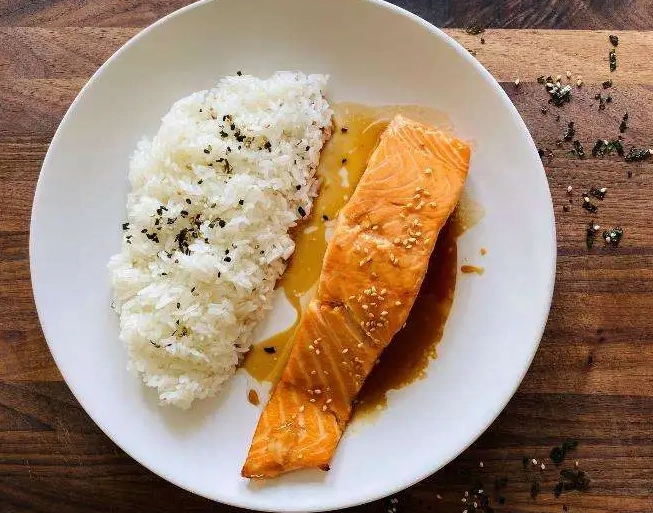
Answers to Your Japanese Cooking Hurdles
I don't have mirin. Can I just use sugar and vinegar?
My stir-fries or fried rice always taste bland, even with soy sauce. What am I missing?
Can I really make these easy Japanese dishes ahead for meal prep?
What's one piece of equipment that makes a bigger difference than a fancy knife?
The goal isn't to replicate a Tokyo sushi bar in your kitchen. It's to bring the balanced, umami-rich, and surprisingly simple principles of Japanese home cooking to your table. Start with the tare sauce. Master the miso dissolve. Get that rice right. From there, a whole world of easy Japanese dishes—oyakodon, teriyaki salmon, soba salads—opens up because you've built the foundation. Now, go turn that stove on.
Reader Comments