My first attempt at Japanese karaage was a disaster. The chicken was bland, the coating was a pale, soggy mess, and it tasted nothing like the crackling, savory bites I'd had in Tokyo. That failure sent me down a rabbit hole—talking to chefs, testing batches, and figuring out why most online recipes miss the mark. The truth is, great karaage isn't just fried chicken. It's a specific technique that balances a deeply savory marinade with a uniquely crispy, feather-light crust. Let's fix the common mistakes and get it right.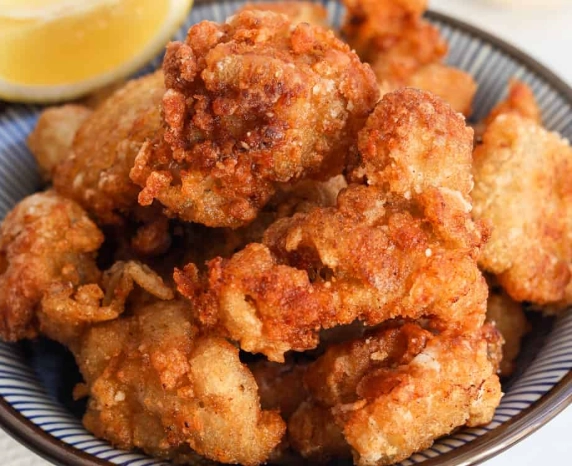
What You'll Learn Inside
The Core Mistake Everyone Makes
Most recipes tell you to marinate chicken in soy sauce, ginger, and garlic, then coat it in flour or cornstarch. That's your first mistake. Using only soy sauce makes the marinade too salty and one-dimensional, overpowering the chicken. And cornstarch? It gives a hard, glassy crunch that shatters, not the delicate, craggy crispness of real karaage. The magic happens when you balance the salty with the sweet and aromatic, and choose the right starch.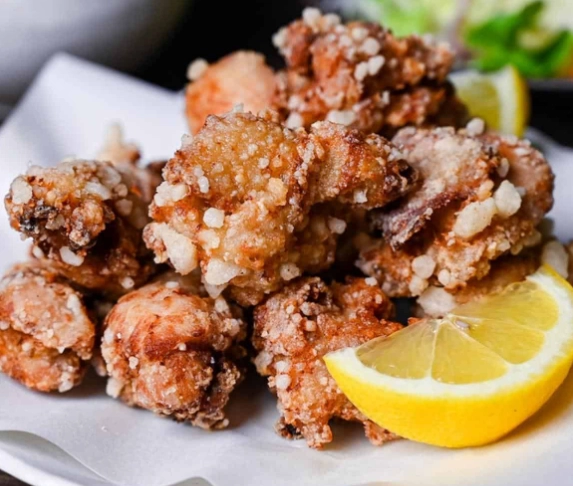
The Karaage Blueprint: Ingredients & Equipment
Let's get our tools and components right. This isn't a fussy list, but each item has a purpose.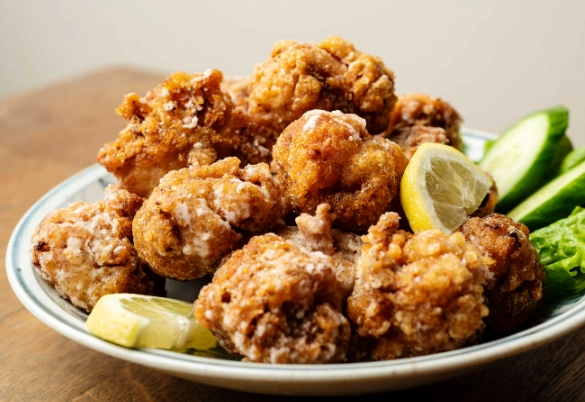
| Ingredient | Quantity | The "Why" – Why This Specific Choice Matters |
|---|---|---|
| Chicken Thighs (boneless, skin-on) | 1.5 lbs (700g) | Non-negotiable. Breast meat dries out. Thighs stay juicy during frying. The skin adds fat and incredible crispness. Trust me on this. |
| Soy Sauce (regular, not light or dark) | 3 tbsp | For salt and umami base. Japanese brands like Kikkoman are ideal for their balanced flavor. |
| Sake (cooking sake is fine) | 2 tbsp | Tenderizes the meat and adds subtle sweetness. It's the secret tenderizer most skip. |
| Mirin | 1.5 tbsp | Sweetness and glaze. If you only have sugar, use 2 tsp, but mirin's complex flavor is better. |
| Fresh Ginger (grated) | 1-inch knob | Fresh, not powdered. It cuts through the richness and is essential. |
| Fresh Garlic (grated) | 2 cloves | Same as ginger—freshness is key for aroma. |
| Potato Starch (Katakuriko) | 1 cup for coating | The star of the show. Creates the iconic, airy, long-lasting crispness. Cornstarch or flour won't do the same job. Find it in Asian markets. |
| Neutral Oil (canola, peanut) | For deep-frying | High smoke point. Don't use olive oil. |
Equipment: A heavy-bottomed pot (Dutch oven is perfect), a frying thermometer (the single best investment for consistent results), tongs, a wire rack set over a baking sheet (for draining, not paper towels—they steam the crust).
Marinade Mastery: Building Flavor from the Inside
Cut your chicken thighs into generous, bite-sized pieces (about 1.5-inch chunks). Don't make them tiny—they'll overcook. In a bowl, whisk together the soy sauce, sake, mirin, grated ginger, and grated garlic. That's your marinade base.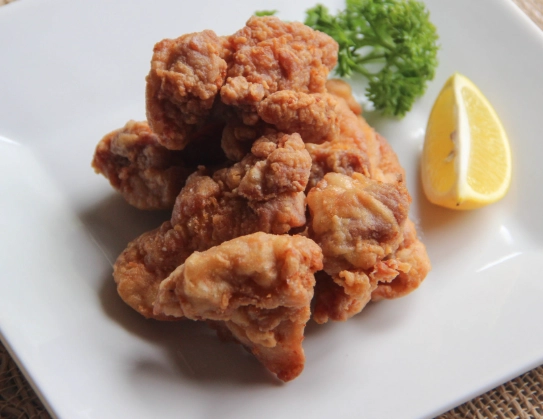
Pro Tip: Grate the ginger and garlic directly into the marinade to get all their juices. I use a microplane. It makes a world of difference compared to mincing.
Add the chicken pieces to the marinade, ensuring each piece is coated. Cover and refrigerate. Here's the time debate: 30 minutes is good, 2 hours is great, overnight is flavor overload (the soy can start to "cure" the meat, making it firmer). I find the 2-hour mark to be the sweet spot for deep flavor without textural compromise.
The Coating Secret: Why Potato Starch is Non-Negotiable
While the chicken marinates, set up your coating station. Pour about a cup of potato starch into a shallow dish or a large plate. Don't season it. The marinade has enough flavor.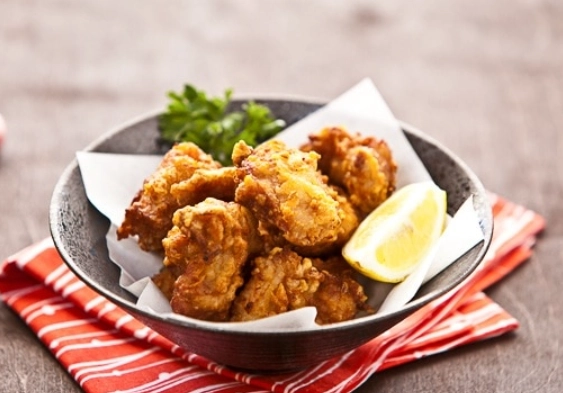
When the chicken is ready, take each piece straight from the marinade and dredge it thoroughly in the potato starch. Press it in, then lift and gently shake off the excess. You want a thin, even, snowy coat. Don't dredge all the pieces at once and let them sit—the moisture will turn the starch into a pasty glue. Coat them right before they go into the oil.
Common Pitfall: The marinade will pool at the bottom of your bowl. Don't pour it over the chicken as you coat. That excess liquid will clump the starch. Let the excess drip off the chicken piece naturally before dredging.
Step-by-Step: Frying to Golden Perfection
This is where confidence matters. Heat 2-3 inches of oil in your heavy pot over medium heat. Aim for 340°F (170°C). Use your thermometer. Guessing leads to greasy or burnt karaage.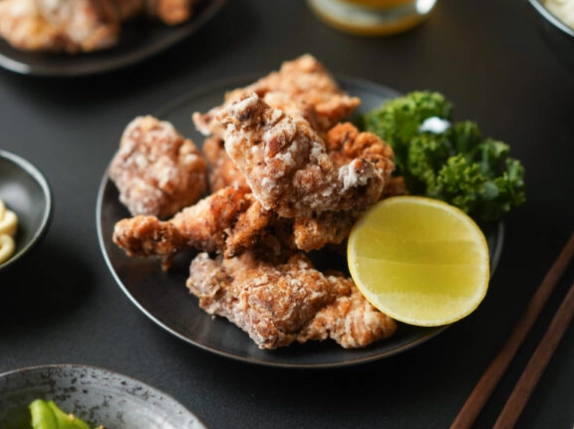
First Fry: The Cook-Through
Gently lower 5-6 pieces of coated chicken into the oil. Don't crowd the pot—the temperature will plummet. Fry for about 3-4 minutes, moving them around gently with tongs for even color, until they are a light golden brown and just cooked through. They won't be super crispy yet. That's fine. Remove them to the wire rack.
The Rest (This is Critical)
Let the chicken rest for at least 5 minutes. This allows the internal heat to equalize and the crust to set. Meanwhile, bring your oil temperature up to 375°F (190°C).
Second Fry: The Crisp-Up
Return the par-cooked chicken to the hotter oil in batches. Fry for another 60-90 seconds until they achieve a deep, reddish-golden brown and become incredibly crispy. The double-fry method ensures a juicy interior and a shatteringly crisp exterior that stays crisp longer.
Drain on the wire rack again. A light sprinkle of sea salt right after frying is all you need, though many enjoy it with a wedge of lemon.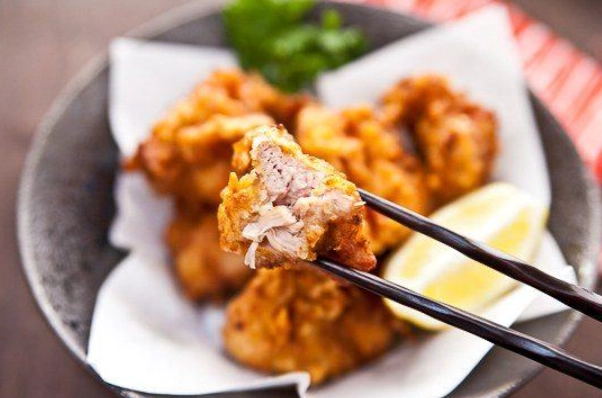
Expert-Level Tips & Serving Ideas
If you don't have a thermometer, test the oil with a wooden chopstick or the handle of a wooden spoon. When small bubbles steadily form around it, you're around 340°F. For the second fry, a piece of dropped starch should sizzle vigorously immediately.
Karaage is incredibly versatile. Serve it hot as the main event with steamed rice and shredded cabbage (the classic izakaya style). It's also fantastic cold in a bento box—the potato starch crust holds up surprisingly well. For a dipping sauce, mix a little mayo with shichimi togarashi (Japanese seven-spice), or simply use tonkatsu sauce.
Leftovers? Reheat them in a toaster oven or air fryer to recrisp. The microwave is the enemy of crispiness.
Reader Comments