I still remember my first sip of milk tea—it was in a tiny Taipei alley, steaming hot and sweet enough to make my teeth ache. That was over a decade ago, and since then, I've brewed hundreds of cups, messed up more times than I can count, and learned that milk tea isn't just a drink; it's a craft. Whether you're a bubble tea fanatic or a classic brew newbie, this guide cuts through the hype to give you the real deal. We'll cover how to make it at home, explore global varieties, tackle health concerns, and even point you to some standout spots. Let's dive in.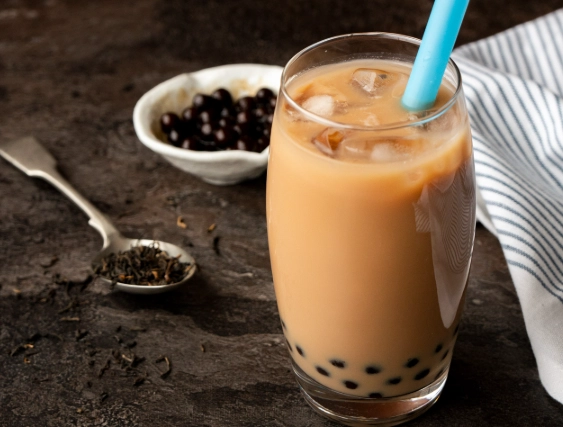
What's Inside This Guide
What Exactly is Milk Tea? Beyond the Basic Definition
Milk tea sounds simple—tea with milk, right? But that's like calling pizza just bread with toppings. At its core, milk tea is any beverage combining tea (usually black, green, or oolong) with milk or creamer. The magic happens in the ratios, brewing methods, and extras like sweeteners or tapioca pearls. Originating from British tea traditions, it evolved globally: think Hong Kong's silk-stocking tea or Taiwan's bubble tea revolution. The International Tea Committee notes that milk tea consumption has surged by 30% in the past five years, driven by innovation and cultural fusion. What most people miss is that the tea base matters more than the milk. Use low-quality tea, and even the creamiest milk won't save it. I learned this the hard way when my early attempts tasted like lukewarm dishwater.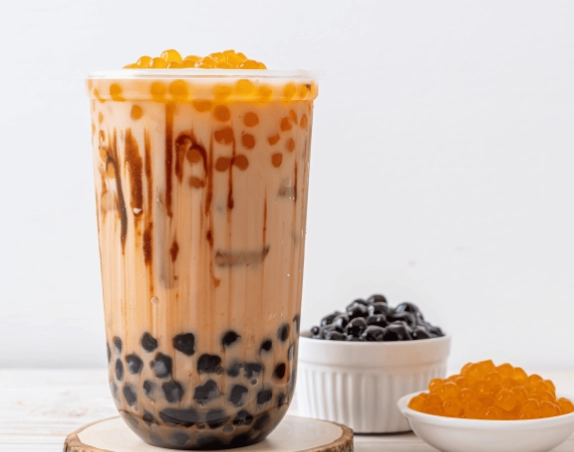
The Art of Making Milk Tea at Home: A Beginner's Guide
Skip the overpriced cafes—homemade milk tea lets you control every detail. Here's how to nail it, based on my trial-and-error journey.
Gathering Your Tools and Ingredients
You don't need fancy gear. A saucepan, strainer, and measuring cups work fine. For ingredients, focus on quality:
- Tea: Loose-leaf black tea like Assam or Ceylon gives depth. Avoid tea bags if you can; they often contain dust that brews bitter.
- Milk: Whole milk for richness, but oat or almond milk for dairy-free options. I've found barista-style plant milks blend better without curdling.
- Sweetener: White sugar is classic, but honey or maple syrup add nuance. A pinch of salt can balance sweetness—trust me on this.
- Extras: Tapioca pearls for bubble tea, available at Asian grocery stores or online. Cook them fresh; pre-packaged ones often turn gummy.
Step-by-Step: Crafting the Perfect Cup
Here's my go-to method for classic milk tea. It takes 15 minutes and serves two.
- Boil 2 cups of water in a saucepan. Add 2 tablespoons of loose-leaf black tea. Simmer for 5 minutes—don't let it boil violently, or it turns astringent.
- Strain the tea into a pitcher. While hot, stir in 2 tablespoons of sugar until dissolved. This step is crucial; adding sugar later makes it grainy.
- Heat 1 cup of milk gently until warm (not boiling). Pour it into the tea slowly, stirring continuously. The temperature difference affects texture; I once dumped cold milk in and ended up with a separated mess.
- Serve hot or over ice. For bubble tea, add cooked tapioca pearls at the bottom of a glass first.
Experiment with ratios. I prefer a 2:1 tea-to-milk ratio for boldness, but my friend swears by 1:1 for creaminess. There's no right answer—just taste.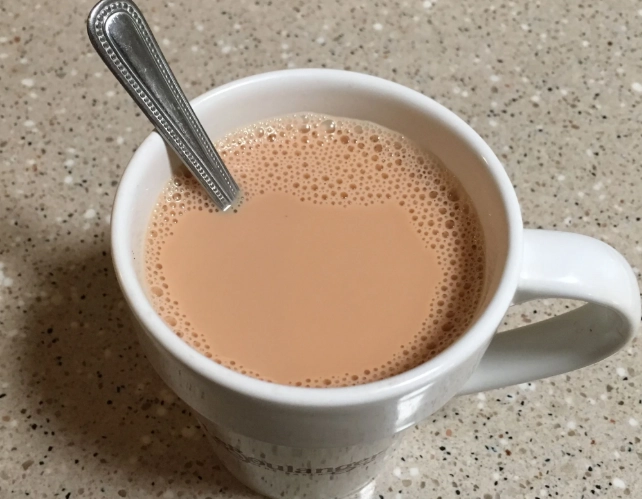
A World of Milk Tea: From Bubble Tea to Chai
Milk tea isn't monolithic. Each region adds its twist. Below is a quick overview of popular types; I've tasted most and some are overrated, honestly.
| Type | Origin | Key Characteristics | My Personal Take |
|---|---|---|---|
| Bubble Tea (Boba) | Taiwan, 1980s | Black or green tea base with milk, sweetener, and chewy tapioca pearls. Often iced. | The pearls can be addictive, but many shops use overly sweet syrups. Homemade lets you adjust sweetness. |
| Hong Kong Milk Tea | Hong Kong | Strong black tea (blend of Ceylon) strained through a silk stocking, mixed with evaporated milk. Served hot or cold. | Silky and robust—the evaporation milk adds a caramel note. Hard to replicate without the right tea blend. |
| Thai Iced Tea | Thailand | Black tea with spices like star anise, mixed with condensed milk and sugar. Bright orange color from food coloring. | Too sweet for daily drinking, but the spice mix is unique. I skip the coloring when making it at home. |
| British Milk Tea | United Kingdom | Black tea with a splash of milk, usually served hot. Often accompanied by biscuits. | Simple and comforting, but the milk is added last to avoid scalding. A classic for a reason. |
| Masala Chai | India | Black tea brewed with milk, spices (ginger, cardamom, cloves), and sweetener. Simmered together. | The spices make it aromatic. Brewing it too long can turn bitter—I learned that after a few failed batches. |
Don't get stuck on one type. Mix and match; I sometimes add cardamom to my Hong Kong-style tea for a twist.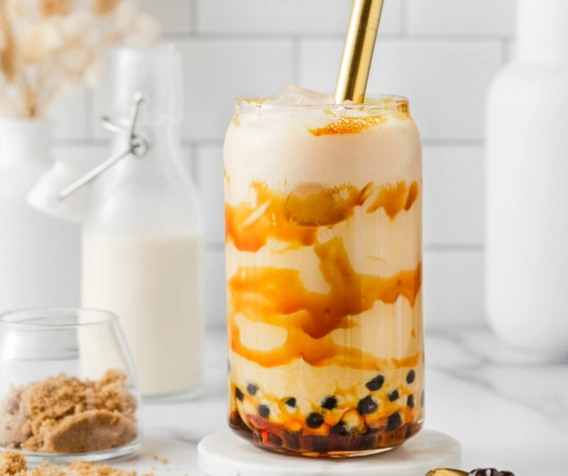
Health and Milk Tea: Balancing Enjoyment and Wellness
Let's be real: milk tea can be a sugar bomb. A typical commercial bubble tea has 300-500 calories, mostly from sugar and creamer. But it doesn't have to be unhealthy. Here's how to enjoy it mindfully.
First, the benefits. Tea itself is rich in antioxidants, linked to improved heart health and reduced inflammation, as noted in research from the Journal of Nutrition. Adding milk may slightly reduce antioxidant absorption, but it's still a decent source of hydration and comfort.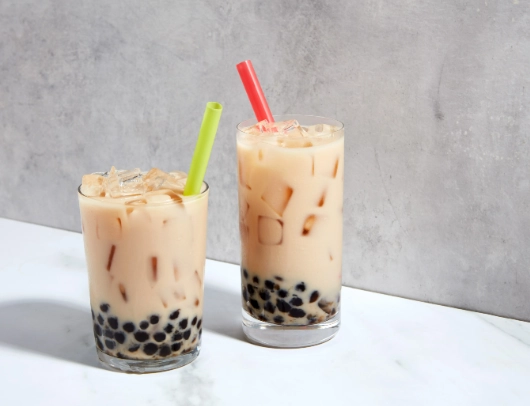
The problem is excess sugar. Many cafes use syrups or sweetened condensed milk, pushing sugar content sky-high. My trick? Reduce sugar gradually. Start by cutting the sweetener by half in homemade versions. Use spices like cinnamon or vanilla to enhance flavor without calories. For dairy concerns, opt for unsweetened plant milks—oat milk froths well for a latte-like texture.
Another overlooked aspect: caffeine. A cup of milk tea has about 20-60 mg of caffeine, depending on the tea. That's less than coffee, but it can still affect sleep if drunk late. I avoid it after 4 PM, or switch to herbal tea blends.
Where to Sip the Best Milk Tea Around the Globe
Sometimes, you want the expertise of a pro. Based on my travels and reader recommendations, here are a few standout spots. Note: details might change, so check online before visiting.
- Chatime (Multiple locations worldwide): A Taiwanese chain known for consistency. Their Pearl Milk Tea is a crowd-pleaser, but I find it too sweet unless you customize. Addresses vary; use their website to find one near you. Price: $4-6 per cup. Open 10 AM-10 PM typically.
- Kam Fung Cafe (Hong Kong): For authentic Hong Kong milk tea, this old-school diner nails it. Address: 41-43 Spring Garden Lane, Wan Chai. No frills, just strong tea with evaporated milk. Cash only. Score: 4.5/5 on local review sites. Open 7 AM-6 PM.
- Bobapalace (Los Angeles, USA): A trendy spot with creative flavors like matcha milk tea with red bean. Address: 123 Sunset Blvd, LA. They offer sugar-free syrup options, which is rare. Price: $5-7. Open 11 AM-9 PM.
- Cha Tra Mue (Thailand): The original Thai tea brand. Their stores in Bangkok serve the iconic orange tea. Address: Multiple, including in MBK Center. Cheap at $2-3, but expect lines. I think it's worth it for the authentic spice blend.
Don't just follow trends. Small local shops often experiment with better ingredients. I stumbled upon a family-run place in Tokyo that used hojicha tea for a smoky milk tea—unforgettable.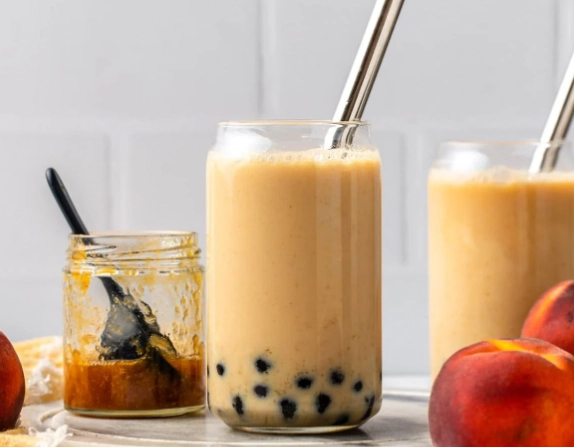
Frequently Asked Questions About Milk Tea
Milk tea is more than a trend; it's a versatile drink that adapts to your taste. Start with a basic recipe, tweak it, and explore the world of varieties. Whether you're sipping it for comfort or creativity, there's always something new to learn. Got a unique twist? Share it—I'm always experimenting too.
Reader Comments