Quick Guide
Let's be honest. When most people think of Japanese food, sushi and ramen hog the spotlight. But there's this whole other world simmering, grilling, and frying away that doesn't get enough love. I'm talking about the incredible universe of traditional Japanese chicken dishes. It's comfort food, street food, and soul food, all rolled into one. I remember my first real encounter with it wasn't in some fancy Tokyo restaurant, but at a tiny stall under train tracks, the air thick with smoke and the smell of grilling meat. That’s where the magic happens.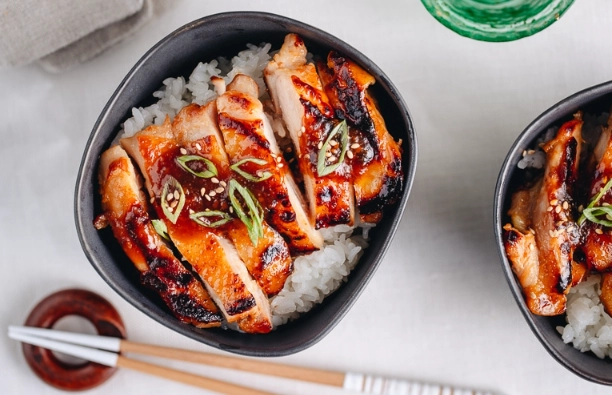
Chicken, or tori, has been part of the Japanese table for centuries, but the way it's prepared is a masterclass in simplicity and depth. It’s not about drowning flavors in heavy sauces; it’s about technique, quality ingredients, and these incredible umami-packed foundations like dashi, soy, mirin, and sake. We're going to go beyond just a list of names. We'll dig into what makes each dish tick, where to find the real deal (or how to make a decent version at home), and answer all those little questions that pop up when you're staring at a menu.
Here's the thing: Japanese chicken cooking is deceptively simple. A dish might only have five ingredients, but the care in preparation makes all the difference. Getting that balance right—sweet, salty, savory—is what separates the good from the unforgettable.
The Big Three: Pillars of Japanese Chicken Cuisine
If you had to narrow down the world of traditional Japanese chicken dishes to three essentials, these would be it. They represent different cooking methods and dining experiences, from the casual izakaya to the family dinner table.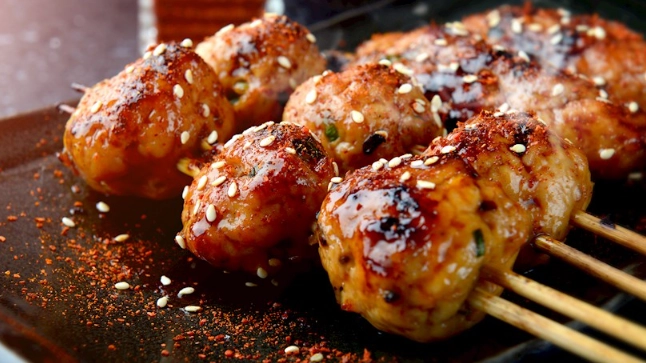
Yakitori: The Art of the Skewer
Yakitori literally means "grilled bird," and it's the ultimate Japanese pub food. But calling it just "grilled chicken skewers" feels like an insult. It's a ritual. You sit at the counter, watch the chef fan the coals, and receive skewers one or two at a time. The variety is astounding.
- Momono (Thigh): The king. Juicy, fatty, and perfect. Usually served with either shio (salt) or tare (a sweet-salty soy-based glaze).
- Sasami (Breast Tendon): Leaner, often wrapped with shiso leaf or topped with wasabi to add moisture and punch.
- Tebasaki (Wing): A Nagoya specialty that's taken over the country. Crispy, glossy, and incredibly moreish.
- Tsukune (Chicken Meatball): My personal favorite. Minced chicken, often with cartilage for texture, shaped onto a skewer. Dipped in that addictively sweet tare and sometimes topped with a raw egg yolk. Heaven.
- Negima: The classic combo – alternating pieces of chicken and Welsh onion (negi). The onion caramelizes and sweetens everything up.
The choice between shio (salt) and tare (sauce) is a personal one. Shio lets the quality of the chicken shine, while tare adds that sticky, savory-sweet layer. A good yakitori-ya will also offer "parts" like hearts (hatsu), livers (reba), and even cartilage (nankotsu). Don't be scared! They're delicious. For a deep dive into yakitori styles and etiquette, the Japan National Tourism Organization's guide is surprisingly thorough.
You know, not all yakitori is created equal. I've had some where the chicken was dry and the sauce was just cloyingly sweet. The best places have a delicate touch with the tare and know exactly how long to cook each cut. It's a skill.
Oyakodon: The Ultimate Comfort Food Bowl
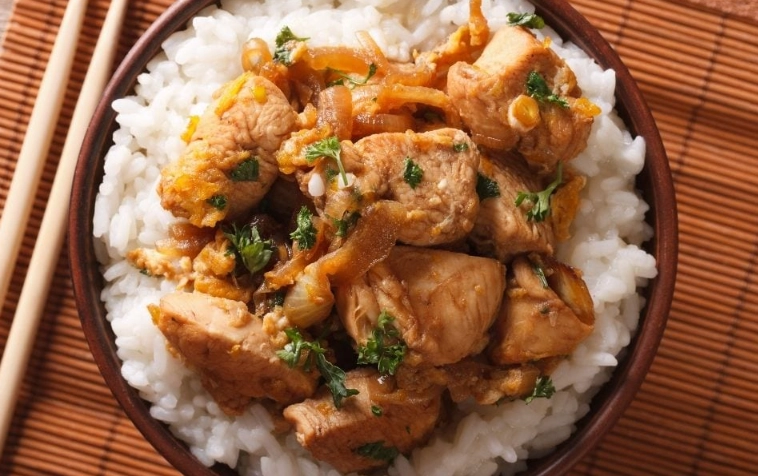
The name is a pun that gets me every time: Oya means "parent," ko means "child," and don is short for donburi (rice bowl). So it's a "parent-and-child rice bowl"—chicken and egg simmered together. Morbid? Maybe. Delicious? Absolutely.
This is the dish you crave on a cold, rainy day. It's home cooking at its finest. Tender pieces of chicken and sliced onions are simmered in a dashi-soy-mirin broth until flavorful. Then, lightly beaten egg is poured over the top and cooked just until it's softly set, creating a creamy, velvety blanket that drapes over the chicken and rice beneath. It's served steaming hot in a large bowl.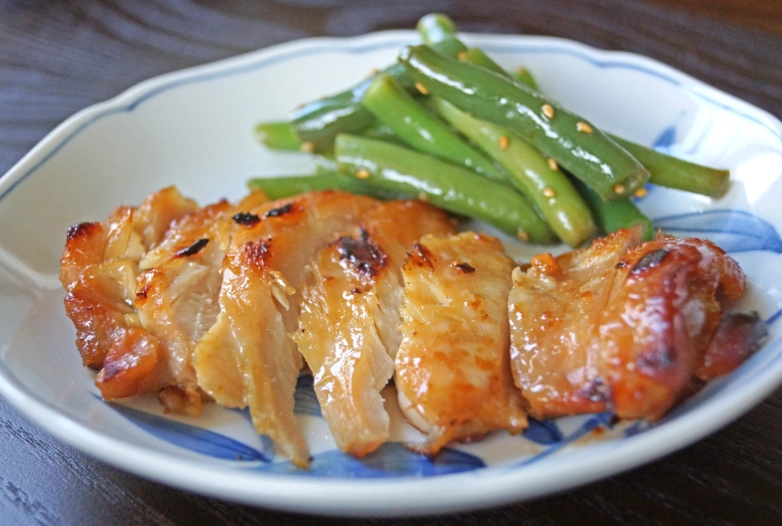
The key is the egg texture. It should be silky and slightly runny, not rubbery or completely raw. Every family and restaurant has their own slight twist—some add a touch of sugar for more sweetness, others use a darker soy. It's a staple on lunch menus across Japan because it's fast, filling, and deeply satisfying. If you're trying to make it at home, the quality of your dashi makes a world of difference. The Japanese Ministry of Health, Labour and Welfare doesn't have a recipe (obviously), but they do emphasize food safety—make sure your chicken is cooked through before adding the egg!
Karaage: Japan's Answer to Fried Chicken
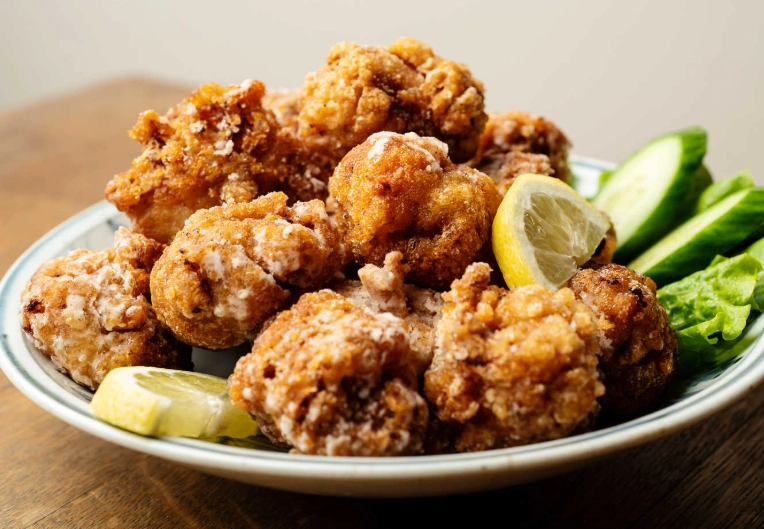
Move over, KFC. Japanese fried chicken, or karaage, is in a league of its own. The chicken (almost always thigh) is cut into bite-sized pieces, marinated in a mix of soy sauce, ginger, and garlic, lightly coated in potato starch or flour, and then deep-fried until impossibly crispy on the outside and juicy on the inside.
The potato starch is the secret weapon. It creates a lighter, crispier, and less greasy crust than standard wheat flour. It's the perfect izakaya snack, bento box star, or even a next-level picnic food. You'll often find it served simply with a wedge of lemon, though a dollop of Japanese mayonnaise or a special karaage sauce (often a ponzu-based thing) is also common.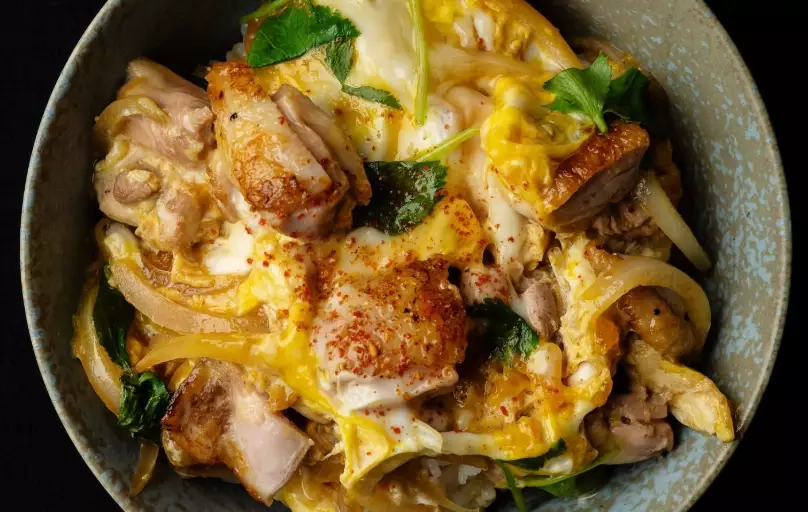
A word of warning: Good karaage is dangerously addictive. Bad karaage is a sad, greasy affair with a thick, doughy coating. The marinade should flavor the meat itself, not just sit on the surface.
Beyond the Classics: More Must-Try Traditional Japanese Chicken Dishes
Once you've got the big three under your belt, the culinary landscape opens up. These dishes might be slightly less famous internationally, but they're no less important in Japan.
Tori no Teriyaki
You know teriyaki, but the Japanese version is often simpler and less syrupy than what's served abroad. Teri means "shine," and yaki means "grill/broil." So it's chicken grilled with a glaze that gives it a glossy finish. The glaze is typically just soy sauce, mirin, and sake, sometimes with a bit of sugar. The chicken is grilled, basted repeatedly, until the sauce reduces and caramelizes onto the meat. It's a common home-cooked meal, served with rice and vegetables. Simple, reliable, and always good.
Mizutaki
This is a sublime chicken hot pot, originating from Fukuoka. It's the epitome of minimalist elegance. A light chicken broth, often made by simmering a whole chicken for hours, forms the base. Then, at the table, you gently cook slices of chicken, vegetables like cabbage and mushrooms, and tofu in the broth. The magic is in the dipping sauces. You'll usually have a ponzu (citrus-soy) sauce and a creamy, nutty sesame sauce (goma dare). After all the ingredients are eaten, the now-incredibly flavorful broth is often served as a soup, sometimes with rice or noodles added. It's a social, healthy, and utterly delicious meal, especially in winter. The Japan-Guide page on Mizutaki gives a great overview of the experience.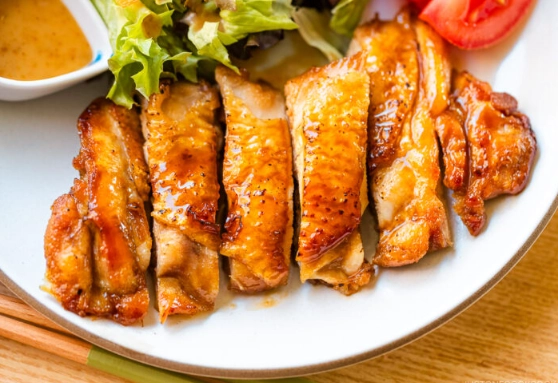
Tori no Tatsuta-age
This is karaage sophisticated cousin. The process is similar—marinate, coat, fry—but the marinade for Tatsuta-age is heavier on the soy and often includes more ginger, giving the chicken a deeper, reddish-brown color (named after the Tatsuta River and its autumn leaves). The coating is also typically lighter. It's a bit more refined and is a common item in elaborate kaiseki courses or high-end bento boxes.
Chicken Nanban
From Miyazaki prefecture in Kyushu, this is a fantastic fusion dish with a fun history. Chicken (again, thigh is best) is fried similarly to karaage, but then it's immediately dipped in a sweet-and-sour vinegar sauce (amazu), which soaks into the crispy crust. It's then topped with a generous amount of tartar sauce. The combination sounds wild—fried chicken, vinegar, tartar sauce—but it works brilliantly. The vinegar cuts through the richness, and the tartar sauce adds creaminess. It's a must-try if you see it on a menu.
| Dish | Primary Cooking Method | Key Flavor Profile | Best For |
|---|---|---|---|
| Yakitori | Grilling over charcoal | Smoky, savory, sweet-salt balance | Social drinking, casual dining |
| Oyakodon | Simmering | Savory, sweet, creamy, umami-rich | Quick lunch, home-style comfort |
| Karaage | Deep-frying | Crispy, juicy, garlic-ginger savory | Snacking, bento, pub food |
| Mizutaki | Hot pot / Simmering | Clean, delicate, umami broth | Social meal, healthy dining, winter |
| Chicken Nanban | Frying + Marinating | Sweet-sour, creamy, rich | Regional specialty, hearty meal |
Your Burning Questions, Answered (FAQ)
Pro Tip for Travelers: If you're in Japan and see a restaurant with a plastic food display case outside, it's your best friend. You can point to exactly what you want, even with no language skills. Look for the bowls of oyakodon or plates of karaage!
Bringing It Home: The Soul of These Dishes
What ties all these traditional Japanese chicken dishes together isn't just the ingredient. It's a philosophy. It's respect for the ingredient—trying to extract its best flavor, not mask it. It's the emphasis on texture—the crisp of karaage, the silk of oyakodon egg, the juicy bite of yakitori. And it's the mastery of a few fundamental seasonings to create an immense depth of flavor.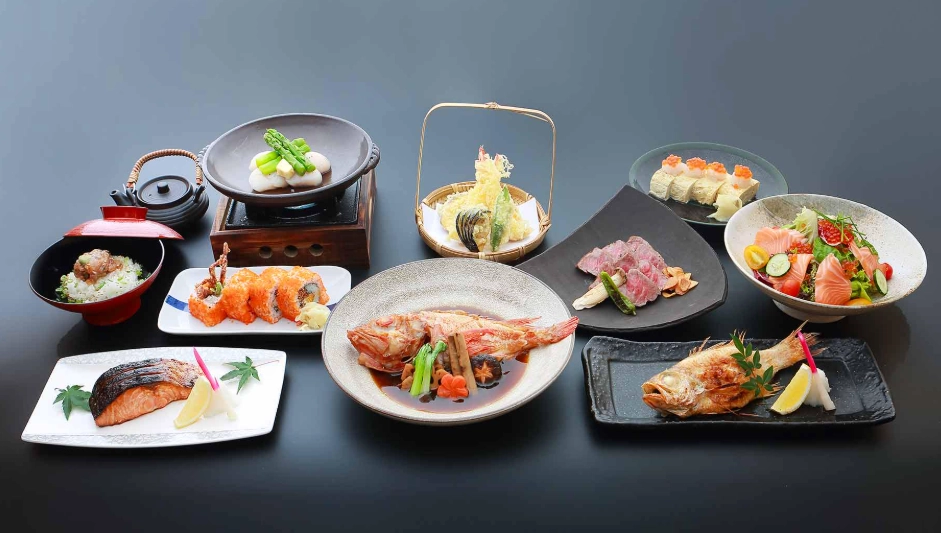
Exploring this side of Japanese food is like getting a backstage pass. It's less about ceremony and more about everyday joy, community, and comfort. From the sizzle of the yakitori grill to the steam rising off an oyakodon bowl, these dishes feed more than just your stomach. They give you a real taste of Japanese life.
So next time you're looking at a Japanese menu, look past the sushi. Dive into the world of tori. Start with a skewer, share a plate of karaage, or cozy up with a donburi. You might just find your new favorite thing.
And hey, if your first homemade karaage isn't perfect? Don't sweat it. Mine wasn't either. It's all part of the fun. The journey to getting that crispy, juicy bite just right is half the pleasure.
Reader Comments