Let's cut to the chase. You've probably seen a picture of it—creamy, pale orange sauce clinging to thick, chewy udon noodles, topped with bright orange fish roe and a sprinkle of seaweed. That's mentaiko udon. It's a dish that looks simple but delivers a punch of umami, creaminess, and a slow-building heat that keeps you going back for more. It's not just a bowl of noodles; it's a specific craving. Once you've had a good one, you'll find yourself searching for it again.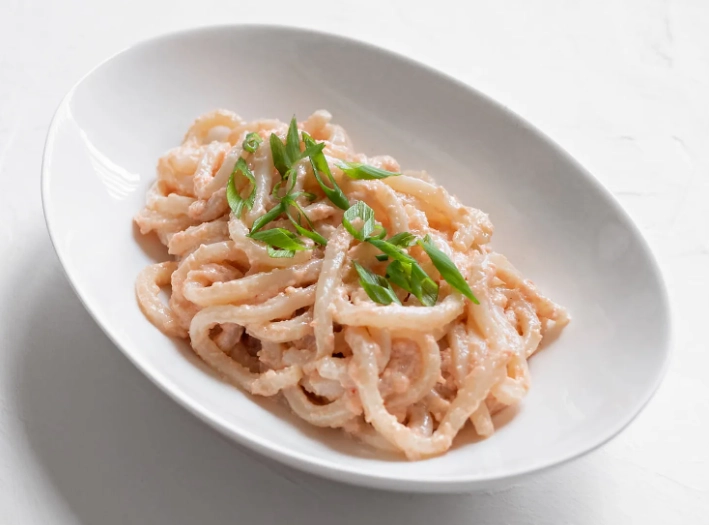
But here's the thing most generic guides miss. Not all mentaiko udon is created equal. The difference between a forgettable bowl and an unforgettable one lies in the details: the quality of the mentaiko (spicy cod roe), the fat content of the cream, the salinity of the dashi, and the texture of the udon. Get one element wrong, and the whole balance falls apart, often resulting in a dish that's just too salty or one-note.
What You'll Find Inside
What Exactly Is Mentaiko Udon?
Mentaiko is pollock roe that's been marinated in salt and chili peppers, a specialty from Hakata (Fukuoka) in Kyushu, Japan. It's briny, spicy, and packed with flavor. Mentaiko udon, then, is a modern dish where this roe is mixed into a creamy, usually dairy-based sauce and tossed with udon noodles.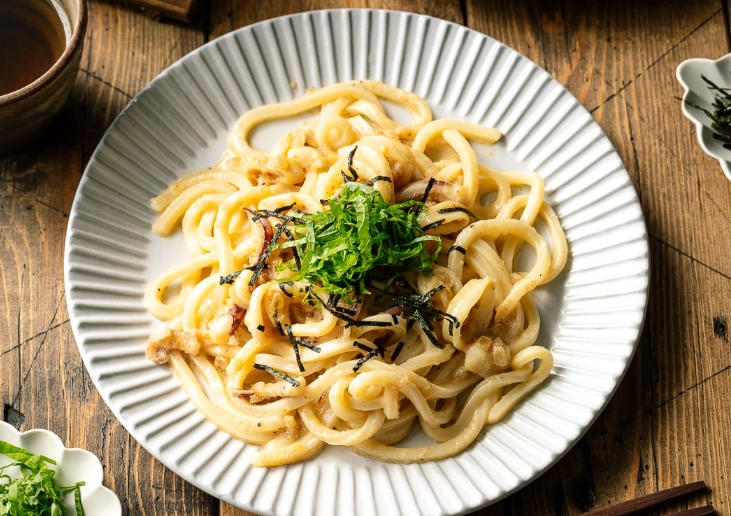
It's a relatively new invention compared to classics like tempura udon, gaining massive popularity in the last 20-30 years. Its appeal is its rich, comforting, and slightly indulgent profile—it's Japanese comfort food with a kick. You'll find it in dedicated udon shops, izakayas (Japanese pubs), and even some casual family restaurants.
Key thing to know: There are two main styles. The Hakata-style tends to be saucier, creamier, and often uses fresh, high-quality mentaiko. The Tokyo or chain-restaurant style might use a more processed mentaiko paste and can be thicker, sometimes even a bit gluey if not made well. Aim for the former.
Where to Eat the Best Mentaiko Udon (A Real List)
Forget vague recommendations. If you're planning a trip to Japan or live in a major city, these are specific spots known for doing it right. I'm basing this on personal visits, deep-dives into Japanese food forums like Tabelog, and conversations with chefs.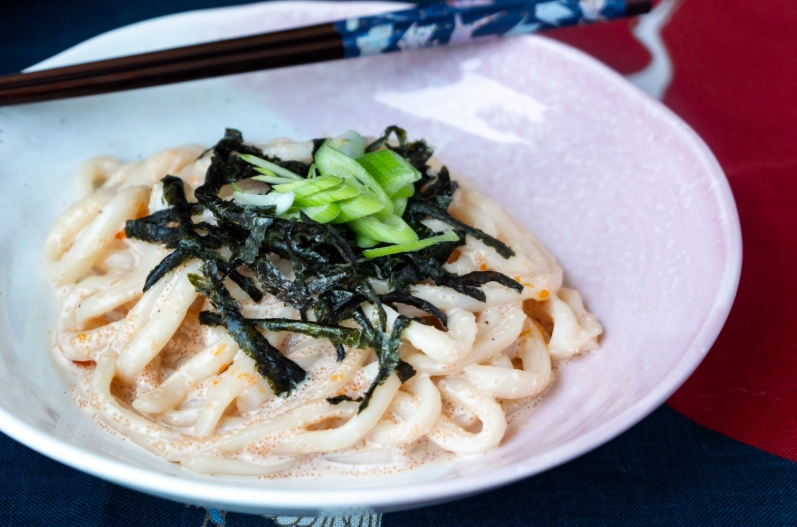
| Restaurant Name & Location | What Makes It Special | Price Range & Notes |
|---|---|---|
| TsuruTonTan (Multiple locations in Tokyo, Osaka, Kyoto) | Extremely luxurious version. They use high-fat cream and premium mentaiko, resulting in an incredibly smooth, rich sauce. The udon is perfectly al dente. It's a chain, but the quality is consistently high. | ¥1,500 - ¥2,000. Busy at peak times. Some locations open until 3 AM. |
| Shin Udon (Shinjuku, Tokyo) | A famous, no-frills udon specialist. Their mentaiko udon is less about heavy cream and more about the harmony of flavors. The sauce is lighter, allowing the mentaiko's spice and umami to shine through clearly. | ¥1,000 - ¥1,300. Expect a queue. Cash only. Closed Wednesdays. |
| Ippudo (Global chain, originated in Fukuoka) | Yes, the ramen chain. In their hometown Fukuoka locations (and sometimes on special menus elsewhere), they offer a mentaiko tamago toji udon. It's a different take—more of a soupy, egg-drop style with mentaiko. A must-try for contrast. | ¥900 - ¥1,200. Check the local menu or ask. |
| Menya Sakura (Various locations in Fukuoka) | This is where you go for the authentic Hakata experience. Their sauce is iconic—creamy but not overly thick, with a perfect balance of salt, spice, and sweetness from the roe. This is the benchmark for many. | ¥1,000 - ¥1,500. The original Hakata taste. |
Can't travel? In major international cities, look for authentic Japanese izakayas or udon-ya, not pan-Asian fusion spots. Call ahead and ask if their mentaiko udon uses fresh mentaiko or a paste. The answer will tell you everything.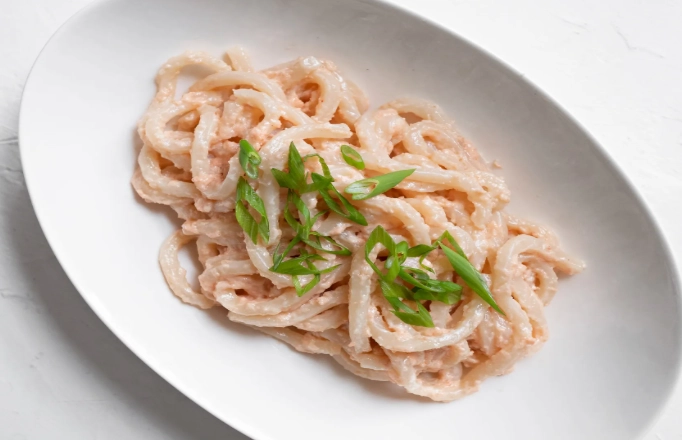
How to Order Mentaiko Udon Like a Pro
Walking into a good udon shop can be intimidating. Here’s how to navigate it for the best mentaiko udon experience.
Understanding the Menu Lingo
You might see variations:
- Mentaiko Cream Udon: The standard. Cream-based sauce.
- Mentaiko Butter Udon: Often has a pat of butter melting on top, adding richness.
- Mentaiko Tamago Udon: Includes a raw egg yolk (tamago) to mix in, creating an even richer, silkier sauce.
Start with the classic Cream Udon to judge the base quality.
The One Mistake Everyone Makes
They don't mix it thoroughly. The sauce, mentaiko, and toppings are often layered. Use your chopsticks and spoon to mix everything completely from the bottom up before taking your first bite. This ensures every strand of udon gets coated evenly. An unmixed bowl will have bland bites and overly salty bites.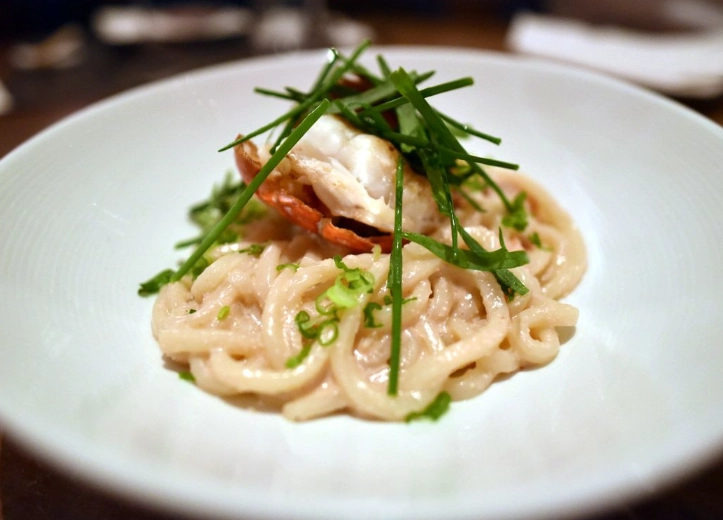
What to Pair With It
Mentaiko udon is rich. Order something light and crisp to cut through it. A simple side of ohitashi (blanched spinach) or a small green salad with a citrusy dressing is perfect. A cold beer or a glass of crisp, dry Japanese sake like a daiginjo also works wonders.
How to Make Mentaiko Udon at Home (The Right Way)
Good news: it's surprisingly simple to make a restaurant-quality bowl at home. The bad news: most online recipes skip a crucial step that prevents sogginess.
Here’s my method, refined after one too many bowls of mushy noodles.
Ingredients (for 2 servings):
- 2 packs of fresh or frozen sanuki udon (about 400g)
- 2 sacs of mentaiko (about 80-100g total)
- 100ml heavy cream (or half cream, half milk for a lighter version)
- 1-2 tbsp mirin
- 1 tsp soy sauce
- 1/2 tbsp butter
- Toppings: shredded nori, sliced green onion, shiso leaves (if available)
The Critical Process:
- Prep the Mentaiko: Slit the sacs and scrape the roe out into a bowl. Remove the thin membrane if you can—it makes the sauce smoother.
- Cook the Udon Separately: This is the key. Boil the udon according to package directions, but undercook it by about 30 seconds. Immediately drain and rinse under cold water to stop the cooking. This keeps the noodles chewy (koshi). Set aside.
- Make the Sauce: In a pan, combine the cream, mirin, and soy sauce. Heat gently over low heat until just warm—do not boil. Turn off the heat.
- Combine Off Heat: Add the scraped mentaiko and butter to the warm cream mixture. Stir gently until the butter melts and the sauce becomes a pale orange. The residual heat is enough to cook the sauce without curdling it or making the mentaiko tough.
- Final Toss: Add the cold, drained udon to the pan. Toss over very low heat for just 30-45 seconds, just enough to heat the noodles through and let them absorb the sauce. Do not cook longer, or the noodles will swell and get soft.
- Serve immediately, topped with nori and green onions.
This "combine off heat, then warm through quickly" method is the secret to a velvety sauce and perfect noodle texture.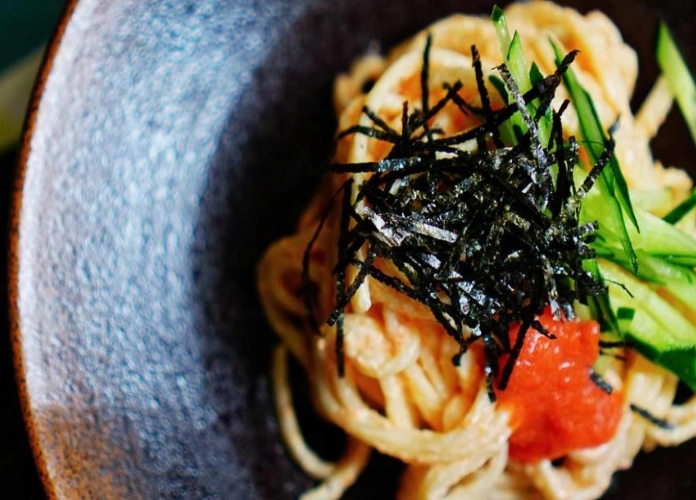
Reader Comments